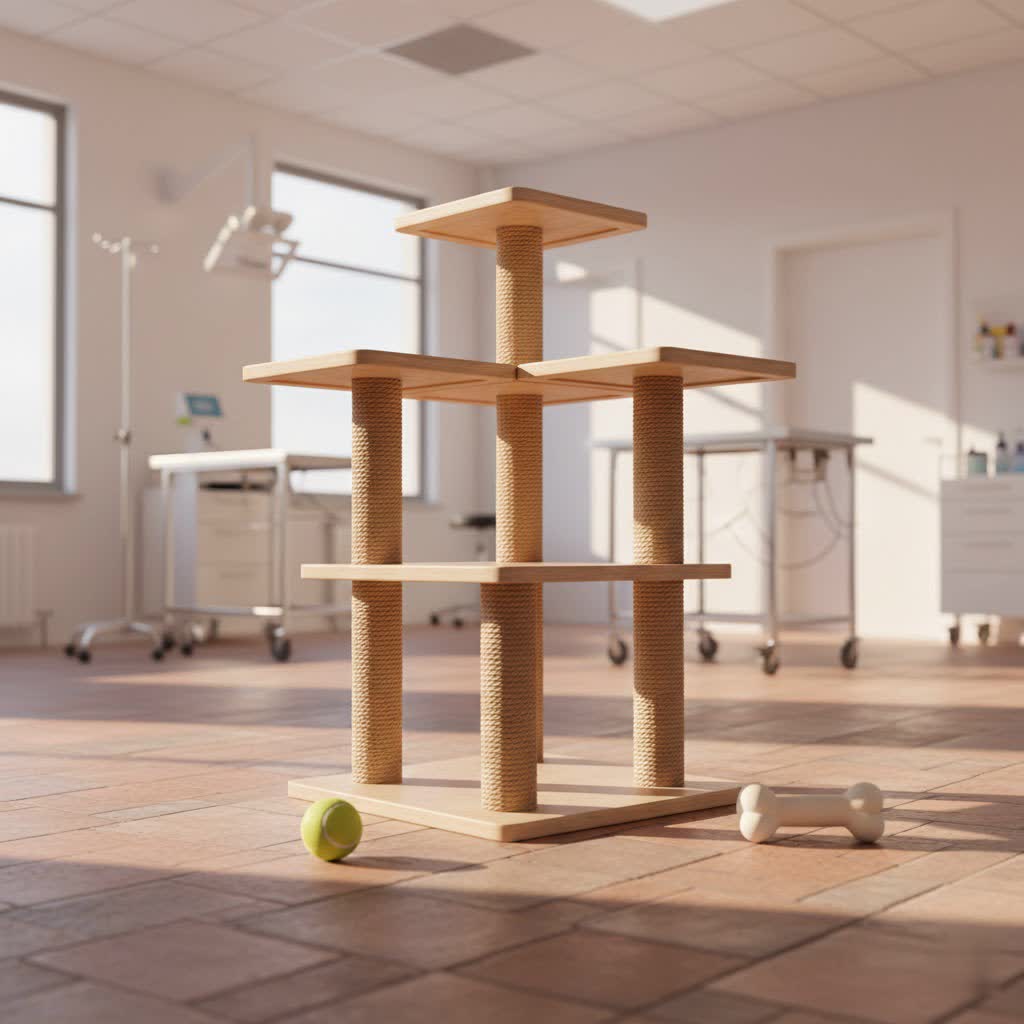
Have you ever considered that your cat’s furniture is more than just a place to play—it’s an investment in their overall health and happiness? As pet owners, we constantly seek ways to enrich our beloved companions’ lives, and a thoughtfully chosen cat tree stands out as a paramount addition to any feline household. Among the myriad options available, the wooden cat tree emerges as a superior choice, blending robust functionality with timeless aesthetic appeal. It offers a dedicated haven where your cat can embrace their natural instincts, ensuring both their physical vitality and mental contentment.
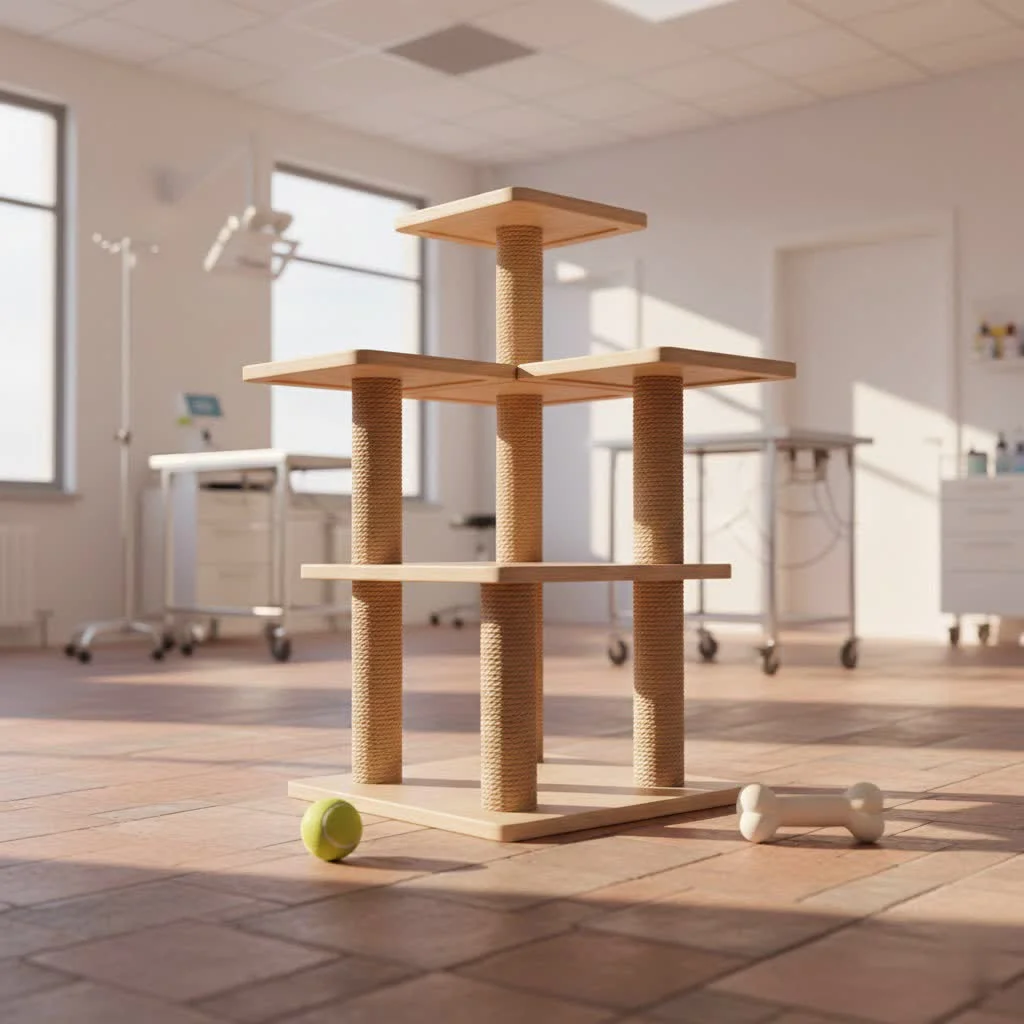
Why Do Cats Need a Cat Tree?
Cats, with their wild ancestry, possess innate instincts that thrive when given proper outlets. A cat tree is not a luxury but a crucial component for their well-being, providing a safe and stimulating environment.
For physical health, cat trees encourage essential activities like exercise, climbing, and stretching. These movements are vital in preventing obesity, improving coordination, and strengthening muscles, which is particularly beneficial for older cats susceptible to joint issues. Regular physical activity also contributes to better cardiovascular health. Mentally, a cat tree offers immense stimulation, warding off boredom that can otherwise lead to destructive behaviors such as scratching furniture or excessive grooming. It provides a secure, elevated space for exploration and observation, fulfilling their inherent need to survey their surroundings from a high vantage point.
Beyond health, cat trees offer significant behavioral benefits. They satisfy a cat’s natural urge to climb and scratch, redirecting these instincts from your sofa to an appropriate scratching surface, often made of sisal rope integrated into the wooden structure. This also serves as a crucial means of territory marking, providing a soothing sense of ownership. In multi-cat households, a multi-tiered cat tree can dramatically improve social dynamics by offering various levels and private nooks, ensuring each cat has their own secure personal space and reducing potential conflicts. Ultimately, a cat tree enhances safety and comfort, allowing your feline friends to play, rest, and feel secure in their own domain.
Exploring Types of Cat Trees
The world of cat trees offers diverse designs, with wooden options providing both stability and style. Understanding the common types helps you choose the perfect fit for your cat and home.
- Simple Post Wooden Cat Trees: These often feature a sturdy wooden base and a single vertical post wrapped in sisal rope. They are ideal for smaller spaces or as supplementary scratching areas, primarily catering to a cat’s need to scratch and stretch.
- Multi-Level Wooden Cat Towers: These are more elaborate structures with several platforms, perches, and sometimes enclosed cubbies, all supported by a robust wooden frame. They are excellent for active cats who enjoy climbing and exploring different heights, providing ample vertical space.
- **Wooden Cat Condos/Cubes: Integrating enclosed boxes or “condos” within the wooden framework, these trees offer private hideaways where cats can feel secure and take undisturbed naps. They combine climbing opportunities with cozy retreats.
- Wall-Mounted Wooden Cat Shelves/Trees: For homes with limited floor space, wall-mounted options provide vertical enrichment without occupying valuable real estate. These consist of wooden shelves, steps, and perches securely fastened to a wall, allowing cats to climb and survey their territory from above. They offer a modern, minimalist aesthetic.
Each type caters to different feline preferences and living situations, ensuring there’s a wooden cat tree perfect for every cat and owner.
Wooden vs. Carpeted Cat Trees: A Comprehensive Comparison
When selecting a cat tree, the choice of material significantly impacts durability, aesthetics, and maintenance. Wooden cat trees offer distinct advantages over their carpeted counterparts, particularly in terms of longevity and hygiene.
| Feature | Wooden Cat Tree | Carpeted Cat Tree |
|---|---|---|
| Durability | Highly durable, long-lasting (decades with care) | Wears out quickly (1-2 years), frays, degrades |
| Longevity | Excellent, resistant to scratching damage | Poor, frequent replacement needed |
| Maintenance | Easy to clean (wipe, vacuum cushions), non-absorbent | Traps dirt, hair, odors, requires more frequent cleaning |
| Aesthetics | Natural, elegant, blends with home decor | Softer, cozy, but can look worn and dated quickly |
| Stability | Very stable, dense wood, less wobble | Varies, can be less stable depending on quality |
| Cost | Higher initial investment, more economical long-term | Lower initial cost, higher long-term replacement cost |
| Scratching | Often uses sisal, satisfying texture | Carpet can be scratched, but also tears and frays |
Wooden structures consistently outperform carpeted alternatives in long-term durability, resisting scratching damage that would quickly destroy carpet fibers. While the initial investment might be higher for a quality wooden cat tree, its extended lifespan often makes it a more economical choice over time, reducing waste and clutter. Cleaning is significantly simpler with wooden cat trees because surfaces are smooth and non-absorbent, allowing for easy wiping and maintenance of a clean, odor-free environment. Carpet, conversely, can degrade predictably, trap odors, and require more frequent replacement, often every 6-12 months for active cats. Wooden cat trees also often integrate sisal panels or posts, providing a more satisfying and durable scratching texture than typical carpet.
Key Factors When Choosing the Perfect Wooden Cat Tree
Selecting the right wooden cat tree involves more than just picking an attractive design; it requires careful consideration of several practical factors to ensure it meets your cat’s needs and complements your living space.
First, size is paramount. The cat tree should be appropriate for your cat’s size and weight, allowing them to comfortably stretch, climb, and perch without feeling cramped or unstable. Equally important is ensuring the tree’s dimensions fit your home, especially if it’s a multi-level structure that requires significant floor space or height.
Next, material quality is crucial for both durability and safety. Opt for cat trees made from untreated wood, such as solid pine or high-quality plywood. These materials are robust and non-toxic, ensuring your cat’s well-being. For scratching surfaces, sisal rope is highly recommended, as it provides a satisfying texture for clawing that is both durable and natural for cats.
Stability cannot be overstated. A wobbly cat tree poses a significant safety risk to your feline friend. Look for designs with a wide, heavy base that can support the entire structure and resist tipping, even during vigorous play. Many wooden cat trees are inherently more stable due to the density of the wood. For taller trees, consider models that can be anchored to a wall with L-brackets for added security.
Finally, consider the design and features that will most appeal to your cat. Does your cat love to climb to the highest point? A tall tower with multiple perches would be ideal. Does your cat enjoy hiding? Look for trees with enclosed cubbies or platforms. Ensure there are ample scratching posts and various textures to keep them engaged. From an aesthetic perspective, many modern wooden cat trees are designed to blend seamlessly with contemporary home decor, offering a stylish alternative to traditional carpeted options.
Your Guide to Buying a Wooden Cat Tree
Purchasing a wooden cat tree is a significant decision for your cat’s long-term well-being. By following a strategic approach, you can ensure you make an informed choice that brings joy and enrichment to your feline companion.
First, budgeting is an essential step. While wooden cat trees might have a higher upfront cost compared to some carpeted alternatives, it’s crucial to view this as a long-term investment. Their superior durability and longevity often make them more economical over time, as you won’t need frequent replacements. Determine a comfortable price range, but prioritize quality and safety within that budget.
When considering where to purchase, seek out reputable pet stores or established online retailers that specialize in quality pet furniture. These sources are more likely to offer products made with safe, durable materials and provide reliable customer support. Websites often feature a wider selection and competitive pricing, but local pet stores can offer the advantage of seeing the product in person to assess its stability and craftsmanship.
Reading reviews from other cat owners is an invaluable step in the buying process. Look for feedback on durability, ease of assembly, and how well cats actually use the tree. Pay attention to comments regarding stability, material quality, and whether the product lived up to its description. This can provide real-world insights that product descriptions might miss.
Finally, inspect the product carefully upon arrival or in the store. Check for any sharp edges or splinters that could harm your cat. Ensure all parts are securely fastened and that the overall structure feels stable and robust. If ordering online, verify that all components are present and undamaged before assembly. This thorough check guarantees the quality and safety you expect for your furry friend.
Training Your Feline Friend to Love Their Wooden Cat Tree
Even the most magnificent wooden cat tree might go unused if your feline friend isn’t properly introduced to it. With a little encouragement and patience, you can help your cat discover their new favorite spot.
Start with strategic placement. Cats are creatures of habit and often prefer high vantage points near windows where they can observe their surroundings or in common areas where family activity occurs. Placing the cat tree in a location your cat already enjoys can significantly increase the likelihood of them using it.
Next, use attractants to pique their interest. Catnip is a classic choice; sprinkle a small amount on different levels of the tree. Dangling their favorite toys from perches or placing treats on platforms can also encourage exploration. The goal is to make the cat tree an exciting and rewarding place to be.
Implement positive reinforcement when your cat interacts with the tree. Whenever they climb, scratch, or even sniff around it, offer praise, gentle petting, or a small treat. This helps them associate the cat tree with positive experiences and rewards, reinforcing the desired behavior.
Finally, remember patience and consistency. It might take some time for your cat to fully embrace their new wooden cat tree. Avoid forcing them onto it, as this can create negative associations. Continue to make it an inviting space through consistent placement of treats, toys, and positive reinforcement, and soon your cat will develop a cherished habit of using their new sanctuary.
Keeping It Pristine: Cleaning and Maintaining Your Wooden Cat Tree
A wooden cat tree, with its inherent durability, requires simpler maintenance than carpeted versions, ensuring it remains a hygienic and attractive feature in your home for years. Regular cleaning not only preserves its appearance but also contributes to a healthier environment for your feline companion.
For daily or weekly upkeep, regular dusting and vacuuming are key. Use a soft cloth to wipe down wooden surfaces to remove any accumulated dust or pet hair. For cushions, hammocks, or any fabric components, a handheld vacuum cleaner can effectively pick up loose fur and debris. Many wooden cat trees feature removable fabric elements, making this task even easier.
When it comes to spot cleaning, address any accidental spills or stains promptly. Use a mild, pet-safe cleaning solution and a damp cloth to gently wipe affected wooden areas. Avoid harsh chemicals that could damage the wood finish or be harmful to your cat. For fabric components, check care labels; many removable covers can be machine-washed.
Lastly, checking for wear and tear periodically is vital for safety and longevity. Regularly inspect all screws and fasteners, tightening them as needed to maintain stability. Over time, sisal scratching posts might fray and become worn. Many wooden cat trees are designed with replaceable sisal pads or rope, allowing you to easily refresh these components without needing to replace the entire tree. This proactive maintenance ensures your wooden cat tree remains a safe, stable, and inviting space for your cat.
“A good Cat Tree is not merely a play area; it’s a sanctuary where cats feel safe and comfortable.” – ReviewNeka.com Admin
Conclusion
Investing in a wooden cat tree is a thoughtful decision that profoundly impacts your feline companion’s health, happiness, and overall well-being. These robust, aesthetically pleasing structures provide essential physical and mental stimulation, satisfying natural instincts while safeguarding your home furniture. With superior durability, easier maintenance, and the ability to seamlessly integrate into your home decor, wooden cat trees stand out as a smart, long-term choice. By prioritizing factors like size, quality materials, and stability, you’re not just buying furniture; you’re creating a cherished sanctuary for your cat.
What unique features will your cat love in their new wooden sanctuary?
Frequently Asked Questions
Are wooden cat trees really better than carpeted ones?
|
Our Picks for the Best Cat Tree in 2026
As an Amazon Associate I earn from qualifying purchases.
|
||
| Num | Product | Action |
|---|---|---|
| 1 | 37.4" Cactus Cat Tree Tower with Twin Cat Condos for Indoor Cats, All-in-One Activity Center with Cat Scratching Post Cozy Sleeping Perch Hammock and Toy Balls,Green … |

|
| 2 | Amazon Basics Cat Tree - Indoor Cat & Kittens Multi-Level Climbing Activity Tower with Scratching Posts, Large (45.9"H) - Beige |
|
| 3 | Heybly Cat Tree with Toy, Cat Tower Condo for Indoor Cats, Cat House with Padded Plush Perch, Cozy Hammock and Sisal Scratching Posts, Smoky Gray HCT004SG |
|
| 4 | Globlazer Heavy Duty Cat Tree, 70 inch Sturdy Cat Tree for Indoor Cats Extra Large Cat Tower with Scratching Post, Hammock, Cat Condo for Adult Cats Kittens, F70 Pro, Light Grey |
|
| 5 | YUNIQUE Cat Tree with Cat Condo and Big Hammock, Grey |
|
| 6 | Globlazer Heavy Duty Cat Trees for Large Cats, Sturdy 72in Maine Coon Cat Tree for Large Cats 20 lbs+ Heavy Duty Cat Tower for Adult Biggest Cat with 6 Scratching Posts, Hammock, S72, Dark Gray |
|
| 7 | Hey-brother Wooden Cat Tree, 69.7 inch Cats Furniture Tower with Large Platforms, Hammocks, Spacious Condo, Full Sisal Scratching Posts, Ladder, Brush, Water Proof Surface, Rustic Brown MPJ121SR |
|
| 8 | Amazon Basics Cat Tree for Indoors Cats, Multi-Level Cat Tower Cat Condo with Scratching Post, Cozy Hammock and Perches for Adult Cats, Interactive Dangling Ball, L – 60.1” (152.7cm) H, Grey |
|
| 9 | Feandrea Cat Tree, 59.5-Inch Tall Cat Tower, Plush Multi-Level Condo with 5 Scratching Posts, 2 Perches, 2 Caves, Hammock, 2 Pompoms, Light Gray UPCT192W01 |
|
| 10 | Xin Three Layer Cat Tree with Cat Condo and Two Hammocks,Grey |
|
Yes, generally, wooden cat trees offer superior durability and longevity compared to carpeted alternatives. They are easier to clean, less prone to trapping odors and allergens, and often feature a more stable construction. While the initial cost may be higher, their extended lifespan makes them a more economical and sustainable choice in the long run.
What types of wood are safe and best for cat trees?
Untreated woods such as solid pine, birch plywood, or bamboo are excellent choices for cat trees. These materials are non-toxic, durable, and strong enough to support your cat’s activities. Always ensure the wood is free from chemical treatments, splinters, or toxic finishes that could harm your pet.
How can I encourage my cat to use a new wooden cat tree?
To encourage use, place the cat tree in a high-traffic area or near a window, use catnip on different levels, and entice your cat with their favorite toys. Offer praise and treats when they interact with it positively. Patience and consistency are key to helping your cat adopt their new play and rest space.
How often should I clean my wooden cat tree?
Regular cleaning is important for hygiene and longevity. Wipe down wooden surfaces weekly to remove dust and fur, and vacuum any fabric components like cushions. Spot clean stains as they occur with a pet-safe solution. For heavily used scratching posts, consider replacing sisal elements periodically.
Are wooden cat trees suitable for large or multiple cats?
Absolutely! Many wooden cat trees are designed with enhanced stability and larger platforms, making them ideal for heavier breeds or multi-cat households. Look for models with a wide, heavy base and multiple levels or perches to provide ample space and prevent overcrowding. Consider anchoring taller trees to a wall for extra security.
Can I build a DIY wooden cat tree safely?
Yes, you can build a DIY wooden cat tree safely by prioritizing pet-safe materials like untreated wood and non-toxic glues. Ensure the structure has a wide, sturdy base for stability and sand down all edges to prevent splinters. Regularly check for loose parts and consider anchoring taller designs to a wall.
Pet products vetted on real animals
Practical specs, not advice. Unsubscribe anytime.
