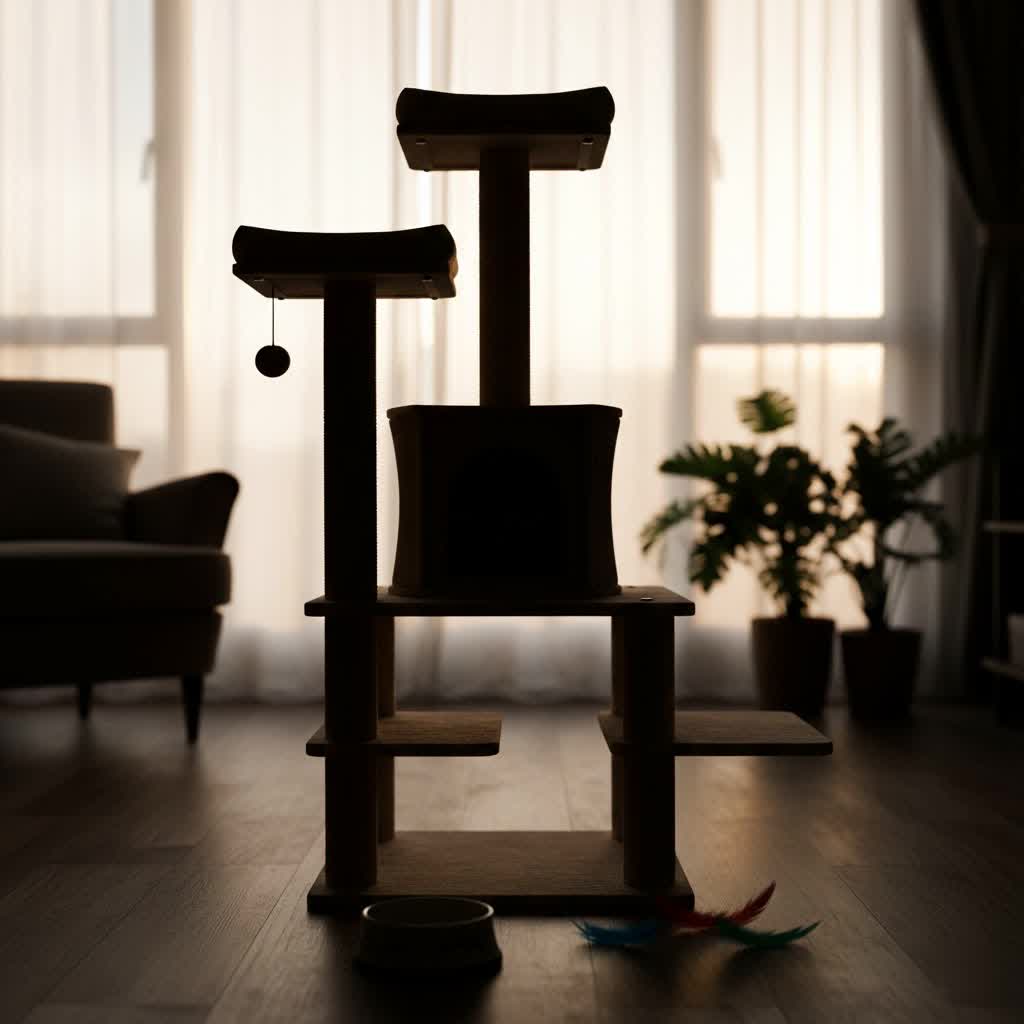
Every cat parent understands the unique joy and occasional chaos that comes with sharing a home with a feline companion. While our cats bring endless purrs and cuddles, they also possess primal instincts that need to be fulfilled, especially for indoor cats. This is where a well-chosen cat tree becomes more than just furniture; it’s an essential investment in your cat’s health and happiness. Discover how to navigate the vast array of options and select a cat tree that perfectly suits your beloved pet and your home.
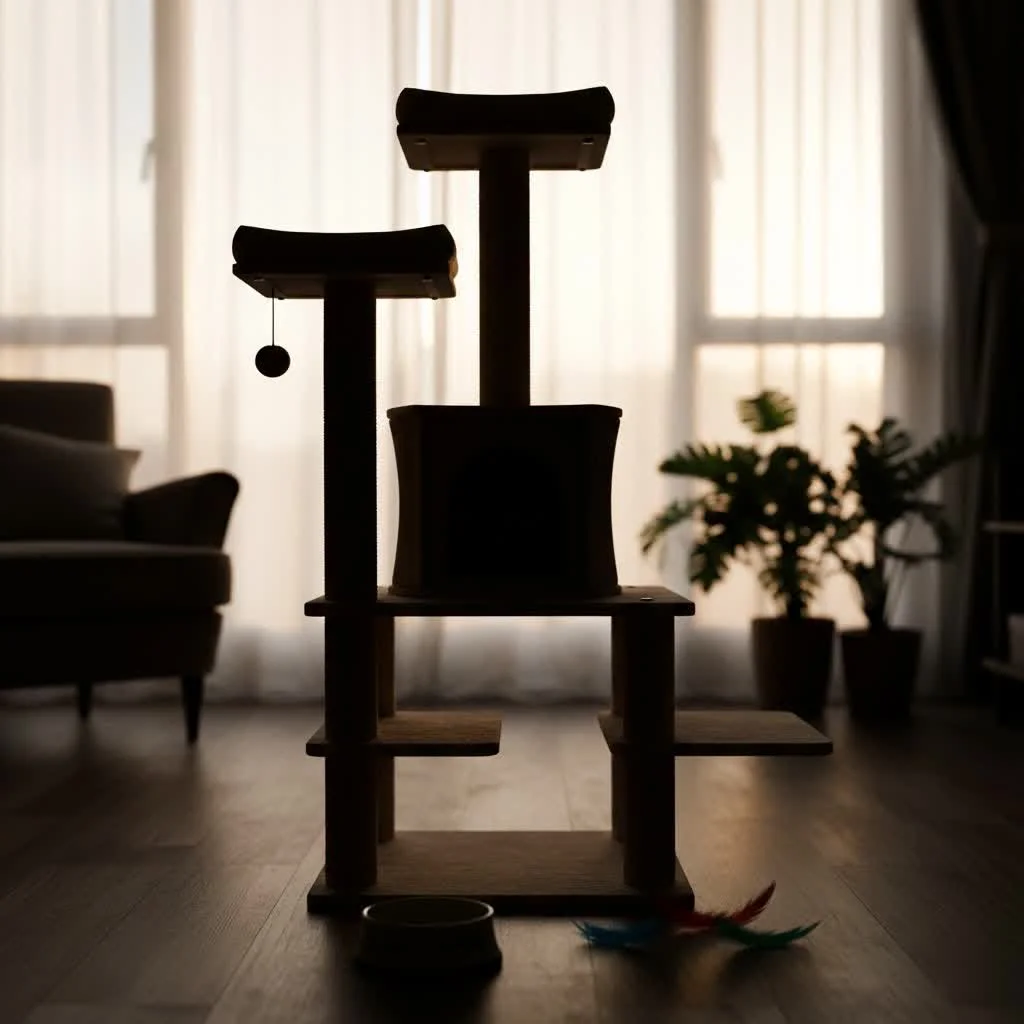
Why Your Cat Needs a Cat Tree?
A cat tree provides a vital outlet for a cat’s natural behaviors, significantly contributing to their overall physical and mental well-being. Without adequate stimulation, cats can become bored, stressed, and even destructive. For expert cat tree reviews on this site.
Physical Health and Exercise: Climbing, jumping, and stretching on a cat tree offer crucial exercise that helps maintain a healthy weight, strengthens muscles, and improves agility, particularly for indoor cats who might otherwise lead a sedentary lifestyle. It allows them to engage their innate need for vertical movement, mimicking the challenges they would encounter in the wild.
Mental Stimulation and Stress Relief: Cats are natural predators and enjoy observing their surroundings from a high vantage point. A cat tree provides a secure elevated perch, giving them a sense of control and reducing anxiety, especially in multi-pet households or busy environments. The varied levels and features also offer mental enrichment, preventing boredom and encouraging exploration.
Instinctual Scratching Outlet: Scratching is an essential feline behavior for marking territory, stretching muscles, and maintaining claw health. A cat tree equipped with scratching posts—often wrapped in sisal rope or carpet—redirects this natural instinct away from your valuable furniture, saving your sofas and carpets from damage.
Safe Space and Territory: In a multi-cat home, vertical space is key to harmony. Cat trees provide individual territories and elevated escapes, allowing each cat to have their own private spot to rest, observe, or simply feel safe without constant competition.
Popular Types of Cat Trees
Cat trees come in a myriad of designs, each catering to different feline preferences and living spaces. Understanding the common types can help narrow down your choice:
- Simple Cat Tree Posts: These are typically single-column structures with one or two platforms and a scratching surface. They are compact, budget-friendly, and ideal for small spaces or kittens.
- Multi-level Cat Towers: Featuring several platforms, perches, and often cubbies or hammocks, these taller structures provide ample climbing opportunities and resting spots. They are excellent for active cats or multi-cat households.
- Cat Condos/Caves: Some cat trees integrate enclosed spaces or “condos” where cats can hide, nap, and feel secure. These are perfect for shy or nervous cats who appreciate privacy.
- Wall-Mounted Cat Trees/Shelves: Designed to save floor space, these units attach directly to the wall, offering vertical exploration without cluttering the room. They are highly customizable and can create an engaging “cat highway” system.
- Modern/Designer Cat Trees: Moving beyond traditional carpeted designs, these trees often feature sleek lines, natural wood, and contemporary fabrics, blending seamlessly with modern home decor while providing all the necessary feline features.
Comparing Cat Tree Types
|
Our Picks for the Best Cat Tree in 2026
As an Amazon Associate I earn from qualifying purchases.
|
||
| Num | Product | Action |
|---|---|---|
| 1 | Globlazer Heavy Duty Cat Tree, 70 inch Sturdy Cat Tree for Indoor Cats Extra Large Cat Tower with Scratching Post, Hammock, Cat Condo for Adult Cats Kittens, F70 Pro, Light Grey |

|
| 2 | Xin Three Layer Cat Tree with Cat Condo and Two Hammocks,Grey |
|
| 3 | YUNIQUE Cat Tree with Cat Condo and Big Hammock, Grey |
|
| 4 | Globlazer Heavy Duty Cat Trees for Large Cats, Sturdy 72in Maine Coon Cat Tree for Large Cats 20 lbs+ Heavy Duty Cat Tower for Adult Biggest Cat with 6 Scratching Posts, Hammock, S72, Dark Gray |
|
| 5 | Amazon Basics Cat Tree for Indoors Cats, Multi-Level Cat Tower Cat Condo with Scratching Post, Cozy Hammock and Perches for Adult Cats, Interactive Dangling Ball, L – 60.1” (152.7cm) H, Grey |
|
| 6 | Amazon Basics Cat Tree - Indoor Cat & Kittens Multi-Level Climbing Activity Tower with Scratching Posts, Large (45.9"H) - Beige |
|
| 7 | Feandrea Cat Tree, 59.5-Inch Tall Cat Tower, Plush Multi-Level Condo with 5 Scratching Posts, 2 Perches, 2 Caves, Hammock, 2 Pompoms, Light Gray UPCT192W01 |
|
| 8 | 37.4" Cactus Cat Tree Tower with Twin Cat Condos for Indoor Cats, All-in-One Activity Center with Cat Scratching Post Cozy Sleeping Perch Hammock and Toy Balls,Green … |
|
| 9 | Hey-brother Wooden Cat Tree, 69.7 inch Cats Furniture Tower with Large Platforms, Hammocks, Spacious Condo, Full Sisal Scratching Posts, Ladder, Brush, Water Proof Surface, Rustic Brown MPJ121SR |
|
| 10 | Heybly Cat Tree with Toy, Cat Tower Condo for Indoor Cats, Cat House with Padded Plush Perch, Cozy Hammock and Sisal Scratching Posts, Smoky Gray HCT004SG |
|
| Feature | Simple Post | Multi-level Tower | Combined Condo/Tower | Wall-Mounted System |
|---|---|---|---|---|
| Pros | Affordable, space-saving, easy assembly | Multiple activities, ample perches, good for multiple cats | Privacy, security, varied play/rest options | Maximizes floor space, customizable, modern aesthetic |
| Cons | Limited activity, less challenging for active cats | Can be bulky, takes up significant floor space, higher cost | Can be harder to clean if compartments are small | Requires installation, less portable, may not suit all wall types |
| Best For | Kittens, less active cats, small apartments | Active cats, multi-cat households, larger homes | Shy cats, cats seeking secure hiding spots | Small living spaces, design-conscious owners, active climbers |
Key Factors When Choosing a Cat Tree
Selecting the right cat tree requires careful consideration of several factors to ensure it meets your cat’s specific needs and seamlessly integrates into your home.
Size and Height: Consider your cat’s size and weight. Large breeds like Maine Coons need robust, spacious platforms and sturdy construction. Also, assess your available living space. A tall, multi-level cat tree might be perfect for a large room, while a compact or wall-mounted option might be better for an apartment.
Material Quality: The materials dictate durability, safety, and ease of cleaning.
- Solid Wood or plywood frames are highly durable and stable.
- Sisal Rope is excellent for scratching posts as it’s tough and satisfying for cats.
- Plush Fabric or faux fur adds comfort to lounging spots but should be easy to clean. Avoid flimsy particle board that can quickly degrade.
Stability and Safety: This is paramount. A wobbly cat tree can deter your cat from using it and pose a safety risk. Look for a wide, heavy base, reinforced platforms, and robust posts. Taller trees often benefit from wall anchors for added stability.
Design and Features: Think about what your cat enjoys.
- Does your cat love to scratch? Ensure ample sisal-wrapped posts.
- Do they enjoy perching high? Look for elevated platforms with clear views.
- Are they shy? Cat condos or cubbies offer secure hiding spots.
- Interactive toys, dangling ropes, or ramps can add extra engagement for playful cats.
Cat’s Personality: Every cat is unique. An active, adventurous cat will thrive with a complex, multi-level tower, while a more timid cat might prefer a tree with cozy, enclosed spaces. Observe your cat’s habits—do they prefer to lounge in sunbeams, climb curtains, or hide under beds? Their preferences should guide your choice.
How to Purchase the Right Cat Tree
Making an informed purchase involves more than just picking the prettiest option.
Set a Realistic Budget: Cat trees range widely in price. While it’s tempting to opt for the cheapest, remember that higher-quality materials and construction often mean better durability and safety, making it a worthwhile long-term investment.
Research Reputable Retailers and Brands: Purchase from stores or online platforms known for quality pet products. Check their return policies and customer service.
Read Reviews and Recommendations: Customer reviews offer invaluable insights into a product’s real-world performance, stability, and how cats interact with it. Look for feedback on ease of assembly, material durability, and overall feline appeal.
Inspect the Product: If buying in-store, check for any damage, loose parts, or strong chemical odors. If ordering online, inspect it thoroughly upon arrival before assembly.
Tips for Training Your Cat to Use a Cat Tree
Even the perfect cat tree might need a little encouragement for your cat to adopt it as their new favorite spot.
- Strategic Placement: Place the cat tree in a central area where your cat already enjoys spending time, ideally near a window where they can observe the outdoors. If your cat has a favorite scratching spot on furniture, place the tree nearby to redirect that behavior.
- Use Attractants: Sprinkling catnip on the tree or dangling a favorite toy from a perch can entice your cat to explore.
- Positive Reinforcement: When your cat uses the tree for scratching, climbing, or resting, offer praise, treats, or gentle pets. This creates a positive association with the new furniture.
- Patience is Key: Some cats take to new things instantly, while others need time. Be patient and continue to encourage them without forcing interaction.
Cleaning and Maintaining Your Cat Tree
Regular cleaning and maintenance will prolong the life of your cat tree and keep it a hygienic, inviting space for your cat.
- Vacuum Regularly: Use a vacuum cleaner with a brush attachment to remove loose fur, dander, and dust from all surfaces.
- Spot Clean: Address any stains or accidents promptly using pet-safe cleaners. For fabric surfaces, a damp cloth with mild soap or a baking soda paste can work wonders. Ensure all surfaces are thoroughly dry before your cat uses them again.
- Inspect for Wear and Tear: Periodically check for wobbly parts, frayed scratching posts, or damaged platforms. Replace worn-out sisal rope or other components to maintain safety and functionality.
“A well-designed cat tree isn’t just about fun; it’s about giving your feline companion a sense of security, a vital outlet for their instincts, and a comfortable retreat in their own personal kingdom.”
Conclusion
Choosing the right cat tree is a thoughtful process that significantly impacts your cat’s well-being and your home environment. By considering your cat’s personality, your living space, and the quality of materials, you can select a sturdy, engaging, and long-lasting piece of furniture that fulfills their natural instincts. Investing in a quality cat tree means investing in a healthier, happier, and more harmonious life for your feline friend. So, are you ready to elevate your cat’s world with their new favorite sanctuary?
Frequently Asked Questions
Is a Cat Tree truly necessary for indoor cats?
Absolutely. While not strictly essential for survival, a cat tree is highly beneficial for indoor cats. It provides crucial opportunities for exercise, mental stimulation, and satisfying natural behaviors like climbing and scratching, which are often limited indoors. This helps prevent boredom, reduce stress, and protect your furniture.
How do I choose a Cat Tree suitable for a kitten?
For kittens, prioritize stability and accessible levels. Look for shorter trees with smaller platforms and gentle ramps that are easy for tiny paws to navigate. Soft, plush materials and interactive dangling toys can also make the tree more appealing and encourage early exploration.
What is the best material for a Cat Tree?
Solid wood and sisal rope are generally considered the best materials. Solid wood provides superior stability and durability for the frame, while sisal rope offers an ideal texture for scratching, helping to keep claws healthy and preventing damage to other household items. Many trees combine these with plush fabrics for comfort.
Pet products vetted on real animals
Practical specs, not advice. Unsubscribe anytime.
