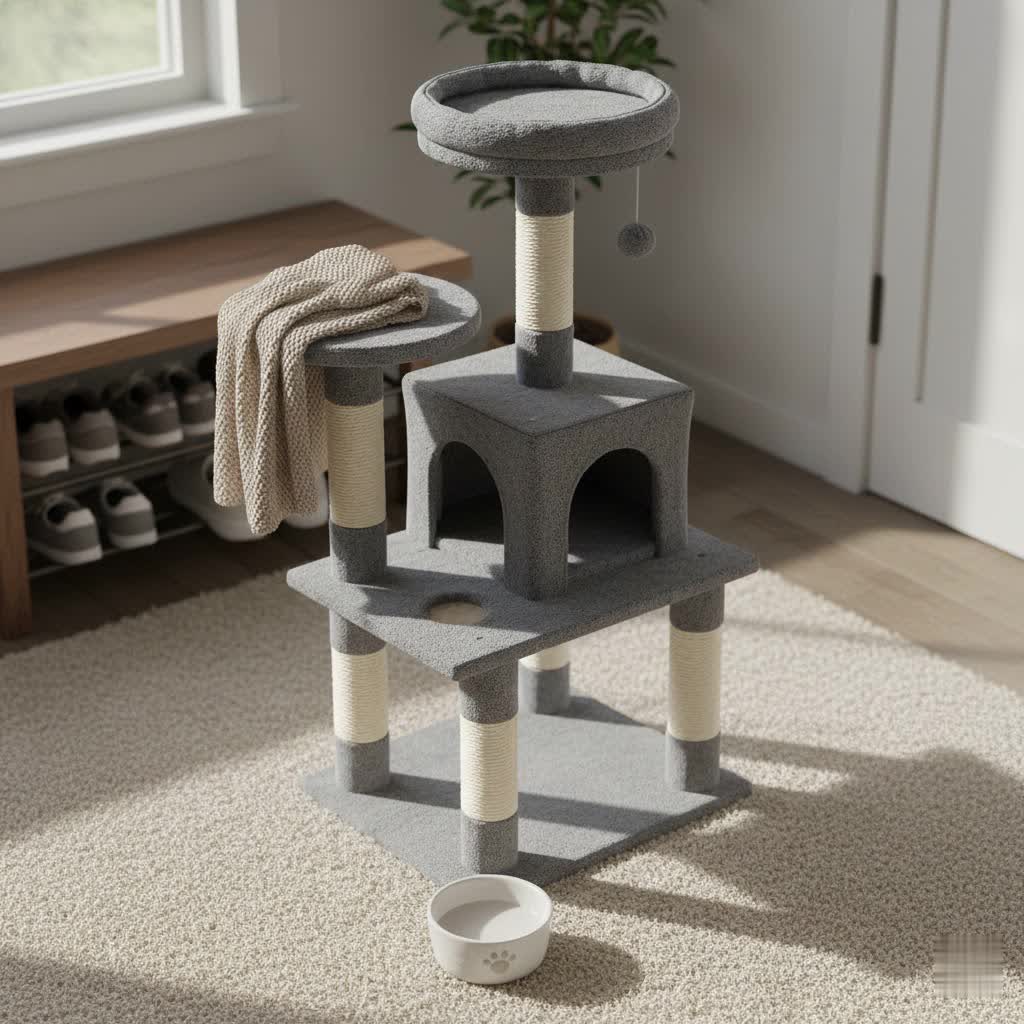
Choosing the perfect tall cat tree for your feline friend involves considering factors like size, material, stability, and your cat’s personality to ensure it meets their innate needs for climbing, exercise, and security. A well-chosen tall cat tree, typically ranging from 60 to 84 inches for apartments, provides essential vertical territory, promoting physical activity and mental stimulation, which are crucial for an indoor cat’s health and happiness.
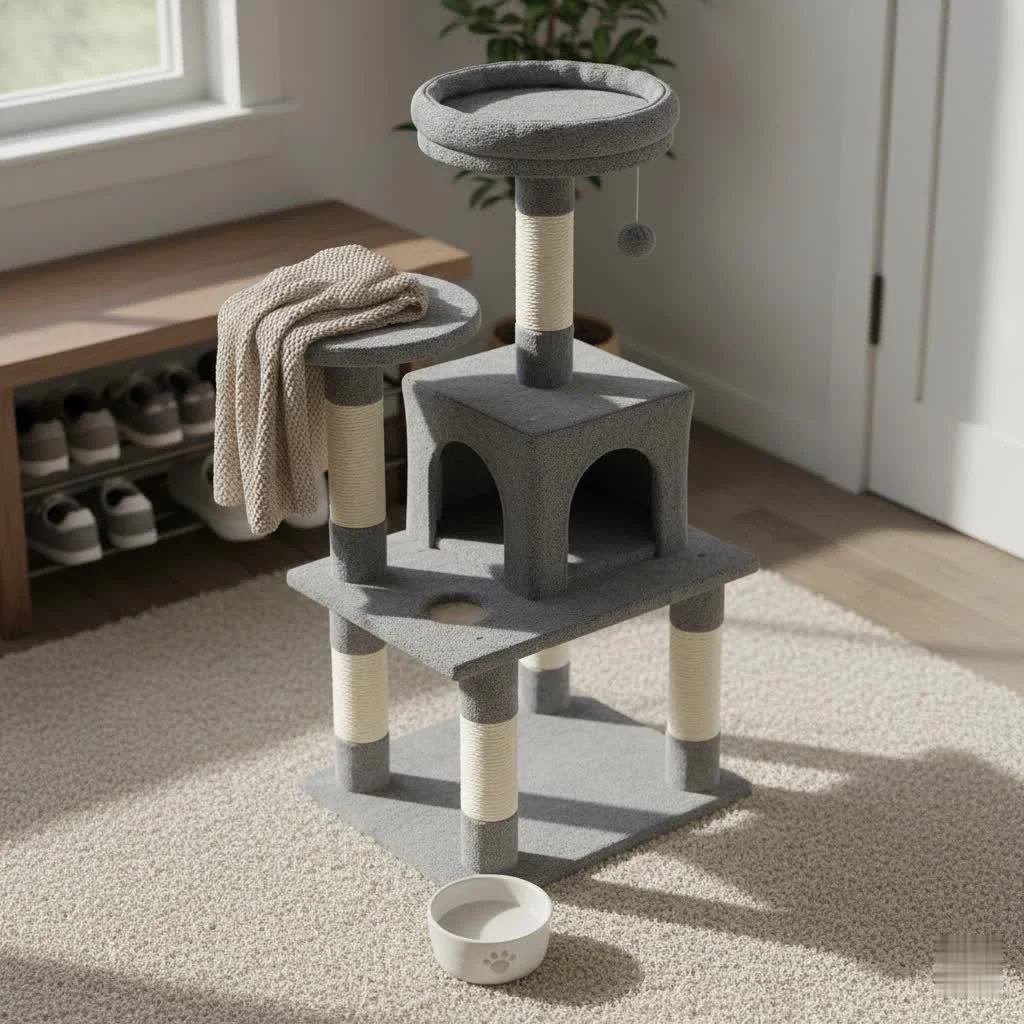
Why Your Cat Needs a Tall Cat Tree
Cats are natural climbers, hardwired by evolution to seek high ground. This isn’t just for fun; it’s deeply rooted in their instincts as both predators and prey. A tall cat tree provides crucial vertical territory, fulfilling these innate needs and offering a host of benefits for their physical and mental well-being.
Physical and Mental Health Benefits
Tall cat trees are excellent for promoting physical activity. The act of climbing, jumping, and stretching across multiple levels helps strengthen muscles, support joint health, and combat obesity, especially in indoor cats who might otherwise lack sufficient exercise opportunities. Beyond physical exertion, a tall cat tree offers immense mental stimulation. It provides a dynamic environment where cats can engage in natural behaviors, reducing boredom and destructive tendencies. The variety of features, from scratching posts to dangling toys, keeps them entertained and mentally sharp.
Vertical Territory and Security
Cats instinctively crave elevated spaces to survey their surroundings, feel secure, and retreat when overwhelmed. Being high up gives them a sense of control and confidence, allowing them to observe their “kingdom” in peace. In multi-cat households, tall cat trees are particularly beneficial, as they provide individual vertical zones. This expanded territory helps reduce tension and conflicts over resources, allowing each cat to claim their own peaceful spot. A secure perch can also be a safe haven from other pets or young children, boosting a shy cat’s confidence and reducing anxiety.
Popular Types of Tall Cat Trees
Tall cat trees come in various designs, each offering unique advantages depending on your space and your cat’s preferences.
- Simple Column Cat Trees: While many are shorter, some tall versions focus on a strong, singular vertical element with a few perches or scratching surfaces. They are great for satisfying basic climbing and scratching needs in a compact footprint.
- Multi-Level Complex Cat Trees: These are the most common tall cat trees, featuring numerous platforms, hideouts, ramps, and toys spread across several tiers. They offer diverse activities and plenty of space for exploration, ideal for energetic cats or multiple felines.
- Cat Trees with Integrated Condos/Houses: Many tall cat trees incorporate enclosed cubbies or small houses. These provide private, cozy retreats where cats can feel extra secure for a nap or some quiet time away from household activity.
- Floor-to-Ceiling Cat Trees and Wall-Mounted Systems: For the ultimate vertical adventure, floor-to-ceiling trees use tension rods for maximum stability and height, often reaching 7 feet or more. Wall-mounted shelves and systems also offer significant vertical space, freeing up floor area and allowing for custom configurations.
Comparing Tall Cat Tree Types
To help you decide, here’s a comparison of common tall cat tree characteristics:
| Feature | Tall Single-Column | Multi-Level Complex | With Houses/Condos | Floor-to-Ceiling / Wall-Mounted |
|---|---|---|---|---|
| Pros | Space-saving footprint, dedicated scratching/climbing | High enrichment, multiple activity zones, great for multi-cat homes | Enhanced privacy and security, cozy resting spots | Maximizes vertical space, ultimate stability, modern aesthetic, highly customizable |
| Cons | Limited features, less variety for play | Can be bulky, may take up more floor space | May have fewer open perches | Requires careful installation, potentially permanent fixtures |
| Best For | Single cats, smaller apartments, focused climbing/scratching | Active cats, multi-cat households, varied play | Shy cats, cats needing secure retreats, cooler climates | Highly active cats, multi-cat homes, small spaces, modern interiors |
Key Factors When Choosing Your Tall Cat Tree
Choosing the right tall cat tree requires careful consideration of several factors to ensure it meets your cat’s needs and fits your home.
Size and Space
|
Our Picks for the Best Cat Tree in 2026
As an Amazon Associate I earn from qualifying purchases.
|
||
| Num | Product | Action |
|---|---|---|
| 1 | Xin Three Layer Cat Tree with Cat Condo and Two Hammocks,Grey |

|
| 2 | Amazon Basics Cat Tree for Indoors Cats, Multi-Level Cat Tower Cat Condo with Scratching Post, Cozy Hammock and Perches for Adult Cats, Interactive Dangling Ball, L – 60.1” (152.7cm) H, Grey |
|
| 3 | Hey-brother Wooden Cat Tree, 69.7 inch Cats Furniture Tower with Large Platforms, Hammocks, Spacious Condo, Full Sisal Scratching Posts, Ladder, Brush, Water Proof Surface, Rustic Brown MPJ121SR |
|
| 4 | Globlazer Heavy Duty Cat Tree, 70 inch Sturdy Cat Tree for Indoor Cats Extra Large Cat Tower with Scratching Post, Hammock, Cat Condo for Adult Cats Kittens, F70 Pro, Light Grey |
|
| 5 | Amazon Basics Cat Tree - Indoor Cat & Kittens Multi-Level Climbing Activity Tower with Scratching Posts, Large (45.9"H) - Beige |
|
| 6 | 37.4" Cactus Cat Tree Tower with Twin Cat Condos for Indoor Cats, All-in-One Activity Center with Cat Scratching Post Cozy Sleeping Perch Hammock and Toy Balls,Green … |
|
| 7 | Globlazer Heavy Duty Cat Trees for Large Cats, Sturdy 72in Maine Coon Cat Tree for Large Cats 20 lbs+ Heavy Duty Cat Tower for Adult Biggest Cat with 6 Scratching Posts, Hammock, S72, Dark Gray |
|
| 8 | Heybly Cat Tree with Toy, Cat Tower Condo for Indoor Cats, Cat House with Padded Plush Perch, Cozy Hammock and Sisal Scratching Posts, Smoky Gray HCT004SG |
|
| 9 | YUNIQUE Cat Tree with Cat Condo and Big Hammock, Grey |
|
| 10 | Feandrea Cat Tree, 59.5-Inch Tall Cat Tower, Plush Multi-Level Condo with 5 Scratching Posts, 2 Perches, 2 Caves, Hammock, 2 Pompoms, Light Gray UPCT192W01 |
|
Consider both your cat’s size and your living space. Large breeds like Maine Coons or Ragdolls require wider platforms (at least 14-18 inches wide) and reinforced construction to comfortably lounge and jump without feeling cramped or unstable. For multi-cat households, a larger tree with multiple perches helps prevent conflicts. If you live in an apartment, a tall tree in the 60-84 inch range is ideal as it offers many levels without occupying excessive floor space.
Material and Stability
Stability is paramount for tall cat trees. Look for models made with high-quality, durable materials like solid wood or heavy-duty particleboard. A wide, heavy base is crucial to prevent wobbling or tipping, especially for energetic cats. Sisal rope covering scratching posts provides an ideal surface for claw maintenance and should be thick and securely wrapped. Plush fabrics offer comfort for lounging. For extra safety, especially with trees over 60 inches, consider models that can be anchored to a wall with brackets or straps.
Features and Design
The best tall cat trees integrate a variety of features that cater to different feline behaviors. Look for:
- Multiple Perches: Different heights allow cats to choose their preferred vantage point.
- Scratching Posts: Essential for claw health and redirecting scratching away from furniture. Sisal-wrapped posts are highly recommended.
- Condos or Cubbies: Offer private, enclosed spaces for rest and security.
- Dangling Toys or Ropes: Provide interactive play and mental stimulation.
- Ramps or Stairs: Can be beneficial for kittens, senior cats, or those with mobility issues, providing easier access to higher levels.
Beyond functionality, consider how the cat tree’s design integrates with your home decor. Many modern tall cat trees offer sleek designs that blend seamlessly into contemporary interiors.
Cat’s Personality and Age
Every cat is unique. Observe your cat’s habits:
- Active Climbers: Will thrive with multi-level trees, challenging climbing paths, and dangling toys.
- Shy or Anxious Cats: Benefit from trees with cozy hideouts and high, secure perches where they can retreat and feel safe.
- Kittens: Need gradual platforms and lower entry points for safe exploration.
- Senior Cats: Require structures with closely spaced platforms, ramps, or lower heights to ensure easy and safe access, especially if they have arthritis or joint stiffness.
Tips for Buying a Tall Cat Tree
Making an informed purchase ensures your investment brings long-term joy to your feline companion.
- Set a Budget: Tall cat trees vary widely in price. Determine a realistic budget, ing that quality construction often correlates with durability and safety.
- Choose Reputable Retailers: Purchase from trusted pet stores or online retailers known for quality pet products. This often ensures better customer service and return policies.
- Read Reviews: Always check user reviews, especially for comments on stability, ease of assembly, material quality, and suitability for large or multiple cats. Real-world feedback is invaluable.
- Inspect Quality and Safety: Before and after assembly, thoroughly inspect the tree for any sharp edges, loose parts, or chemical odors. Ensure all connections are tight and stable.
Training Your Cat to Love Their Tall Cat Tree
Introducing a new, tall structure can sometimes take time. Here’s how to encourage your cat to embrace their new vertical paradise:
- Strategic Placement: Place the cat tree in a location your cat already loves, such as by a window for bird watching, or in a main room where they can observe family activity. A corner placement can also add to stability.
- Entice with Treats and Catnip: Sprinkle catnip on the platforms, place favorite treats on different levels, or use a wand toy to lead them up the tree. Reward them with praise and treats when they interact with it.
- Patience is Key: Some cats are naturally curious, while others need time to warm up to new things. Avoid forcing them onto the tree. Let them explore at their own pace, and they will eventually claim it as their own. Consistency and positive reinforcement are more effective than coercion.
Maintenance and Longevity of Your Tall Cat Tree
Regular care will extend the life of your tall cat tree and keep it a safe, inviting space.
- Regular Cleaning: Vacuum carpeted surfaces frequently to remove fur and dust. Spot clean any stains with a pet-safe cleaner. For sisal posts, a stiff brush can remove loose fibers.
- Check for Stability: Periodically inspect all screws and bolts, tightening them as needed. Cats’ energetic play can loosen connections over time. For wall-anchored trees, ensure the anchors remain secure.
- Replace Worn Parts: Scratching posts will eventually wear down. Many quality cat trees offer replacement parts, allowing you to refresh the tree’s functionality without buying a whole new unit.
“A well-designed tall cat tree isn’t merely an object; it’s a dynamic environment that nurtures a cat’s inherent need for exploration, security, and elevated rest. It’s truly an investment in their holistic well-being.”
Conclusion
A tall cat tree is far more than just a piece of pet furniture; it’s an essential element for your feline friend’s physical health, mental stimulation, and overall happiness. By providing ample vertical territory, a tall cat tree allows your cat to express their natural climbing instincts, reduce stress, and maintain a sense of security. When choosing the right one, prioritize stability, durable materials, and features that cater to your cat’s unique personality and needs. With a thoughtful selection and proper care, your tall cat tree will become a cherished haven for years to come.
Are you ready to improve your cat’s world and witness the joy a tall cat tree can bring?
Frequently Asked Questions
Is a tall cat tree really necessary for every cat?
While not every cat requires a tall cat tree, most felines instinctively benefit from vertical space. It provides crucial exercise, reduces stress, and satisfies their natural desire to climb and survey their surroundings from a secure vantage point. It’s especially beneficial for active cats, multi-cat households, and indoor cats.
How tall should a cat tree be?
The ideal height depends on your cat’s activity level, size, and your available space. “Tall” cat trees generally range from 60 to 72 inches, while “extra-tall” can exceed 72 inches, sometimes reaching ceiling height. For apartments, 60-84 inches offers good vertical enrichment without a large footprint. Ensure the top perches allow your cat to fully stretch.
What makes a tall cat tree stable?
Stability in a tall cat tree comes from a combination of factors: a heavy, wide base; solid construction materials like wood; thick support posts; and, ideally, the option to anchor it to a wall. For floor-to-ceiling models, tension rods provide added stability. Always check reviews for feedback on wobble and sturdiness.
How to Choose the Perfect Tall Cat Tree
Selecting the right tall cat tree involves evaluating your cat's needs, your living space, and the tree's construction to ensure it provides a safe and enriching environment.
Consider your cat's size and your available living space. Large breeds require platforms at least 14-18 inches wide. For apartments, a tree 60-84 inches tall offers good vertical enrichment without taking up too much floor space.
Look for durable materials like solid wood or heavy-duty particleboard with a wide, heavy base to prevent wobbling. Sisal rope on scratching posts is ideal for claw maintenance. For trees over 60 inches, consider models that can be anchored to a wall for extra safety.
Choose a tree with multiple perches, sisal scratching posts, and enclosed condos or cubbies for rest. Dangling toys provide mental stimulation. Ramps or stairs can be beneficial for kittens or senior cats. Also, consider how the design integrates with your home decor.
Active cats thrive with multi-level trees and challenging paths. Shy cats benefit from cozy hideouts and high, secure perches. Kittens need gradual platforms, while senior cats require closely spaced platforms or ramps for easy access due to potential mobility issues.
Always check user reviews for feedback on stability, assembly, and material quality. Before and after assembly, inspect the tree for sharp edges, loose parts, or chemical odors. Ensure all connections are tight and stable to guarantee safety and longevity.
Pet products vetted on real animals
Practical specs, not advice. Unsubscribe anytime.

This was so helpful in understanding why my indoor cat needed a tall tree. I always thought it was just for fun, but learning about their instinctual need for high ground made so much sense. I invested in a really sturdy one, and my cat is noticeably happier and more engaged. It’s amazing how much a good cat tree can improve their mental stimulation.
I got a tall cat tree around 65 inches, hoping it would be perfect for my apartment. While my cat does use it, the material on the scratching posts isn’t as durable as I’d hoped. It’s already showing significant wear after only a couple of months. Next time, I’ll definitely pay more attention to the quality of the sisal rope.
I was really struggling to find a cat tree that was tall enough for my Maine Coon, and this guide helped me realize I needed something in the 70-inch range. The one I got is fantastic! He loves having his own vertical territory and spends hours climbing and napping on the top perch. It’s made such a difference in his activity levels.
My two cats are super active, and I needed a tree that could handle their roughhousing. The stability factor mentioned here was key for me. I ended up getting a model with a wider base and extra bracing, and it’s holding up great. They love having a high spot to survey their kingdom, and it’s definitely reduced some of their destructive climbing on my curtains.