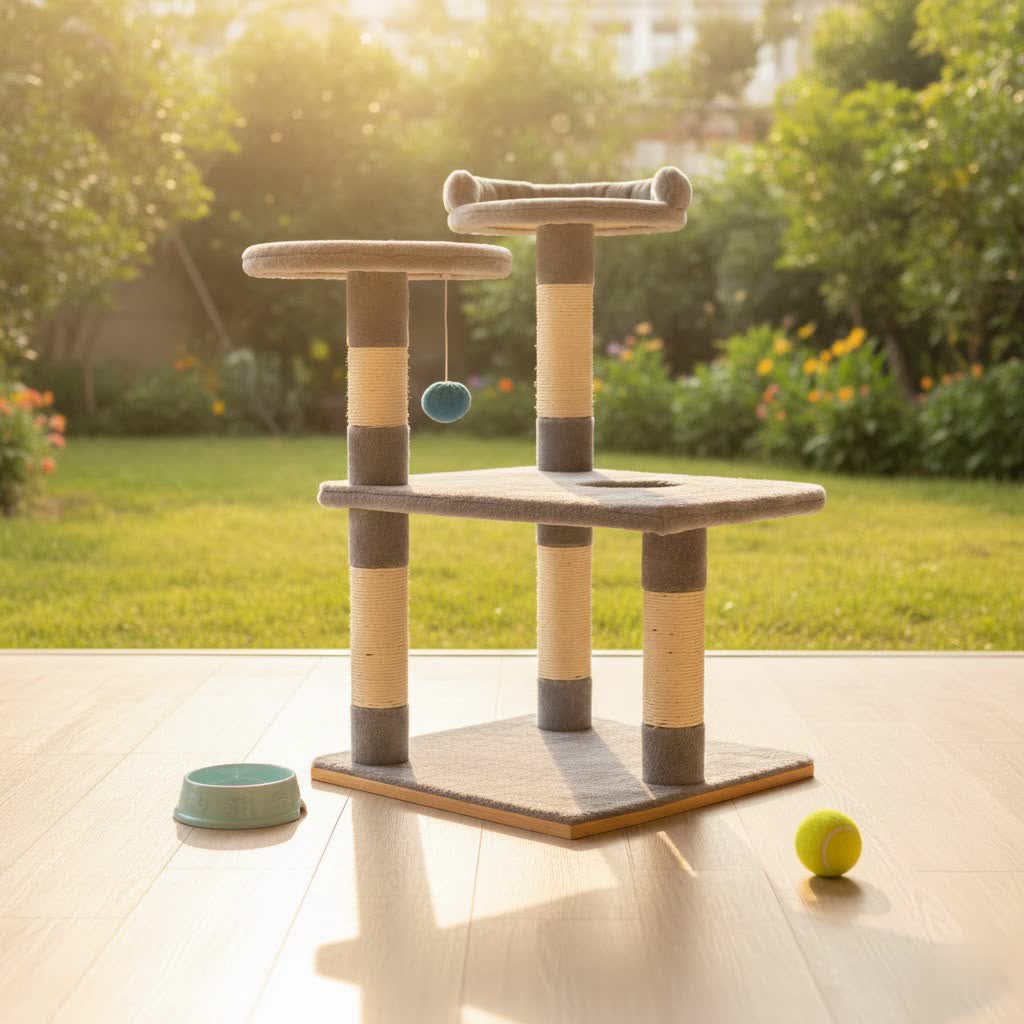
Choosing the best cat tree for your kitten involves prioritizing safety, appropriate height, and engaging features to support their physical and mental development. Kittens need a cat tree to satisfy their natural instincts to climb, scratch, and hide, which helps prevent destructive behaviors and provides a secure personal space. Key factors include a stable, wide base, non-toxic materials like sisal rope for scratching, and a height of 2-3 feet (60-90 cm) with closely spaced platforms for easy access.
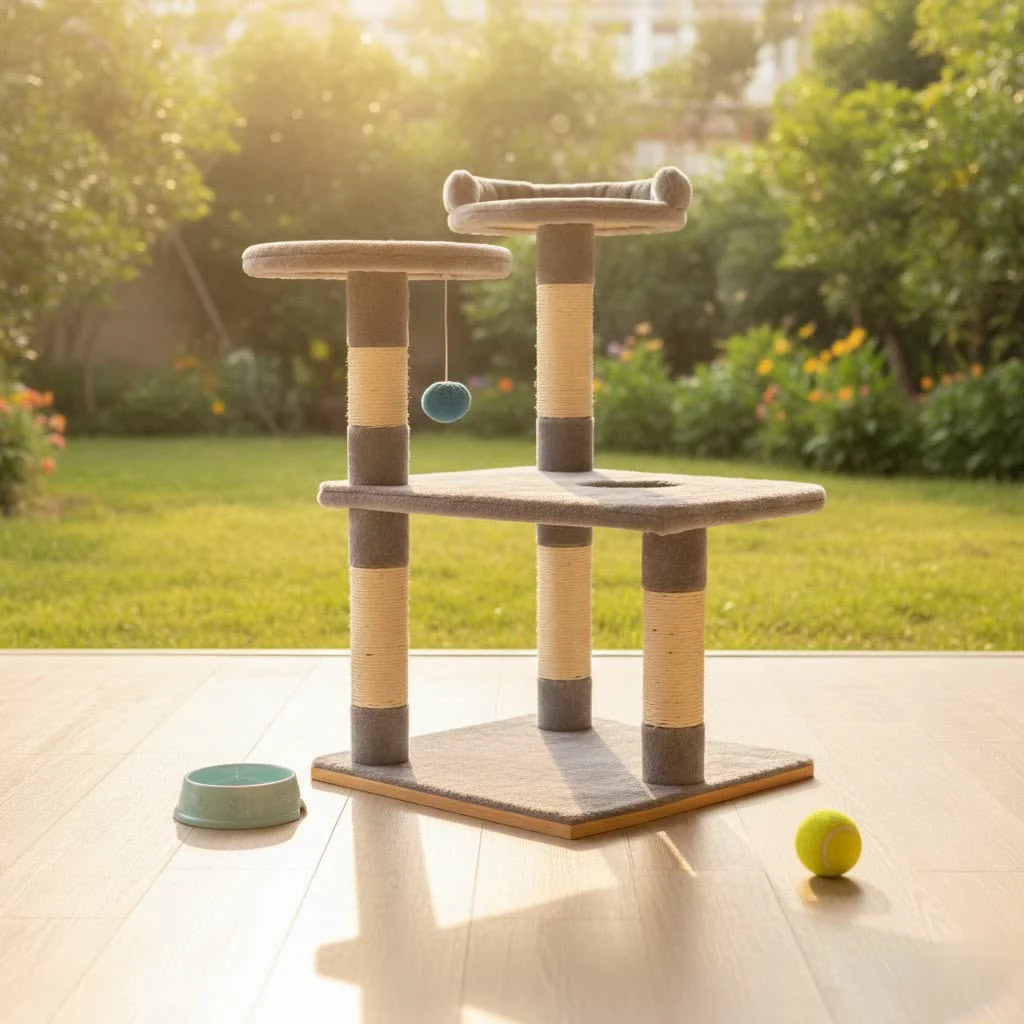
Why Do Kittens Need a Cat Tree?
Kittens are bundles of energy and instinct, constantly learning and refining their skills. A well-chosen cat tree provides a dedicated outlet for these natural behaviors, steering them away from your furniture and towards appropriate, enriching activities.
Firstly, a cat tree supports their physical development. Kittens need to climb, jump, and stretch to build strength, coordination, and balance. The various levels and posts offer a safe environment for them to practice these essential motor skills, transforming clumsy movements into agile leaps. Secondly, it provides crucial mental stimulation. The different textures, heights, and hiding spots engage their natural curiosity and hunting instincts, keeping boredom at bay. This helps prevent destructive behaviors that often stem from a lack of stimulation. Lastly, a cat tree serves as a safe haven. As both predators and prey, cats instinctively seek high perches to observe their surroundings and feel secure. A personal, elevated space reduces stress and provides a cozy spot for naps after an exhausting play session, fostering a sense of independence and comfort.
Popular Types of Cat Trees for Kittens
While the market is flooded with cat trees, certain types are particularly well-suited for the unique needs of kittens. Their smaller size and developing agility mean that safety and accessibility are paramount.
- Simple Post Cat Trees: These often feature one or two scratching posts with a small platform or perch at the top. They are excellent for very young kittens just learning to climb and scratch, offering stability without overwhelming height.
- Compact Multi-Level Cat Trees: Designed with 2-3 tiers, these trees provide more climbing opportunities and varied platforms but remain at a manageable height (typically under 3-4 feet). They often include small cubbies or hammocks perfect for a kitten’s size.
- Cat Trees with Integrated Condos/Cubbies: Many kitten-friendly trees incorporate enclosed spaces. These “condos” offer a secure, private retreat where a kitten can feel safe, nap undisturbed, or observe their surroundings from a hidden vantage point.
- Cat Trees with Ramps: Ramps provide an easier, gentler way for kittens to navigate between levels, reducing the risk of falls as they build confidence in climbing and jumping.
Comparing Kitten-Friendly Cat Tree Features
|
Our Picks for the Best Cat Tree in 2026
As an Amazon Associate I earn from qualifying purchases.
|
||
| Num | Product | Action |
|---|---|---|
| 1 | Hey-brother Wooden Cat Tree, 69.7 inch Cats Furniture Tower with Large Platforms, Hammocks, Spacious Condo, Full Sisal Scratching Posts, Ladder, Brush, Water Proof Surface, Rustic Brown MPJ121SR |

|
| 2 | Feandrea Cat Tree, 59.5-Inch Tall Cat Tower, Plush Multi-Level Condo with 5 Scratching Posts, 2 Perches, 2 Caves, Hammock, 2 Pompoms, Light Gray UPCT192W01 |
|
| 3 | Amazon Basics Cat Tree - Indoor Cat & Kittens Multi-Level Climbing Activity Tower with Scratching Posts, Large (45.9"H) - Beige |
|
| 4 | Xin Three Layer Cat Tree with Cat Condo and Two Hammocks,Grey |
|
| 5 | 37.4" Cactus Cat Tree Tower with Twin Cat Condos for Indoor Cats, All-in-One Activity Center with Cat Scratching Post Cozy Sleeping Perch Hammock and Toy Balls,Green … |
|
| 6 | Amazon Basics Cat Tree for Indoors Cats, Multi-Level Cat Tower Cat Condo with Scratching Post, Cozy Hammock and Perches for Adult Cats, Interactive Dangling Ball, L – 60.1” (152.7cm) H, Grey |
|
| 7 | Heybly Cat Tree with Toy, Cat Tower Condo for Indoor Cats, Cat House with Padded Plush Perch, Cozy Hammock and Sisal Scratching Posts, Smoky Gray HCT004SG |
|
| 8 | Globlazer Heavy Duty Cat Trees for Large Cats, Sturdy 72in Maine Coon Cat Tree for Large Cats 20 lbs+ Heavy Duty Cat Tower for Adult Biggest Cat with 6 Scratching Posts, Hammock, S72, Dark Gray |
|
| 9 | YUNIQUE Cat Tree with Cat Condo and Big Hammock, Grey |
|
| 10 | Globlazer Heavy Duty Cat Tree, 70 inch Sturdy Cat Tree for Indoor Cats Extra Large Cat Tower with Scratching Post, Hammock, Cat Condo for Adult Cats Kittens, F70 Pro, Light Grey |
|
Choosing the right cat tree involves balancing functionality, safety, and your kitten’s personality. Here’s a comparison of common features tailored for your little companion:
| Feature | Simple Post (Basic) | Compact Multi-Level | Enclosed/Condo (Cozy) |
|---|---|---|---|
| Pros | Affordable, easy assembly, great for initial scratching training, small footprint | More climbing & play, varied perches, often includes scratching surfaces, suitable for active kittens | Offers privacy & security, ideal for shy kittens, comfortable napping spots, reduces anxiety |
| Cons | Limited play options, may be outgrown quickly | Can still be challenging for very young/clumsy kittens if platforms are too far apart, might take up more space than a simple post | Less open climbing area, can be harder to clean inside cubbies, some kittens prefer open perches |
| Best For | Very young kittens (under 12 weeks), single kittens, limited space, introducing scratching | Active, growing kittens (12+ weeks), multiple kittens, encouraging varied play and climbing skills | Shy or easily overwhelmed kittens, kittens who love to hide and nap in secure spots, multi-pet households needing safe retreats |
Essential Factors When Choosing a Cat Tree for Your Kitten
The needs of a kitten differ significantly from an adult cat. Prioritizing safety and appropriate features will ensure your kitten thrives in their new environment.
- Size and Height: For kittens, lower is generally safer. Avoid overly tall structures initially, as kittens are still developing their balance and depth perception. Look for trees with platforms that are closer together, or consider a model around 2-3 feet (60-90 cm) in height. Some cat trees are designed with removable higher levels, allowing you to adapt the tree as your kitten grows more agile. The platforms and openings should be appropriately sized for a kitten to easily access without getting stuck or falling through.
- Stability and Safety: This is perhaps the most crucial factor. A wobbly cat tree can deter a kitten from using it and pose a significant injury risk. Choose a tree with a solid, wide base that prevents tipping. Ensure all connections are secure and platforms are firmly attached. Inspect the materials for sharp edges, splinters, or small detachable parts that a curious kitten might chew on or swallow. Opt for non-toxic materials for your kitten’s safety.
- Material: The materials should be durable, safe, and comfortable. Sisal rope is excellent for scratching posts, encouraging healthy claw maintenance. Soft, plush fabrics like faux fur or carpet provide cozy spots for resting and playing, being gentle on sensitive paws. Ensure the fabric is well-attached and doesn’t fray easily, as loose threads can be a choking hazard. Easy-to-clean materials are a bonus, as kittens can be messy.
- Design and Features: Look for engaging features that cater to a kitten’s playful nature. Dangling toys (securely attached, not easily ripped off), tunnels, and multiple scratching surfaces will provide endless entertainment. Cozy enclosed cubbies or hammocks offer a sense of security for napping and hiding. Ramps are also beneficial, providing an easier climb for little legs.
Your Kitten’s First Cat Tree: A Smart Buying Guide
Once you know what to look for, the actual purchasing process becomes much smoother. Consider these points to ensure a wise investment.
- Set a Budget: Cat trees vary widely in price. Determine how much you’re willing to spend, keeping in mind that a slightly higher investment for quality and durability can pay off in the long run. This is a long-term piece of furniture for your pet.
- Research Reputable Sellers: Purchase from established pet stores or online retailers known for quality pet products. Reading reviews from other kitten owners can provide valuable insights into a product’s stability, material quality, and overall kitten-friendliness.
- Read Reviews and Check Product Details: Pay close attention to descriptions that mention kitten suitability, weight limits, and material composition. Customer photos can often show the actual size and stability better than stock images. Look for feedback on ease of assembly and longevity.
- Inspect Upon Arrival: Once your cat tree arrives, thoroughly inspect all components. Check for any damage, loose parts, sharp edges, or chemical odors before assembly. Ensure all hardware is included and secure during installation.
Tips for Training Your Kitten to Use Their Cat Tree
Even the perfect cat tree might need a little introduction. Kittens are curious, but new objects can sometimes be intimidating. Here’s how to encourage your kitten to embrace their new play space:
- Strategic Placement: Place the cat tree in a location your kitten already enjoys, such as near a sunny window where they can watch birds, or in a room where you spend a lot of time. Cats appreciate being part of the family action while also having their own space. Avoid high-traffic areas where they might feel exposed.
- Use Positive Reinforcement: Make the cat tree an inviting and rewarding place. Sprinkle a little catnip on the scratching posts or platforms to entice them. Place their favorite treats on different levels to encourage exploration. Use a feather wand or laser pointer to guide them up and down the tree, turning it into a fun game. When your kitten uses the tree, offer verbal praise and gentle pets.
- Familiar Scents: Rub a towel on your kitten’s cheeks and shoulders to transfer their scent, then rub that towel on the cat tree. This helps them recognize it as part of their territory and makes it feel more familiar and safe. You can also place their favorite blanket or a small, familiar toy on a platform.
- Patience is Key: Some kittens will immediately take to their new tree, while others might need a few days or even weeks to warm up to it. Avoid forcing them onto the tree, as this can create negative associations. Continue to make it appealing with treats and play, and your kitten will eventually discover its joys.
Cleaning and Maintaining Your Kitten’s Cat Tree
A clean and well-maintained cat tree is essential for your kitten’s health and the longevity of the product. Regular upkeep prevents odors, dirt buildup, and ensures safety.
- Regular Vacuuming: Faux fur and carpeted surfaces can quickly collect loose cat hair, dander, and dust. Use a handheld vacuum or a brush attachment to vacuum the entire tree regularly, ideally once a week.
- Spot Cleaning: For spills or accidents, spot clean immediately with a pet-safe enzymatic cleaner. Avoid harsh chemicals that could be toxic to your kitten or damage the materials. Always test cleaners on an inconspicuous area first.
- Check for Wear and Tear: Regularly inspect the scratching posts for fraying sisal rope and tighten any loose screws or bolts. Replace dangling toys if they become ripped or present a choking hazard. Keeping the tree structurally sound ensures it remains a safe and enjoyable space for your kitten as they grow.
“A well-chosen cat tree is more than just furniture; it’s a vital part of a kitten’s world, offering security, exercise, and a space to truly be a cat.” – Admin, ReviewNeka.com
Conclusion
Selecting the best cat tree for your kitten is a thoughtful process, but one that brings immense rewards. By prioritizing stability, appropriate height and size, durable materials, and engaging features, you provide your tiny companion with a safe, stimulating, and comfortable environment to grow and thrive. From encouraging healthy scratching habits to offering a secure perch for observing their kingdom, a kitten-friendly cat tree is an indispensable tool for their physical and emotional well-being. This investment supports their natural instincts, protects your home, and builds their confidence, setting the stage for a happy, well-adjusted feline future.
What kind of adventures will your kitten embark on from their new cat tree?
Frequently Asked Questions
Is a cat tree truly necessary for a kitten?
Yes, a cat tree is highly beneficial for kittens. It provides essential outlets for their natural instincts to climb, scratch, and hide, supporting their physical development and mental stimulation. Without it, kittens may resort to scratching furniture or seeking unsafe high places.
How do I choose a cat tree suitable for a very young kitten?
For very young kittens (under 12-16 weeks), prioritize low-to-medium height trees (around 3-4 feet), with closely spaced platforms or ramps. Ensure maximum stability with a wide base and soft, non-toxic materials, avoiding any small detachable toys that could be swallowed.
What are the best materials for a kitten cat tree?
The best materials combine durability with comfort and safety. Sisal rope is ideal for scratching posts, while plush faux fur or soft carpet offers cozy napping spots. Ensure all materials are non-toxic, securely attached, and easy to clean, as kittens can be quite playful and sometimes messy.
How can I encourage my kitten to use its new cat tree?
To encourage use, place the cat tree in a favorite spot, like near a sunny window. Use positive reinforcement with catnip, treats, or a feather wand to guide them. Rubbing a towel with their scent on the tree can also make it feel more familiar and safe.
What height is ideal for a kitten’s first cat tree?
For a kitten’s first cat tree, an ideal height is generally 2-3 feet (60-90 cm). This lower height ensures safety as kittens develop their balance and coordination, reducing the risk of falls while still providing climbing opportunities.
How often should I clean my kitten’s cat tree?
You should vacuum your kitten’s cat tree regularly, ideally once a week, to remove loose hair and dust. Spot clean any spills or accidents immediately with a pet-safe enzymatic cleaner to maintain hygiene and prevent odors.
Frequently Asked Questions
Is a cat tree truly necessary for a kitten?
Yes, a cat tree is highly beneficial for kittens. It provides essential outlets for their natural instincts to climb, scratch, and hide, supporting their physical development and mental stimulation. Without it, kittens may resort to scratching furniture or seeking unsafe high places.
How do I choose a cat tree suitable for a very young kitten?
For very young kittens (under 12-16 weeks), prioritize low-to-medium height trees (around 3-4 feet), with closely spaced platforms or ramps. Ensure maximum stability with a wide base and soft, non-toxic materials, avoiding any small detachable toys that could be swallowed.
What are the best materials for a kitten cat tree?
The best materials combine durability with comfort and safety. Sisal rope is ideal for scratching posts, while plush faux fur or soft carpet offers cozy napping spots. Ensure all materials are non-toxic, securely attached, and easy to clean, as kittens can be quite playful and sometimes messy.
How can I encourage my kitten to use its new cat tree?
To encourage use, place the cat tree in a favorite spot, like near a sunny window. Use positive reinforcement with catnip, treats, or a feather wand to guide them. Rubbing a towel with their scent on the tree can also make it feel more familiar and safe.
What height is ideal for a kitten's first cat tree?
For a kitten's first cat tree, an ideal height is generally 2-3 feet (60-90 cm). This lower height ensures safety as kittens develop their balance and coordination, reducing the risk of falls while still providing climbing opportunities.
How often should I clean my kitten's cat tree?
You should vacuum your kitten's cat tree regularly, ideally once a week, to remove loose hair and dust. Spot clean any spills or accidents immediately with a pet-safe enzymatic cleaner to maintain hygiene and prevent odors.
Choosing a Cat Tree for Your Kitten
This guide outlines the essential steps to select a safe, stimulating, and comfortable cat tree for your new kitten, ensuring it meets their developmental needs.
Select a cat tree that is lower and safer for kittens, ideally around 2-3 feet (60-90 cm) in height. Ensure platforms are closely spaced to prevent falls as kittens develop their balance and depth perception.
Choose a cat tree with a solid, wide base to prevent tipping, which is crucial for a kitten's safety. Inspect all connections, materials for sharp edges, and ensure non-toxic components to avoid injury or ingestion.
Opt for durable, safe, and comfortable materials like sisal rope for scratching posts and plush fabrics for resting areas. Look for engaging features such as securely attached dangling toys, tunnels, and cozy enclosed cubbies to provide mental stimulation and security.
Purchase from reputable sellers and read reviews from other kitten owners to gauge product quality and suitability. Upon arrival, thoroughly inspect all components for damage, loose parts, or chemical odors before assembly to ensure it's safe for your kitten.
Place the cat tree in a strategic location your kitten enjoys, like near a sunny window. Use positive reinforcement with catnip, treats, or a feather wand to encourage exploration and create positive associations with their new play space.
Pet products vetted on real animals
Practical specs, not advice. Unsubscribe anytime.

I got this cat tree because it mentioned non-toxic materials, which is super important to me. While my kitten does use it, I found the base isn’t as wide as I’d hoped, making it feel a little less stable than I’d like when he really gets going. It’s okay for now, but I might need to upgrade to something sturdier as he grows.
This cat tree has been a lifesaver for my furniture! My kitten was constantly trying to climb the curtains, but now he’s obsessed with his new tree. The engaging features like the little dangling toy keep him entertained for ages, and it’s clearly helping him satisfy his natural instincts. Highly recommend for any kitten owner.
I was really struggling to find a cat tree that wasn’t too tall for my little guy, and the advice here about keeping it to 2-3 feet for kittens was spot on. This one is perfect! He loves the sisal rope for scratching, and it’s definitely saved my couch. Super stable too, which was a big concern for me with a rambunctious kitten.
My kitten absolutely adores his new cat tree. The closely spaced platforms make it so easy for him to climb up and down, which was a key factor for me after reading about kitten safety. He spends hours playing on it. My only minor complaint is that the fabric on one of the platforms seems a little thin, but it’s holding up so far.