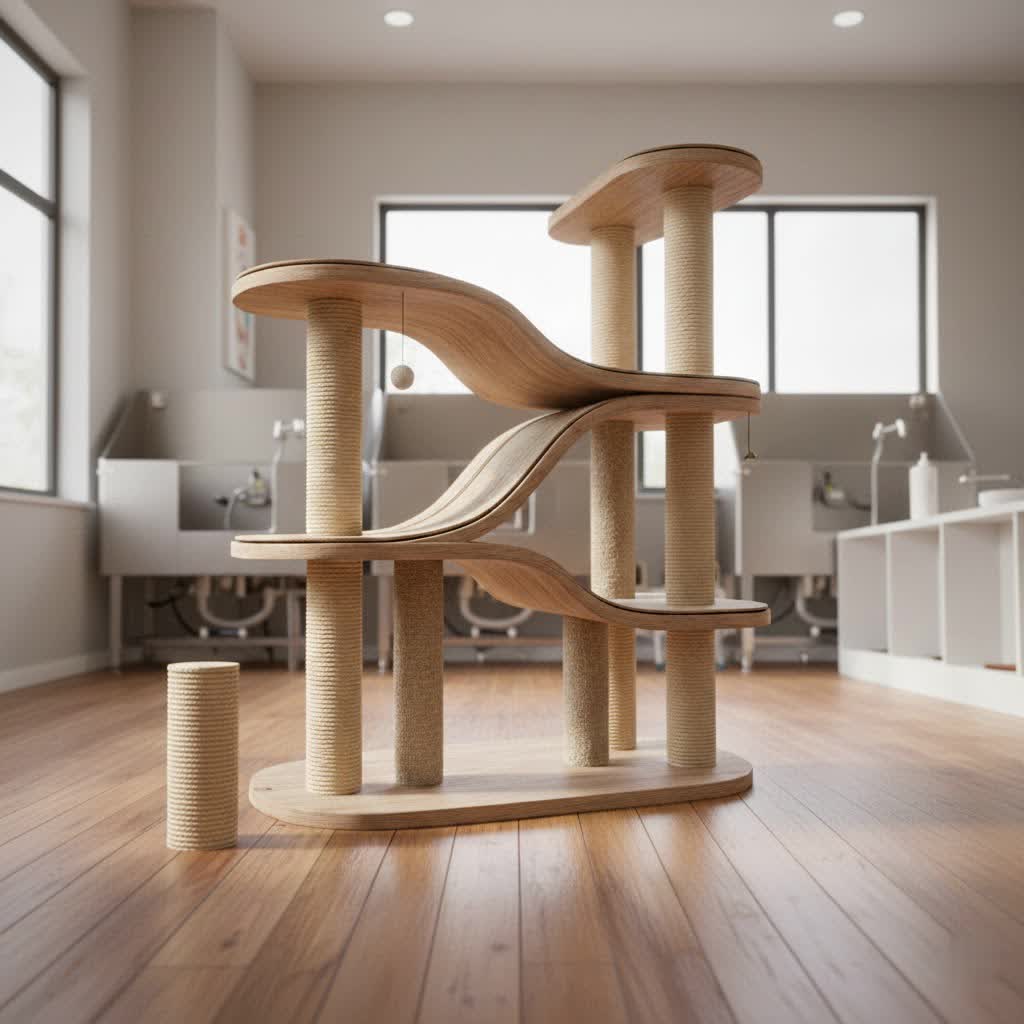
For cat owners, providing a stimulating and safe environment for our beloved felines is paramount. A wall mounted cat tree is more than just a piece of furniture; it’s an investment in your cat’s well-being, offering vertical territory that satisfies their innate desires to climb, perch, and explore. If you’re navigating the world of cat essentials, understanding the profound benefits and practical considerations of these elevated sanctuaries can help you make the best choice for your furry friend and your home.
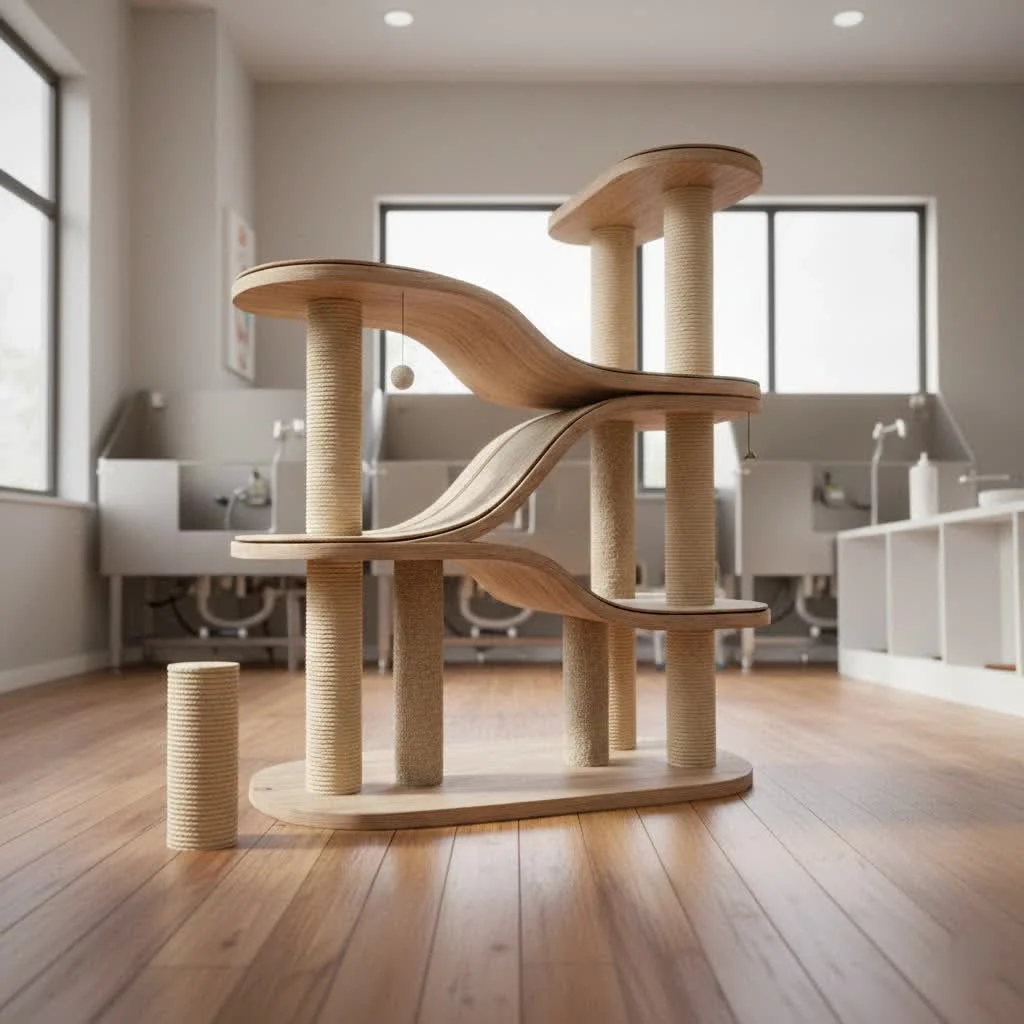
Why Do Cats Need Wall Mounted Cat Trees?
Cats are natural climbers, instinctively drawn to high vantage points for safety and observation. In a domestic setting, especially in smaller homes, wall-mounted cat trees fulfill this primal need, transforming unused vertical space into a dynamic playground. These structures are crucial for both their physical and mental health.
Firstly, they promote essential physical activity by encouraging jumping, climbing, and stretching. This regular exercise helps maintain agility, prevents obesity, and supports joint health, mitigating common issues faced by indoor cats. Secondly, vertical territory provides a secure retreat, reducing stress and anxiety. Cats can survey their surroundings from a safe distance, away from household commotion or other pets, which boosts their confidence and overall sense of control. They also offer dedicated scratching surfaces, like sisal, which helps maintain claw health and redirects destructive scratching habits away from your furniture.
Types of Wall Mounted Cat Trees
The world of wall mounted cat trees is diverse, offering a range of components and configurations to suit any cat’s preference and home aesthetic. Understanding the various types can help you design the perfect feline haven.
- Modular Shelves & Perches: These are individual platforms that can be arranged in various patterns, offering simple climbing routes and elevated lounging spots. They are highly customizable and can be added to over time.
- Integrated Condos & Hammocks: Some systems incorporate enclosed cubbies, houses, or soft hammocks, providing cozy, private hiding spots where cats can nap or feel secure.
- Scratching Posts & Bridges: Vertical sisal posts or horizontal rope bridges connect different platforms, serving as both climbing aids and essential scratching surfaces. Bridges add an element of adventure, allowing cats to traverse gaps.
- Full Wall Systems: These are comprehensive setups that combine multiple elements – shelves, perches, scratching posts, and hideaways – to create an elaborate, multi-level feline highway. Many designs are sleek and modern, blending seamlessly with contemporary decor.
Each component serves a unique purpose, catering to a cat’s instinctual behaviors, whether it’s surveying their kingdom from a perch or seeking solitude in a cozy condo.
Comparing Wall Mounted Cat Tree Components
| Feature | Simple Shelves | Multi-Level Systems | Integrated Condos/Hammocks | Scratching Posts/Bridges |
|---|---|---|---|---|
| Pros | Highly customizable, space-saving, minimalist look | Offers extensive play & lounge areas, caters to multiple cats | Provides privacy & security, cozy napping spots, reduces stress | Essential for claw health, encourages climbing, durable sisal |
| Cons | Less activity for highly energetic cats, can be less stable if not properly anchored | Requires more wall space, potentially complex installation | Can be challenging to clean, might not appeal to all cats | Primarily functional, less dedicated lounging space |
| Best For | Small spaces, single cats, owners who want flexibility | Multi-cat households, active cats, maximizing vertical space | Shy or timid cats, cats needing quiet retreats | All cats for claw maintenance and climbing |
Key Factors When Choosing a Wall Mounted Cat Tree
Selecting the ideal wall mounted cat tree involves more than just picking a visually appealing product. Several critical factors ensure you choose a safe, durable, and enjoyable structure for your feline companion.
- Size & Space: Consider the available wall space and your cat’s size and weight. Larger cats require wider, deeper shelves and more robust construction. Plan the layout carefully to ensure adequate jumping distances (typically 12-18 inches apart) and comfortable lounging areas.
- Material & Durability: Look for high-quality, non-toxic materials like solid wood (e.g., rubberwood, bamboo), sturdy engineered wood, or metal. Sisal rope is excellent for scratching posts. Plush fabric covers should be removable and washable for hygiene. The construction should be able to withstand your cat’s weight and activity without wobbling or loosening over time.
- Stability & Safety: This is paramount. A wall mounted cat tree must be securely anchored to wall studs to prevent any risk of falling. Check product specifications for weight limits and ensure the mounting hardware is suitable for your wall type (drywall, concrete, brick). Adjustable brackets can help ensure a perfect fit and increased stability.
- Design & Aesthetics: Wall-mounted cat trees come in various styles, from rustic wood to modern minimalist designs. Choose one that complements your home decor while also appealing to your cat. Some designs offer clear acrylic bowls for unique viewing experiences or integrated planters for a touch of greenery.
- Cat’s Personality & Needs: Consider your cat’s age, energy level, and temperament. Kittens and high-energy cats will thrive with multiple climbing routes and scratching opportunities, while older or timid cats may prefer lower, easily accessible platforms and private cubbies. Multiple cats benefit from varied routes to avoid conflicts.
“A well-designed wall mounted cat tree is not just furniture; it’s an extension of your cat’s natural habitat, providing mental and physical enrichment that is vital for their happiness.”
How to Purchase a Wall Mounted Cat Tree
Once you’ve considered the key factors, the purchasing process involves a few more steps to ensure you get the best value and quality.
- Budget: Wall mounted cat trees range widely in price, from simple shelves to elaborate multi-piece systems. Determine a realistic budget, remembering that investing in quality can mean greater durability and safety.
- Reputable Retailers & Brands: Purchase from trusted pet supply stores or online retailers known for quality pet furniture. Brands specializing in cat wall furniture often provide better design and robust installation components.
- Reading Reviews: Customer reviews offer invaluable insights into product quality, ease of installation, and how cats actually interact with the furniture. Pay attention to comments regarding stability, material durability, and customer service.
- Checking Quality & Weight Limits: Double-check the product description for specific weight capacities and the type of mounting hardware included. Ensure all components are present and undamaged upon delivery.
Tips for Training Your Cat to Use a Wall Mounted Cat Tree
Introducing your cat to a new wall-mounted cat tree can take time and patience. Here are some tips to encourage them to embrace their new vertical playground.
- Strategic Placement: Install the cat tree in a room where your cat already enjoys spending time, especially near a window for bird-watching or in a social area where they can observe family activities from above.
- Use Catnip & Treats: Sprinkle catnip on the shelves or place favorite treats along the climbing path to entice your cat to explore.
- Interactive Play: Use wand toys to guide your cat up and down the various levels, making it a fun and engaging experience. This helps them associate the tree with positive interactions.
- Patience & Positive Reinforcement: Never force your cat onto the tree. Let them explore at their own pace. When they use it, reward them with praise, treats, or gentle petting to create positive associations. Consistency is key to forming a new habit.
Maintenance and Care for Your Wall Mounted Cat Tree
Proper maintenance ensures the longevity of your wall mounted cat tree and a hygienic environment for your cat.
- Regular Cleaning: Vacuum soft components like carpets or cushions regularly to remove fur and dander. For solid surfaces, wipe them down with pet-safe cleaners. If cushions are removable, follow washing instructions.
- Inspecting for Wear: Periodically check all components for signs of wear and tear, such as loose screws, frayed sisal, or wobbly platforms. Address these issues promptly to maintain safety and stability.
- Replacing Parts: Many quality wall-mounted systems offer replaceable parts. If a scratching post becomes shredded or a cushion is beyond cleaning, look for replacement components to extend the life of the entire unit.
Conclusion
A thoughtfully chosen and well-installed wall mounted cat tree can significantly enhance your cat’s life, providing endless opportunities for exercise, relaxation, and observation while saving precious floor space in your home. By considering their natural instincts and your living environment, you can create a dynamic and enriching vertical sanctuary that your feline friend will cherish for years to come. Isn’t it time to let your cat reach new heights of happiness?
Frequently Asked Questions
Is a wall-mounted cat tree really necessary for cats?
|
Our Picks for the Best Cat Tree in 2026
As an Amazon Associate I earn from qualifying purchases.
|
||
| Num | Product | Action |
|---|---|---|
| 1 | Hey-brother Wooden Cat Tree, 69.7 inch Cats Furniture Tower with Large Platforms, Hammocks, Spacious Condo, Full Sisal Scratching Posts, Ladder, Brush, Water Proof Surface, Rustic Brown MPJ121SR |

|
| 2 | Globlazer Heavy Duty Cat Trees for Large Cats, Sturdy 72in Maine Coon Cat Tree for Large Cats 20 lbs+ Heavy Duty Cat Tower for Adult Biggest Cat with 6 Scratching Posts, Hammock, S72, Dark Gray |
|
| 3 | Globlazer Heavy Duty Cat Tree, 70 inch Sturdy Cat Tree for Indoor Cats Extra Large Cat Tower with Scratching Post, Hammock, Cat Condo for Adult Cats Kittens, F70 Pro, Light Grey |
|
| 4 | Amazon Basics Cat Tree for Indoors Cats, Multi-Level Cat Tower Cat Condo with Scratching Post, Cozy Hammock and Perches for Adult Cats, Interactive Dangling Ball, L – 60.1” (152.7cm) H, Grey |
|
| 5 | 37.4" Cactus Cat Tree Tower with Twin Cat Condos for Indoor Cats, All-in-One Activity Center with Cat Scratching Post Cozy Sleeping Perch Hammock and Toy Balls,Green … |
|
| 6 | Heybly Cat Tree with Toy, Cat Tower Condo for Indoor Cats, Cat House with Padded Plush Perch, Cozy Hammock and Sisal Scratching Posts, Smoky Gray HCT004SG |
|
| 7 | Xin Three Layer Cat Tree with Cat Condo and Two Hammocks,Grey |
|
| 8 | Amazon Basics Cat Tree - Indoor Cat & Kittens Multi-Level Climbing Activity Tower with Scratching Posts, Large (45.9"H) - Beige |
|
| 9 | YUNIQUE Cat Tree with Cat Condo and Big Hammock, Grey |
|
| 10 | Feandrea Cat Tree, 59.5-Inch Tall Cat Tower, Plush Multi-Level Condo with 5 Scratching Posts, 2 Perches, 2 Caves, Hammock, 2 Pompoms, Light Gray UPCT192W01 |
|
While not strictly “necessary” in the sense of basic survival, wall-mounted cat trees are highly beneficial for a cat’s physical and mental well-being, especially for indoor cats. They provide essential vertical territory, exercise opportunities, and a secure elevated retreat, fulfilling natural instincts that are often lacking in typical home environments. This can reduce stress and improve overall quality of life.
How do I choose a wall-mounted cat tree suitable for kittens or older cats?
For kittens, opt for systems with closer platform spacing (around 12 inches) and enclosed cubbies for security. Ensure all materials are non-toxic. For older or disabled cats, prioritize easy accessibility with ramps or closely spaced steps, comfortable lounging surfaces, and robust stability to prevent falls. Avoid very high jumps or narrow perches.
What are the best materials for a wall-mounted cat tree?
The best materials combine durability, safety, and ease of cleaning. Solid wood (like rubberwood or bamboo) and high-quality engineered wood are excellent for platforms and structures. Sisal rope is ideal for scratching posts due to its texture and durability. Soft, washable fabrics like plush or canvas are good for cushions and hammocks. Avoid flimsy materials or those with strong chemical odors.
How much weight can wall-mounted cat shelves hold?
The weight capacity of wall-mounted cat shelves varies significantly by product and installation. High-quality shelves securely mounted into wall studs can typically hold between 50 to 85 pounds, ensuring safety for even large cat breeds or multiple cats. Always check the manufacturer’s specific weight limit and follow installation instructions carefully, especially for drywall installations, to ensure maximum stability.
Pet products vetted on real animals
Practical specs, not advice. Unsubscribe anytime.
