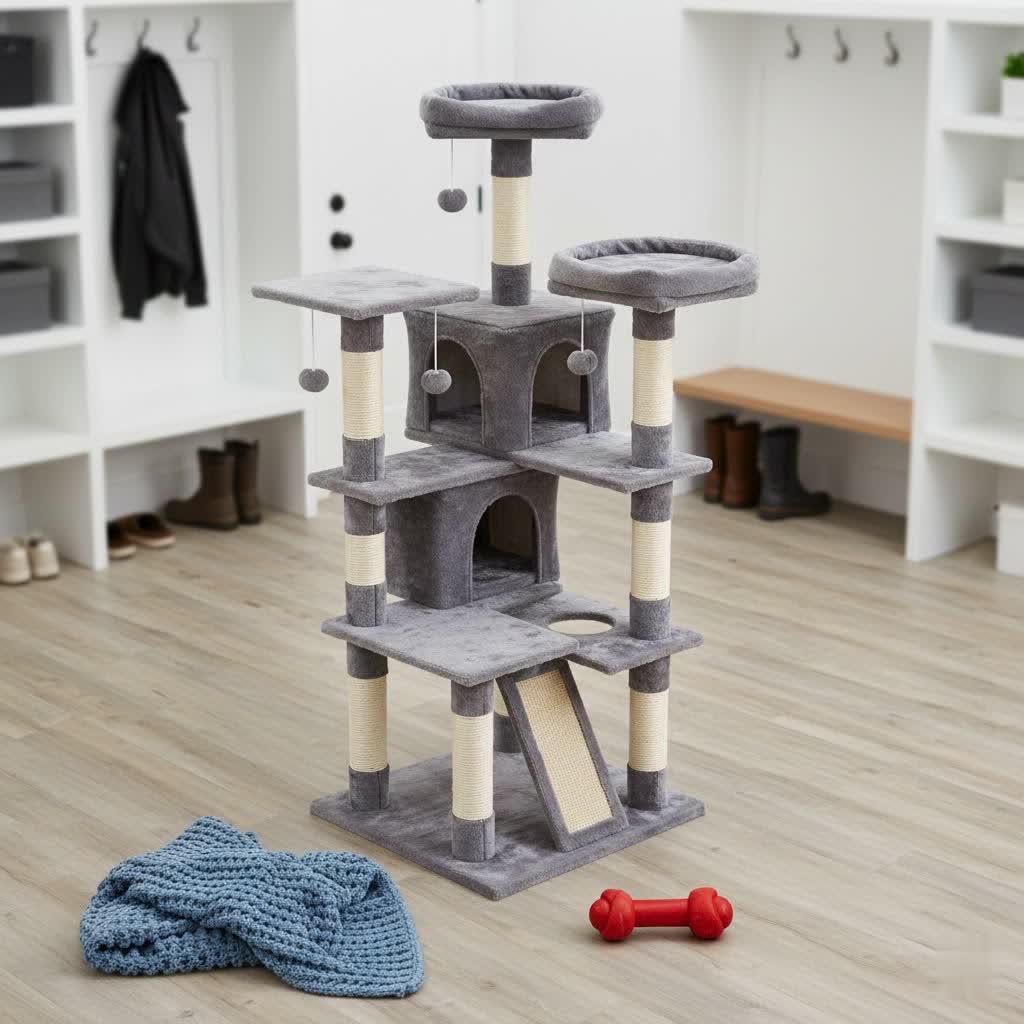
Choosing the right cat tree for your beloved feline companion is more than just buying a piece of furniture; it’s an investment in their health, happiness, and overall well-being. For those who want to combine essential feline enrichment with a touch of charm and personality in their home decor, a pink cat tree offers an irresistible blend of function and aesthetic appeal. These vibrant structures provide a dedicated space for your cat to play, explore, and relax, all while adding a delightful pop of color to your living space.
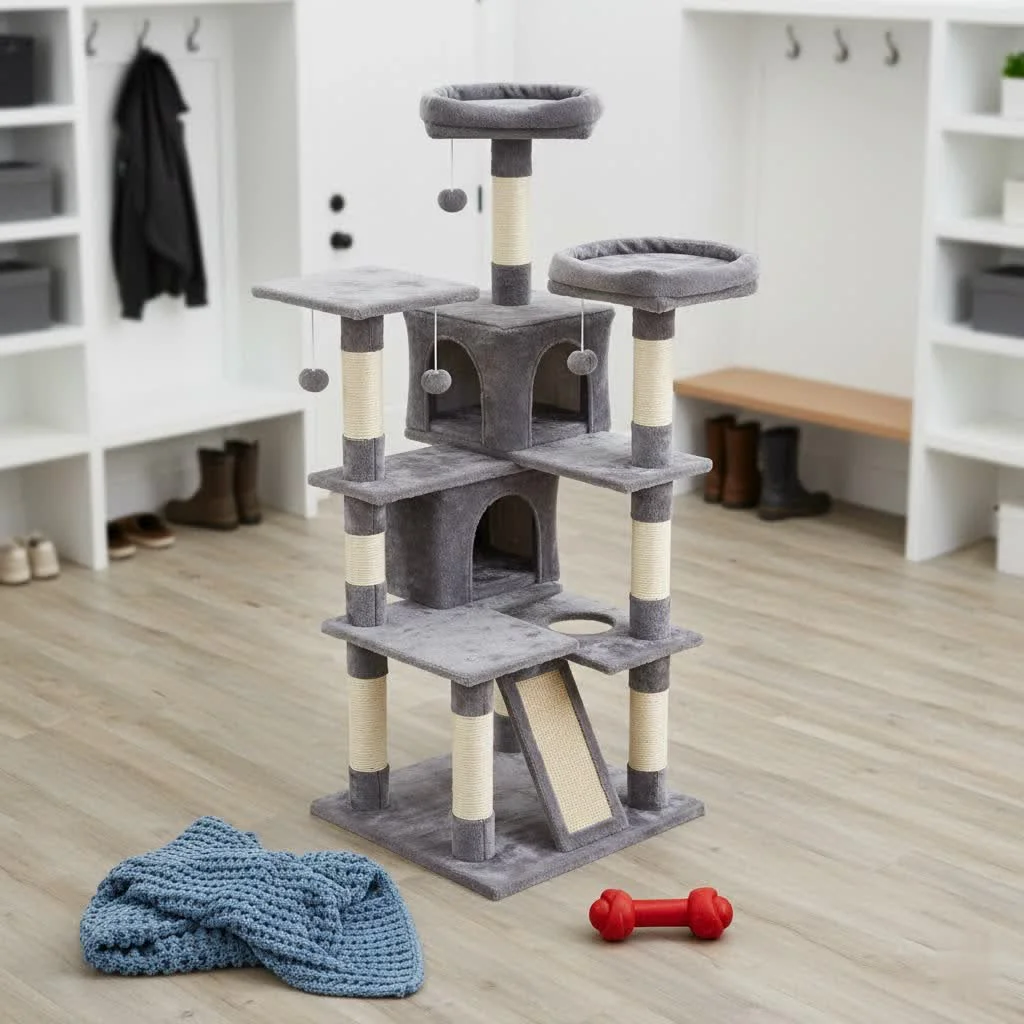
Why Do Cats Need a Cat Tree?
Cats, by nature, are climbers, scratchers, and observers. A well-designed cat tree caters to these innate instincts, offering numerous benefits for both their physical and mental health. Providing a cat tree can help fulfill your cat’s natural desire to climb and perch in high places, giving them a sense of security and a vantage point to survey their territory. It offers a safe and appropriate outlet for scratching, diverting their claws from your furniture and promoting healthy nail maintenance. Regular climbing and jumping also provide essential exercise, helping to keep your cat physically fit and preventing boredom and stress. Moreover, the various levels and hiding spots within a cat tree offer a private sanctuary where your cat can retreat, nap, and feel undisturbed. For shop curated cat tree on this site.
Popular Types of Cat Trees
Cat trees come in a wide array of designs, each offering different features and catering to various feline preferences and home environments. Understanding the common types can help you choose the ideal pink cat tree for your pet.
- Simple Column Cat Trees: These are typically single-post structures, often featuring one or two small platforms and a scratching post. They are ideal for kittens or cats who prefer minimalist designs and are perfect for smaller spaces.
- Multi-Level Cat Trees: Ranging from medium to extra-large, these trees boast several platforms, perches, and sometimes multiple condos or hammocks. They are designed for active cats, multi-cat households, or those who enjoy extensive climbing and exploration. Many pink cat trees fall into this category, offering varied activity zones.
- Cat Trees with Integrated Condos/Hideaways: These structures prioritize privacy and comfort, featuring enclosed cubbies or small houses where cats can feel secure and enjoy undisturbed naps. These are especially beneficial for shy or anxious cats who appreciate a cozy retreat.
- Wall-Mounted Cat Trees: A space-saving solution, wall-mounted cat trees utilize vertical space and can be customized to create unique climbing paths. They are excellent for small apartments or for adding an adventurous element to your cat’s environment without occupying floor space.
Comparing Different Cat Trees
When selecting a cat tree, especially a pink one, it’s helpful to compare the features and suitability of different types.
| Feature | Simple Column | Multi-Level | With Condos | Wall-Mounted |
|---|---|---|---|---|
| Pros | Affordable, compact, easy assembly | Ample space for activity, diverse features, multiple cats | Offers privacy, security, cozy resting spots | Space-saving, customizable, modern aesthetic |
| Cons | Limited activity, less stimulating for active cats | Can be bulky, takes up floor space, more complex assembly | May lack extensive climbing or scratching surfaces | Requires installation, less portable, may need professional help |
| Best For | Kittens, small cats, limited spaces | Active cats, multiple cats, large homes | Shy cats, cats needing secure retreats | Small apartments, modern homes, adventurous cats |
Important Factors When Choosing a Cat Tree
Beyond the appealing pink hue, several critical factors ensure you select a cat tree that is safe, stimulating, and durable for your feline companion.
- Size: Consider both your living space and your cat’s size. A small pink cat tree is ideal for compact apartments, while larger, multi-level structures are better suited for bigger homes and more active cats or multiple felines. Ensure platforms are spacious enough for your cat to comfortably lounge.
- Material: The materials used directly impact comfort, durability, and safety. Look for soft, plush fabrics for lounging areas, such as faux fur or carpet, which are often used in pink designs. Scratching posts should be wrapped with durable materials like natural sisal rope or jute to encourage healthy scratching habits. The frame material, typically particle board or solid wood, should be sturdy and non-toxic.
- Stability: This is paramount for your cat’s safety. A well-constructed cat tree should have a wide, heavy base to prevent wobbling or tipping, especially when cats jump on or off. Many models include anti-tilt devices or wall anchors for added stability, which is crucial for taller trees.
- Design: While the pink color is a primary design choice here, also consider the overall aesthetic. Floral-inspired pink cat trees are popular for their whimsical appeal. Look for features like cozy hideaways, elevated perches, dangling toys, and multiple scratching surfaces that will keep your cat engaged and happy.
Guide to Buying a Pink Cat Tree
Making an informed purchase involves several steps to ensure you get the best value and quality.
- Budget: Determine how much you’re willing to spend. Pink cat trees vary widely in price based on size, materials, and features. There are options for every budget, from simple posts to elaborate multi-level towers.
- Where to Buy: Reputable pet stores, both physical and online, offer a wide selection. Online retailers often provide more variety in styles, including niche options like pink cat trees, and competitive pricing. Look for stores with good return policies.
- Read Reviews: Customer reviews offer invaluable insights into the product’s actual quality, ease of assembly, and how cats respond to it. Pay attention to comments regarding stability, material durability, and overall feline appeal. Reviews frequently highlight aspects like “sturdy” and “easy to assemble” as key positives.
- Quality Check: Before purchasing, or upon arrival, inspect the product. Ensure all parts are included, the materials feel robust, and there are no sharp edges or loose components that could harm your cat. Check that plush coverings are securely attached.
Tips for Training Your Cat to Use a Cat Tree
Some cats immediately take to a new tree, while others might need a little encouragement, especially if they’ve been used to scratching furniture.
- Strategic Placement: Place the pink cat tree in an area where your cat already likes to spend time, perhaps near a window for bird-watching or in a communal living space where they feel part of the family.
- Use Catnip: Sprinkling catnip on the scratching posts or platforms can make the tree instantly more appealing and encourage exploration.
- Positive Reinforcement: When your cat interacts with the tree, whether by scratching or climbing, offer praise, treats, or gentle pets. Positive association makes them more likely to use it again.
- Playtime: Use interactive toys, like a feather wand, to lead your cat up and down the tree, making it a fun and engaging place to be.
- Patience is Key: Some cats take time to adjust. Be patient and consistent, and avoid forcing your cat onto the tree, which could create a negative association.
Cleaning and Maintaining Your Pink Cat Tree
Keeping your pink cat tree clean ensures a hygienic environment for your cat and prolongs the life of the product. The lighter color of a pink tree might show dirt or fur more readily, making regular cleaning important.
- Regular Vacuuming: Use a handheld vacuum or a brush attachment to remove loose fur, dust, and debris from all surfaces, especially plush areas and inside condos.
- Spot Cleaning: For spills or accidents, use a damp cloth with a mild, pet-friendly cleaner. Avoid harsh chemicals that could be toxic to your cat or damage the material. Many pink cat trees feature easy-clean plush materials.
- Check for Damage: Regularly inspect scratching posts for wear and tear. Some cat trees allow for replacement of worn-out sisal sections. Also, check for any loose screws or unstable platforms and tighten or repair as needed.
- Deep Cleaning: Occasionally, a more thorough cleaning may be necessary. Some cat trees have removable, machine-washable cushions, making this process easier.
“A well-chosen cat tree, especially one that fits your home’s aesthetic like a charming pink design, is not just furniture; it’s a vital part of creating a stimulating and secure environment where your cat can truly thrive.” – Admin of ReviewNeka.com
Conclusion
A pink cat tree is more than a trendy decor item; it’s a thoughtful choice that prioritizes your cat’s natural instincts while enhancing your home’s appeal. By providing a dedicated space for climbing, scratching, playing, and resting, you contribute significantly to your cat’s physical health and emotional well-being. From understanding the various types and materials to considering stability and engaging your cat through training, every step ensures a rewarding experience for both of you. With proper care and maintenance, your chosen pink cat tree will provide endless joy and comfort for your furry family member. So, are you ready to add a splash of playful pink to your cat’s world and watch them flourish?
Frequently Asked Questions
Is a Cat Tree truly necessary for cats?
|
Our Picks for the Best Cat Tree in 2026
As an Amazon Associate I earn from qualifying purchases.
|
||
| Num | Product | Action |
|---|---|---|
| 1 | YUNIQUE Cat Tree with Cat Condo and Big Hammock, Grey |

|
| 2 | Amazon Basics Cat Tree - Indoor Cat & Kittens Multi-Level Climbing Activity Tower with Scratching Posts, Large (45.9"H) - Beige |
|
| 3 | Heybly Cat Tree with Toy, Cat Tower Condo for Indoor Cats, Cat House with Padded Plush Perch, Cozy Hammock and Sisal Scratching Posts, Smoky Gray HCT004SG |
|
| 4 | Globlazer Heavy Duty Cat Tree, 70 inch Sturdy Cat Tree for Indoor Cats Extra Large Cat Tower with Scratching Post, Hammock, Cat Condo for Adult Cats Kittens, F70 Pro, Light Grey |
|
| 5 | 37.4" Cactus Cat Tree Tower with Twin Cat Condos for Indoor Cats, All-in-One Activity Center with Cat Scratching Post Cozy Sleeping Perch Hammock and Toy Balls,Green … |
|
| 6 | Feandrea Cat Tree, 59.5-Inch Tall Cat Tower, Plush Multi-Level Condo with 5 Scratching Posts, 2 Perches, 2 Caves, Hammock, 2 Pompoms, Light Gray UPCT192W01 |
|
| 7 | Globlazer Heavy Duty Cat Trees for Large Cats, Sturdy 72in Maine Coon Cat Tree for Large Cats 20 lbs+ Heavy Duty Cat Tower for Adult Biggest Cat with 6 Scratching Posts, Hammock, S72, Dark Gray |
|
| 8 | Amazon Basics Cat Tree for Indoors Cats, Multi-Level Cat Tower Cat Condo with Scratching Post, Cozy Hammock and Perches for Adult Cats, Interactive Dangling Ball, L – 60.1” (152.7cm) H, Grey |
|
| 9 | Xin Three Layer Cat Tree with Cat Condo and Two Hammocks,Grey |
|
| 10 | Hey-brother Wooden Cat Tree, 69.7 inch Cats Furniture Tower with Large Platforms, Hammocks, Spacious Condo, Full Sisal Scratching Posts, Ladder, Brush, Water Proof Surface, Rustic Brown MPJ121SR |
|
Yes, a cat tree is highly beneficial for cats. It satisfies their natural instincts to climb, scratch, and observe from high vantage points, promoting physical exercise and mental stimulation. This helps prevent boredom, reduces destructive scratching of furniture, and provides a secure personal space for your cat to relax.
How do I choose a pink cat tree suitable for a kitten?
For kittens, prioritize smaller, stable pink cat trees with multiple low-level platforms and gentle ramps to aid climbing. Look for soft, plush materials and plenty of sisal scratching surfaces suitable for tiny claws. Ensuring it has cozy hideaways will make them feel secure as they grow.
What is the best material for a pink cat tree?
The best pink cat trees typically combine several materials. Sturdy engineered wood or solid wood frames provide stability. Scratching posts should be wrapped in natural sisal rope for durability and effective claw sharpening. Plush faux fur or soft carpet covers platforms and condos for comfort and warmth.
Pet products vetted on real animals
Practical specs, not advice. Unsubscribe anytime.
