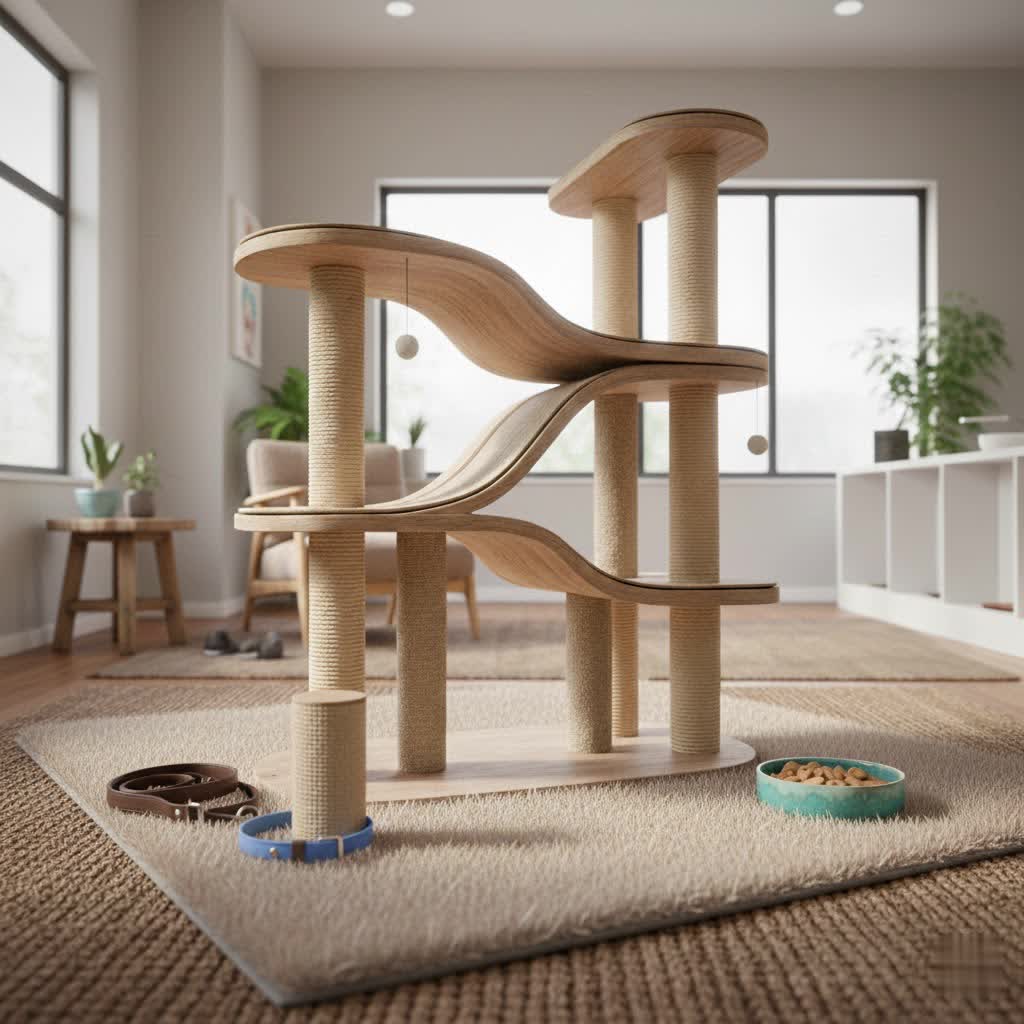
Every cat owner knows the innate joy a feline brings into their home. Yet, alongside the purrs and playful pounces, there often comes the natural, yet sometimes destructive, urge to scratch. Investing in a high-quality cat tree scratching post isn’t just about providing a distraction; it’s about nurturing your cat’s natural instincts, promoting their well-being, and safeguarding your cherished furniture. With over a decade of experience in pet supplies, especially with cat trees, I’ve seen firsthand how the right scratching solution can transform both a cat’s life and a household’s harmonyLet’s examine what makes a cat tree scratching post an essential part of every feline-friendly home.
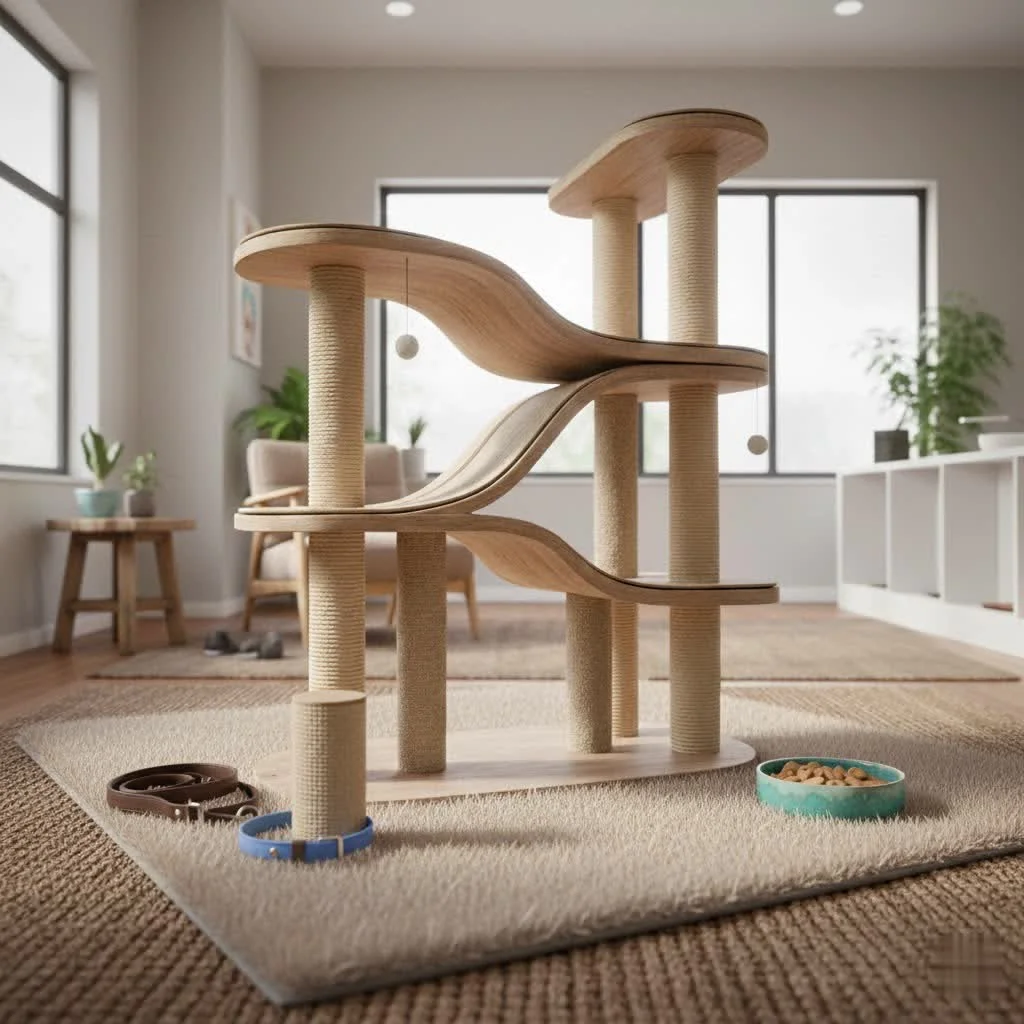
Why Your Feline Friend Absolutely Needs a Cat Tree Scratching Post
Scratching is far more than just a habit for cats; it’s a deeply ingrained instinct crucial for their physical and mental health. A dedicated cat tree scratching post provides a healthy outlet for these vital behaviors, benefiting your cat in multiple ways. For explore our cat tree reviews on this site.
Firstly, scratching is fundamental for claw health and maintenance. When cats dig their claws into a surface, they shed the dead outer layers, revealing the sharper, healthier claws beneath. This natural manicure prevents overgrown nails and keeps them in prime condition for climbing and playing. Secondly, a tall and sturdy cat tree scratching post allows your cat a full, satisfying physical stretch, from nose to tail. This stretching helps maintain spinal flexibility, strengthens their muscles, and improves overall agility, contributing to their physical well-being.
Beyond physical benefits, scratching serves as a powerful stress reliever and emotional outlet. Whether your cat is feeling excited, anxious, or simply needs to release pent-up energy, scratching provides a constructive way to express these emotions. It’s also a key method for territory marking. Cats have scent glands in their paws, and when they scratch, they leave their unique scent, signaling their presence and ownership to other cats in the household. Perhaps most importantly for owners, providing an attractive cat tree scratching post is the most effective way to protect your furniture from unwanted claw marks, redirecting this natural behavior to an appropriate, designated area.
Exploring the Diverse World of Cat Tree Scratching Posts
The market offers a wide array of scratching solutions, from minimalist posts to elaborate feline playgrounds. Understanding the different types helps you choose one that best suits your cat’s preferences and your living space.
Simple scratching posts are often vertical, single-column structures covered in sisal or carpet. They are ideal for cats who primarily enjoy vertical scratching and stretching. Some cats, however, prefer to scratch horizontally, akin to tearing up a carpet. For these felines, horizontal scratchers, often flat or angled cardboard-based pads, are perfect. You might also find vertical cardboard scratchers, which combine the appealing texture of cardboard with an upright scratching surface.
For homes with multiple cats, active felines, or those who love to climb and observe their surroundings from above, multi-level cat trees with integrated scratchers are a fantastic option. These structures often feature multiple platforms, cozy condos, hammocks, and perches, all while incorporating scratching surfaces on their posts. This provides a comprehensive environment for play, rest, and natural scratching behavior. For those with limited floor space, wall-mounted scratchers offer a creative solution, allowing you to utilize vertical wall space for scratching without cluttering the floor.
Comparing Cat Tree Scratching Post Options
Choosing the right scratching solution depends on various factors, including your cat’s personality, your living situation, and your budget. Here’s a comparison to help you weigh the options:
| Feature | Simple Post | Multi-Level Cat Tree | Wall-Mounted Scratcher | Cardboard Scratcher |
|---|---|---|---|---|
| Pros | Affordable, space-saving (single) | Comprehensive enrichment, climbing, multiple activity zones | Space-saving, customizable height, sleek aesthetic | Inexpensive, replaceable, satisfying texture, often reversible |
| Cons | Limited features/climbing, may bore active cats | Large footprint, higher cost, can dominate a room | Installation required, less mobility, fixed location | Less durable, can be messy with cardboard debris, not for climbing |
| Best For | Small spaces, single cats, specific vertical scratching needs | Multi-cat households, active and playful cats, vertical explorers | Modern homes, maximizing floor space, cats that prefer height | Kittens, temporary solutions, variety for picky cats, budget-conscious owners |
Key Factors for Choosing the Perfect Cat Tree Scratching Post
Selecting the ideal cat tree scratching post involves more than just picking the prettiest option. Considering these critical factors will ensure your investment is one your cat will truly love and use.
First, consider the size and stability of the post. A vertical scratching post must be tall enough for your cat to fully stretch out, typically at least 28-36 inches for an adult cat. If a cat cannot get a full stretch, they might not use it. Equally important is a solid, weighted base that prevents the post from tipping over, especially when your cat is enthusiastically scratching or launching off it. An unstable post can deter a cat from using it and even pose a safety risk.
Next, the material matters significantly. Sisal is a highly favored material for its durability and satisfying texture. Within sisal, you’ll find two main types: sisal rope and sisal fabric. While sisal rope is common, sisal fabric is often preferred because it allows claws to slide through easily, shredding satisfyingly without snagging. Corrugated cardboard is another popular choice, especially for horizontal scratchers. It’s inexpensive, creates a pleasing sound when scratched, and is easily replaceable. Materials like carpet are generally less ideal as they can confuse cats, making it harder for them to differentiate between their scratcher and your living room rug.
Finally, pay attention to orientation preferences. Cats often have distinct preferences for scratching vertically, horizontally, or at an angle. If your cat tends to scratch table legs or door frames, a vertical post is likely best. If they attack carpets, a horizontal scratcher is a good fit. Offering a variety of orientations can maximize the chances your cat will use the designated scratchers. Don’t forget about design and aesthetics – modern cat trees and scratching posts are available in countless styles that can blend seamlessly with your home decor, sometimes even looking like stylish furniture pieces rather than typical pet accessories.
Your Guide to Buying the Best Cat Tree Scratching Post
Navigating the options for cat tree scratching posts can be overwhelming. Here’s how to approach your purchase intelligently.
Start by setting a budget. Cat tree scratching posts range widely in price, from simple cardboard scratchers costing a few dollars to elaborate, multi-level cat trees that can be several hundred. Knowing your budget helps narrow down your choices. Next, consider where to purchase. Reputable pet stores, both brick-and-mortar and online, are excellent places to start. Online retailers often offer a wider selection and competitive pricing, while physical stores allow you to inspect the product’s quality and stability firsthand.
The importance of reading reviews cannot be overstated. Other cat owners’ experiences can provide invaluable insights into a product’s durability, whether cats actually use it, and how easy it is to assemble or clean. Look for consistent positive feedback regarding sturdiness, material quality, and cat appeal. Finally, always inspect the quality and safety of the product, especially if buying in person. Check for any sharp edges, loose components, or flimsy construction that could pose a risk to your cat. Ensure the materials are non-toxic and durable enough to withstand vigorous scratching.
Training Your Cat to Love Their New Scratching Post
Even the perfect cat tree scratching post won’t be used if your cat isn’t properly introduced to it. With a little patience and strategic encouragement, you can easily train your feline friend.
Strategic placement is key. Observe where your cat currently enjoys scratching (even if it’s your couch!) and place the new scratching post nearby. Cats often like to scratch immediately after waking up, so placing a scratcher near their favorite sleeping spot can be highly effective. Prominent locations where your cat spends a lot of time, like near a window or in the living room, are also ideal.
Next, use attractants to pique their interest. Sprinkle catnip on the scratching surface, or use a catnip spray. Some cats respond better to silver vine or other cat-attracting herbs, so experimenting can be beneficial. You can also use toys, such as a feather wand or laser pointer, to encourage playtime around and on the scratching post, allowing their claws to naturally engage with the material.
Positive reinforcement and patience are paramount. Whenever you see your cat scratching the post, offer immediate praise, a tasty treat, or a short play session. This positive association will encourage them to repeat the desired behavior. Discouraging unwanted scratching on furniture should be done gently. If you catch your cat scratching an inappropriate surface, gently redirect them to their cat tree scratching post. Avoid punishment, as this can create negative associations and cause stress. Instead, make unwanted surfaces less appealing with double-sided tape or aluminum foil, while making the scratcher irresistible.
Maintaining Your Cat Tree Scratching Post for Lasting Joy
Proper maintenance ensures your cat’s scratching post remains a safe, inviting, and durable resource for years to come.
Regular cleaning routines are essential. Cat trees and scratching posts can accumulate fur, claw sheaths, and dust. Use a vacuum cleaner with a brush attachment to routinely remove loose fur and debris from all surfaces. For any specific stains or accidents, use a pet-safe cleaner, ensuring it’s non-toxic and doesn’t leave behind any irritating residues.
Be prepared for replacing worn components. Sisal and cardboard, while durable, will eventually show signs of wear. Many modern cat trees offer replaceable sisal covers or cardboard inserts, allowing you to refresh the scratching surface without buying an entirely new unit. Regularly inspect the post for any loose parts, wobbly platforms, or frayed materials, and repair or replace them promptly to maintain stability and safety.
Conclusion
Providing a cat tree scratching post is a loving investment in your feline’s happiness and health, protecting both their natural instincts and your home. From maintaining sharp claws and promoting physical exercise to relieving stress and marking territory, a dedicated scratching solution is indispensable. By carefully considering factors like size, material, and placement, and by using positive reinforcement, you can ensure your cat not only uses but truly loves their scratching post. These versatile pieces of cat furniture seamlessly integrate into your home, offering endless hours of enjoyment for your cat while preserving the integrity of your belongings. What essential features are you looking for in your next cat tree scratching post to best support your feline friend’s natural behaviors?
Frequently Asked Questions
Is a cat tree scratching post truly necessary for my cat?
|
Our Picks for the Best Cat Tree in 2026
As an Amazon Associate I earn from qualifying purchases.
|
||
| Num | Product | Action |
|---|---|---|
| 1 | Heybly Cat Tree with Toy, Cat Tower Condo for Indoor Cats, Cat House with Padded Plush Perch, Cozy Hammock and Sisal Scratching Posts, Smoky Gray HCT004SG |

|
| 2 | Hey-brother Wooden Cat Tree, 69.7 inch Cats Furniture Tower with Large Platforms, Hammocks, Spacious Condo, Full Sisal Scratching Posts, Ladder, Brush, Water Proof Surface, Rustic Brown MPJ121SR |
|
| 3 | 37.4" Cactus Cat Tree Tower with Twin Cat Condos for Indoor Cats, All-in-One Activity Center with Cat Scratching Post Cozy Sleeping Perch Hammock and Toy Balls,Green … |
|
| 4 | Globlazer Heavy Duty Cat Tree, 70 inch Sturdy Cat Tree for Indoor Cats Extra Large Cat Tower with Scratching Post, Hammock, Cat Condo for Adult Cats Kittens, F70 Pro, Light Grey |
|
| 5 | Amazon Basics Cat Tree for Indoors Cats, Multi-Level Cat Tower Cat Condo with Scratching Post, Cozy Hammock and Perches for Adult Cats, Interactive Dangling Ball, L – 60.1” (152.7cm) H, Grey |
|
| 6 | Amazon Basics Cat Tree - Indoor Cat & Kittens Multi-Level Climbing Activity Tower with Scratching Posts, Large (45.9"H) - Beige |
|
| 7 | Globlazer Heavy Duty Cat Trees for Large Cats, Sturdy 72in Maine Coon Cat Tree for Large Cats 20 lbs+ Heavy Duty Cat Tower for Adult Biggest Cat with 6 Scratching Posts, Hammock, S72, Dark Gray |
|
| 8 | Xin Three Layer Cat Tree with Cat Condo and Two Hammocks,Grey |
|
| 9 | YUNIQUE Cat Tree with Cat Condo and Big Hammock, Grey |
|
| 10 | Feandrea Cat Tree, 59.5-Inch Tall Cat Tower, Plush Multi-Level Condo with 5 Scratching Posts, 2 Perches, 2 Caves, Hammock, 2 Pompoms, Light Gray UPCT192W01 |
|
Absolutely! Scratching is a natural and essential behavior for cats, crucial for maintaining claw health, stretching muscles, marking territory, and relieving stress. A dedicated cat tree scratching post provides a healthy outlet for these instincts, preventing destructive scratching on your furniture.
How tall should a cat scratching post be?
A vertical scratching post should be tall enough to allow your cat to fully stretch out their body while scratching. For most adult cats, this means a post that is at least 28-36 inches (71-91 cm) in height to accommodate a complete, satisfying stretch.
What is the best material for a cat scratching post?
Sisal (especially sisal fabric) and corrugated cardboard are widely considered the best materials. Sisal is durable and offers a satisfying texture, while cardboard is inexpensive and cats love the sound and feel of shredding it. Avoid carpeted posts as they can confuse cats.
Can I use multiple types of scratchers?
Yes, it is highly recommended to provide a variety of scratching options. Cats often have preferences for both vertical (like posts) and horizontal (like flat cardboard scratchers) surfaces. Offering a mix increases the likelihood your cat will use appropriate scratchers throughout your home.
How often should I replace a scratching post?
The frequency of replacement depends on the material and how heavily your cat uses it. Cardboard scratchers may need replacing every few weeks to months, while sisal posts can last much longer, sometimes years. Replace any part that becomes unstable, excessively worn, or no longer appealing to your cat.
Pet products vetted on real animals
Practical specs, not advice. Unsubscribe anytime.

I’ve always known scratching was important, but I didn’t realize how much it contributed to their mental health until reading this. I used to just have a small cardboard scratcher, but after seeing the benefits of a full cat tree, I upgraded. My cat seems so much happier and more engaged now. It’s definitely worth it for their well-being.
I was so tired of my sofa looking like a war zone! This guide really helped me understand why my cat, Mittens, was scratching everything. I ended up getting a tall cat tree with multiple scratching posts, and it’s been a game-changer. She loves climbing it and has completely stopped attacking the furniture. Highly recommend making this investment!
My two cats, Leo and Luna, have very different scratching preferences. One likes vertical, the other horizontal. This post gave me some great ideas for multi-level cat trees that incorporate both. I found a great option that has both sisal and carpeted areas, and they both seem to be enjoying it. My only minor complaint is that assembly was a bit tricky.
The information here about different materials was super helpful. I got a sisal rope post, and while my cat uses it, I wish it was a bit sturdier. It wobbles a little when he really gets going, which makes me nervous. Next time I’ll definitely look for something with a heavier base, even if it costs a bit more.