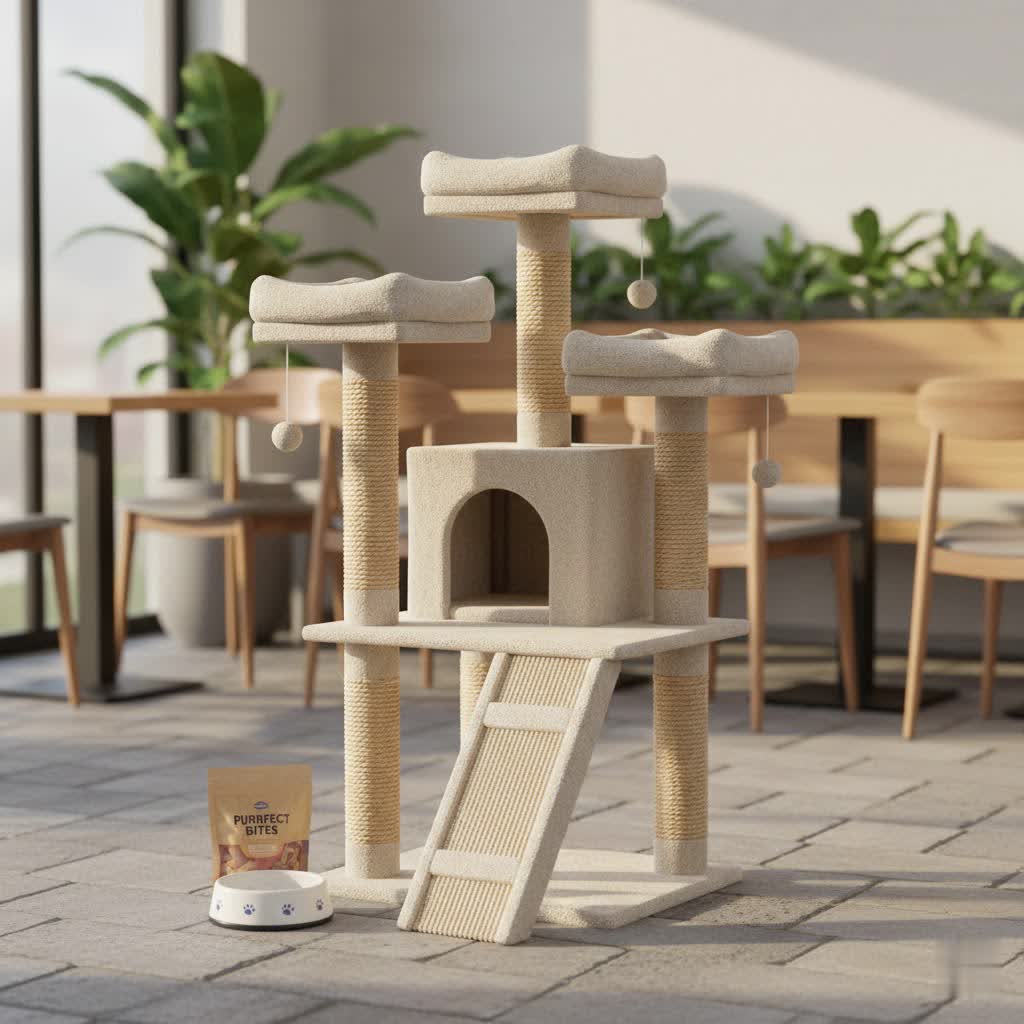
Providing an enriching environment for our feline friends is essential for their happiness and well-being. For cat owners with access to outdoor space, an outdoor cat tree isn’t just a luxury; it’s a vital investment in your cat’s physical and mental health. These structures offer a safe, stimulating haven where cats can embrace their natural instincts, enjoy fresh air, and survey their surroundings from a comfortable vantage point. This guide will help you navigate the options and select the perfect outdoor cat tree to enhance your beloved pet’s life.
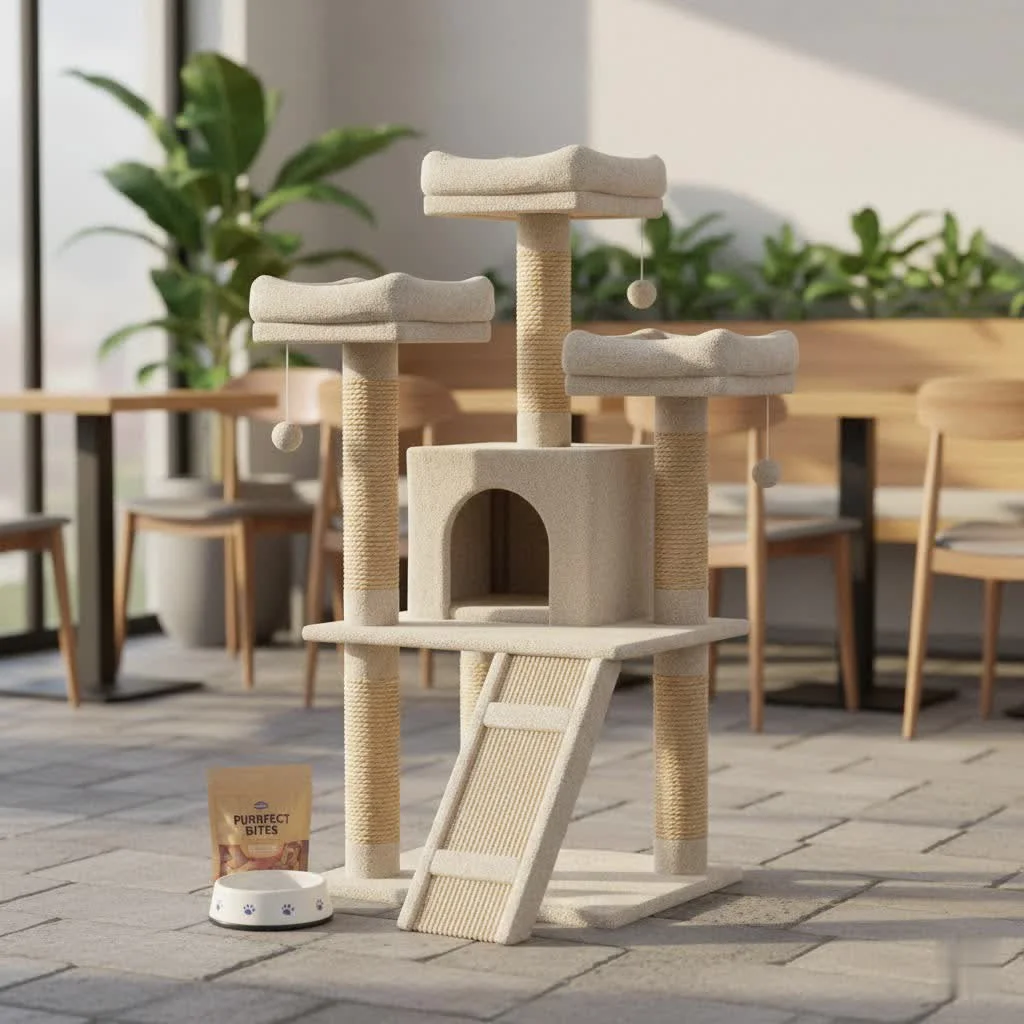
Why Cats Need Outdoor Cat Trees
Cats are natural explorers and climbers, driven by instincts that often go unfulfilled in indoor environments. An outdoor cat tree provides a dedicated space where your cat can engage in these innate behaviors safely and securely, contributing significantly to their overall health. For see our cat tree recommendations on this site.
Firstly, these trees promote essential physical activity. Cats can climb, jump, and stretch, which helps maintain their agility, coordination, and muscle strength. This exercise is crucial for preventing obesity and related health issues. Secondly, an outdoor cat tree offers immense mental stimulation. The ever-changing sights, sounds, and smells of the outdoors engage a cat’s senses in ways indoor spaces cannot, reducing boredom and preventing destructive behaviors often stemming from a lack of stimulation. They can watch birds, feel the breeze, and bask in the sunshine, satisfying their predatory instincts from a safe perch. Lastly, outdoor cat trees provide designated scratching surfaces, redirecting this natural behavior away from your outdoor furniture and helping to keep their claws healthy.
Popular Types of Outdoor Cat Trees
The world of outdoor cat trees is diverse, offering various designs to suit different spaces and feline personalities. Understanding the common types can help you find the best fit for your cat and yard.
- Simple Outdoor Scratching Posts/Columns: These are the most basic forms, often featuring a single sturdy post wrapped in weather-resistant sisal rope. They are excellent for cats who primarily need a dedicated scratching area and a simple elevated perch.
- Multi-level Outdoor Towers: These structures offer several platforms, perches, and sometimes small enclosures at varying heights. They cater to adventurous cats who love to climb and observe their territory from different vantage points, providing ample opportunity for vertical exploration.
- Outdoor Cat Condos/Houses: Designed with enclosed spaces, these cat trees offer sheltered hideaways, making them perfect for cats who appreciate privacy or need protection from the elements. They often combine perches with cozy, weather-protected dens.
- Catio-Integrated Structures: These are not standalone trees but rather components designed to be installed within a larger cat enclosure (a “catio”). They blend seamlessly into the catio environment, offering climbing, perching, and scratching opportunities within a fully secure outdoor space.
Comparing Outdoor Cat Tree Types
Choosing the right type depends on your cat’s preferences, your outdoor space, and your budget. Here’s a comparison to help you decide:
| Feature | Simple Scratching Post | Multi-level Tower | Outdoor Condo/House | Catio-Integrated |
|---|---|---|---|---|
| Pros | Cost-effective, compact, easy to move | Varied activity, good for multiple cats | Shelter, privacy, weather protection | Maximum safety, integrated enrichment |
| Cons | Limited activity, less weather protection | Can be bulky, requires high stability | Less open climbing space | Requires existing catio or additional setup |
| Best for | Small spaces, single cat, primary scratching needs | Active cats, multiple cats, diverse climbing needs | Shy cats, areas with unpredictable weather | Ultimate secure outdoor experience, customizable |
Important Factors When Choosing an Outdoor Cat Tree
Selecting an outdoor cat tree requires careful consideration of several key elements to ensure it is safe, durable, and enjoyable for your cat. Investing time in this decision will guarantee years of outdoor pleasure for your feline friend.
Size
|
Our Picks for the Best Cat Tree in 2026
As an Amazon Associate I earn from qualifying purchases.
|
||
| Num | Product | Action |
|---|---|---|
| 1 | Heybly Cat Tree with Toy, Cat Tower Condo for Indoor Cats, Cat House with Padded Plush Perch, Cozy Hammock and Sisal Scratching Posts, Smoky Gray HCT004SG |

|
| 2 | Hey-brother Wooden Cat Tree, 69.7 inch Cats Furniture Tower with Large Platforms, Hammocks, Spacious Condo, Full Sisal Scratching Posts, Ladder, Brush, Water Proof Surface, Rustic Brown MPJ121SR |
|
| 3 | Feandrea Cat Tree, 59.5-Inch Tall Cat Tower, Plush Multi-Level Condo with 5 Scratching Posts, 2 Perches, 2 Caves, Hammock, 2 Pompoms, Light Gray UPCT192W01 |
|
| 4 | Globlazer Heavy Duty Cat Tree, 70 inch Sturdy Cat Tree for Indoor Cats Extra Large Cat Tower with Scratching Post, Hammock, Cat Condo for Adult Cats Kittens, F70 Pro, Light Grey |
|
| 5 | Amazon Basics Cat Tree for Indoors Cats, Multi-Level Cat Tower Cat Condo with Scratching Post, Cozy Hammock and Perches for Adult Cats, Interactive Dangling Ball, L – 60.1” (152.7cm) H, Grey |
|
| 6 | Amazon Basics Cat Tree - Indoor Cat & Kittens Multi-Level Climbing Activity Tower with Scratching Posts, Large (45.9"H) - Beige |
|
| 7 | 37.4" Cactus Cat Tree Tower with Twin Cat Condos for Indoor Cats, All-in-One Activity Center with Cat Scratching Post Cozy Sleeping Perch Hammock and Toy Balls,Green … |
|
| 8 | YUNIQUE Cat Tree with Cat Condo and Big Hammock, Grey |
|
| 9 | Xin Three Layer Cat Tree with Cat Condo and Two Hammocks,Grey |
|
| 10 | Globlazer Heavy Duty Cat Trees for Large Cats, Sturdy 72in Maine Coon Cat Tree for Large Cats 20 lbs+ Heavy Duty Cat Tower for Adult Biggest Cat with 6 Scratching Posts, Hammock, S72, Dark Gray |
|
The size of your outdoor cat tree should correspond to both your cat’s physique and the available space in your yard, patio, or balcony. A tree should be tall enough for your cat to stretch and climb comfortably, yet stable enough to withstand enthusiastic play. For multiple cats, ensure there are enough platforms and hideaways to prevent territorial disputes, generally recommending a larger structure with diverse spaces. Always measure your outdoor area to guarantee a proper fit, allowing adequate room for your cat to jump and play around the tree.
Materials
The longevity and safety of an outdoor cat tree depend heavily on its construction materials. Unlike indoor trees, outdoor versions must endure varying weather conditions. Look for weather-resistant woods such as cedar, redwood, pine, oak, or birch, which are naturally rot and insect-resistant or have been treated for outdoor use. Treated plywood can also be a durable and budget-friendly alternative for platforms and enclosures. For scratching posts, marine-grade sisal rope is crucial as it withstands moisture better than standard sisal and offers the coarse texture cats love. Avoid untreated particle board or carpet, as these materials will quickly deteriorate and harbor mold outdoors. Any fabrics used for perches or hammocks should be UV-resistant and waterproof or water-repellent, ensuring they do not fade, rot, or become waterlogged.
Stability
Outdoor cat trees must possess superior stability to prevent tipping, especially in windy conditions or during energetic play. A wide, heavy base made from solid, weather-resistant materials is paramount. Look for designs with multiple anchor points if possible, or consider models that can be secured to the ground for added safety. All platforms, perches, and connectors should be firmly attached with robust, rust-resistant hardware. A wobbly tree poses a significant safety risk, so always prioritize models known for their sturdy construction.
Durability
Durability goes hand-in-hand with material choice and construction quality. An outdoor cat tree should be built to last through sun, rain, and temperature fluctuations. Check for features like reinforced joints, quality fasteners, and finishes that protect the materials from environmental damage. High-quality craftsmanship will extend the lifespan of the tree, making it a worthwhile investment that continues to provide a safe and engaging space for your cat for many years.
Design and Features
Beyond basic functionality, consider the design elements that will enhance your cat’s experience. Look for a variety of platforms at different heights, providing elevated vantage points and cozy spots for napping. Enclosed condos or cubbies offer private retreats, which are especially valued by shy cats or those seeking shelter from the elements. Multiple scratching posts wrapped in durable sisal are a must for claw maintenance. Ramps can aid older or less agile cats in reaching higher levels. Integrated toys, such as dangling ropes or balls, add an extra layer of engagement. Finally, consider how the tree’s aesthetic design will integrate with your existing outdoor decor.
How to Buy an Outdoor Cat Tree
Purchasing an outdoor cat tree involves more than just picking the first one you see. A thoughtful approach ensures you get a quality product that will keep your cat happy and safe.
Determine Your Budget
Outdoor cat trees vary widely in price, depending on size, materials, and features. Establish a realistic budget that reflects the quality and durability you desire. While it might be tempting to opt for the cheapest option, remember that a more robust, weather-resistant tree is a longer-term investment that will save you money on replacements and ensure your cat’s safety and comfort.
Where to Buy
You can find outdoor cat trees at specialized pet supply stores, garden centers, or online retailers. Online platforms often offer a broader selection and competitive pricing, but be sure to check seller reputations. Look for stores that clearly differentiate between indoor and outdoor models, highlighting weather-resistant features. Some companies specialize in outdoor cat enclosures or “catios” and may offer integrated or custom tree solutions.
Read Reviews
Customer reviews are an invaluable resource. Pay close attention to feedback regarding the tree’s performance in different weather conditions, ease of assembly, material quality, and long-term durability. Look for reviews that mention how the tree holds up against rain, sun exposure, and wind. Photos from other customers can also give you a better idea of the product’s true appearance and stability.
Inspect Carefully
Before or after purchase, thoroughly inspect the cat tree. Check for any loose parts, sharp edges, or splintering wood that could harm your cat. Confirm that all components fit together securely and that the base feels stable. Verify that the materials are indeed weather-resistant as advertised, and that any fabric elements are securely attached and suitable for outdoor use. If assembling it yourself, ensure all hardware is present and the instructions are clear.
Tips for Training Your Cat to Use an Outdoor Cat Tree
Introducing a new cat tree, especially an outdoor one, can sometimes require a little coaxing. With patience and positive reinforcement, your cat will soon consider it their favorite outdoor spot.
First, strategic placement is key. Position the cat tree in an area where your cat already enjoys spending time outdoors, perhaps near a window they like to look out of, or in a sheltered corner of the patio. Ensure it offers a good view, as cats love to observe their territory.
Next, make it irresistible. Sprinkle some catnip on the platforms, place a few favorite treats on different levels, or hang some enticing toys from the perches. These attractants can pique your cat’s curiosity and encourage initial exploration.
When your cat interacts with the tree, even just sniffing it, offer positive reinforcement. Use verbal praise, gentle petting, or small treats to create a positive association. Avoid forcing your cat onto the tree, as this can create negative feelings.
Finally, be patient. Some cats adapt quickly, while others need more time. Consistent encouragement and a welcoming environment will eventually lead your cat to embrace their new outdoor haven.
Cleaning and Maintaining Your Outdoor Cat Tree
Regular cleaning and maintenance are crucial for preserving the hygiene, safety, and longevity of your outdoor cat tree, especially given its exposure to the elements. A well-maintained tree ensures a healthy and inviting space for your feline companion.
Start with regular cleaning by vacuuming or brushing off loose fur, dirt, leaves, and debris frequently. For deeper cleaning, especially after rain or dusty periods, wipe down hard surfaces with a damp cloth and a pet-safe cleaner. Any fabric elements should be cleaned according to their material, ideally with water-resistant cleaning solutions. Avoid harsh chemicals that could be toxic to your cat.
Inspect the tree regularly for any signs of wear and tear. Check for loose screws, wobbly platforms, splintering wood, or frayed sisal rope. Tighten any fasteners, sand down rough spots, and replace heavily worn sisal rope promptly. Many cat trees offer replaceable parts, or you can purchase sisal rope for DIY repairs.
During periods of extreme weather, such as heavy rain, snow, or intense sun, consider using a weatherproof cover to protect the tree. This proactive step can significantly extend its lifespan and prevent premature deterioration. Periodically, you might consider bringing smaller trees indoors for thorough drying or deep cleaning in a well-ventilated area.
“An outdoor cat tree is more than just a play structure; it’s a sanctuary that connects your cat with the natural world, fostering both physical vitality and mental tranquility.”
Conclusion
Providing an outdoor cat tree is a wonderful way to enrich your cat’s life, offering them a safe and stimulating environment to explore, play, and relax in the fresh air. By carefully considering factors like size, durable weather-resistant materials, and robust stability, you can select a tree that stands the test of time and perfectly suits your feline friend’s needs. Regular cleaning and maintenance will ensure this beloved structure remains a clean, safe, and inviting haven for years to come. Isn’t it time to give your cherished companion the gift of their own outdoor adventure?
Frequently Asked Questions
Is an outdoor cat tree truly necessary for my cat?
While not every cat requires one, an outdoor cat tree significantly enhances a cat’s physical and mental well-being by providing opportunities for climbing, scratching, and observing nature. It helps fulfill natural instincts, reduces boredom, and offers a safe way for cats to enjoy the stimulating outdoor environment.
What’s the best material for an outdoor cat tree?
The best materials for outdoor cat trees are weather-resistant options like cedar, redwood, or pressure-treated pine for the frame, along with treated plywood for platforms. For scratching posts, marine-grade sisal rope is ideal due to its durability and resistance to moisture. UV-resistant and waterproof fabrics are also crucial for any soft surfaces.
How often should I clean an outdoor cat tree?
Regular maintenance, such as vacuuming and spot cleaning, should be done weekly to remove debris and loose fur. A deeper clean with pet-safe solutions is recommended monthly, or more frequently after heavy rain or if you notice significant dirt buildup. Regular checks for wear and tear are also essential for safety.
Pet products vetted on real animals
Practical specs, not advice. Unsubscribe anytime.
