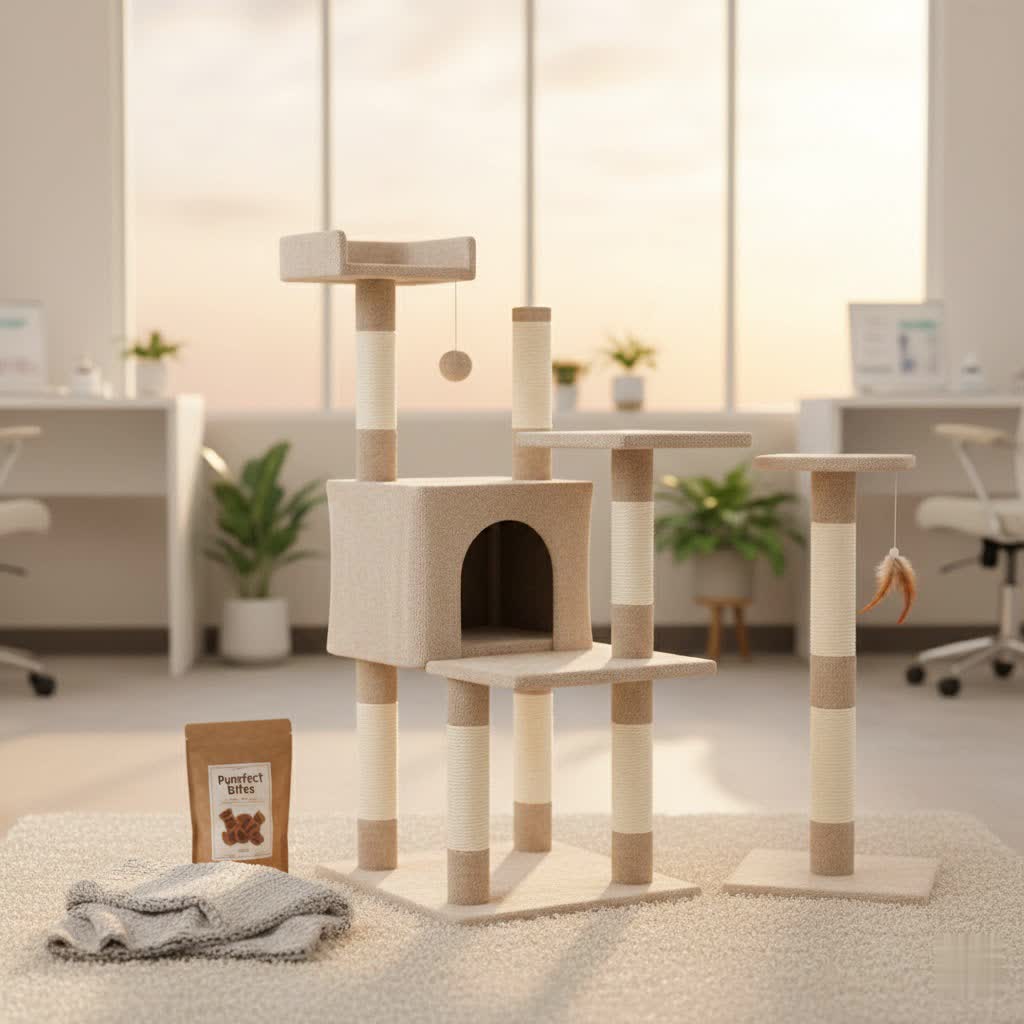
For those of us who share our homes with magnificent large felines like Maine Coons, Ragdolls, or Norwegian Forest Cats, a standard cat tree simply won’t suffice. These majestic companions require more than just a plaything; they need a robust, spacious, and stable “cat palace” designed to support their size and energy. Investing in the right cat tree for your big cat is an investment in their health, happiness, and overall well-being. This guide will help you navigate the essential features and considerations to make the smartest choice for your larger-than-life friend.
Why Do Large Cats Need a Special Cat Tree?
The importance of a cat tree for a feline’s physical and mental health cannot be overstated, and this is especially true for large cats. Standard cat trees, often built with smaller, lighter cats in mind, can pose significant issues for bigger breeds. A flimsy tree might wobble precariously or even tip over, turning what should be a safe haven into a dangerous obstacle. This instability can deter your cat from using it, or worse, lead to injury. For cat tree buying guides on this site.
A well-designed cat tree provides a multitude of benefits tailored to large felines. It offers ample space for vigorous exercise, allowing your cat to climb, jump, and stretch their muscles, which is crucial for maintaining a healthy weight and joint flexibility. The various levels and perches satisfy their natural instinct to survey their territory from a high vantage point, reducing stress and increasing their sense of security. Thick, durable scratching posts offer an appropriate outlet for sharpening claws, protecting your furniture from damage, and promoting paw health. Ultimately, a sturdy cat tree ensures your large cat has a secure, stimulating, and comfortable personal space where they can thrive.
Key Features to Look for in a Large Cat Tree
When selecting a cat tree for your substantial feline, certain features are non-negotiable to ensure safety, comfort, and longevity. Prioritizing these elements will guarantee you find a product that stands up to the playful antics and impressive stature of your big cat.
Stability & Durability
The foundation of any good cat tree for a large cat is its stability and durability. You need a structure that can withstand considerable weight and vigorous activity without wobbling or toppling. Look for a cat tree with a high weight capacity, ideally exceeding your cat’s actual weight, to ensure it can safely support them as they leap and lounge. Thick, reinforced sisal posts, often 5 inches or more in diameter, are crucial, as they provide robust support and a satisfying scratching surface that won’t quickly fray or break. A sturdy, extra-large, and heavy baseboard is paramount for preventing tipping, especially during “zoomies” or multi-cat play. Furthermore, examine the construction materials; solid wood or high-quality manufactured wood frames are superior to particle board, offering unmatched strength and longevity. Finally, pay attention to the hardware: strong fixing components, such as M8 or M10 screws and durable ABS plastic connections, ensure the entire structure remains securely fastened over time. Even hammocks designed for large cats should be heavy-duty, often incorporating metal rings for added security.
Size & Comfort
|
Our Picks for the Best Cat Tree in 2026
As an Amazon Associate I earn from qualifying purchases.
|
||
| Num | Product | Action |
|---|---|---|
| 1 | Amazon Basics Cat Tree for Indoors Cats, Multi-Level Cat Tower Cat Condo with Scratching Post, Cozy Hammock and Perches for Adult Cats, Interactive Dangling Ball, L – 60.1” (152.7cm) H, Grey |

|
| 2 | Globlazer Heavy Duty Cat Tree, 70 inch Sturdy Cat Tree for Indoor Cats Extra Large Cat Tower with Scratching Post, Hammock, Cat Condo for Adult Cats Kittens, F70 Pro, Light Grey |
|
| 3 | Xin Three Layer Cat Tree with Cat Condo and Two Hammocks,Grey |
|
| 4 | Feandrea Cat Tree, 59.5-Inch Tall Cat Tower, Plush Multi-Level Condo with 5 Scratching Posts, 2 Perches, 2 Caves, Hammock, 2 Pompoms, Light Gray UPCT192W01 |
|
| 5 | YUNIQUE Cat Tree with Cat Condo and Big Hammock, Grey |
|
| 6 | Hey-brother Wooden Cat Tree, 69.7 inch Cats Furniture Tower with Large Platforms, Hammocks, Spacious Condo, Full Sisal Scratching Posts, Ladder, Brush, Water Proof Surface, Rustic Brown MPJ121SR |
|
| 7 | 37.4" Cactus Cat Tree Tower with Twin Cat Condos for Indoor Cats, All-in-One Activity Center with Cat Scratching Post Cozy Sleeping Perch Hammock and Toy Balls,Green … |
|
| 8 | Heybly Cat Tree with Toy, Cat Tower Condo for Indoor Cats, Cat House with Padded Plush Perch, Cozy Hammock and Sisal Scratching Posts, Smoky Gray HCT004SG |
|
| 9 | Amazon Basics Cat Tree - Indoor Cat & Kittens Multi-Level Climbing Activity Tower with Scratching Posts, Large (45.9"H) - Beige |
|
| 10 | Globlazer Heavy Duty Cat Trees for Large Cats, Sturdy 72in Maine Coon Cat Tree for Large Cats 20 lbs+ Heavy Duty Cat Tower for Adult Biggest Cat with 6 Scratching Posts, Hammock, S72, Dark Gray |
|
Beyond stability, a large cat tree must accommodate your cat’s significant size comfortably. Standard platforms and perches are often too small, leaving large cats hanging over the edges or unable to properly stretch out. Seek out cat trees with spacious platforms, perches, and condos that allow your feline friend to fully recline and relax without restriction. If your cat enjoys hammocks, ensure they are generously sized, with 18-inch options or larger providing ample room for a big cat to curl up. The overall height of the tree should also offer multiple levels for climbing and exploration, catering to their natural desire for vertical space. For covering materials, opt for high-quality, dense plush fabric (e.g., 21.2 oz/yd²) that is soft, durable, and easy to clean, providing a cozy and inviting surface for naps and lounging.
Scratching Surfaces
Large cats tend to scratch with more intensity than their smaller counterparts, making robust scratching surfaces essential. A superior cat tree for big cats will feature natural sisal rope that is meticulously glued from top to bottom on the posts, preventing it from unraveling quickly. The more scratching posts, the better, as this provides multiple outlets for their natural scratching instincts, helping to maintain healthy claws and diverting their attention from your household furniture.
Popular Types of Cat Trees for Large Felines
Just as there are diverse personalities among cats, there are various styles of cat trees to suit different preferences and home layouts. When choosing for a large cat, the underlying principle remains stability and spaciousness, but the design can vary.
- Multi-level Towers: These are the most common and often feature several platforms, perches, and sometimes condos stacked vertically. They are excellent for active large cats and multi-cat households, providing ample climbing and lounging options.
- Corner Cat Trees: Designed to fit snugly into a corner, these trees maximize space efficiency while often offering superior stability due to their unique geometry. They can be a great option for larger homes where a significant cat tree might otherwise feel intrusive. The “Corner Cat XXL” models are specifically engineered with wide bases and thick posts to handle larger felines.
- Floor-to-Ceiling Cat Trees: These expansive trees are anchored to both the floor and the ceiling, providing unparalleled stability and height. They are ideal for extremely active or very large cats, offering maximum vertical territory and a true climbing adventure. However, they require careful installation and a suitable ceiling height.
- Cat Trees with Integrated Condos/Hideaways: Many large cat trees include enclosed spaces or private “condos” where shy or anxious cats can retreat and feel secure. These provide a cozy, dark spot for napping and offer a sense of privacy, which is particularly beneficial for cats that prefer solitude.
Comparison Table: Cat Tree Types for Large Cats
| Feature | Multi-level Tower | Corner Cat Tree | Floor-to-Ceiling | Cat Tree with Condos |
|---|---|---|---|---|
| Pros | Maximizes vertical space, various activity options for active cats | Fits efficiently into room corners, often very stable with a large footprint | Provides ultimate height and supreme stability (due to anchoring) | Offers private, secure hideaways for retreat and comfort |
| Cons | Can be bulky if not corner-placed or in a small room | Limited in terms of placement options within a room | Requires careful installation and ceiling anchoring, may not be suitable for all homes | Can be heavier; might have fewer open perches if condos dominate the design |
| Best For | Active large cats, multi-cat households needing diverse play areas | Optimizing space in larger rooms, high stability needs, providing a focal point | Extremely active or very large cats, those seeking the highest vantage point possible | Shy or anxious large cats, those who highly value enclosed, secure spaces for resting |
Choosing the Right Cat Tree for Your Home and Cat
Selecting the perfect cat tree involves more than just picking a pretty model; it requires careful consideration of your living space and your cat’s individual needs.
First, measure your available space carefully. A large cat tree demands a significant footprint, so ensure you have enough room without obstructing walkways or other furniture. Consider the height as well, especially if opting for a floor-to-ceiling model.
Next, think about your cat’s personality. Is your feline a daring climber who loves to survey their kingdom from the highest point, or are they a shy observer who prefers cozy hideaways? An active cat will appreciate numerous levels and perches, while a more timid one might benefit from enclosed condos and lower, secure lounging spots.
If you have a multi-cat household, you’ll likely need a larger, more robust tree with multiple perches and hideaways to prevent squabbles over prime real estate. Look for models with several scratching surfaces and climbing opportunities to accommodate all your feline friends.
Finally, set a realistic budget. While there are many affordable options, quality often correlates with price when it comes to cat trees for large cats. Higher-priced models typically feature superior materials, thicker posts, and more stable construction, making them a worthwhile long-term investment. Many brands offer modern designs with durable sofa fabrics that can blend seamlessly with your home decor, proving that cat furniture can be both functional and stylish.
Tips for Introducing Your Large Cat to Their New Cat Tree
Bringing home a new cat tree is exciting, but some cats can be hesitant to explore a new piece of furniture. Patience and positive reinforcement are key to making it a beloved addition.
Strategic placement is crucial. Place the cat tree in a location your cat already loves, such as near a window where they can watch birds, or in a room where the family gathers frequently. Cats love high vantage points, so positioning it by a window provides enrichment and encourages exploration.
To entice your cat, use their favorite catnip, treats, or toys. Rub catnip on the scratching posts or platforms, or place small treats on different levels to encourage climbing. Use a feather wand or laser pointer to guide them up the tree, making it a fun game.
Always use positive reinforcement. When your cat interacts with the tree, whether by scratching, climbing, or resting, offer praise, gentle petting, or a small treat. This creates a positive association with the new furniture. Be patient and give your cat time to adjust. Some cats will immediately take to it, while others may need a few days or even weeks to feel comfortable and make it their own. Remember, “A good Cat Tree isn’t just a play area; it’s a place where your cat feels safe and comfortable.”
Maintenance and Longevity of Your Large Cat Tree
To ensure your large cat tree remains a safe and inviting space for years to come, regular maintenance is essential. Large cats, with their greater weight and more intense play, can put significant wear and tear on their furniture.
Regular cleaning is paramount. Use a vacuum cleaner to remove loose fur, dust, and debris from all surfaces, especially plush areas and inside condos. For any spots or spills, use a pet-safe cleaning solution and a damp cloth to gently wipe the affected areas. Avoid harsh chemicals that could be irritating or toxic to your cat.
Periodically, check for wear and tear. Inspect the sisal scratching posts for excessive fraying and ensure all platforms and perches are securely attached. Over time, components may loosen or degrade. If your cat tree is from a reputable brand like Cat Tree King, you might have the option to replace individual parts such as sisal posts, hammocks, or platforms. This customizable approach extends the life of the entire tree, making it a more sustainable and cost-effective investment. Addressing minor issues promptly can prevent bigger problems and ensure the tree remains safe and stable for your cherished large cat.
Conclusion
Choosing a cat tree for a large cat goes beyond aesthetics; it’s about providing a robust, stable, and stimulating environment that caters to their unique needs. By focusing on critical features like superior stability, ample size, durable materials, and thoughtful design, you’re not just buying a piece of furniture—you’re investing in your feline companion’s physical health, mental well-being, and overall happiness. From providing essential exercise opportunities and safe scratching outlets to offering secure vantage points and cozy retreats, the right large cat tree is an invaluable asset to any multi-cat or large-cat household. Give your magnificent feline the towering haven they deserve, and watch them thrive in their new, sturdy kingdom.
What kind of adventures will your big cat embark on in their ideal cat tree?
Frequently Asked Questions
Is a specialized cat tree truly necessary for large cats?
Yes, absolutely. Specialized cat trees are crucial for large cats because standard trees are often too small and flimsy. They lack the necessary stability, weight capacity, and spacious platforms to safely accommodate bigger breeds, which can lead to discomfort, disuse, or even injury for your feline friend.
What’s the ideal weight capacity for a large cat tree?
The ideal weight capacity for a large cat tree should be higher than your cat’s actual weight, with many high-quality options supporting 30-60+ lbs. This ensures the tree remains stable and safe even during active play, preventing wobbling or tipping when your substantial feline leaps or climbs.
How can I ensure my large cat tree is stable?
To ensure stability, look for cat trees with an extra-large, heavy baseboard, thick (5-inch+) sisal support posts, and robust construction materials like solid wood frames. Checking for strong fixing components, such as M8 or M10 screws, and proper assembly are also vital.
What materials are best for large cat trees?
For large cat trees, the best materials include solid wood or high-quality manufactured wood for the frame, natural sisal rope (glued securely) for scratching posts, and dense, durable plush fabric (e.g., 21.2 oz/yd²) for comfortable lounging surfaces. These materials offer the necessary strength, durability, and comfort.
Pet products vetted on real animals
Practical specs, not advice. Unsubscribe anytime.
