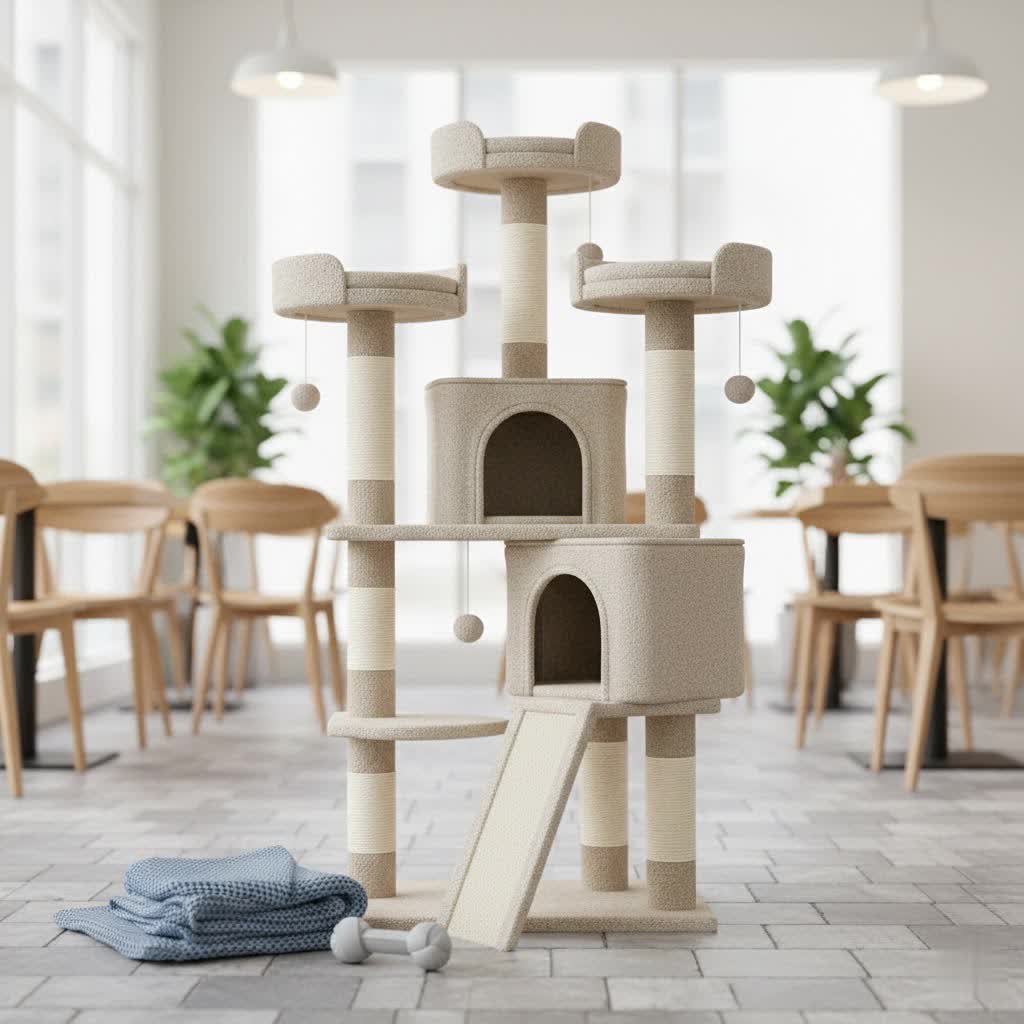
For those of us who share our homes with magnificent large felines, like the majestic Maine Coon or the gentle Ragdoll, finding the right cat tree isn’t just about providing a plaything; it’s an investment in their health, happiness, and overall well-being. Standard cat trees often fall short, struggling to accommodate their size and energy. This comprehensive guide will help you navigate the world of cat trees designed specifically for your larger-than-average companion, ensuring they have a safe, sturdy, and stimulating environment to call their own.
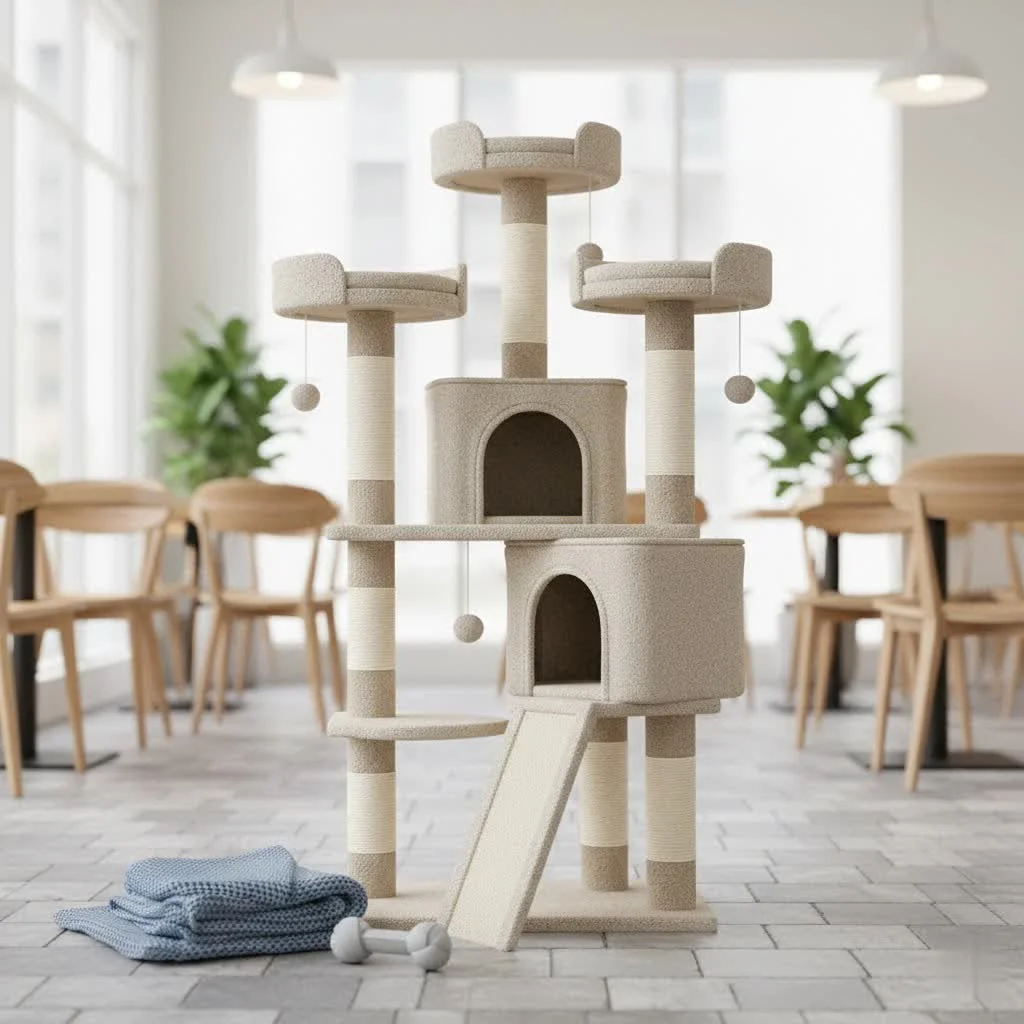
Why Do Big Cats Need a Specialized Cat Tree?
Large cats aren’t just scaled-up versions of their smaller counterparts; they have unique needs that generic cat trees simply can’t meet. Imagine a 20-pound cat trying to squeeze into a tiny perch or scaling a flimsy structure that wobbles with every leap. This isn’t just uncomfortable; it’s unsafe. For compare top cat tree on this site.
A specialized cat tree provides essential benefits for their physical and mental well-being. It offers ample space for stretching, climbing, and lounging comfortably, preventing joint strain and promoting healthy exercise. The robust construction ensures stability during energetic play, giving your cat the confidence to explore new heights without fear of tipping. Furthermore, having their own vertical territory can significantly reduce stress, offer a sense of security, and redirect natural scratching instincts away from your furniture. It’s about creating a personal sanctuary that truly fits their magnificent presence.
Types of Cat Trees for Large Cats
When considering a cat tree for your big cat, you’ll find various designs, each offering different advantages tailored to their needs.
- Single-Column Cat Trees: These are simpler, often featuring one main scratching post and a single, large perch at the top. While minimalist, they must have a particularly heavy and wide base to prevent tipping. They’re ideal if you have limited space but still want to offer verticality and a scratching outlet.
- Multi-Level Cat Towers: These are the most common and often preferred for large cats. They feature several platforms, perches, and sometimes enclosed condos, allowing for climbing, exploration, and multiple lounging spots. Look for designs with staggered levels that make it easy for a heavy cat to ascend and descend.
- Cat Trees with Integrated Condos/Hideaways: Many multi-level trees incorporate enclosed spaces or cozy hideaways. For large cats, these condos must be spacious enough for them to comfortably enter, turn around, and stretch out. These provide a secure, private retreat where your cat can feel safe and relaxed.
- Wall-Mounted Cat Trees/Shelves: A modern solution, wall-mounted cat furniture frees up floor space and can be customized to your cat’s climbing style. While requiring careful installation for stability, they can offer exceptional sturdiness and allow for truly unique vertical adventures for even the largest cats.
Comparing Cat Tree Types for Large Felines
Choosing the right type depends on your cat’s personality, your living space, and your budget. Here’s a quick comparison:
| Feature | Single-Column | Multi-Level | Integrated Condo | Wall-Mounted |
|---|---|---|---|---|
| Pros | Space-saving, simple, focused scratching | Versatile, promotes exercise, multiple activity zones | Provides security and privacy, cozy retreat | Maximizes floor space, highly customizable, extremely sturdy when installed correctly |
| Cons | Limited activity, less stability if not weighted heavily | Can be bulky, requires more floor space | May be harder to clean inside, can be snug if not designed for large cats | Requires drilling/installation, less portable, may not suit all wall types |
| Best For | Less active large cats, small apartments, focused scratching | Active large cats, multi-cat households, enriching environments | Shy or anxious large cats, those who love to hide | Modern homes, very active cats, maximizing vertical space |
Crucial Factors When Selecting a Cat Tree for Your Big Cat
Selecting the right cat tree for a large cat goes beyond aesthetics. It’s about ensuring their safety, comfort, and satisfaction for years to come.
Size Matters: Ample Space for Your Feline Giant
|
Our Picks for the Best Cat Tree in 2026
As an Amazon Associate I earn from qualifying purchases.
|
||
| Num | Product | Action |
|---|---|---|
| 1 | Globlazer Heavy Duty Cat Tree, 70 inch Sturdy Cat Tree for Indoor Cats Extra Large Cat Tower with Scratching Post, Hammock, Cat Condo for Adult Cats Kittens, F70 Pro, Light Grey |

|
| 2 | YUNIQUE Cat Tree with Cat Condo and Big Hammock, Grey |
|
| 3 | Hey-brother Wooden Cat Tree, 69.7 inch Cats Furniture Tower with Large Platforms, Hammocks, Spacious Condo, Full Sisal Scratching Posts, Ladder, Brush, Water Proof Surface, Rustic Brown MPJ121SR |
|
| 4 | Heybly Cat Tree with Toy, Cat Tower Condo for Indoor Cats, Cat House with Padded Plush Perch, Cozy Hammock and Sisal Scratching Posts, Smoky Gray HCT004SG |
|
| 5 | Xin Three Layer Cat Tree with Cat Condo and Two Hammocks,Grey |
|
| 6 | Feandrea Cat Tree, 59.5-Inch Tall Cat Tower, Plush Multi-Level Condo with 5 Scratching Posts, 2 Perches, 2 Caves, Hammock, 2 Pompoms, Light Gray UPCT192W01 |
|
| 7 | Amazon Basics Cat Tree for Indoors Cats, Multi-Level Cat Tower Cat Condo with Scratching Post, Cozy Hammock and Perches for Adult Cats, Interactive Dangling Ball, L – 60.1” (152.7cm) H, Grey |
|
| 8 | Amazon Basics Cat Tree - Indoor Cat & Kittens Multi-Level Climbing Activity Tower with Scratching Posts, Large (45.9"H) - Beige |
|
| 9 | 37.4" Cactus Cat Tree Tower with Twin Cat Condos for Indoor Cats, All-in-One Activity Center with Cat Scratching Post Cozy Sleeping Perch Hammock and Toy Balls,Green … |
|
| 10 | Globlazer Heavy Duty Cat Trees for Large Cats, Sturdy 72in Maine Coon Cat Tree for Large Cats 20 lbs+ Heavy Duty Cat Tower for Adult Biggest Cat with 6 Scratching Posts, Hammock, S72, Dark Gray |
|
Large cats need substantial platforms, perches, and hideaways. Look for perches that are at least 16×16 inches, allowing them to stretch out comfortably without dangling off the edge. For extra-large breeds, 20×20 inches is even better. Enclosed condos should have wide openings (10 inches or more) and interiors spacious enough (at least 18×18 inches) for them to easily enter, turn around, and nap. The overall height should offer a good vertical challenge, typically 5-7 feet, satisfying their natural climbing instincts.
Unwavering Stability: The Foundation of Safety
Stability is the single most critical factor. A flimsy tree can wobble, leading to falls and potential injuries for your heavy cat. Prioritize cat trees with:
- Wide, Heavy Bases: A base measuring at least 24×18 inches and weighing 30+ pounds (70+ pounds for multi-cat homes) provides a solid foundation.
- Solid Construction Materials: Opt for solid wood posts and thick plywood frames instead of hollow tubes or thin particleboard.
- Reinforced Joints: Look for metal hardware and reinforced connections rather than plastic screws, which can loosen over time.
- Wall Anchors: For taller trees (7 feet or more), consider models that include or recommend wall-anchoring kits for extra security, especially if your cat is particularly energetic.
Durable Materials: Built to Withstand the Paws of a Predator
Large cats have stronger claws and can exert more force on their tree. Invest in materials that can endure their playful roughhousing and scratching habits.
- Scratching Posts: Thick, sisal-wrapped posts (at least 3 inches in diameter) are essential. Sisal is durable and provides a satisfying texture for claw maintenance.
- Coverings: High-quality, household-grade carpet, plush faux fur, or thick fabric coverings are ideal. These should be securely attached and able to withstand frequent scratching and cleaning. Avoid thin, easily torn fabrics.
- Wood Components: Solid wood or bamboo construction ensures longevity and stability, resisting wear and tear much better than cheaper alternatives.
Weight Capacity: More Than Just a Number
Always check the manufacturer’s stated weight capacity. For a single large cat, aim for a tree with a minimum capacity of 50 pounds. If you have multiple large cats or a particularly hefty feline, a capacity of 70 pounds or more is recommended to ensure the tree remains safe and stable under combined weight and dynamic play.
How to Buy the Best Cat Tree for Big Cats
Once you understand the essential features, the buying process becomes clearer.
- Set Your Budget: High-quality cat trees for large cats tend to be more expensive due to the superior materials and construction required. Expect to invest anywhere from $150 to $400 or more. Consider this a long-term investment in your cat’s happiness and safety. Cheaper options often mean sacrificing stability and durability, leading to frequent replacements.
- Measure Your Space: Before purchasing, measure the available floor space and ceiling height. Ensure the tree’s footprint (base dimensions) and overall height will fit comfortably without crowding your room or becoming a hazard.
- Observe Your Cat’s Preferences: Does your cat love to climb to the highest point, or do they prefer cozy, enclosed spaces? Are they avid scratchers? Do they enjoy jumping from platform to platform? Understanding their behavior will help you choose a tree with features they’ll genuinely use and appreciate, such as multiple levels, ramps, or extra scratching surfaces.
- Read Reviews and Recommendations: Pay close attention to reviews from other large cat owners. Look for comments on stability, platform size, material durability, and how well the tree holds up over time with active, heavy cats.
- Consider Multi-Cat Households: If you have several large cats, you’ll need a tree with multiple spacious perches and condos, and a higher weight capacity to accommodate all of them safely.
Tips for Training Your Cat to Use Their New Cat Tree
Even the perfect cat tree might need a little encouragement for your feline friend to adopt it.
- Strategic Placement: Place the cat tree in a location your cat already loves, such as near a window for bird watching, or in a central living area where they feel part of the family activities.
- Entice with Treats and Toys: Place their favorite treats on different levels of the tree, or dangle interactive toys to encourage climbing and exploration. Positive reinforcement works wonders.
- Use Catnip: A sprinkle of catnip on perches or scratching posts can make the tree irresistible to many cats.
- Gentle Guidance: Gently guide their paws to the scratching posts to show them its purpose. Never force them; positive associations are key.
- Patience is Key: Some cats might take a few days or even weeks to fully embrace their new tree. Give them space and time to explore it at their own pace.
Cleaning and Maintenance of Your Cat Tree
Regular cleaning and maintenance will extend the life of your cat tree and keep it hygienic for your feline.
- Regular Vacuuming: Use a handheld vacuum or attachment to remove loose fur, dust, and debris from all surfaces, especially plush areas and carpeted platforms.
- Spot Cleaning: For stains or spills, use a pet-safe enzymatic cleaner and a damp cloth. Avoid harsh chemicals that could be harmful to your cat.
- Wash Removable Covers: If your cat tree has removable cushions or covers, wash them according to the manufacturer’s instructions. This is crucial for maintaining hygiene and preventing odors.
- Check Hardware: Periodically inspect all screws, bolts, and connections. Tighten any loose hardware to maintain the tree’s stability and safety.
- Inspect Scratching Posts: Check sisal posts for significant wear and tear. While some fraying is normal, heavily damaged posts may need to be replaced if possible, or the entire tree might need an upgrade if posts are integrated and severely worn.
“A well-chosen cat tree is more than just furniture; it’s a vital tool for feline enrichment, providing essential outlets for their natural instincts while promoting physical health and emotional well-being.” – Sarah Miller, Certified Feline Behaviorist
Conclusion
Providing the best cat tree for your big cat is a thoughtful decision that significantly impacts their quality of life. By focusing on stability, generous sizing, durable materials, and high weight capacity, you can ensure your beloved feline has a safe, comfortable, and engaging personal space. Investing in a high-quality, specialized cat tree means years of happy climbing, scratching, and napping for your majestic companion, fostering a healthier and more content cat within your home.
Ready to find the perfect towering haven for your giant feline? Your cat will thank you with purrs and contented naps from their new favorite elevated kingdom.
Frequently Asked Questions
Is a cat tree truly necessary for large cats?
Yes, a cat tree is highly beneficial for large cats. It satisfies their natural instincts to climb, scratch, and survey their surroundings from a high vantage point, which is crucial for their physical and mental health. Standard furniture is often too unstable or small to safely support their weight and size.
How do I choose a cat tree suitable for an older large cat?
For older large cats, prioritize trees with ramps or easily accessible, staggered levels to minimize jumping strain on their joints. Ensure platforms are extra wide and cushioned for comfortable lounging, and maintain excellent stability to prevent any falls.
What are the best materials for a large cat tree to ensure durability?
Solid wood or thick plywood frames are paramount for stability and longevity. Sisal rope is ideal for scratching posts due to its durability. For coverings, opt for high-grade, plush faux fur or thick carpet that can withstand heavy use and is easy to clean.
Pet products vetted on real animals
Practical specs, not advice. Unsubscribe anytime.
