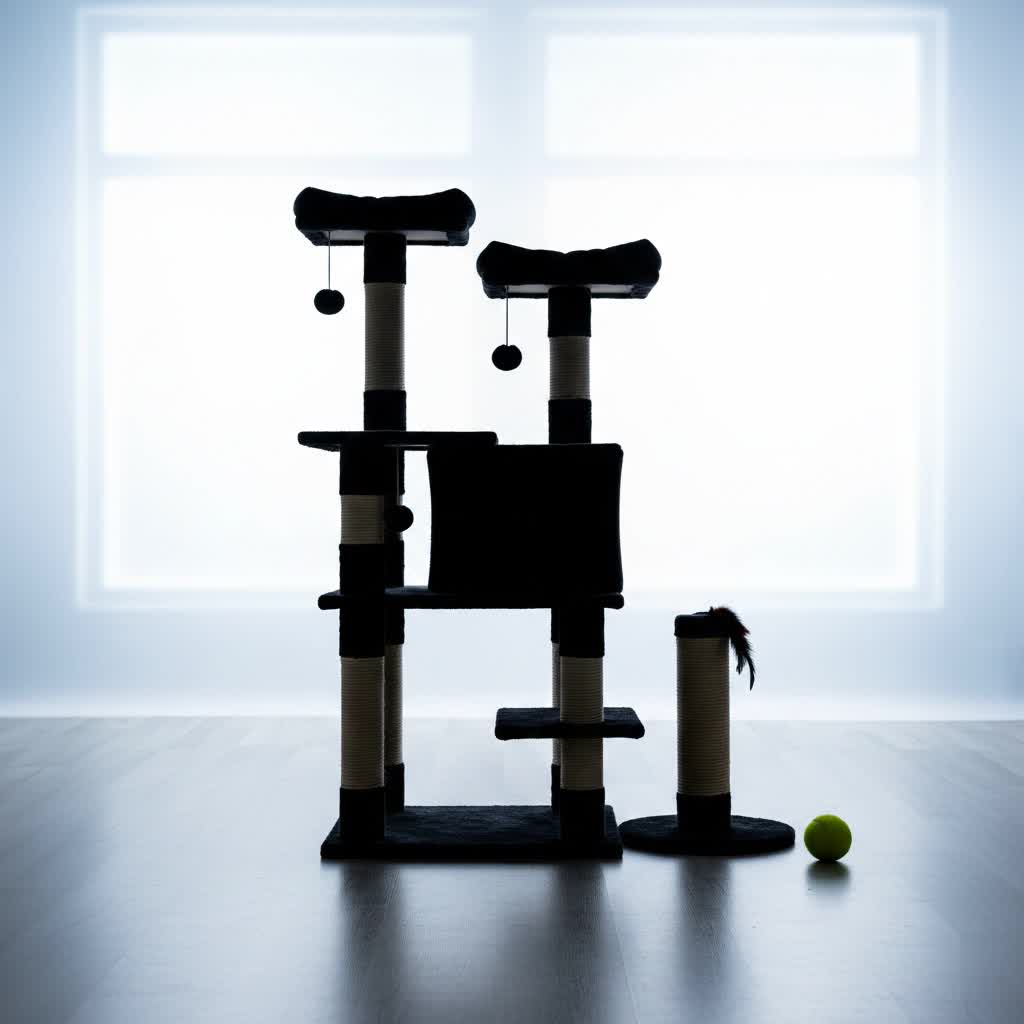
As loving cat parents, we constantly strive to provide the best for our feline companions, ensuring they are healthy, happy, and entertained. While traditional cat trees have long been a staple in many homes, they often come with a significant drawback: they consume valuable floor space. This can be a particular challenge in smaller apartments or homes where every square foot counts. Enter the wall cat tree – an innovative and stylish solution that not only satisfies your cat’s innate desires but also harmonizes with your home decor. This comprehensive guide will explore why wall cat trees are a game-changer, the various types available, key factors to consider when purchasing, and how to make the most of this vertical wonderland for your cherished pet.

Why Cats Need Vertical Space (and Why Wall Cat Trees Excel)
Cats are natural climbers, deriving immense satisfaction and security from elevated positions. This instinct dates back to their wild ancestors, who used high perches for hunting, observing their territory, and escaping predators. Providing vertical territory is not just a luxury; it’s a fundamental aspect of feline well-being, and wall cat trees are exceptional at delivering this.
Natural Instincts: Wall-mounted systems allow cats to express their inherent need to climb, perch, and survey their surroundings from a safe vantage point. This fulfills their instinctual desire for a secure high ground.
Physical Health: Indoor cats often lack sufficient exercise, which can lead to obesity and related health issues. Wall cat trees encourage vigorous activity through climbing, jumping, and stretching across different levels, promoting muscle tone, agility, and overall fitness.
Mental Well-being: A stimulating environment is crucial for preventing boredom, stress, and anxiety in cats. Vertical play spaces offer mental enrichment, giving them a dynamic area to explore, play, and retreat, significantly enhancing their cognitive and emotional health.
Space Optimization: One of the most compelling advantages of a wall cat tree is its ability to utilize vertical wall space, leaving your floor clear and unobstructed. This makes them an ideal choice for compact living areas where traditional, bulky floor-standing cat trees might be impractical.
Multi-Cat Households: In homes with multiple cats, establishing clear territories is essential to reduce conflict and stress. Wall cat trees provide individual perches and pathways, allowing each cat to claim their own elevated space, fostering peace and harmony.
Furniture Protection: Cats have a natural urge to scratch to maintain their claws and mark their territory. Many wall cat tree components include sisal-wrapped posts or boards, offering designated, satisfying scratching surfaces that can redirect your cat’s attention away from your furniture.
Types of Wall Cat Trees: From Simple Shelves to Elaborate Playgrounds
The world of wall cat trees offers a diverse range of components and configurations, allowing for endless customization to suit both your cat’s preferences and your home’s aesthetic.
Simple Wall Shelves: These are individual platforms that mount directly to the wall, providing elevated perches for lounging, napping, or simply observing the room. They can be arranged in various patterns to create a bespoke climbing path.
Wall-Mounted Scratching Posts: Integrated sisal-covered posts offer vertical scratching opportunities, essential for paw health and a satisfying outlet for their natural instincts. These can be standalone or part of a larger system.
Hammocks and Beds: For cats who love to nap in cozy, elevated spots, wall-mounted hammocks or enclosed beds provide a secure and comfortable retreat. These often become favorite sleeping areas.
Wall Bridges and Ramps: These components connect different shelves or modules, creating dynamic pathways that encourage movement, balance, and exploration across the vertical landscape. Bridges, especially, offer a unique and engaging challenge.
Wall Cubbies and Condos: Enclosed boxes or tunnels mounted to the wall offer private hiding spots where cats can feel secure and secluded. These are particularly beneficial for timid cats or those seeking a quiet escape.
Modular Systems and Jungle Gyms: For the ultimate feline adventure, modular systems combine a variety of components – shelves, posts, hammocks, and cubbies – into a complex, multi-level playground. These can be expanded and reconfigured over time, providing continuous enrichment.
Comparing Cat Tree Types: Wall-Mounted vs. Traditional Floor Trees
Understanding the differences between wall-mounted and traditional floor-standing cat trees can help you make an informed decision based on your specific needs and living situation.
| Feature | Wall Cat Tree | Traditional Floor Cat Tree |
|---|---|---|
| Space Use | Maximizes vertical space, frees up floor | Occupies significant floor space |
| Stability | Highly stable when properly installed (studs) | Can tip if not wide/heavy-based or well-constructed |
| Customization | High (modular, tailored to wall layout) | Limited to pre-set designs, some modularity |
| Aesthetics | Modern, integrates into decor, less intrusive | Can be bulky, sometimes harder to match decor |
| Installation | Requires drilling, stud finding, hardware | Easy assembly, no wall damage |
| Portability | Low (fixed to wall) | High (can be moved or relocated easily) |
| Cost | Can vary; often higher for modular/custom | Wide range, from budget-friendly to luxury |
| Best For | Small spaces, design-conscious owners, active cats, multi-cat homes seeking vertical territory | Renters, those preferring no wall alterations, larger floor spaces, quick setup |
Essential Factors When Choosing Your Wall Cat Tree
Selecting the perfect wall cat tree involves balancing your cat’s needs with your home’s practicalities and your aesthetic preferences.
Size & Configuration:
- For your cat: Consider your cat’s size and weight. Platforms should be large enough for them to comfortably lounge, stretch, and turn around. Ensure the weight capacity of the components can safely support your feline.
- For your home: Measure your available wall space carefully. Plan the layout to ensure it doesn’t obstruct doorways or windows and integrates seamlessly with your room. Think about how many components you can realistically fit.
Material & Durability:
The materials used directly impact the tree’s longevity, safety, and appearance.
- Recommended: Look for solid wood (birch, pine, bamboo) for its durability, stability, and aesthetic appeal. Sisal rope is excellent for scratching posts. High-quality, non-toxic fabrics like felt or microfiber provide comfort and are often easier to clean than traditional carpet. Metal frames can offer sleek, modern designs.
- Avoid: Cheap particle board or flimsy carpet coverings, as these tend to wear out quickly and offer less stability.
Stability & Safety:
This is paramount. A wobbly or poorly installed wall cat tree can be dangerous for your cat.
- Secure Installation: Emphasize that all components must be securely anchored into wall studs. A stud finder is an essential tool. Detailed instructions and appropriate hardware should always be included.
- Weight Capacity: Verify that the system’s stated weight capacity is suitable for your cat, especially if you have larger breeds or multiple cats.
- Design Elements: Ensure there are no sharp edges, exposed nails, or small gaps where paws could get trapped. Smooth finishes are key.
Design & Aesthetics:
Wall cat trees offer a unique opportunity to blend pet furniture with your interior design.
- Complement Your Decor: Choose a style (modern, minimalist, rustic, industrial) and color palette that matches your existing home decor. Many brands offer sleek, architecturally designed options that function as artistic elements.
- Modular Options: Modular systems allow for personalized layouts, giving you creative freedom to design a unique vertical landscape.
Cat’s Needs & Personality:
Tailor the tree to your cat’s individual characteristics.
- Active or Young Cats: These felines will thrive with more climbing elements, scratching posts, and dynamic pathways.
- Older or Timid Cats: Provide easier access, larger, cozier perches, and private hiding spots (cubbies) where they can feel secure without needing to jump extensively. Lower starting points are also beneficial.
- Multi-Cat Households: Ensure there are multiple perches at varying heights, distinct escape routes, and diverse elements to minimize territorial disputes.
Your Wall Cat Tree Buying Guide
Making a thoughtful purchase ensures both your satisfaction and your cat’s enjoyment.
Set a Budget: Wall cat trees vary significantly in price, from individual shelves to elaborate custom systems. Determine how much you’re willing to invest upfront.
Measure Your Space: Before browsing, accurately measure the wall area where you plan to install the tree. Consider the dimensions of each component and how they will fit together.
Research Brands & Read Reviews: Look for reputable manufacturers known for quality, safety, and clear installation instructions. Customer reviews can provide valuable insights into durability, ease of installation, and cat acceptance.
Consider Professional Installation: If you’re uncomfortable with DIY projects or drilling into walls, it’s wise to hire a professional handyman to ensure secure and safe installation.
Check for Warranty/Guarantee: For higher-end or modular systems, a warranty or satisfaction guarantee can provide peace of mind regarding your investment.
Training Your Cat to Love Their New Vertical Playground
While many cats instinctively take to vertical spaces, some might need a little encouragement.
Strategic Placement: Install the wall cat tree in a location your cat already enjoys, such as near a window for bird-watching or in a high-traffic area where they can observe family activities.
Lure with Treats & Toys: Use their favorite treats, catnip, or toys to entice them to explore the different levels. Place treats on various perches to encourage climbing.
Positive Reinforcement: When your cat uses any part of the wall tree (climbing, scratching, lounging), offer praise, gentle petting, or a small treat. Create positive associations with the new structure.
Patience is Key: Allow your cat to explore at their own pace. Never force them onto the tree, as this can create a negative experience. Some cats adjust immediately, while others may take days or even weeks.
“A well-designed wall cat tree is more than just furniture; it’s an extension of your cat’s natural habitat, providing both physical and mental stimulation essential for their well-being.”
Maintaining Your Wall Cat Tree for Longevity
Proper maintenance will ensure your wall cat tree remains safe, clean, and enjoyable for years to come.
Regular Cleaning: Vacuum soft surfaces and wipe down wooden or metal components with pet-safe cleaners to remove fur, dust, and dander. Address any spills or stains promptly.
Inspect for Wear & Tear: Periodically check all components for signs of damage, such as loose scratching rope, splintered wood, or frayed fabrics. Replace worn parts as needed.
Tighten Mounts: Over time, wall anchors and screws can sometimes loosen. Periodically check all mounting points and tighten them to ensure the tree remains securely affixed to the wall, preventing wobbling or detachment.
Conclusion
Investing in a wall cat tree is a fantastic way to enrich your cat’s life, satisfying their fundamental need for vertical territory, exercise, and security, all while saving valuable floor space in your home. By carefully considering the type, materials, stability, and design, you can create a customized vertical playground that promotes your cat’s physical health and mental well-being for years to come. It’s a stylish and functional upgrade that truly reflects your commitment to your feline friend’s happiness. So, are you ready to transform your walls into a wonderland for your cat?
Frequently Asked Questions
Is a wall cat tree really necessary for indoor cats?
|
Our Picks for the Best Cat Tree in 2026
As an Amazon Associate I earn from qualifying purchases.
|
||
| Num | Product | Action |
|---|---|---|
| 1 | Hey-brother Wooden Cat Tree, 69.7 inch Cats Furniture Tower with Large Platforms, Hammocks, Spacious Condo, Full Sisal Scratching Posts, Ladder, Brush, Water Proof Surface, Rustic Brown MPJ121SR |

|
| 2 | Amazon Basics Cat Tree for Indoors Cats, Multi-Level Cat Tower Cat Condo with Scratching Post, Cozy Hammock and Perches for Adult Cats, Interactive Dangling Ball, L – 60.1” (152.7cm) H, Grey |
|
| 3 | Heybly Cat Tree with Toy, Cat Tower Condo for Indoor Cats, Cat House with Padded Plush Perch, Cozy Hammock and Sisal Scratching Posts, Smoky Gray HCT004SG |
|
| 4 | YUNIQUE Cat Tree with Cat Condo and Big Hammock, Grey |
|
| 5 | Globlazer Heavy Duty Cat Tree, 70 inch Sturdy Cat Tree for Indoor Cats Extra Large Cat Tower with Scratching Post, Hammock, Cat Condo for Adult Cats Kittens, F70 Pro, Light Grey |
|
| 6 | Xin Three Layer Cat Tree with Cat Condo and Two Hammocks,Grey |
|
| 7 | Amazon Basics Cat Tree - Indoor Cat & Kittens Multi-Level Climbing Activity Tower with Scratching Posts, Large (45.9"H) - Beige |
|
| 8 | 37.4" Cactus Cat Tree Tower with Twin Cat Condos for Indoor Cats, All-in-One Activity Center with Cat Scratching Post Cozy Sleeping Perch Hammock and Toy Balls,Green … |
|
| 9 | Globlazer Heavy Duty Cat Trees for Large Cats, Sturdy 72in Maine Coon Cat Tree for Large Cats 20 lbs+ Heavy Duty Cat Tower for Adult Biggest Cat with 6 Scratching Posts, Hammock, S72, Dark Gray |
|
| 10 | Feandrea Cat Tree, 59.5-Inch Tall Cat Tower, Plush Multi-Level Condo with 5 Scratching Posts, 2 Perches, 2 Caves, Hammock, 2 Pompoms, Light Gray UPCT192W01 |
|
Yes, indoor cats greatly benefit from vertical space. Wall cat trees fulfill their natural instincts to climb and perch, offering crucial exercise and mental stimulation that can prevent boredom, stress, and behavioral issues often seen in cats confined to ground-level environments.
How do I ensure my wall cat tree is safe and stable?
Stability is paramount. Always ensure the wall cat tree components are securely mounted into wall studs using appropriate hardware. If you’re not comfortable with DIY installation, hiring a professional is highly recommended to guarantee safety and prevent any potential hazards for your cat.
Can I install a wall cat tree if I live in an apartment?
Absolutely! Wall cat trees are particularly ideal for apartments or smaller homes because they utilize vertical space, freeing up precious floor area. Always check with your landlord or lease agreement regarding wall alterations before installation, as some may have specific rules.
What materials are best for a durable wall cat tree?
For optimal durability and safety, look for wall cat trees made from solid wood, such as birch, pine, or bamboo. Sisal rope is excellent for scratching posts due to its texture and resilience. High-quality, non-toxic fabrics like felt or microfiber provide comfortable and easy-to-clean surfaces for lounging.
How high should I install my wall cat tree?
The ideal height depends on your cat’s agility and confidence. Generally, perches should be at least 5-6 feet high to satisfy a cat’s desire for elevated observation. For lower, introductory steps, around 12-14 inches off the ground is a good starting point, with subsequent steps spaced 12-18 inches apart, adjusted for your cat’s jumping ability.
Pet products vetted on real animals
Practical specs, not advice. Unsubscribe anytime.
