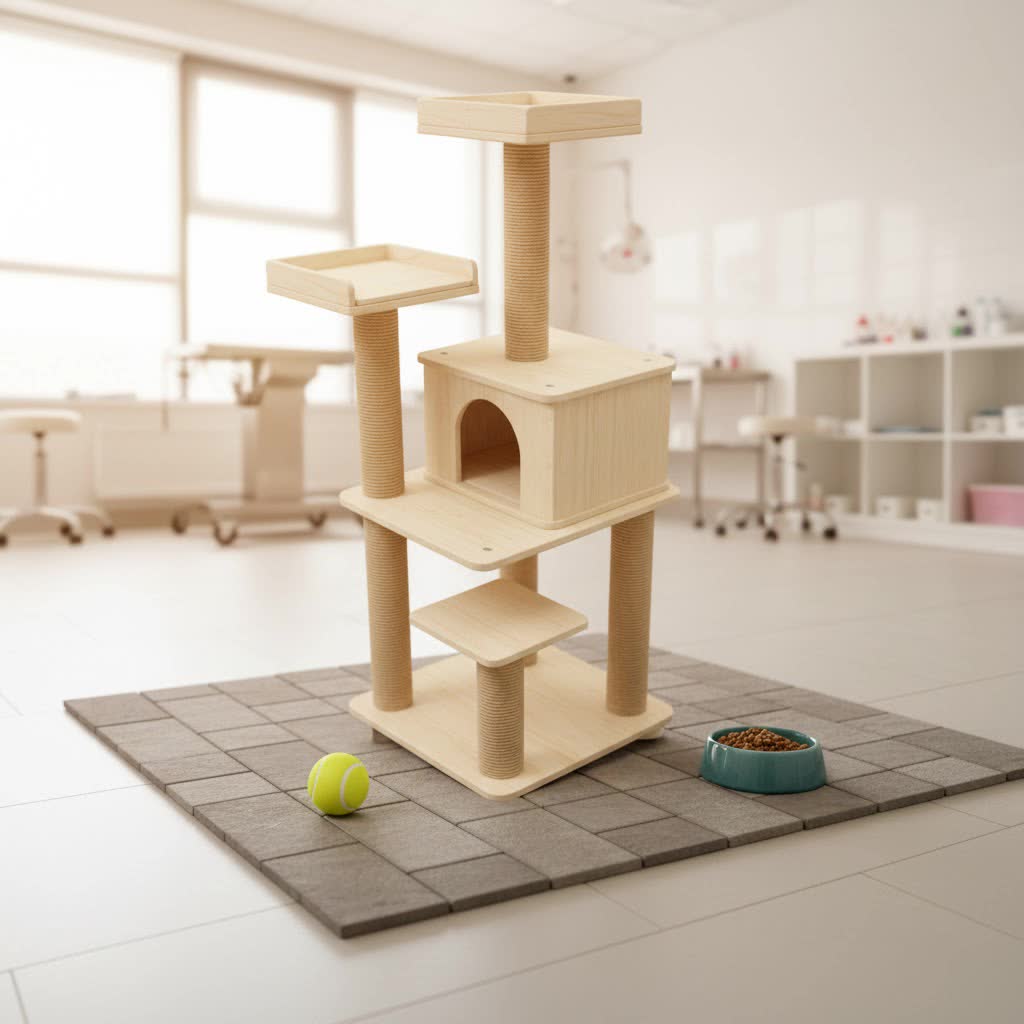
As a devoted cat parent, you constantly seek ways to enrich your furball’s life while maintaining a stylish home. The dilemma often arises when traditional cat furniture clashes with your interior design. Imagine a solution that not only satisfies your cat’s natural instincts but also adds a whimsical, modern touch to your living space. Enter the cat tree cactus – a perfect blend of functionality and aesthetic appeal that transforms ordinary pet furniture into a decor statement. This guide will explore why these unique structures are a must-have, different styles available, key selection factors, and how to ensure your cat embraces their new favorite spot.
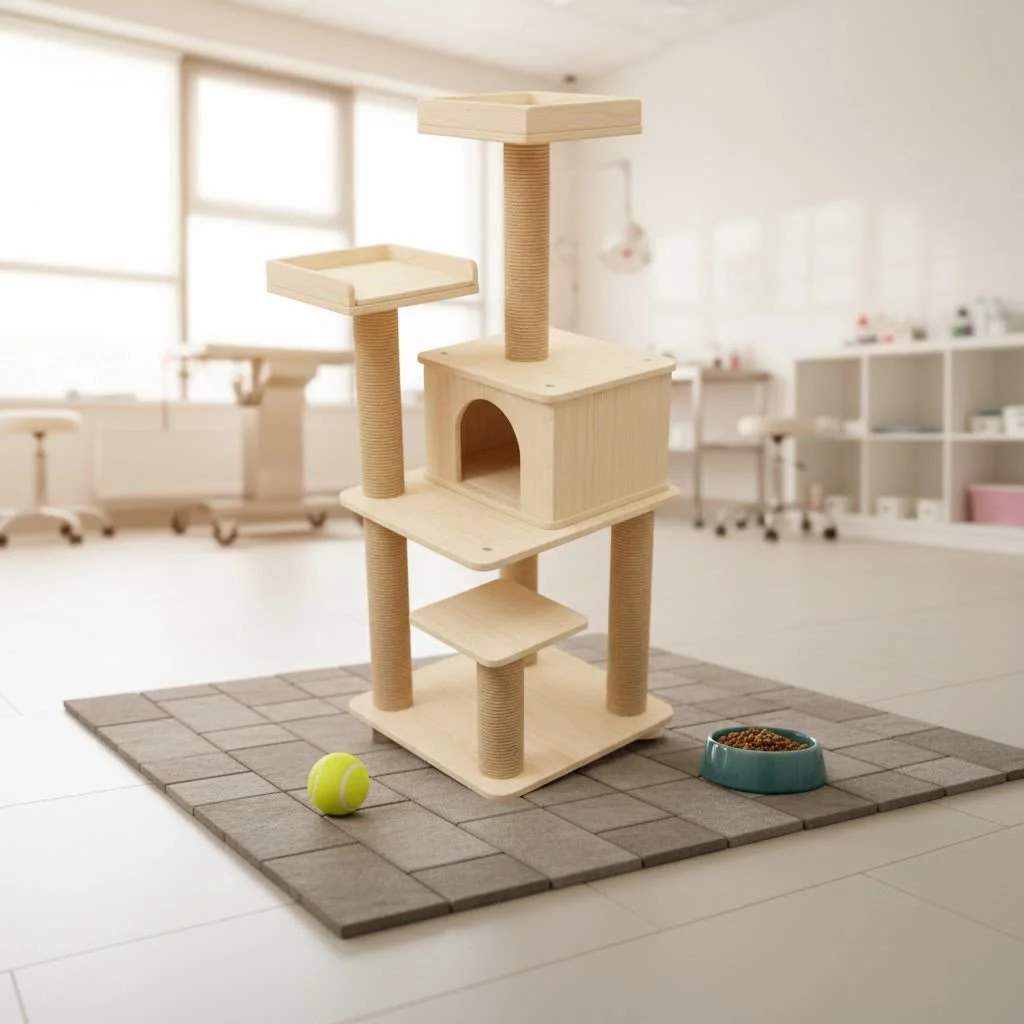
Why Your Cat Needs a Cat Tree Cactus
A cat tree is far more than just a piece of furniture; it’s a vital component of your cat’s physical and mental well-being. A cat tree cactus, with its distinctive design, provides all these essential benefits in an aesthetically pleasing package. It offers designated areas for your cat to scratch, climb, and exercise, which are crucial for maintaining healthy muscles and joints. For more cat tree guides on this site.
Beyond physical activity, a cat tree cactus serves as a secure perch where your feline friend can observe their surroundings from a safe height, reducing stress and providing a sense of security. This elevated vantage point allows them to feel like the king or queen of their domain. Moreover, the sisal-wrapped posts of a cactus cat tree provide an ideal surface for sharpening claws, effectively redirecting this natural behavior away from your cherished furniture.
Popular Cat Tree Cactus Designs
The market for cat tree cacti has expanded to offer a variety of designs, ensuring there’s a perfect match for every cat and home. The simplest form is the single-post scratching cactus, which is essentially a sturdy pole wrapped in sisal, designed primarily for scratching and stretching. These are often compact and suitable for smaller spaces or as an additional scratching option.
For more active or multiple-cat households, multi-level cactus towers are popular, featuring several platforms or perches at varying heights. These designs encourage climbing and offer multiple spots for lounging. Some elaborate versions incorporate cat condos, cozy caves, or hammocks within the cactus structure, providing private napping spots and a sense of enclosure that many cats adore. The “branches” and textures vary, mimicking different cactus species and adding to their unique charm.
Comparing Cat Tree Cactus Styles
Choosing the right cat tree cactus involves weighing the pros and cons of each style against your cat’s needs and your home’s layout.
| Feature | Single Post | Multi-Level Tower | With Condo/Hammock |
|---|---|---|---|
| Pros | Space-saving, simple scratching, affordable | More activity, multiple cats, climbing, better views | Enhanced privacy, cozy resting spots, security |
| Cons | Limited activity, only scratching | Larger footprint, can be bulky, higher cost | Can be harder to clean, takes up more space, some cats ignore hammocks |
| Best For | Small spaces, light scratchers, kittens | Active cats, multi-cat households, adventurous climbers | Shy cats, nappers, those seeking security, owners wanting extra comfort features |
Key Factors When Choosing a Cat Tree Cactus
|
Our Picks for the Best Cat Tree in 2026
As an Amazon Associate I earn from qualifying purchases.
|
||
| Num | Product | Action |
|---|---|---|
| 1 | Hey-brother Wooden Cat Tree, 69.7 inch Cats Furniture Tower with Large Platforms, Hammocks, Spacious Condo, Full Sisal Scratching Posts, Ladder, Brush, Water Proof Surface, Rustic Brown MPJ121SR |

|
| 2 | Xin Three Layer Cat Tree with Cat Condo and Two Hammocks,Grey |
|
| 3 | Heybly Cat Tree with Toy, Cat Tower Condo for Indoor Cats, Cat House with Padded Plush Perch, Cozy Hammock and Sisal Scratching Posts, Smoky Gray HCT004SG |
|
| 4 | Amazon Basics Cat Tree - Indoor Cat & Kittens Multi-Level Climbing Activity Tower with Scratching Posts, Large (45.9"H) - Beige |
|
| 5 | Feandrea Cat Tree, 59.5-Inch Tall Cat Tower, Plush Multi-Level Condo with 5 Scratching Posts, 2 Perches, 2 Caves, Hammock, 2 Pompoms, Light Gray UPCT192W01 |
|
| 6 | YUNIQUE Cat Tree with Cat Condo and Big Hammock, Grey |
|
| 7 | Globlazer Heavy Duty Cat Tree, 70 inch Sturdy Cat Tree for Indoor Cats Extra Large Cat Tower with Scratching Post, Hammock, Cat Condo for Adult Cats Kittens, F70 Pro, Light Grey |
|
| 8 | Globlazer Heavy Duty Cat Trees for Large Cats, Sturdy 72in Maine Coon Cat Tree for Large Cats 20 lbs+ Heavy Duty Cat Tower for Adult Biggest Cat with 6 Scratching Posts, Hammock, S72, Dark Gray |
|
| 9 | 37.4" Cactus Cat Tree Tower with Twin Cat Condos for Indoor Cats, All-in-One Activity Center with Cat Scratching Post Cozy Sleeping Perch Hammock and Toy Balls,Green … |
|
| 10 | Amazon Basics Cat Tree for Indoors Cats, Multi-Level Cat Tower Cat Condo with Scratching Post, Cozy Hammock and Perches for Adult Cats, Interactive Dangling Ball, L – 60.1” (152.7cm) H, Grey |
|
Selecting the ideal cat tree cactus requires careful consideration of several important factors to ensure it meets both your cat’s needs and your expectations.
Size: The size of the cat tree cactus should be appropriate for both your feline and your living space. Taller structures are excellent for cats who love to climb and observe, while more compact designs are perfect for smaller rooms or less adventurous felines. Always ensure there’s enough room for your cat to stretch fully and comfortably on any perch or platform.
Materials: Look for high-quality materials that are safe, durable, and easy to clean. Sisal rope is paramount for scratching surfaces, as its texture is highly appealing to cats and resilient to their claws. Plush fabric offers comfort for napping spots, while a sturdy base, often made from particle wood or PVC, is essential for stability. The overall construction should withstand your cat’s energetic play for years to come.
Stability: Safety is non-negotiable. A well-constructed cat tree cactus must have a wide, heavy base to prevent tipping, especially if you have an active or large cat. Some models include safety straps that allow you to secure the tree to a wall, adding an extra layer of protection against accidental falls. Always prioritize a stable design that can safely support your cat’s weight and movements.
Design & Aesthetics: One of the main draws of a cat tree cactus is its unique visual appeal. Consider how the design, colors (often green and brown to mimic real cacti), and overall style will integrate with your home decor. Whether you prefer a minimalist look or a more elaborate, multi-branched design, there’s a cactus cat tree that can enhance your interior while serving its primary purpose.
Buying Guide for Your Cat Tree Cactus
Navigating the market for cat tree cacti can be straightforward with a clear approach.
Budget: Cat tree cacti come in a wide price range, from economical single-post scratchers to premium multi-level towers. Determine a budget that aligns with your desired features and the quality you expect. Remember, investing in a durable, well-made cat tree can save money in the long run by avoiding frequent replacements.
Where to Buy: You’ll find a vast selection of cat tree cacti at online retailers such as Amazon, Chewy, and Walmart, which often offer competitive prices and customer reviews. Pet specialty stores may have a smaller but curated selection, allowing you to see the product in person before purchasing.
Reading Reviews: Customer reviews are an invaluable resource. Pay close attention to feedback regarding stability, the durability of materials (especially the sisal rope), ease of assembly, and how well cats actually use the product. Reviews can highlight common issues or unexpected benefits that aren’t apparent from product descriptions alone.
Checking Quality: Before making a purchase, scrutinize the product details. Look for descriptions that emphasize robust construction, non-toxic materials, and clear assembly instructions. If possible, inspect the product in person to feel the material quality and assess its sturdiness.
Tips for Training Your Cat to Use a Cactus Cat Tree
Introducing new furniture to your cat can sometimes take a little patience. Here’s how to encourage your feline friend to embrace their new cat tree cactus:
Placement: Position the cat tree cactus in a spot your cat already loves, such as near a window where they can watch birds, or in their favorite room where they spend a lot of time. This makes it a natural extension of their existing comfort zone.
Attraction: Make the cat tree irresistible. Rub catnip on the sisal posts or platforms, or dangle a favorite toy from one of the perches to encourage exploration and play. The goal is to make the cat tree feel like an exciting new discovery.
Positive Reinforcement: When your cat uses the scratching posts or climbs onto a platform, offer praise, a gentle pet, or a small treat. Positive reinforcement helps them associate the cat tree with pleasant experiences, encouraging them to use it more often.
Patience: Cats are creatures of habit and may need time to adjust to new items. Don’t get discouraged if they don’t immediately take to it. Continue to encourage them gently, and they will likely start exploring and enjoying their new cactus cat tree at their own pace.
Cleaning and Maintaining Your Cat Tree Cactus
Keeping your cat tree cactus clean and well-maintained not only prolongs its lifespan but also ensures a hygienic and inviting space for your cat.
Regular Vacuuming: Cat trees accumulate fur and dust quickly. Use a handheld vacuum or the brush attachment of your regular vacuum cleaner to routinely clean all surfaces, including sisal posts, plush platforms, and any fabric coverings. This helps prevent allergens and keeps the tree looking fresh.
Spot Cleaning: For any spills or stains, use a pet-safe cleaning solution diluted with water. Lightly dampen a cloth and gently blot the affected area. Avoid using harsh chemicals or excessive moisture, which can damage materials or leave residues that are harmful to your cat.
Inspecting for Wear: Periodically check the sisal rope for fraying or significant wear, and the overall structure for any loose screws or instability. Worn-out sisal can be less appealing for scratching, and loose parts can pose a safety hazard. Replacing damaged components promptly ensures the cat tree remains safe and functional for your cat.
“A good Cat Tree is not just a place to play, but also a place where cats feel safe and comfortable.” – Nguyễn Văn A, Cat Behavior Expert
Conclusion
A cat tree cactus offers a delightful combination of essential feline enrichment and captivating home decor. By providing vital outlets for scratching, climbing, and resting, it significantly contributes to your cat’s physical health and mental well-being, all while adding a unique, stylish touch to your living space. When selecting the perfect model, prioritize size, durable materials, and unwavering stability to ensure a safe and long-lasting investment.
Remember to consider your cat’s personality and your home’s aesthetic to find a cactus cat tree that truly integrates into your shared environment. With the right choice and a little encouragement, your feline companion will soon be enjoying their vibrant, multi-functional oasis. What unique features will make a cat tree cactus the perfect addition to your cat’s world?
Frequently Asked Questions
Is a cat tree cactus necessary for my cat?
While not strictly “necessary,” a cat tree cactus is highly beneficial. It provides designated areas for natural behaviors like scratching, climbing, and perching, which are crucial for a cat’s physical health and mental stimulation. It can help prevent destructive scratching on furniture and offers a secure, elevated space.
How do I choose the right size cactus cat tree?
Consider your cat’s size and activity level. Taller trees suit active climbers and multi-cat homes, while smaller, single-post designs are great for kittens or less energetic cats, or for complementing existing cat furniture in compact spaces. Always ensure any platforms are large enough for your cat to comfortably stretch out.
What materials are best for a cat tree cactus?
The best cat tree cacti typically feature sturdy construction materials like particle wood or PVC for the core structure, wrapped with durable sisal rope for scratching posts. Plush fabric or soft carpet is ideal for comfortable perches and resting areas. These materials ensure longevity, safety, and an attractive texture for your cat.
Pet products vetted on real animals
Practical specs, not advice. Unsubscribe anytime.
