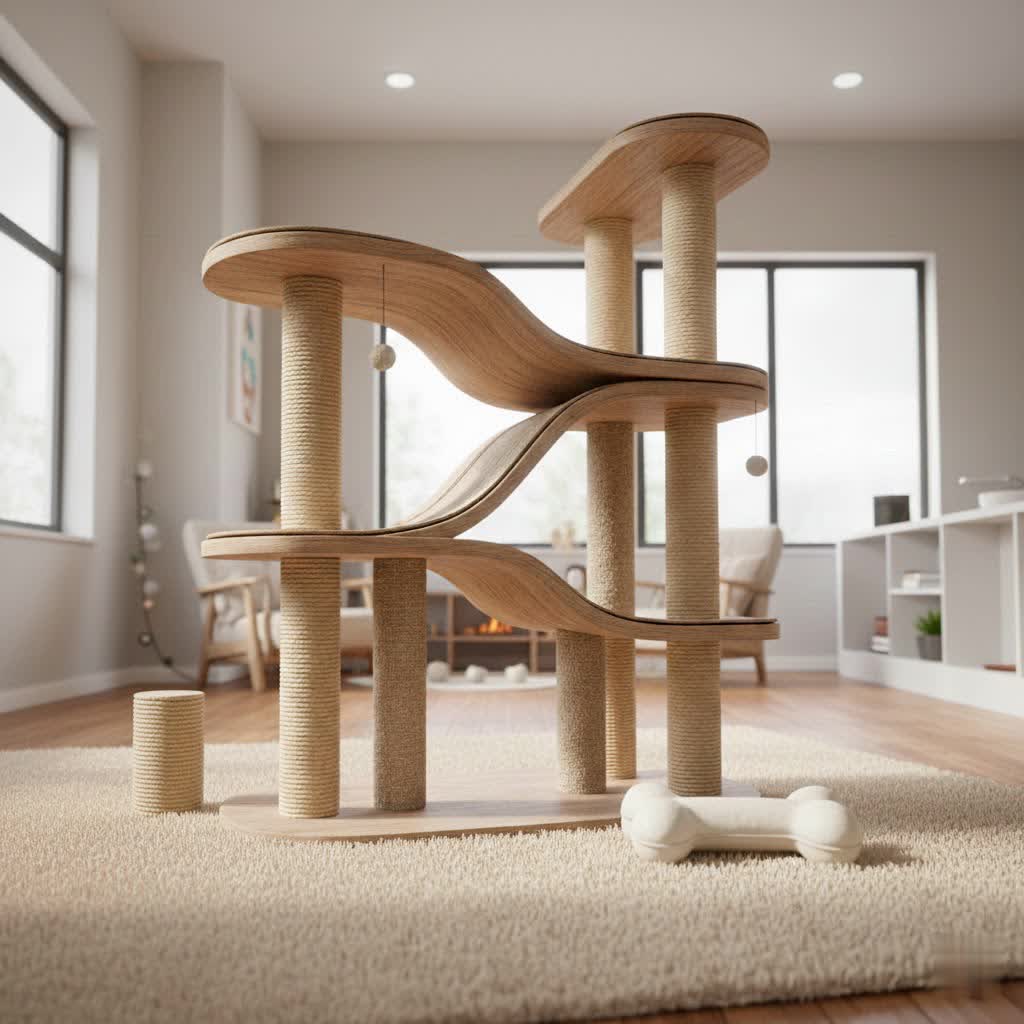
As our beloved feline companions age, their needs evolve. The playful leaps and bounds of their kittenhood might give way to more measured movements, and their agile bodies can become more susceptible to conditions like arthritis or reduced mobility. This doesn’t mean their desire for vertical space, secure resting spots, and engaging activities vanishes. In fact, providing the right cat tree for your older cat is not just a luxury; it’s a thoughtful investment in their continued health, happiness, and overall quality of life. Understanding the specific design elements and benefits tailored for senior felines can transform their golden years into a period of serene comfort and gentle exploration.
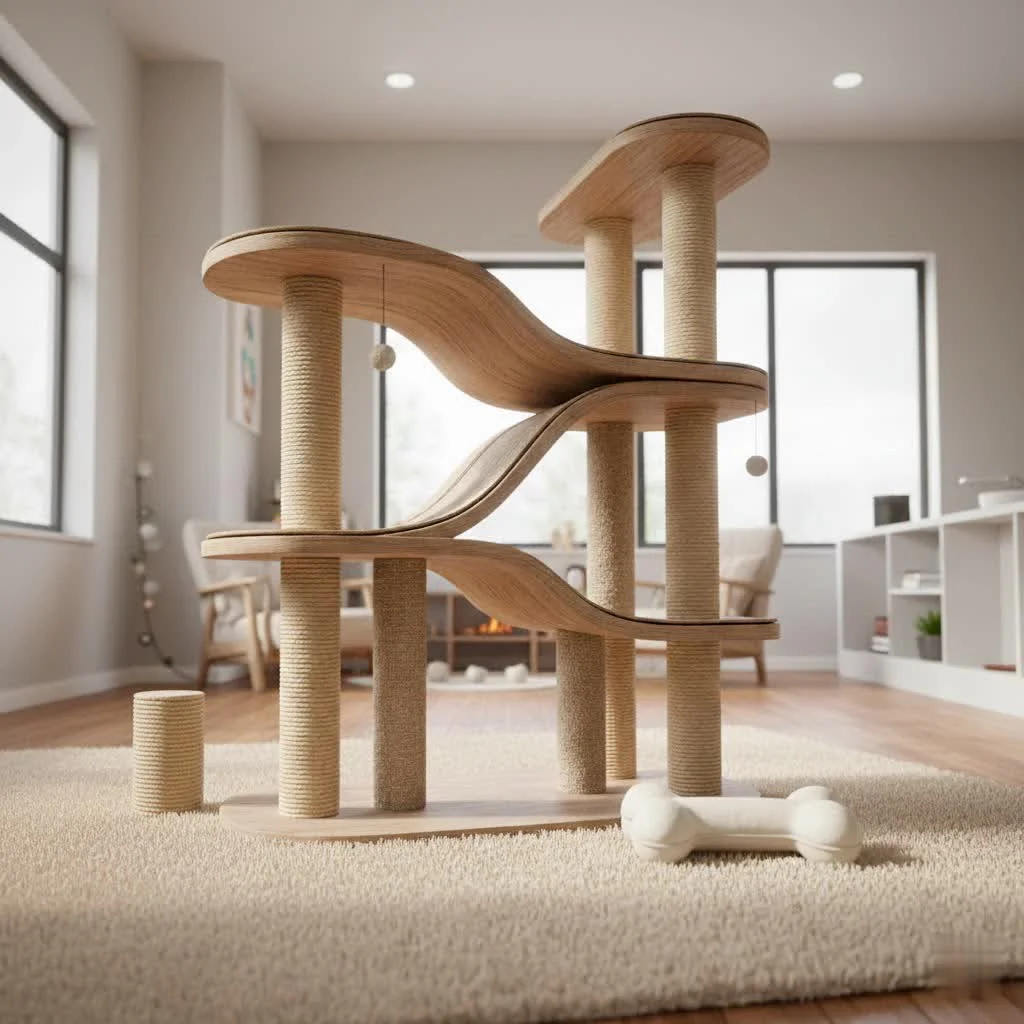
Why Do Older Cats Need a Cat Tree?
You might wonder if an older cat, with their potentially reduced energy, truly benefits from a cat tree. The answer is a resounding yes! Cat trees offer a multitude of advantages crucial for maintaining a senior cat’s physical and mental well-being. For an aging feline, a cat tree provides opportunities for gentle, low-impact exercise, helping to preserve muscle tone and flexibility without undue strain on their joints. It also serves as a dedicated, elevated sanctuary where they can observe their surroundings, satisfy their natural instinct to perch, and feel secure from household commotion or other pets. This mental stimulation is vital for keeping their minds sharp, preventing boredom, and reducing anxiety often associated with the changes of aging. For shop curated cat tree on this site.
Types of Cat Trees Suitable for Older Cats
When selecting a cat tree for your senior companion, the focus shifts from towering structures to designs emphasizing accessibility, stability, and comfort.
- Low-Rise/Ramp Cat Trees: These designs feature multiple levels that are closer to the ground or connected by gentle ramps and wide steps, minimizing the need for strenuous jumps. They are ideal for cats with arthritis or limited mobility, allowing easy ascent and descent.
- Enclosed Den Cat Trees: Many older cats appreciate the security and warmth of enclosed spaces. Trees incorporating cozy cat caves or private condos at accessible heights offer perfect hideaways for undisturbed naps and a strong sense of safety.
- Sturdy Platform Trees: While not always low-rise, these trees prioritize wide, stable platforms that offer ample space for an older cat to stretch, recline, and change positions comfortably without the risk of falling. They often feature robust construction and a heavy base for superior stability.
- Multi-Level with Easy Step Access: These trees provide vertical exploration through staggered platforms where each level is easily reachable, mimicking a staircase rather than requiring athletic leaps. They are excellent for maintaining muscle without strain and building confidence.
Comparing Cat Trees for Senior Felines
The right cat tree caters to specific needs that arise with age. Here’s a comparison of features to help you decide:
| Feature | Low-Rise/Ramp Tree | Enclosed Den Tree | Sturdy Platform Tree |
|---|---|---|---|
| Pros | Easy access, less joint strain | Provides security, warmth, privacy | Stable, ample resting spots, durable |
| Cons | Less vertical exploration | Can limit overall climbing activity | Might be too tall if platforms aren’t staggered |
| Best for | Cats with joint pain, arthritis, limited mobility | Anxious cats, those seeking solitude and deep sleep | Cats needing secure, elevated rests and stability |
| Ideal Height Range | Generally under 30-40 inches | Varies, but dens should be low | Up to 50 inches, with accessible levels |
| Platform Spacing | 8-12 inch intervals | N/A (focus on den access) | 8-12 inch intervals for mobility issues |
Key Factors When Choosing a Cat Tree for Your Senior Cat
Selecting the perfect cat tree goes beyond aesthetics; it’s about creating a functional, safe, and comfortable environment tailored to your aging feline’s unique requirements.
- Accessibility: This is paramount. Look for cat trees with ramps, wide steps, or staggered platforms that are no more than 8-12 inches apart. This minimizes the need for high jumps and reduces strain on arthritic joints, making it easier for your cat to move between levels.
- Stability: A wobbly cat tree can deter an older cat from using it and pose a significant safety risk. Prioritize models with a heavy, solid base and robust construction, often made from real wood. Anchoring the tree to a wall can add an extra layer of security, especially for larger or less steady cats.
- Comfort & Support: Senior cats spend more time resting, so plush, cushioned surfaces are a must. Consider orthopedic bedding or soft, thick carpeting to reduce pressure on aging joints. Perches and cubbies should be spacious enough (15×20 inches or larger) to allow easy position changes without confinement.
- Scratching Surfaces: Older cats still need to scratch to maintain paw health and stretch. Ensure the cat tree offers easily accessible scratching posts, ideally wrapped in sisal, at various heights. Horizontal scratching pads on platforms can also be beneficial for cats who prefer this angle or have difficulty reaching vertical posts.
- Safety: Check for any sharp edges, toxic materials, or small, easily detachable parts that could be choking hazards. The overall design should prioritize a smooth, secure experience for your cat.
- Height and Layout: While younger cats enjoy towering structures, an ideal height range of 30-50 inches is often best for senior felines. This provides elevation without requiring extreme acrobatics. Designs with cozy, enclosed spaces offer privacy and warmth, which older cats often seek.
How to Introduce Your Senior Cat to a New Cat Tree
Introducing a new piece of furniture to a senior cat requires patience and positive reinforcement. Their routines and environment are often deeply ingrained, and they might be hesitant at first.
- Strategic Placement: Place the cat tree in a quiet, accessible location where your cat already enjoys spending time, such as near a favorite window for bird watching or next to a couch where they often nap. Keep it away from cold drafts.
- Make it Inviting: Add familiar items like their favorite blanket or a toy to the cat tree. You can also sprinkle catnip on the perches or offer high-value treats directly on the lower platforms to create positive associations.
- Gentle Encouragement: Lure your cat onto the lower levels with treats or a wand toy. Avoid forcing them onto the tree, as this can create a negative experience.
- Patience is Key: It might take days or even weeks for your senior cat to fully embrace their new tree. Consistency in positive reinforcement will eventually make the cat tree a cherished part of their routine.
Cleaning and Maintenance for Your Senior Cat’s Tree
Regular cleaning and maintenance are essential to ensure the cat tree remains a hygienic and safe haven for your senior cat.
- Routine Vacuuming: Vacuum the entire cat tree regularly to remove loose fur, dust, and dander, preventing allergens and keeping it fresh.
- Spot Cleaning: Address any stains or spills immediately with pet-safe cleaning solutions. Avoid harsh chemicals that could be toxic to your cat or irritate their respiratory system.
- Check for Wear and Tear: Regularly inspect all components, especially ramps, steps, and scratching posts, for signs of damage or instability. Loose screws, frayed sisal, or wobbly platforms should be repaired or replaced promptly to prevent accidents.
- Replace Cushions/Beds: If the removable cushions or beds show significant wear, replace them to ensure continued comfort and orthopedic support.
“For an older cat, a well-designed cat tree is more than just furniture; it’s a vital tool for maintaining their physical health, mental engagement, and overall sense of security as they age.” – Dr. Sarah Miller, Feline Geriatric Specialist
Conclusion
Investing in a cat tree for your older cat is a profound way to show your love and commitment to their well-being. By prioritizing accessibility, stability, and comfort, you can provide a safe and enriching environment that supports their changing needs. From gentle exercise to secure resting spots, the right cat tree can significantly enhance their quality of life, allowing them to enjoy their golden years with dignity and joy. Don’t let age diminish their zest for life; empower them with a haven perfectly suited to their senior sensibilities. What small change can you make today to improve your senior cat’s vertical world?
Frequently Asked Questions
Is a cat tree truly necessary for an older cat?
|
Our Picks for the Best Cat Tree in 2026
As an Amazon Associate I earn from qualifying purchases.
|
||
| Num | Product | Action |
|---|---|---|
| 1 | Xin Three Layer Cat Tree with Cat Condo and Two Hammocks,Grey |

|
| 2 | Hey-brother Wooden Cat Tree, 69.7 inch Cats Furniture Tower with Large Platforms, Hammocks, Spacious Condo, Full Sisal Scratching Posts, Ladder, Brush, Water Proof Surface, Rustic Brown MPJ121SR |
|
| 3 | Amazon Basics Cat Tree for Indoors Cats, Multi-Level Cat Tower Cat Condo with Scratching Post, Cozy Hammock and Perches for Adult Cats, Interactive Dangling Ball, L – 60.1” (152.7cm) H, Grey |
|
| 4 | Globlazer Heavy Duty Cat Tree, 70 inch Sturdy Cat Tree for Indoor Cats Extra Large Cat Tower with Scratching Post, Hammock, Cat Condo for Adult Cats Kittens, F70 Pro, Light Grey |
|
| 5 | Feandrea Cat Tree, 59.5-Inch Tall Cat Tower, Plush Multi-Level Condo with 5 Scratching Posts, 2 Perches, 2 Caves, Hammock, 2 Pompoms, Light Gray UPCT192W01 |
|
| 6 | YUNIQUE Cat Tree with Cat Condo and Big Hammock, Grey |
|
| 7 | Amazon Basics Cat Tree - Indoor Cat & Kittens Multi-Level Climbing Activity Tower with Scratching Posts, Large (45.9"H) - Beige |
|
| 8 | 37.4" Cactus Cat Tree Tower with Twin Cat Condos for Indoor Cats, All-in-One Activity Center with Cat Scratching Post Cozy Sleeping Perch Hammock and Toy Balls,Green … |
|
| 9 | Globlazer Heavy Duty Cat Trees for Large Cats, Sturdy 72in Maine Coon Cat Tree for Large Cats 20 lbs+ Heavy Duty Cat Tower for Adult Biggest Cat with 6 Scratching Posts, Hammock, S72, Dark Gray |
|
| 10 | Heybly Cat Tree with Toy, Cat Tower Condo for Indoor Cats, Cat House with Padded Plush Perch, Cozy Hammock and Sisal Scratching Posts, Smoky Gray HCT004SG |
|
Yes, a cat tree is highly beneficial for older cats, even if their activity levels have decreased. It provides low-impact exercise for joint health, mental stimulation, and a secure, elevated space for rest and observation, preventing boredom and anxiety.
What features should I prioritize for a cat tree for a cat with arthritis?
For cats with arthritis, prioritize cat trees with gentle ramps or wide, staggered steps (8-12 inches apart) instead of high jumps. Look for soft, cushioned perches for joint comfort, a sturdy base for stability, and easily reachable scratching surfaces.
How can I encourage my senior cat to use a new cat tree?
Introduce the new cat tree gradually by placing it in a favorite spot and making it inviting with familiar blankets, treats, or catnip. Use positive reinforcement and gentle encouragement, never forcing them, and be patient as they adjust to their new enrichment space.
What materials are best for a senior cat’s tree?
The best materials for a senior cat’s tree include sturdy wood for stability, soft plush fabrics or thick carpeting for comfort on perches, and durable sisal for accessible scratching posts. Ensure all materials are non-toxic and easy to clean.
Pet products vetted on real animals
Practical specs, not advice. Unsubscribe anytime.
