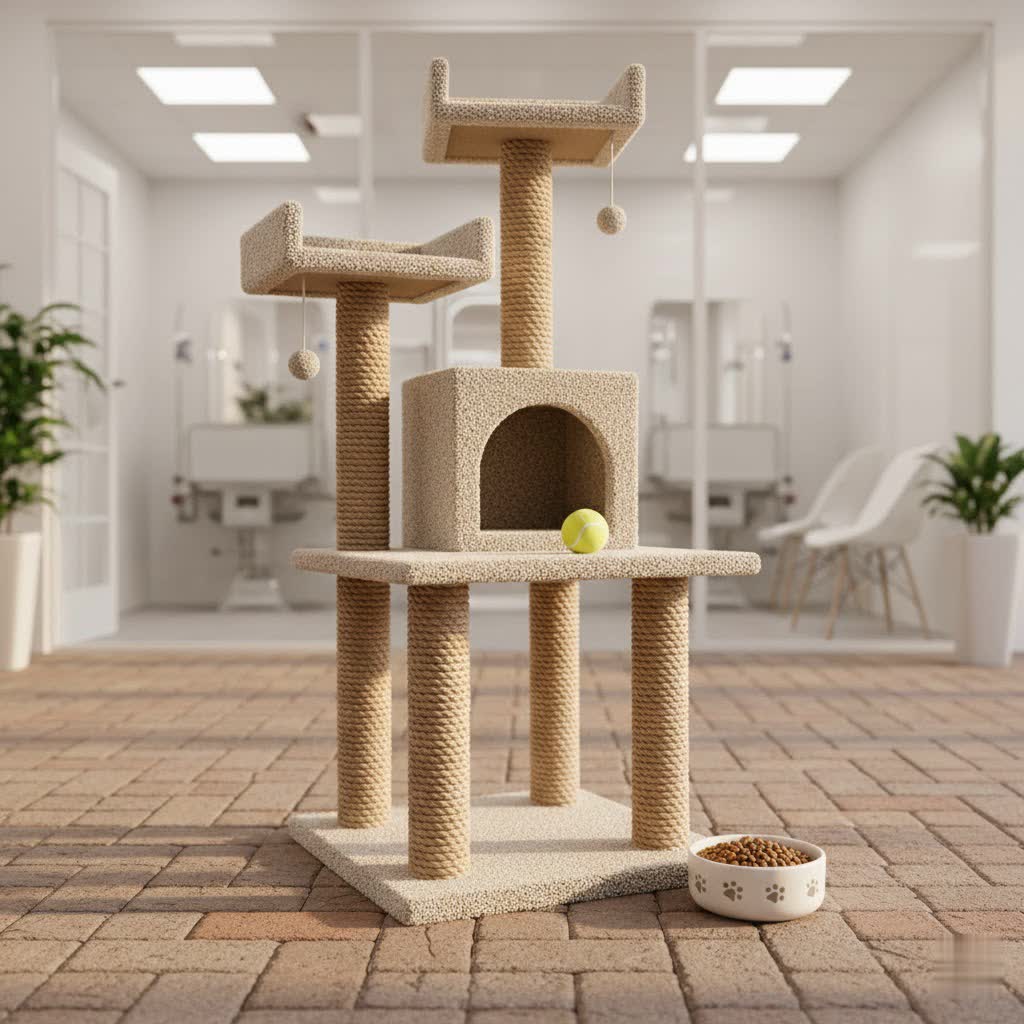
As cat parents, we constantly seek ways to enrich our beloved companions’ lives, and for many, that includes safe outdoor exposure. While the great outdoors offers endless stimulation, it also presents potential hazards. This is where an outdoor cat tree tower becomes an invaluable addition, providing a secure and stimulating environment for your feline friend to explore, climb, and relax under the sun. Choosing the right outdoor cat tower is an investment in your cat’s health, happiness, and natural instincts.
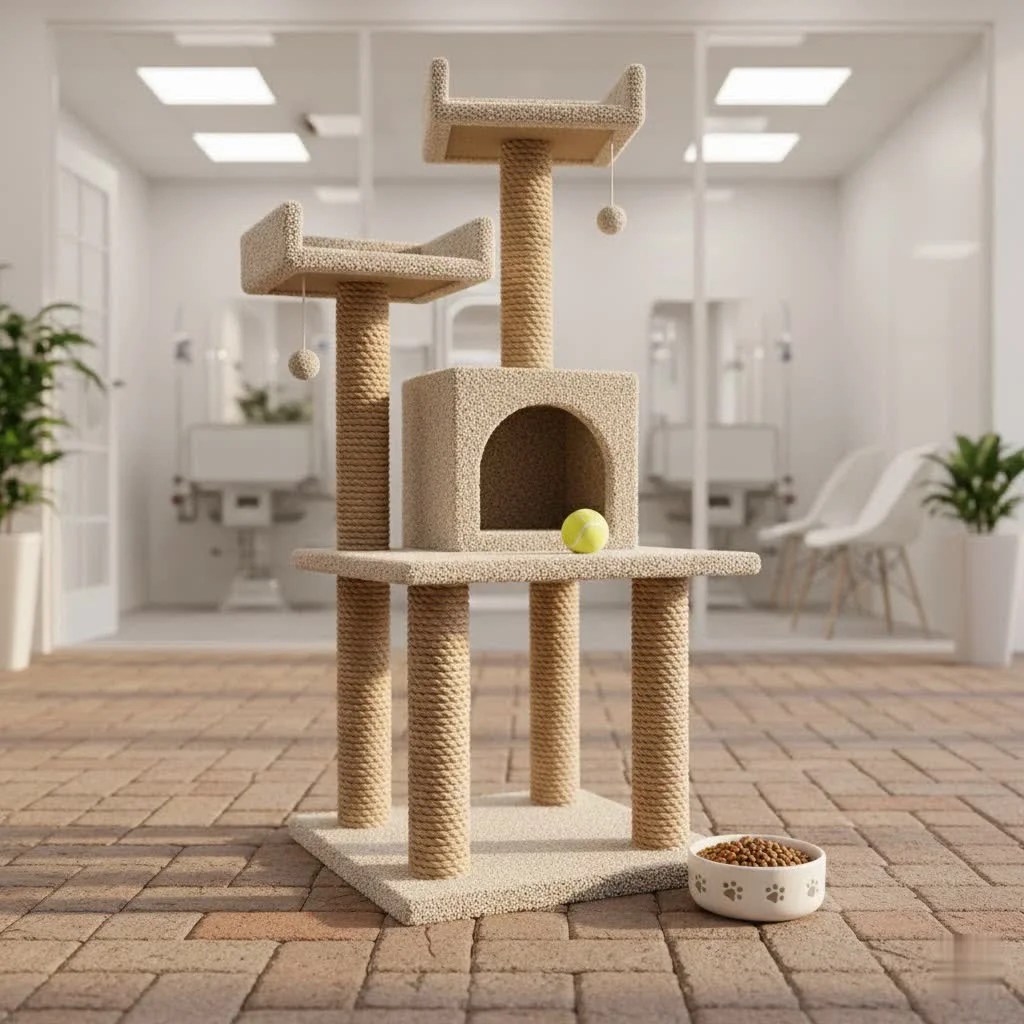
This comprehensive guide will walk you through everything you need to know about outdoor cat tree towers, from understanding their profound benefits to selecting the perfect one and ensuring its longevity. Join us as we explore how these specialized structures can improve your cat’s outdoor experience.
Why Do Cats Need an Outdoor Cat Tree Tower?
The allure of the outdoors is undeniable for felines, tapping into their ancestral instincts. An outdoor cat tree tower fulfills these deep-seated needs while mitigating risks, offering a multitude of benefits for your cat’s physical and mental well-being.
Cats are natural climbers and explorers, and a robust outdoor tower provides ample opportunities for healthy exercise. They can jump between platforms, stretch, and climb, engaging muscles and promoting agility, coordination, and muscle strength. This physical activity is crucial for preventing obesity and keeping your cat in peak condition.
Beyond the physical, outdoor cat trees offer unparalleled mental stimulation. The changing environment, the rustling of leaves, the chirping of birds, and the scent of fresh air provide a rich sensory experience that indoor settings often lack. Elevated perches allow your cat to survey their “territory,” satisfying their instinctual desire to observe their surroundings from a safe vantage point. This engagement combats boredom and can significantly reduce stress and destructive behaviors that often stem from a lack of environmental enrichment. Providing a designated scratching surface, typically sisal rope, also protects your outdoor furniture and satisfies their innate need to sharpen their claws.
An outdoor cat tree tower creates a secure retreat where your cat can enjoy the fresh air and sunshine without the dangers of wandering too far, encountering traffic, or facing other animals. It’s a bridge between the safety of your home and the stimulating wonders of nature.
Types of Outdoor Cat Tree Towers
The world of outdoor cat tree towers is diverse, offering options to suit various spaces, budgets, and feline personalities. Understanding the different types can help you pinpoint the ideal structure for your cat.
Simple Perches/Single Post Towers are the most basic and often the most compact option. These typically feature one main scratching post with one or two elevated platforms or beds. They are excellent for small outdoor spaces like balconies or patios, providing a singular, elevated spot for your cat to relax and observe. While they offer limited climbing opportunities, they effectively satisfy the need for height.
Multi-Level Towers are more complex, featuring several platforms, scratching posts, and sometimes enclosed cubbies or hammocks. These structures provide a richer environment for climbing, playing, and lounging. They are ideal for active cats or multi-cat households, offering diverse activities and ample space for individual cats to claim their own perches. The varied levels keep cats engaged and allow for more dynamic play.
Modular & Customizable Systems, such as those that integrate with catios, offer the greatest flexibility. These systems often feature adjustable poles and a range of accessories like additional platforms, hammocks, bridges, and dens that can be added or rearranged over time. This adaptability means the tower can grow and change with your cat’s needs or fit perfectly within an existing catio or outdoor enclosure, making every inch of space usable for exploration.
Integrated with Catios/Enclosures, these towers are often built directly into a larger, fully enclosed outdoor space. They become part of an expansive, safe environment, mimicking a natural habitat where cats can climb, scratch, and survey without any risk of escape. These setups provide the ultimate outdoor experience, combining the benefits of a cat tree with the security of a full enclosure.
Comparing Outdoor Cat Tree Towers
To help you make an informed decision, here’s a comparison of common outdoor cat tree tower types:
| Feature | Simple Perch | Multi-Level Tower | Modular System | Catio Integrated |
|---|---|---|---|---|
| Pros | Affordable, space-saving, easy to relocate | Diverse activities, mental stimulation, multiple lounging spots | Highly customizable, grows with cat, fits various enclosures, long-term value | Maximizes safe outdoor space, natural habitat feel, ultimate security |
| Cons | Limited activities, less stimulation for active cats | Can be bulky, more expensive, fixed design | Initial complexity in design/assembly, potentially higher upfront cost | Requires existing enclosure or significant investment for a full catio |
| Best For | Small spaces, single cat, passive viewing, balconies | Active cats, multi-cat households, varied play, larger patios | Owners who want flexibility, long-term adaptability, unique setups, catio owners | Fully outdoor-accessed cats, large yards, ultimate safety and enrichment |
Essential Factors When Choosing an Outdoor Cat Tree Tower
Selecting the right outdoor cat tree tower goes beyond aesthetics; it’s about safety, durability, and suitability for your cat and climate. Consider these crucial factors before making your purchase.
Weather Resistance & Durability are paramount for any outdoor product. The materials must be able to withstand rain, wind, UV rays, and temperature fluctuations without deteriorating. Look for options made from weather-resistant materials such as treated cedar wood, marine-grade plywood, PVC pipe, powder-coated galvanized steel, or durable, waterproof canvas. These materials resist rot, rust, and mold, ensuring the tower remains safe and functional for years. Avoid carpeted cat trees unless they specify outdoor, mold-resistant carpet, as traditional carpet can absorb moisture and develop mildew.
Stability & Safety are non-negotiable. A wobbly cat tree is a hazard. Ensure the tower has a wide, heavy base to prevent tipping, especially during energetic play or strong winds. Some designs offer anchoring options, such as stakes to secure it into the ground or brackets for wall mounting, providing additional stability. Always check the weight capacity to ensure it can safely support your cat, or multiple cats if applicable.
Size & Height should be appropriate for your cat’s size, age, and activity level, as well as the available outdoor space. Kittens and older cats might prefer lower, more accessible platforms, while agile, young cats will enjoy taller structures with challenging climbing opportunities. For multi-cat households, ensure there are enough separate perches to prevent conflict. Measure your intended space carefully to ensure the chosen tower fits comfortably without obstructing walkways or becoming a trip hazard.
Features & Accessories enhance the tower’s appeal and functionality. Integrated scratching posts, typically wrapped in durable sisal rope, are essential for maintaining claw health. Multiple perches, platforms, and enclosed cubbies offer varied lounging and hiding spots. Some towers include hammocks, ramps, or dangling toys for added engagement. Consider what features would best cater to your cat’s specific preferences and activity levels.
Aesthetics also play a role, as the outdoor cat tree tower will be a permanent fixture in your yard or patio. Many modern designs blend seamlessly with outdoor decor, using natural wood tones or neutral colors. Choose a design that complements your outdoor living space while prioritizing your cat’s needs.
Ease of Cleaning & Maintenance is another practical consideration. Weatherproof materials are generally easier to wipe down. Removable, washable cushion covers are a bonus. Regular cleaning will prevent the build-up of dirt, pollen, and pet dander, keeping the environment hygienic for your cat.
Guide to Purchasing Your Outdoor Cat Tree Tower
Once you’ve considered the essential factors, the next step is to navigate the purchasing process. A little research goes a long way in finding a quality outdoor cat tree tower that will stand the test of time.
Start by setting a budget. Outdoor cat tree towers can range significantly in price, from a few hundred to several thousand dollars, depending on size, materials, and complexity. Knowing your price range beforehand will help narrow down your options and focus on products that offer the best value for your investment. that durability for outdoor use often comes with a slightly higher price tag than indoor-only options.
Next, identify where to buy. Reputable pet supply stores, dedicated cat product retailers, and specialized online stores are good starting points. Brands specializing in outdoor pet furniture or catio components, like Purrfect Fence or Omlet, often offer robust, weather-resistant options specifically designed for outdoor environments. Home improvement stores might also carry suitable materials if you’re considering a DIY project.
Always prioritize reading reviews from other cat owners. These insights can provide invaluable information about a product’s real-world durability, ease of assembly, actual weather resistance, and how cats respond to it. Look for feedback on how the tower holds up in various climates and over time. Pay attention to comments regarding stability and material quality after prolonged outdoor exposure.
Finally, upon receiving your outdoor cat tree, inspect its quality carefully. Check for any manufacturing defects, ensure all parts are present, and verify the stability of connections. The materials should feel sturdy and robust, and any weather-resistant coatings should be uniform and intact. A thorough inspection before assembly can prevent future issues and ensure your cat’s safety.
Tips for Introducing Your Cat to Their Outdoor Tower
Some cats are naturally adventurous, while others might need a little encouragement to embrace their new outdoor play space. Introducing your cat to their new outdoor cat tree tower with patience and positive reinforcement can make a significant difference.
First, consider strategic placement. Position the cat tree in a location your cat already enjoys or frequently observes. A sunny spot with a good view of the yard, birds, or other interesting activity is often ideal. If you have an existing catio, integrate the tower into it to maximize the enclosed space. Ensure it’s in a relatively quiet area where your cat feels safe and undisturbed.
Next, use attractants to pique their interest. Sprinkle a small amount of catnip on the platforms, place a few favorite treats on different levels, or hang a beloved toy from a perch. The familiar scents and rewards will draw your cat to investigate the new structure and associate it with positive experiences.
When your cat approaches or interacts with the tower, offer positive reinforcement. Praise them softly, give them gentle pets, or offer a small treat. This reinforces the idea that using the cat tree is a good and rewarding behavior. Avoid forcing your cat onto the tower, as this can create a negative association.
Most importantly, exercise patience and establish a routine. Some cats may take to their new tower immediately, while others might need days or even weeks to feel completely comfortable. Leave the tower accessible and attractive, and allow your cat to explore it at their own pace. Regular positive interactions around the tower will help them integrate it into their daily outdoor routine.
Maintaining and Cleaning Your Outdoor Cat Tree Tower
Proper maintenance and regular cleaning are crucial for preserving the longevity and hygiene of your outdoor cat tree tower. Given its exposure to the elements, it requires more attention than an indoor unit.
Regular inspection is key. After periods of heavy rain, strong winds, or snow, always check the entire structure for any signs of wear and tear, loose connections, or damage. Look for cracked wood, rusted metal, frayed ropes, or unstable platforms. Early detection of issues can prevent accidents and allow for timely repairs.
For cleaning weatherproof surfaces, simply wipe down platforms, posts, and shelters with a damp cloth. For tougher grime or mildew, use a pet-safe, non-toxic cleaning solution diluted with water. Avoid harsh chemicals that could be harmful to your cat. If the tower has fabric elements like hammocks or cushions, check if they are removable and machine washable; otherwise, spot clean them as needed.
Over time, certain components like sisal scratching rope will inevitably wear out. Be prepared to replace these parts when they become too frayed or detached. Many manufacturers offer replacement parts, or you can purchase sisal rope separately and re-wrap the posts yourself. This ensures your cat always has an appropriate surface for scratching.
If you live in an area with harsh winters or extreme weather, consider winterizing your outdoor cat tree. This might involve moving smaller, lighter units indoors or to a sheltered location like a garage. For larger, permanent structures, ensure all materials are fully protected, perhaps with waterproof covers, to prevent damage from freezing temperatures or heavy snowfall.
Conclusion
Investing in an outdoor cat tree tower is a wonderful way to enrich your feline companion’s life, offering them a safe and stimulating outlet to embrace their natural instincts in the fresh air. From providing essential physical exercise and mental stimulation to serving as a secure vantage point, these structures contribute significantly to your cat’s overall health and happiness.
By carefully considering factors like weather resistance, stability, size, and features, and committing to regular maintenance, you can choose and care for a tower that will bring years of joy to your cat. Providing a well-chosen outdoor cat tree tower is more than just buying a piece of furniture; it’s investing in their well-being and strengthening the bond you share through shared outdoor adventures.
Are you ready to improve your cat’s outdoor experience?
Frequently Asked Questions
Is an outdoor cat tree tower truly necessary for my cat?
|
Our Picks for the Best Cat Tree in 2026
As an Amazon Associate I earn from qualifying purchases.
|
||
| Num | Product | Action |
|---|---|---|
| 1 | YUNIQUE Cat Tree with Cat Condo and Big Hammock, Grey |

|
| 2 | Amazon Basics Cat Tree for Indoors Cats, Multi-Level Cat Tower Cat Condo with Scratching Post, Cozy Hammock and Perches for Adult Cats, Interactive Dangling Ball, L – 60.1” (152.7cm) H, Grey |
|
| 3 | Xin Three Layer Cat Tree with Cat Condo and Two Hammocks,Grey |
|
| 4 | Globlazer Heavy Duty Cat Tree, 70 inch Sturdy Cat Tree for Indoor Cats Extra Large Cat Tower with Scratching Post, Hammock, Cat Condo for Adult Cats Kittens, F70 Pro, Light Grey |
|
| 5 | Heybly Cat Tree with Toy, Cat Tower Condo for Indoor Cats, Cat House with Padded Plush Perch, Cozy Hammock and Sisal Scratching Posts, Smoky Gray HCT004SG |
|
| 6 | Globlazer Heavy Duty Cat Trees for Large Cats, Sturdy 72in Maine Coon Cat Tree for Large Cats 20 lbs+ Heavy Duty Cat Tower for Adult Biggest Cat with 6 Scratching Posts, Hammock, S72, Dark Gray |
|
| 7 | Amazon Basics Cat Tree - Indoor Cat & Kittens Multi-Level Climbing Activity Tower with Scratching Posts, Large (45.9"H) - Beige |
|
| 8 | Hey-brother Wooden Cat Tree, 69.7 inch Cats Furniture Tower with Large Platforms, Hammocks, Spacious Condo, Full Sisal Scratching Posts, Ladder, Brush, Water Proof Surface, Rustic Brown MPJ121SR |
|
| 9 | Feandrea Cat Tree, 59.5-Inch Tall Cat Tower, Plush Multi-Level Condo with 5 Scratching Posts, 2 Perches, 2 Caves, Hammock, 2 Pompoms, Light Gray UPCT192W01 |
|
| 10 | 37.4" Cactus Cat Tree Tower with Twin Cat Condos for Indoor Cats, All-in-One Activity Center with Cat Scratching Post Cozy Sleeping Perch Hammock and Toy Balls,Green … |
|
While not strictly necessary for survival, an outdoor cat tree tower is highly beneficial for a cat’s physical and mental health. It provides a safe way for cats to engage in natural behaviors like climbing, scratching, and surveying their territory, reducing boredom and stress, and promoting exercise. It’s especially valuable for indoor cats who crave outdoor stimulation.
What’s the best material for an outdoor cat tree tower?
The best materials for an outdoor cat tree tower are those that are weather-resistant and durable. Options include treated cedar wood, marine-grade plywood, powder-coated galvanized steel, and furniture-grade PVC pipe. For scratching surfaces, sisal rope is ideal, and for lounging areas, waterproof canvas or outdoor mesh fabrics are recommended to prevent mold and rot.
How do I keep my outdoor cat tree stable and safe?
To ensure stability and safety, choose a cat tree with a wide, heavy base. Many outdoor models come with options for anchoring to the ground using stakes or can be secured to a wall or a catio structure. Regularly check all connections and components for looseness or wear. Proper assembly according to manufacturer instructions is also crucial for preventing tipping.
Can I convert an indoor cat tree for outdoor use?
Converting an indoor cat tree for outdoor use is generally not recommended unless you are prepared to completely weatherproof it. Indoor cat trees are typically made from materials like particle board and carpet, which are not designed to withstand moisture, UV rays, or temperature extremes. These materials can quickly rot, grow mold, or degrade, compromising the tree’s safety and hygiene.
How often should I clean an outdoor cat tree?
Outdoor cat trees should be inspected regularly, at least once a month, for damage and cleaned as needed. For general maintenance, wipe down hard surfaces every few weeks with a pet-safe cleaner. After heavy rain or winds, check for debris and excessive moisture. Replace worn-out scratching rope or damaged platforms promptly to maintain functionality and safety.
Pet products vetted on real animals
Practical specs, not advice. Unsubscribe anytime.
