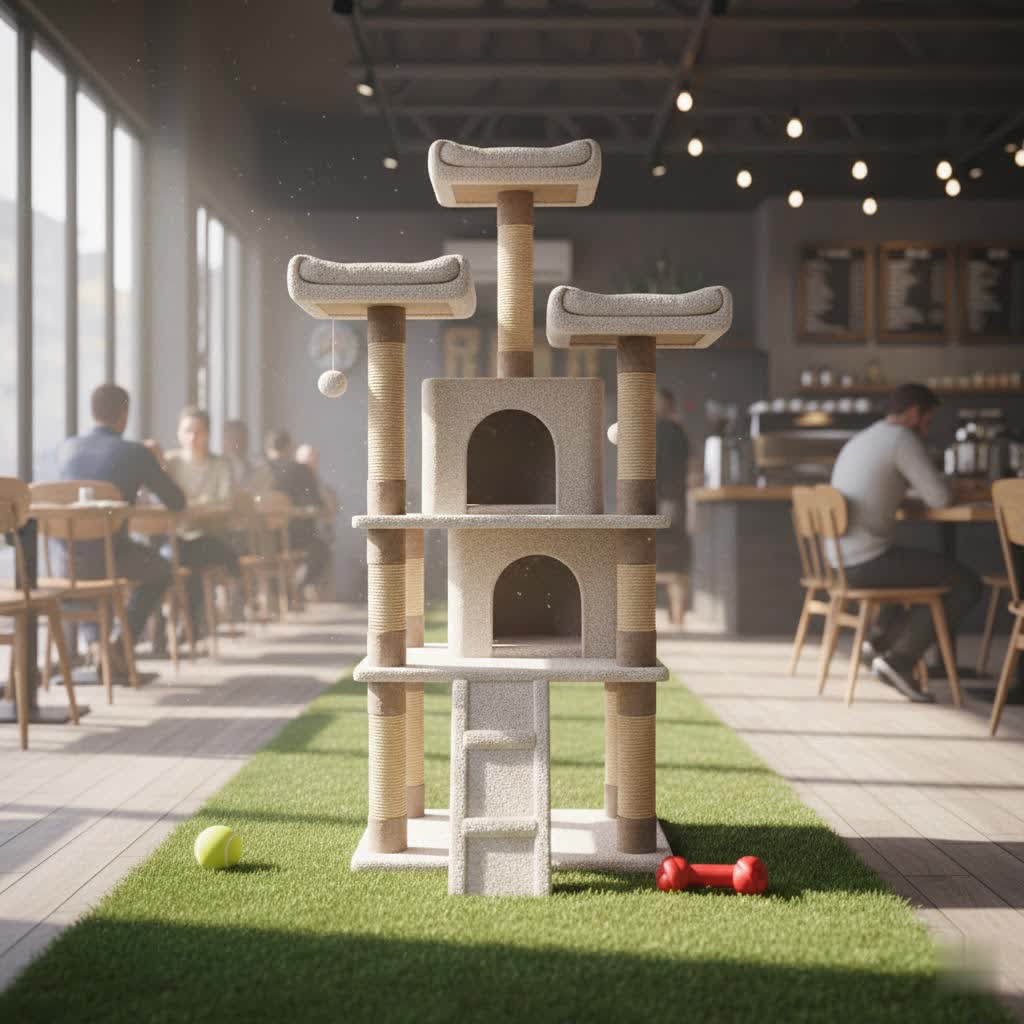
The secret to a truly happy and healthy indoor cat isn’t just about delicious food or endless cuddles; it often lies in providing them with their own vertical kingdom. For our domesticated felines, who often miss out on the natural landscapes their wild cousins explore, a cat tree is more than just furniture—it’s a vital investment in their physical and mental well-being. Selecting the right cat tree can seem daunting with countless options available, but understanding your cat’s needs and your home’s space will guide you to the perfect choiceLet’s examine why these structures are indispensable and how to find the ideal one to enrich your beloved companion’s life.
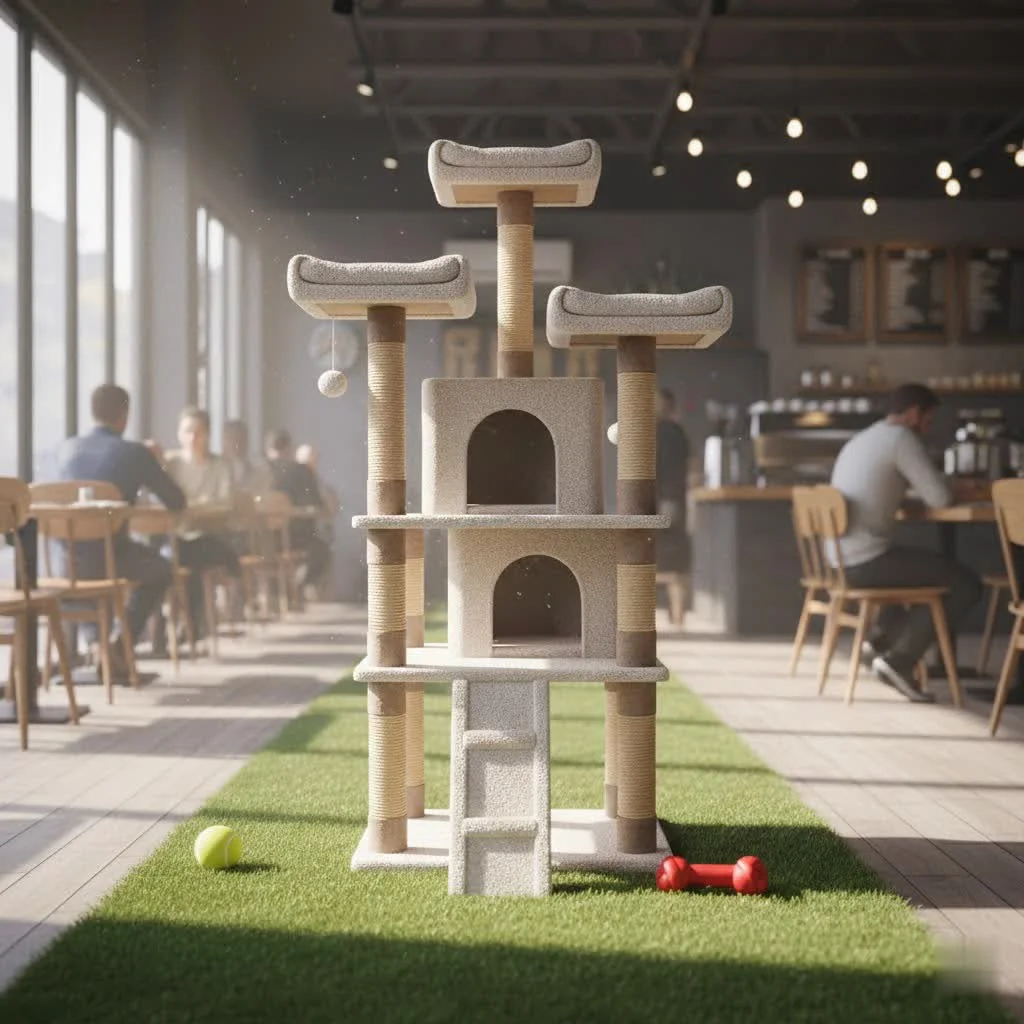
Why Do Indoor Cats Absolutely Need a Cat Tree?
Indoor cats, despite their comfortable surroundings, retain many of the primal instincts of their wild ancestors. A cat tree is crucial for fulfilling these innate needs, providing an outlet for behaviors essential to their overall health. Without adequate vertical space, cats may experience stress, boredom, or engage in undesirable behaviors as they try to satisfy these instincts elsewhere in your home. For shop curated cat tree on this site.
Fulfilling Natural Instincts
Cats are natural climbers and observers, instinctively drawn to high vantage points where they feel safe and can survey their “territory.” A cat tree offers this elevated security, allowing them to watch the world from above without feeling vulnerable. This elevated perspective is crucial for their psychological comfort, especially in busy households or homes with other pets. Providing these perches helps reduce anxiety and fosters a sense of control over their environment.
Physical Health Benefits
Beyond mental stimulation, cat trees are a fantastic source of physical exercise for indoor cats. Climbing, jumping, and stretching on a multi-level structure engage various muscle groups that might otherwise remain underutilized. This activity helps maintain their agility, coordination, and joint health throughout their lives. Integrated scratching posts made of materials like sisal rope provide the perfect surface for your cat to sharpen their claws, shed old nail sheaths, and stretch their backs—a behavior vital for paw health and muscle flexibility.
Mental Well-being & Stress Reduction
Boredom can lead to destructive behaviors in indoor cats, such as excessive vocalization, over-grooming, or aggression. A cat tree acts as an engaging play center, a quiet retreat, and a stimulating observation deck, all in one. It provides endless opportunities for mental enrichment, helping to alleviate boredom and provide a constructive outlet for their energy. The ability to hide in cozy cubbies or nap on soft perches also offers a personal sanctuary where they can de-stress and feel completely at ease.
Territorial & Multi-Cat Harmony
|
Our Picks for the Best Cat Tree in 2026
As an Amazon Associate I earn from qualifying purchases.
|
||
| Num | Product | Action |
|---|---|---|
| 1 | Amazon Basics Cat Tree - Indoor Cat & Kittens Multi-Level Climbing Activity Tower with Scratching Posts, Large (45.9"H) - Beige |

|
| 2 | Hey-brother Wooden Cat Tree, 69.7 inch Cats Furniture Tower with Large Platforms, Hammocks, Spacious Condo, Full Sisal Scratching Posts, Ladder, Brush, Water Proof Surface, Rustic Brown MPJ121SR |
|
| 3 | Amazon Basics Cat Tree for Indoors Cats, Multi-Level Cat Tower Cat Condo with Scratching Post, Cozy Hammock and Perches for Adult Cats, Interactive Dangling Ball, L – 60.1” (152.7cm) H, Grey |
|
| 4 | Globlazer Heavy Duty Cat Trees for Large Cats, Sturdy 72in Maine Coon Cat Tree for Large Cats 20 lbs+ Heavy Duty Cat Tower for Adult Biggest Cat with 6 Scratching Posts, Hammock, S72, Dark Gray |
|
| 5 | Heybly Cat Tree with Toy, Cat Tower Condo for Indoor Cats, Cat House with Padded Plush Perch, Cozy Hammock and Sisal Scratching Posts, Smoky Gray HCT004SG |
|
| 6 | Feandrea Cat Tree, 59.5-Inch Tall Cat Tower, Plush Multi-Level Condo with 5 Scratching Posts, 2 Perches, 2 Caves, Hammock, 2 Pompoms, Light Gray UPCT192W01 |
|
| 7 | YUNIQUE Cat Tree with Cat Condo and Big Hammock, Grey |
|
| 8 | 37.4" Cactus Cat Tree Tower with Twin Cat Condos for Indoor Cats, All-in-One Activity Center with Cat Scratching Post Cozy Sleeping Perch Hammock and Toy Balls,Green … |
|
| 9 | Xin Three Layer Cat Tree with Cat Condo and Two Hammocks,Grey |
|
| 10 | Globlazer Heavy Duty Cat Tree, 70 inch Sturdy Cat Tree for Indoor Cats Extra Large Cat Tower with Scratching Post, Hammock, Cat Condo for Adult Cats Kittens, F70 Pro, Light Grey |
|
In multi-cat households, vertical space is a major upgrade for maintaining peace and harmony. Cats often establish a hierarchy, and having multiple levels allows them to “timeshare” territory and retreat from perceived threats or conflicts. A cat tree offers designated areas for each cat to climb, scratch, or rest without direct confrontation. This flexibility helps reduce tension and provides crucial distance when needed, turning potential squabbles into peaceful coexistence.
Popular Types of Cat Trees for Every Home
The market for cat trees has expanded dramatically, offering a vast array of designs to suit every feline personality and home aesthetic. Understanding the different types can help you pinpoint the best option for your unique situation.
Simple Scratching Posts/Single-Column Cat Trees
These are the most basic forms, typically featuring a single pole wrapped in sisal or another scratchable material, often with a small platform at the top. They are excellent for satisfying a cat’s primary urge to scratch and stretch vertically. Simple posts are space-efficient and a good starting point for kittens or cats in smaller living areas.
Multi-Level Cat Towers
These are the quintessential cat trees, boasting multiple platforms, perches, and often cubbies or hammocks at varying heights. They are designed to offer a comprehensive playground for climbing, lounging, and playing. Multi-level towers are ideal for active cats, multi-cat households, and those seeking to provide diverse enrichment options. They come in a wide range of sizes, from compact to towering structures.
Cat Condos and Houses
Focusing on privacy and security, cat condos and houses incorporate enclosed spaces where cats can hide, nap, and feel completely safe. These designs often feature soft, plush interiors, providing a cozy retreat. While they might offer fewer climbing opportunities than multi-level towers, they are perfect for shy cats or those who cherish a secure, warm hideaway.
Wall-Mounted Cat Shelves and Climbers
For homes with limited floor space or those seeking a minimalist look, wall-mounted cat furniture offers an innovative solution. These modular systems include shelves, bridges, and scratching surfaces that attach directly to your walls, creating a custom vertical playground. They save floor space, provide excellent climbing opportunities, and can be integrated seamlessly into modern home decor.
Designer/Modern Cat Trees
Moving beyond purely functional, designer cat trees prioritize aesthetics, blending seamlessly with contemporary home interiors. These often utilize natural materials like solid wood, bamboo, or rattan, featuring clean lines and sculptural forms. While they fulfill the same essential needs, they also serve as stylish statement pieces, proving that pet furniture can be both practical and beautiful.
Comparing Cat Tree Types: A Quick Guide
Making the right choice for your feline friend means considering the pros and cons of each type in relation to your cat’s specific needs and your living space.
| Feature | Simple Column | Multi-Level Tower | Cat Condo/House | Wall-Mounted |
|---|---|---|---|---|
| Pros | Affordable, easy to place, basic scratching outlet | Versatile, promotes activity, multiple features for play & rest | High privacy, secure, cozy retreat spots | Space-saving, customizable, modern aesthetic, great for climbing |
| Cons | Limited activity options, less varied enrichment | Can be bulky, takes up significant floor space, requires more cleaning | Less focus on vertical climbing/activity, can be harder to clean | Requires installation, may not suit all cat personalities (e.g., less adventurous) |
| Ideal For | Kittens, less active cats, small apartments, secondary scratcher | Active cats, multi-cat households, homes with ample space | Shy cats, older cats, cats needing secure hideaways, single-cat homes | Small homes, modern interiors, active climbers, stimulating vertical exploration |
Crucial Factors When Selecting Your Cat’s Tree
Choosing the right cat tree involves more than just picking one that looks good. Several key factors must align with your cat’s unique characteristics and your living environment to ensure it becomes a cherished part of their world.
Size and Height
The cat tree should be proportionate to your cat’s size and activity level. Larger breeds like Maine Coons will require wider platforms and sturdier construction to accommodate their weight and provide comfortable lounging. Taller trees are excellent for energetic climbers and multi-cat homes, offering multiple perches. However, for kittens or senior cats with mobility issues, trees with shorter gaps between platforms and easier access points are more suitable. Always measure your available floor and vertical space to ensure the tree fits comfortably without obstructing pathways or overwhelming the room.
Material Quality and Durability
The materials used directly impact the tree’s longevity, safety, and appeal to your cat. Look for a robust frame made from solid wood, engineered wood, or heavy-duty particle board that provides excellent stability. Sisal rope is highly recommended for scratching posts due to its durable and irresistible texture for cats. For lounging areas, soft, plush fabrics like faux fur or carpet offer comfort, but ensure they are securely attached and easy to clean. Avoid flimsy particle board, synthetic carpets that fray easily, and materials with strong chemical odors or harmful VOCs (Volatile Organic Compounds) that could be toxic if ingested or inhaled by your curious feline. Eco-friendly options made from bamboo, untreated wood, or recycled fabrics are also increasingly available, offering a sustainable and safe choice.
Stability and Safety
This is paramount. A wobbly or unstable cat tree is not only unappealing to your cat but also a significant safety hazard. Look for a wide, heavy base to prevent tipping, especially for taller structures or multi-cat households where exuberant play is common. Solid posts and strong connectors are vital for structural integrity. Many taller cat trees come with wall anchors, and it’s highly recommended to use them for added security. Regularly check and tighten screws to maintain stability over time, ensuring your cat can climb and play without risk of injury.
Features and Design
Consider what features will best engage your cat. Do they love to hide? Look for trees with cozy cubbies or enclosed condos. Are they keen climbers? Prioritize multiple levels and tall scratching posts. Does your cat prefer to survey their domain? Elevated perches near windows will be a hit. Many trees also include dangling toys, ramps, or hammocks that add to the enrichment. Finally, while your cat’s preference is key, don’t overlook the design aspect from your perspective. Modern cat trees come in various styles and colors that can complement your home decor, making it a piece you’re happy to display.
Number of Cats
If you have a multi-cat household, the cat tree needs to accommodate all residents comfortably. This means considering larger trees with multiple perches, scratching surfaces, and ideally, condos with both an entrance and an exit to prevent one cat from trapping another. Multiple levels allow cats to occupy different “vertical territories,” reducing competition and fostering a more peaceful co-existence. A good rule of thumb is to aim for a tree that offers at least one designated comfortable spot for each cat.
Your Guide to Buying the Perfect Cat Tree
Navigating the options for cat trees can be a journey. Here’s a streamlined approach to help you make an informed decision.
Set a Realistic Budget
Cat trees range widely in price, from budget-friendly simple posts to elaborate, high-end multi-level structures. Determine how much you’re willing to invest, but that quality often correlates with durability and safety. A slightly higher initial investment can save money and hassle in the long run by providing a longer-lasting, safer product for your cat.
Where to Shop
You can find cat trees at local pet supply stores, which allow you to physically inspect the product for stability and material quality. Online retailers offer a much wider selection, often with competitive pricing and detailed customer reviews. Websites specializing in pet furniture or eco-friendly products may also offer unique and sustainable options.
Read Reviews and Check Product Details
Customer reviews are invaluable. They offer real-world insights into the product’s assembly, durability, actual size, and how cats interact with it. Pay attention to comments regarding stability, material quality, and how well it stands up to active use. Always cross-reference with product specifications like dimensions, weight capacity, and materials used to ensure they meet your requirements.
Inspect for Quality and Safety
Whether buying online or in-store, once your cat tree arrives, thoroughly inspect it. Check for any loose parts, sharp edges, or strong chemical odors. Ensure all connections are secure and stable before your cat begins using it. If assembly is required, follow the manufacturer’s instructions carefully, and utilize any provided wall anchors.
Consider Eco-Friendly Options
As consumers become more environmentally conscious, many brands now offer cat trees made from sustainable materials like bamboo, recycled wood, natural sisal, and non-toxic finishes. These options are not only better for the planet but also often healthier for your cat, as they minimize exposure to harmful chemicals.
Training Your Feline Friend to Love Their Cat Tree
Once you’ve chosen the perfect cat tree, the next step is encouraging your feline companion to embrace it. Patience and positive reinforcement are key to a successful introduction.
Strategic Placement
Cats are drawn to areas where they feel secure and can observe their surroundings. Place the cat tree near a window so your cat can watch birds, squirrels, or neighborhood activity. Positioning it in a main living area where your family spends time can also make it more appealing, as cats enjoy being part of the action. Avoid placing it in secluded, high-traffic spots, or near loud appliances that might deter them.
Entice with Treats and Catnip
Make the cat tree an inviting space by scattering treats on its different levels or spraying a bit of catnip on the scratching posts and perches. This creates a positive association with the new furniture. Silvervine and honeysuckle are other natural attractants that can be used if your cat doesn’t respond to catnip.
Playtime Engagement
Use wand toys or laser pointers to guide your cat up and down the tree. Entice them to climb to different platforms, encouraging exploration and making playtime a fun, interactive experience centered around the tree. This helps them learn the various features and comfortable spots.
Patience is Key
Some cats will instantly take to their new tree, while others may need more time. Avoid forcing your cat onto the tree, as this can create a negative association. Instead, allow them to explore at their own pace. Continue to use treats, catnip, and play to gently encourage interaction. Consistent positive reinforcement will eventually make the cat tree a favored spot.
Cleaning and Maintaining Your Cat Tree for Longevity
To ensure your cat tree remains a safe, hygienic, and inviting space for years to come, regular cleaning and maintenance are essential.
Regular Vacuuming and Spot Cleaning
Cat trees can quickly accumulate fur, dander, and dust. Use a vacuum cleaner with a brush attachment to regularly clean all surfaces, especially plush beds and scratching posts. For any spills or stains, spot clean immediately with a pet-safe enzymatic cleaner. Avoid harsh chemicals or strong-smelling detergents, as cats are sensitive to odors.
Checking for Wear and Tear
Periodically inspect the entire structure for signs of wear and tear. This includes frayed sisal rope on scratching posts, loose fabric coverings, or damaged platforms. Addressing these issues promptly can extend the life of your tree and prevent potential hazards. Many manufacturers offer replacement parts for common components like scratching posts.
Ensuring Continued Stability
Over time, screws can loosen from your cat’s enthusiastic climbing and jumping. Regularly check all connections and tighten any loose screws to maintain the tree’s stability. If your tree is tall and uses wall anchors, ensure they remain securely fastened. A stable tree is a safe tree, giving your cat the confidence to enjoy every level without concern.
“A well-chosen cat tree transforms a house into a home for your feline, providing not just entertainment but a vital foundation for their natural behaviors and overall well-being.” – Dr. Emily R. Carter, Feline Behavior Specialist
Conclusion: Investing in Your Cat’s Happiness
Providing a cat tree for your indoor feline is more than just buying another piece of pet furniture; it’s an investment in their holistic health, happiness, and harmonious integration into your home. These multi-functional structures are crucial for fulfilling natural instincts like climbing, scratching, and observing, which are vital for both physical exercise and mental well-being. By offering a dedicated space, cat trees reduce stress, prevent destructive behaviors, and can even foster peace in multi-cat households. When you thoughtfully consider factors like size, material, stability, and your cat’s personality, you empower your cherished companion to thrive in their indoor environment. Giving them a vertical world of their own shows them how much you truly care.
Which cat tree will become your indoor feline’s next favorite sanctuary?
Frequently Asked Questions
Is a cat tree truly necessary for indoor cats?
Yes, a cat tree is crucial for indoor cats. It provides essential physical exercise through climbing and jumping, vital mental stimulation, and fulfills natural instincts like scratching, perching, and observing from a high vantage point. This reduces stress, prevents boredom, and can deter destructive behaviors like scratching furniture, making it a cornerstone of their well-being.
How do I choose the right cat tree for a kitten?
For kittens, opt for a stable cat tree that is not excessively tall, with easily accessible levels and platforms to prevent falls. Look for multiple scratching surfaces to encourage healthy claw maintenance from a young age, and engaging hanging toys to promote active play and positive associations with the tree. Safety and accessibility are paramount for growing kittens.
What are the best materials for a durable and safe cat tree?
The best cat trees feature sturdy frames made from solid wood or high-quality engineered wood for stability and longevity. For scratching posts, natural sisal rope is ideal due to its durability and appeal to cats. Plush faux fur or soft, non-toxic carpets make comfortable lounging areas. Avoid flimsy particle board and materials with harsh chemical odors that could pose health risks.
Can a cat tree help stop my cat from scratching furniture?
Absolutely. Cat trees are highly effective in redirecting your cat’s natural scratching behavior away from your furniture. By providing appealing and appropriately textured scratching posts (e.g., sisal, carpet), you offer a designated and acceptable outlet for this instinct. Strategic placement and positive reinforcement further encourage them to use the tree instead of your belongings.
Where is the best place to put a cat tree in my home?
The best place for a cat tree is typically near a window, allowing your cat to indulge their natural curiosity by observing the outdoors. Alternatively, placing it in a main living area where your family congregates can make your cat feel more included. Ensure the location is stable, away from busy doorways or high-traffic zones, and promotes a sense of safety and calm.
Pet products vetted on real animals
Practical specs, not advice. Unsubscribe anytime.

I was really struggling with my two cats constantly trying to climb the curtains, and this post convinced me to finally invest in a proper cat tree. I went with one of the taller models mentioned, and it’s been a game-changer! They love the multiple perches and scratching posts. My curtains are safe, and they seem so much happier having their own vertical space.
My cat, Mittens, is a senior, and I was worried she wouldn’t use a new tree. But the point about providing a safe, elevated spot for older cats really resonated. I got a medium-height tree with ramps instead of just jumps, and she actually uses it to nap and watch birds. It’s great to see her enjoying it.
I bought a cat tree after reading about how important they are for indoor cats. While my cat does use it, the carpet material on the one I chose isn’t as durable as I hoped. It’s already showing some wear after only a few months, which is a bit disappointing for the price. Next time, I’ll definitely look for one with sisal rope on more of the posts.
This was super helpful in deciding on a cat tree for my very active kitten. I focused on finding one with plenty of scratching surfaces and different levels for climbing, just as suggested. She absolutely adores it and spends hours playing and napping on it. It’s definitely improved her mental stimulation and keeps her from getting bored.