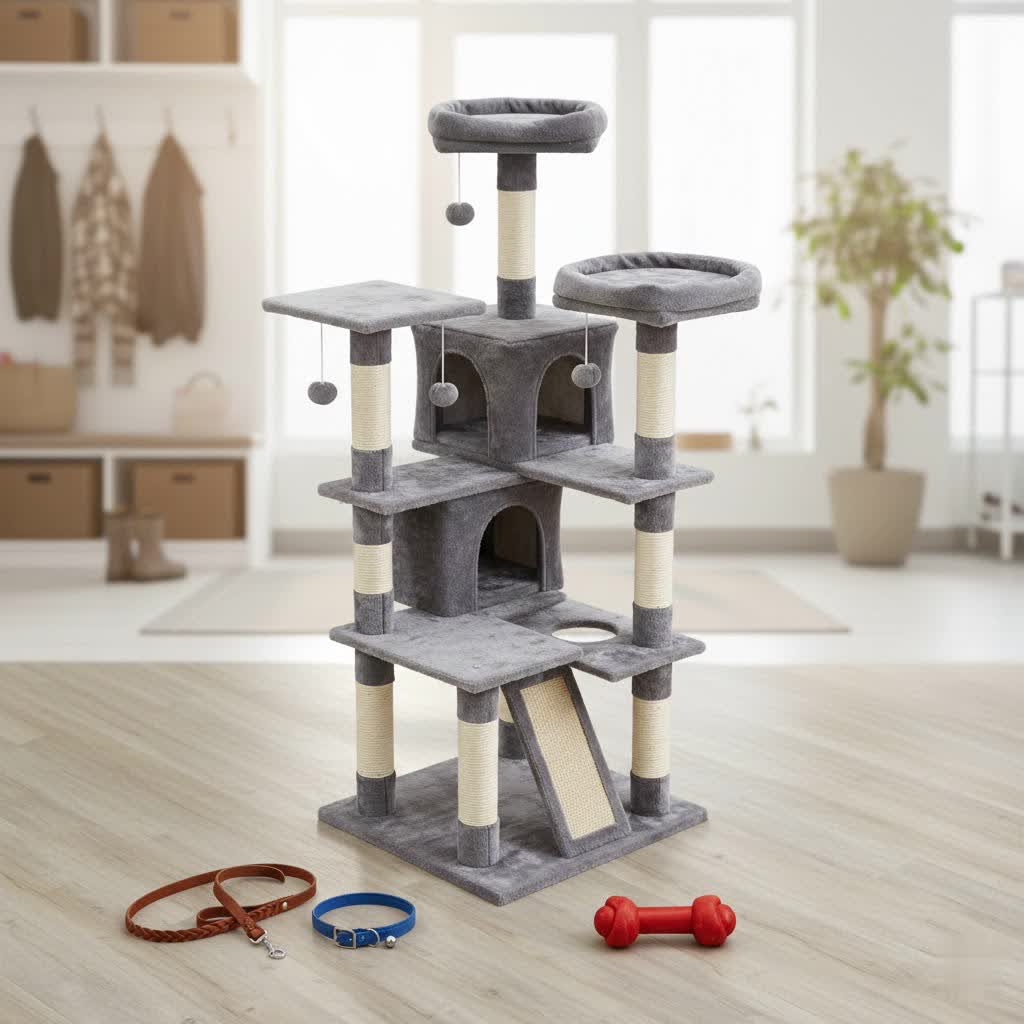
Maine Coons are truly magnificent felines, celebrated for their impressive size, luxurious coats, and wonderfully playful personalities. But when you share your home with these gentle giants, you quickly realize that standard cat accessories simply won’t do. Providing a high-quality, specialized cat tree isn’t just a luxury; it’s a vital investment in your Maine Coon’s physical health, mental well-being, and overall happiness. Imagine your majestic companion trying to balance on a flimsy perch or attempting to fully stretch on a short scratching post – it’s a comical, yet concerning, thought. This guide will walk you through everything you need to know to choose the perfect cat tree, ensuring your Maine Coon has a safe, stimulating, and comfortable personal sanctuary.
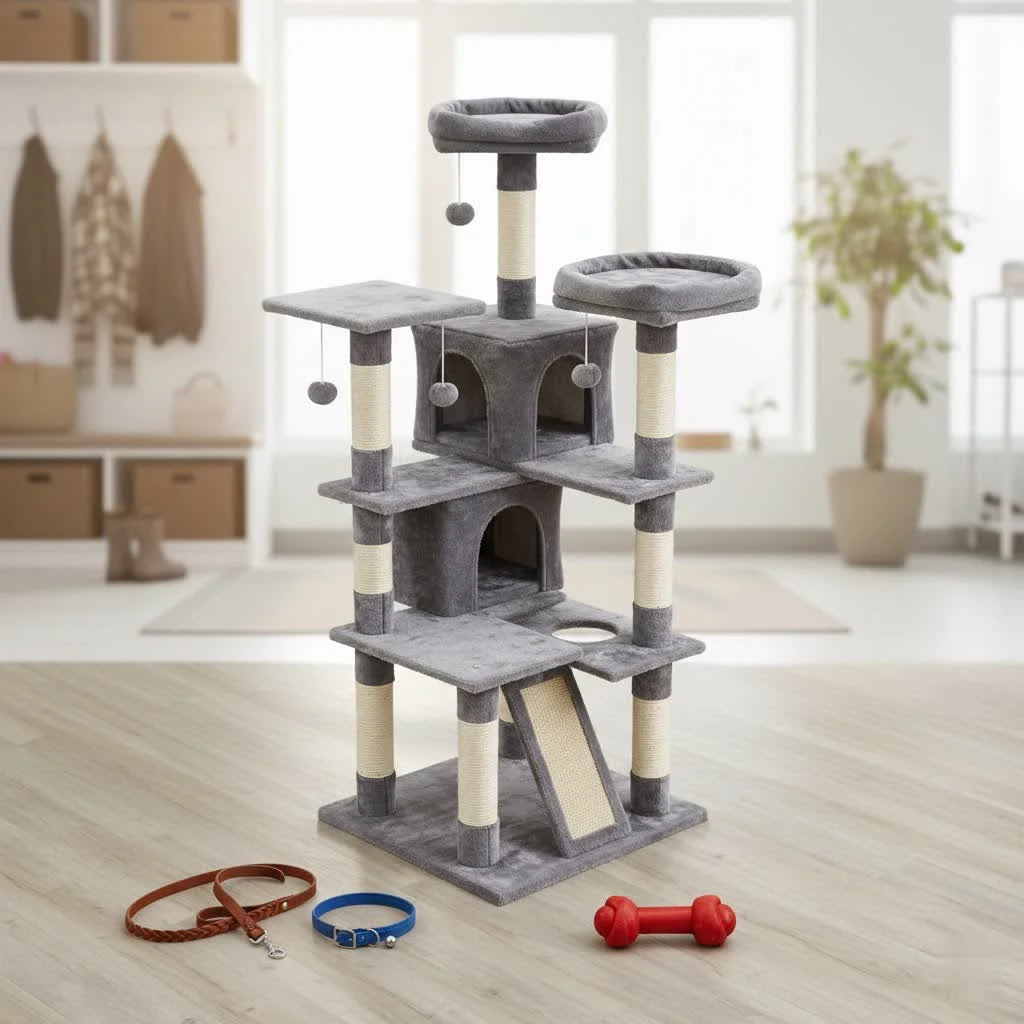
Why Your Maine Coon Needs a Specialized Cat Tree
Maine Coons are unique. Their substantial size, often ranging from 13 to 20 pounds (and sometimes even more!), along with their powerful jumps and stretches, mean they require furniture designed specifically to handle their robust nature. Unlike smaller breeds, a Maine Coon needs ample space to truly thrive. A well-chosen cat tree provides numerous benefits, acting as their personal playground, observation deck, and tranquil retreat all in one.
Firstly, it offers crucial physical exercise. Maine Coons are natural climbers and jumpers, and a sturdy, multi-level tree encourages them to engage in these instincts, helping to maintain a healthy weight and strong muscles. Secondly, it’s a significant stress reliever. Having a high perch allows them to survey their domain from a safe vantage point, fulfilling their innate desire to observe their surroundings and feel secure. Thirdly, dedicated scratching posts are essential for maintaining healthy claws and, perhaps more importantly, diverting their scratching from your valuable furniture. Finally, a cat tree provides a designated “safe space” where they can retreat for undisturbed naps or simply enjoy some quiet solitude. Without a specialized tree, your Maine Coon might feel cramped, unfulfilled, and potentially turn to less desirable climbing or scratching surfaces.
Understanding Maine Coon Cat Tree Types
The market offers a variety of cat tree designs, each with its own advantages, though not all are suitable for a large breed like the Maine Coon. Understanding these types will help you narrow down your options to find the perfect fit for your feline and your home.
Simple Multi-Level Towers: These are generally tall, vertical structures with several platforms stacked one above the other. They are great for maximizing vertical space and providing climbing opportunities, often incorporating a few scratching posts.
Complex Multi-Tier Structures with Condos and Hammocks: These are more elaborate, featuring multiple levels, enclosed hideaways (condos), cozy hammocks, and a network of perches and scratching areas. They cater to a wider range of activities, from active play to private lounging.
Wall-Mounted Cat Shelves and Climbers: While not traditional “trees,” these systems attach directly to your wall, offering vertical pathways and perches. They can be excellent for saving floor space and providing a highly customizable climbing experience. However, they require careful installation and strong wall anchors to support a Maine Coon’s weight. Given the structured table format, we’ll focus on freestanding options for direct comparison.
Comparing Cat Tree Features for Maine Coons
|
Our Picks for the Best Cat Tree in 2026
As an Amazon Associate I earn from qualifying purchases.
|
||
| Num | Product | Action |
|---|---|---|
| 1 | 37.4" Cactus Cat Tree Tower with Twin Cat Condos for Indoor Cats, All-in-One Activity Center with Cat Scratching Post Cozy Sleeping Perch Hammock and Toy Balls,Green … |

|
| 2 | Xin Three Layer Cat Tree with Cat Condo and Two Hammocks,Grey |
|
| 3 | Globlazer Heavy Duty Cat Tree, 70 inch Sturdy Cat Tree for Indoor Cats Extra Large Cat Tower with Scratching Post, Hammock, Cat Condo for Adult Cats Kittens, F70 Pro, Light Grey |
|
| 4 | Amazon Basics Cat Tree - Indoor Cat & Kittens Multi-Level Climbing Activity Tower with Scratching Posts, Large (45.9"H) - Beige |
|
| 5 | Amazon Basics Cat Tree for Indoors Cats, Multi-Level Cat Tower Cat Condo with Scratching Post, Cozy Hammock and Perches for Adult Cats, Interactive Dangling Ball, L – 60.1” (152.7cm) H, Grey |
|
| 6 | Globlazer Heavy Duty Cat Trees for Large Cats, Sturdy 72in Maine Coon Cat Tree for Large Cats 20 lbs+ Heavy Duty Cat Tower for Adult Biggest Cat with 6 Scratching Posts, Hammock, S72, Dark Gray |
|
| 7 | Feandrea Cat Tree, 59.5-Inch Tall Cat Tower, Plush Multi-Level Condo with 5 Scratching Posts, 2 Perches, 2 Caves, Hammock, 2 Pompoms, Light Gray UPCT192W01 |
|
| 8 | Hey-brother Wooden Cat Tree, 69.7 inch Cats Furniture Tower with Large Platforms, Hammocks, Spacious Condo, Full Sisal Scratching Posts, Ladder, Brush, Water Proof Surface, Rustic Brown MPJ121SR |
|
| 9 | YUNIQUE Cat Tree with Cat Condo and Big Hammock, Grey |
|
| 10 | Heybly Cat Tree with Toy, Cat Tower Condo for Indoor Cats, Cat House with Padded Plush Perch, Cozy Hammock and Sisal Scratching Posts, Smoky Gray HCT004SG |
|
When evaluating cat trees, a feature-by-feature comparison can help you visualize which design best suits your Maine Coon’s personality and your living space.
| Feature | Simple Tower | Multi-Tier Complex | With Condo/House |
|---|---|---|---|
| Pros | Space-efficient for narrow areas, often more budget-friendly | Maximizes vertical exploration, varied activities, suitable for multiple cats | Enhanced privacy, security, ideal for cozy naps and hideaways |
| Cons | Limited activities, fewer dedicated resting spots, can be less stable if too tall and narrow | Can be bulky, requires more floor space, often higher price point | Can be harder to clean inside enclosed spaces, may feel less “open” for some cats |
| Best For | Smaller living spaces, single energetic cat who loves to climb high | Multi-cat households, highly active climbers, cats who enjoy varied textures and heights | Shy cats, those seeking secure hideaways, cats who prefer enclosed sleeping areas |
Essential Factors When Choosing a Maine Coon Cat Tree
Selecting a cat tree for a Maine Coon goes beyond mere aesthetics; it’s about safety, durability, and providing an enriching environment. Several key factors must be considered to ensure you make the best choice.
Size and Weight Capacity: This is paramount. Maine Coons are not small cats, and their cat tree must reflect that. Look for trees designed for “large” or “extra-large” cats, with a weight capacity of at least 20-25 pounds per platform, if not more for the entire structure. Platforms themselves should be generously sized, allowing your Maine Coon to stretch out fully without dangling uncomfortably. Imagine a small bed for a human – it just doesn’t work. The same applies to our feline friends.
Stability and Safety: A wobbly cat tree is not just annoying; it’s dangerous. Maine Coons leap and bound with considerable force. A wide, heavy base is non-negotiable, typically at least 24″ x 24″ or larger, especially for taller models. Look for solid wood posts rather than particleboard, as they offer superior strength and longevity. Reinforced joints, secured with screws and wooden dowels instead of plastic connectors or staples, will ensure the tree withstands years of enthusiastic use. A low center of gravity also helps prevent tipping. For exceptionally tall trees, consider models that come with wall-anchoring straps for added security. As Dr. Lena Patel, a Feline Behavior Specialist, aptly notes, “Maine Coons treat their cat trees like jungle gyms. If the structure isn’t built like real furniture, don’t expect it to last long!”
Durable Materials: The materials chosen for your cat tree directly impact its lifespan and your cat’s enjoyment. Solid wood, such as pine, oak, or birch, is vastly superior to particleboard or MDF, which can degrade and break over time under a heavy cat’s weight. For scratching surfaces, tightly wound natural sisal rope is the gold standard. It provides the ideal resistance for claw maintenance and is far more durable than carpet or jute. Plush, household-grade carpet or faux fur coverings should be robust and securely attached. Consider options with removable, washable cushions or covers for ease of cleaning, especially with a breed known for shedding.
Design and Features: Beyond the basics, consider what features will truly enhance your Maine Coon’s life. Multiple levels offer varied heights for climbing and perching. Large, roomy perches and spacious hammocks or enclosed condos provide comfortable spots for lounging and sleeping. Ensure hideaways are large enough for your Maine Coon to comfortably turn around and stretch inside. Tall scratching posts are crucial, allowing your cat to fully extend their body while scratching, a natural and satisfying behavior. Some trees also include interactive dangling toys, which can add an extra layer of engagement.
Your Maine Coon Cat Tree Buying Guide
Navigating the market for the perfect Maine Coon cat tree can be overwhelming, but a structured approach will make the process smoother and more effective.
Set Your Budget: Quality for a Maine Coon cat tree often comes with a higher price tag due to the robust materials and construction required. Determine a realistic budget, but view this as a long-term investment in your cat’s health and the preservation of your home furnishings. While a budget-friendly option might seem appealing, it often leads to premature replacement and potential safety hazards.
Where to Buy: Reputable pet stores and online retailers specializing in large cat furniture are your best bet. Websites dedicated to large breeds or known for high-quality pet products (like Chewy, Wayfair with specific brands, or specialized cat tree manufacturers) will offer a better selection than generic retailers. Don’t be afraid to explore artisan builders who craft custom solid wood trees.
Read Reviews: Always delve into customer reviews, specifically looking for feedback from other Maine Coon or large cat owners. Pay close attention to comments regarding stability, durability, the actual size of platforms and condos, and how well the materials hold up over time. These real-world experiences can provide invaluable insights that product descriptions might miss.
Inspect Before Purchase: If buying in person, thoroughly inspect the construction. Wiggle the posts, check the base for sturdiness, and examine how materials like sisal and carpet are attached. If purchasing online, review the dimensions carefully and understand the return policy in case it doesn’t meet your expectations for size and stability.
Training Your Maine Coon to Love Their New Cat Tree
Even the most magnificent cat tree might take a little convincing for your Maine Coon to adopt as their favorite spot. With patience and a few tricks, you can encourage them to embrace their new furniture.
Strategic Placement: Cats love high vantage points, especially those that offer a good view of their territory. Place the cat tree near a window where they can watch birds and outdoor activity, or in a central location where they feel part of the household action while still being elevated.
Attractants: Catnip is a powerful tool! Sprinkle some on the platforms or rub it on the scratching posts to immediately draw your cat’s attention. Treats placed on different levels can encourage exploration, rewarding them for climbing higher. You can also hang their favorite toys from perches to entice play.
Positive Reinforcement: When your Maine Coon interacts with the tree, offer praise, gentle petting, and treats. This positive association will encourage them to return. Avoid forcing them onto the tree, as this can create negative feelings.
Patience and Consistency: Some cats are naturally more curious than others. If your Maine Coon isn’t an instant fan, don’t despair. Continue to make the tree inviting with attractants and positive reinforcement. Over time, it will likely become a cherished part of their daily routine.
Maintenance Tips for Longevity
A Maine Coon cat tree is an investment, and proper care will ensure it remains safe, clean, and enjoyable for years to come.
Regular Cleaning: Maine Coons shed, and their cat tree will collect fur. Vacuuming the carpeted surfaces and brushing the sisal posts regularly will keep it tidy and extend its life. For spot cleaning, use pet-safe enzymatic cleaners on any soiled areas, ensuring good ventilation. If your tree has removable cushions or covers, wash them according to the manufacturer’s instructions.
Check for Wear and Tear: Periodically inspect the entire structure. Look for loose screws, wobbly platforms, frayed sisal rope, or any signs of structural damage. Tighten any loose connections immediately. Early detection of wear can prevent more significant issues down the line.
Replacement: Scratching posts will eventually wear out. Many high-quality cat trees offer replacement sisal rope or posts. Replacing these worn components not only keeps the tree functional but also encourages your cat to continue using it for scratching, saving your furniture. Don’t hesitate to replace any parts that compromise the stability or safety of the tree.
Conclusion
Choosing the right Maine Coon cat tree is more than just a purchase; it’s a commitment to your beloved feline’s well-being. By prioritizing size, stability, durable materials, and thoughtfully designed features, you provide them with a secure and stimulating environment that caters to their unique needs. A well-selected cat tree offers a lifetime of healthy exercise, stress relief, and blissful lounging, becoming a cherished part of your home and your cat’s world. Invest wisely, and watch your majestic Maine Coon thrive in their elevated domain.
What adventures will your magnificent Maine Coon embark on from their new throne?
Frequently Asked Questions
Is a special cat tree really necessary for a Maine Coon?
Absolutely. Maine Coons are significantly larger and heavier than average cats, often weighing 13-20 pounds or more. Standard cat trees typically lack the stability, spacious platforms, and durable construction required to safely support their weight and vigorous activity, making a specialized, heavy-duty cat tree essential for their safety and enrichment.
What is the best material for a Maine Coon cat tree?
Solid wood (such as pine, oak, or birch) is highly recommended for the structural posts and platforms due to its superior strength and durability compared to particleboard. For scratching posts, tightly wound natural sisal rope is ideal, providing excellent resistance for claw maintenance. Plush, household-grade carpet or sturdy, removable fabric are good choices for comfortable lounging surfaces.
How tall should a Maine Coon cat tree be?
While there’s no single “perfect” height, a Maine Coon cat tree should be tall enough to allow your cat to fully stretch while scratching and to provide multiple high vantage points for observation. Many owners find trees ranging from 60 to 80 inches (5-6.5 feet) or taller to be suitable, provided they have a wide, stable base and reinforced construction.
Can a Maine Coon use a wall-mounted cat tree?
Yes, wall-mounted cat trees or shelving systems can be suitable for Maine Coons, especially in homes with limited floor space. However, it is crucial that these systems are explicitly designed for large cats, use heavy-duty hardware, and are securely anchored into wall studs to safely support their weight and energetic jumps. Look for broad platforms and strong brackets.
Pet products vetted on real animals
Practical specs, not advice. Unsubscribe anytime.
