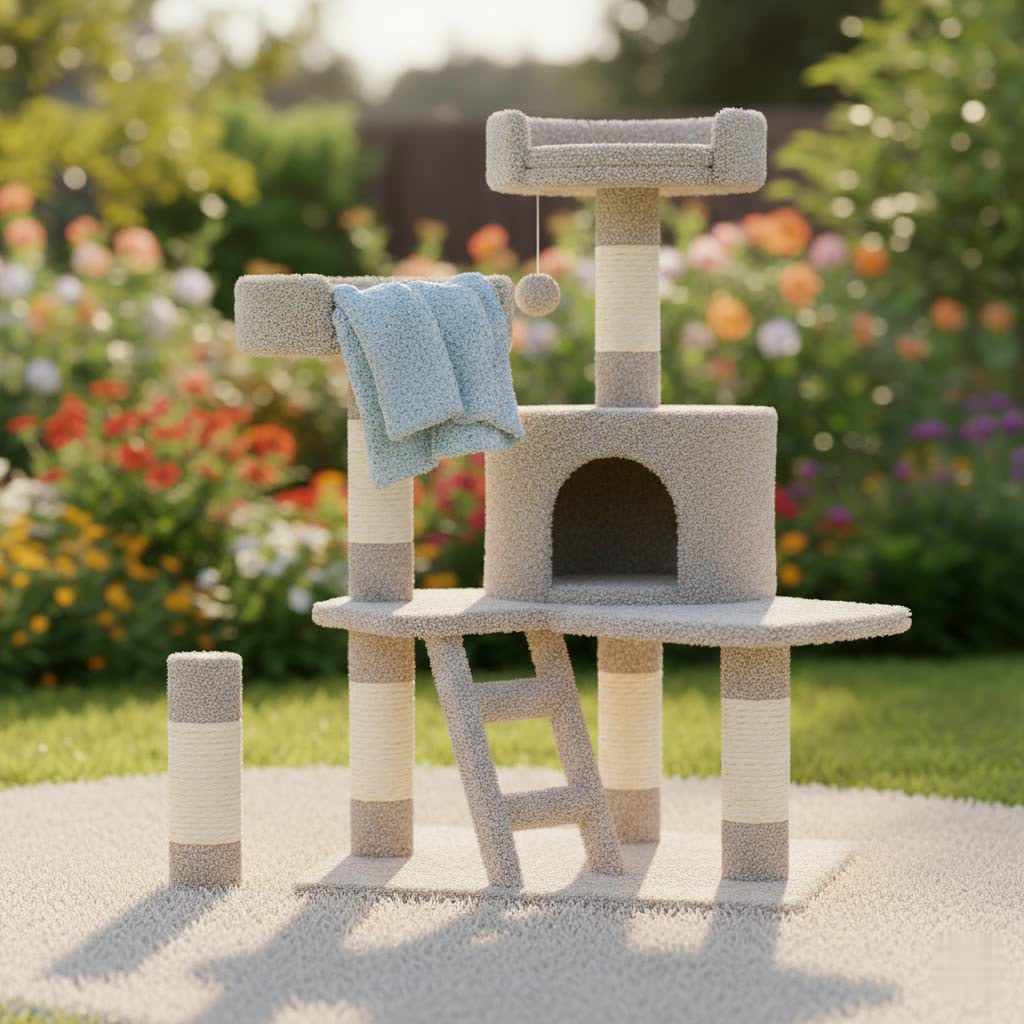
As our beloved feline friends age, their needs evolve. The playful leaps and agile climbs of their youth may give way to more deliberate movements, and a good cat tree becomes less about daring adventures and more about providing accessible comfort, security, and gentle stimulation. Investing in a specialized cat tree for your elderly cat isn’t just about offering a new piece of furniture; it’s about enhancing their quality of life, supporting their health, and ensuring they continue to feel cherished and engaged in their golden yearsLet’s explore how to choose the perfect cat tree that caters to the unique requirements of your senior companion.
Why Do Elderly Cats Need Special Cat Trees?
Aging brings a series of natural changes for cats, impacting their mobility, energy levels, and overall comfort. Understanding these shifts is the first step in providing an environment that supports their well-being. For complete cat tree library on this site.
Older cats often experience reduced agility, joint stiffness, and conditions like arthritis, making high jumps and strenuous climbs difficult or even painful. They may also suffer from muscle mass loss, affecting their strength and balance. Vision and hearing can decline, making navigation challenging, and they tend to sleep more, requiring extra cozy and secure resting spots.
Despite these changes, senior cats still benefit immensely from low-impact exercise and mental engagement. Gentle activity helps maintain muscle tone, supports joint flexibility, and can prevent common age-related issues such as obesity. An elevated vantage point satisfies a cat’s natural instinct to observe their surroundings from a safe, secure place, boosting their confidence and reducing anxiety. A well-designed cat tree provides all these benefits without putting undue strain on their aging bodies.
Essential Features of a Senior-Friendly Cat Tree
Selecting the right cat tree for an elderly feline requires careful consideration of features that prioritize accessibility, comfort, and safety.
Easy Accessibility
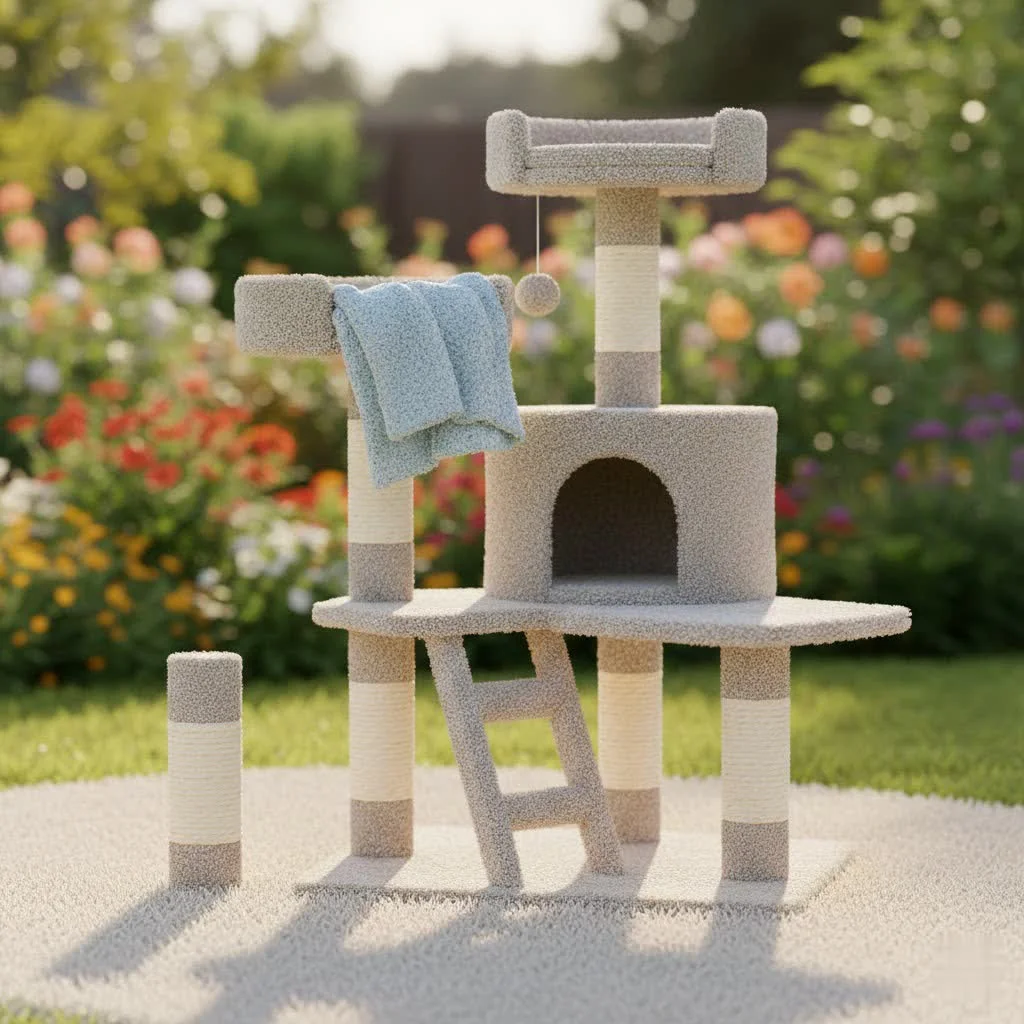
For senior cats, accessibility is paramount. Look for cat trees with gentle ramps, low-gradient steps, or staggered platforms that minimize the need for high jumps. Platforms should be positioned relatively close together, allowing your cat to step rather than leap between levels. Low entry points for condos or hideaways are also crucial, ensuring easy access without unnecessary strain.
Robust Stability
Stability is more important than ever for older cats who may have diminished balance. A solid, heavy base and reinforced posts are essential to prevent the tree from wobbling or tipping, which could deter your cat from using it or even cause injury. Solid wood construction provides superior durability and security.
Ultimate Comfort
|
Our Picks for the Best Cat Tree in 2026
As an Amazon Associate I earn from qualifying purchases.
|
||
| Num | Product | Action |
|---|---|---|
| 1 | Amazon Basics Cat Tree - Indoor Cat & Kittens Multi-Level Climbing Activity Tower with Scratching Posts, Large (45.9"H) - Beige |

|
| 2 | Xin Three Layer Cat Tree with Cat Condo and Two Hammocks,Grey |
|
| 3 | Feandrea Cat Tree, 59.5-Inch Tall Cat Tower, Plush Multi-Level Condo with 5 Scratching Posts, 2 Perches, 2 Caves, Hammock, 2 Pompoms, Light Gray UPCT192W01 |
|
| 4 | Globlazer Heavy Duty Cat Tree, 70 inch Sturdy Cat Tree for Indoor Cats Extra Large Cat Tower with Scratching Post, Hammock, Cat Condo for Adult Cats Kittens, F70 Pro, Light Grey |
|
| 5 | Heybly Cat Tree with Toy, Cat Tower Condo for Indoor Cats, Cat House with Padded Plush Perch, Cozy Hammock and Sisal Scratching Posts, Smoky Gray HCT004SG |
|
| 6 | YUNIQUE Cat Tree with Cat Condo and Big Hammock, Grey |
|
| 7 | 37.4" Cactus Cat Tree Tower with Twin Cat Condos for Indoor Cats, All-in-One Activity Center with Cat Scratching Post Cozy Sleeping Perch Hammock and Toy Balls,Green … |
|
| 8 | Hey-brother Wooden Cat Tree, 69.7 inch Cats Furniture Tower with Large Platforms, Hammocks, Spacious Condo, Full Sisal Scratching Posts, Ladder, Brush, Water Proof Surface, Rustic Brown MPJ121SR |
|
| 9 | Amazon Basics Cat Tree for Indoors Cats, Multi-Level Cat Tower Cat Condo with Scratching Post, Cozy Hammock and Perches for Adult Cats, Interactive Dangling Ball, L – 60.1” (152.7cm) H, Grey |
|
| 10 | Globlazer Heavy Duty Cat Trees for Large Cats, Sturdy 72in Maine Coon Cat Tree for Large Cats 20 lbs+ Heavy Duty Cat Tower for Adult Biggest Cat with 6 Scratching Posts, Hammock, S72, Dark Gray |
|
Senior cats spend a significant portion of their day sleeping, often up to 18 hours. Providing luxurious comfort is key. Choose trees with plush, orthopedic bedding, padded perches, and cozy, spacious hideaways or hammocks. Wide perches allow them to stretch out comfortably, reducing pressure on their joints.
Appropriate Height & Layout
While young cats love towering structures, a moderate overall height (ideally between 30-50 inches) is often best for senior felines. The goal is to provide elevation without demanding athletic leaps. Ample surface area on each platform ensures your cat has enough room to comfortably rest and maneuver.
Accessible Scratching Surfaces
Scratching is a natural and necessary behavior that helps maintain claw health and allows for a good stretch. Ensure the cat tree includes sisal or paper rope scratching posts that are within easy reach and at various angles, accommodating reduced flexibility.
Safety First
Beyond stability, check for other safety features. Rounded edges can prevent accidental bumps or scrapes. Avoid designs with small, tight spaces where an older cat might become stuck or uncomfortable. Any hanging toys should be securely attached and routinely inspected for potential hazards.
Types of Cat Trees Suitable for Senior Felines
While the market offers a wide variety of cat trees, certain types are particularly well-suited for elderly cats. These often incorporate features that mitigate mobility challenges while still offering enrichment.
- Low-Profile Multi-Level Trees with Ramps/Steps: These are excellent choices, featuring several levels connected by ramps or gentle stairs, eliminating the need for jumping. They provide vertical space and exploration opportunities in a safe manner.
- Cat Condos or Cubes with Accessible Levels: Structures focused on cozy, enclosed spaces with low entry points and multiple easy-to-reach tiers offer security and comfort for cats who prefer horizontal movement or just a bit of elevation.
- Stair-like Structures or Pet Steps: Sometimes, a dedicated cat tree isn’t necessary, and pet steps or stairs leading to a favorite window sill or bed can provide the desired elevation without any complex climbing.
Here’s a comparison to help visualize ideal features:
| Feature | Ideal for Senior Cats | Avoid for Senior Cats |
|---|---|---|
| Access | Ramps, gentle steps, staggered platforms | Steep jumps, large gaps between levels |
| Height | Moderate (30-50 inches), low entry | Very tall, precarious perches |
| Comfort | Plush, orthopedic beds, wide perches, cozy enclosures | Small, hard, or unstable perches |
| Stability | Heavy, solid wood base, reinforced posts | Flimsy, wobbly structures |
| Scratching | Sisal/paper rope at reachable heights | High, difficult-to-reach scratching posts |
How to Choose the Perfect Cat Tree for Your Elderly Companion
Making the right choice for your senior cat involves a blend of understanding their individual needs and practical considerations for your home.
Firstly, assess your cat’s specific needs. Observe their current mobility: do they struggle with certain heights? Do they prefer lounging or still enjoy some climbing? Consider their size and weight, ensuring platforms are large enough and the tree’s weight capacity is appropriate.
Next, consider your home space. Measure the area where you plan to place the cat tree to ensure it fits comfortably without impeding traffic flow. Think about how the tree’s design will integrate with your existing décor.
Establish a budget that aligns with your financial comfort. While quality cat trees can be an investment, many excellent options exist across different price points.
Before purchasing, read reviews from other cat parents, especially those with senior cats. Look for feedback on ease of assembly, stability, and how well senior cats adapted to the tree. Pay close attention to descriptions of materials and construction.
Finally, upon delivery, inspect the quality and materials thoroughly. Ensure there are no sharp edges, loose components, or strong chemical odors. The materials should feel durable, safe, and comfortable for your cat.
Tips for Encouraging Your Senior Cat to Use Their New Cat Tree
Even with the perfect cat tree, some senior felines might be hesitant to try new things. Patience and positive reinforcement are key to helping them embrace their new sanctuary.
Strategic placement is crucial. Place the cat tree in a location your cat already loves, such as near a sunny window for bird-watching, or in a room where they spend a lot of time with you. Near a couch or bed can also encourage them to use nearby furniture as a stepping stone.
Use attractants to pique their interest. Sprinkle some catnip on the perches, place their favorite treats on different levels, or hang a beloved toy from a lower branch.
Positive reinforcement and patience will go a long way. When your cat investigates or uses the tree, offer praise, gentle petting, or small treats. Avoid forcing them onto the tree, as this can create a negative association. Just like people, cats develop new habits over time.
Gradually, make the cat tree a consistent part of their daily routine. This could involve leading them to it for a morning stretch or an evening nap. Consistency helps them associate the tree with comfort and security.
Maintaining Your Senior Cat’s Tree for Lasting Comfort and Safety
Proper maintenance ensures your cat tree remains a safe, hygienic, and inviting space for your elderly cat for years to come.
Regular cleaning is vital. Vacuum the tree frequently to remove loose fur, dust, and dander. For any spills or stains, spot clean with a pet-safe, non-toxic cleaning solution. Avoid harsh chemicals that could irritate your cat.
Periodically, check for wear and tear. Inspect all platforms, scratching posts, and structural components. Sisal rope can fray, and plush fabric can wear thin. If parts are damaged or worn, consider replacing them if possible, or reinforcing them to prevent potential hazards.
Finally, ensure stability over time. Over weeks and months, screws might loosen. Routinely tighten all fasteners to maintain the tree’s sturdy construction, preventing any wobbling that could make your senior cat feel insecure.
Conclusion
Choosing a cat tree for an elderly cat is a thoughtful act of love that directly impacts their health, happiness, and sense of security. By prioritizing features like easy accessibility, robust stability, ultimate comfort, and appropriate height, you can provide a dedicated space where your senior feline can relax, observe, and engage with their environment without strain. that a well-chosen cat tree is more than just furniture; it’s an investment in their continued vitality and joy.
What special features has your elderly cat enjoyed most in their cat tree?
Frequently Asked Questions
Are cat trees really necessary for elderly cats?
Yes, cat trees can be highly beneficial for elderly cats. They provide a safe, elevated space that satisfies a cat’s natural instinct to climb and observe, even if their mobility is reduced. A senior-friendly cat tree offers low-impact exercise, mental stimulation, and comfortable resting spots, which are crucial for maintaining their physical and mental well-being as they age.
What height is best for a senior cat tree?
For senior cats, a moderate height cat tree is generally best, typically ranging between 30 to 50 inches. The key is to avoid excessively tall structures that require strenuous jumps. Instead, focus on trees with multiple, closely spaced levels, ramps, or gentle steps that allow easy ascent and descent, ensuring your cat can reach various vantage points without discomfort or risk of falling.
What materials are safest and most comfortable for older cats?
The safest and most comfortable materials for older cats include plush, soft fabrics like faux fur or fleece for lounging areas, as these reduce pressure on aging joints. For scratching surfaces, sisal rope or paper rope are excellent choices as they provide a satisfying texture for claw maintenance. Ensure all materials are non-toxic, durable, and securely attached to a solid wood or reinforced frame for stability.
Pet products vetted on real animals
Practical specs, not advice. Unsubscribe anytime.
