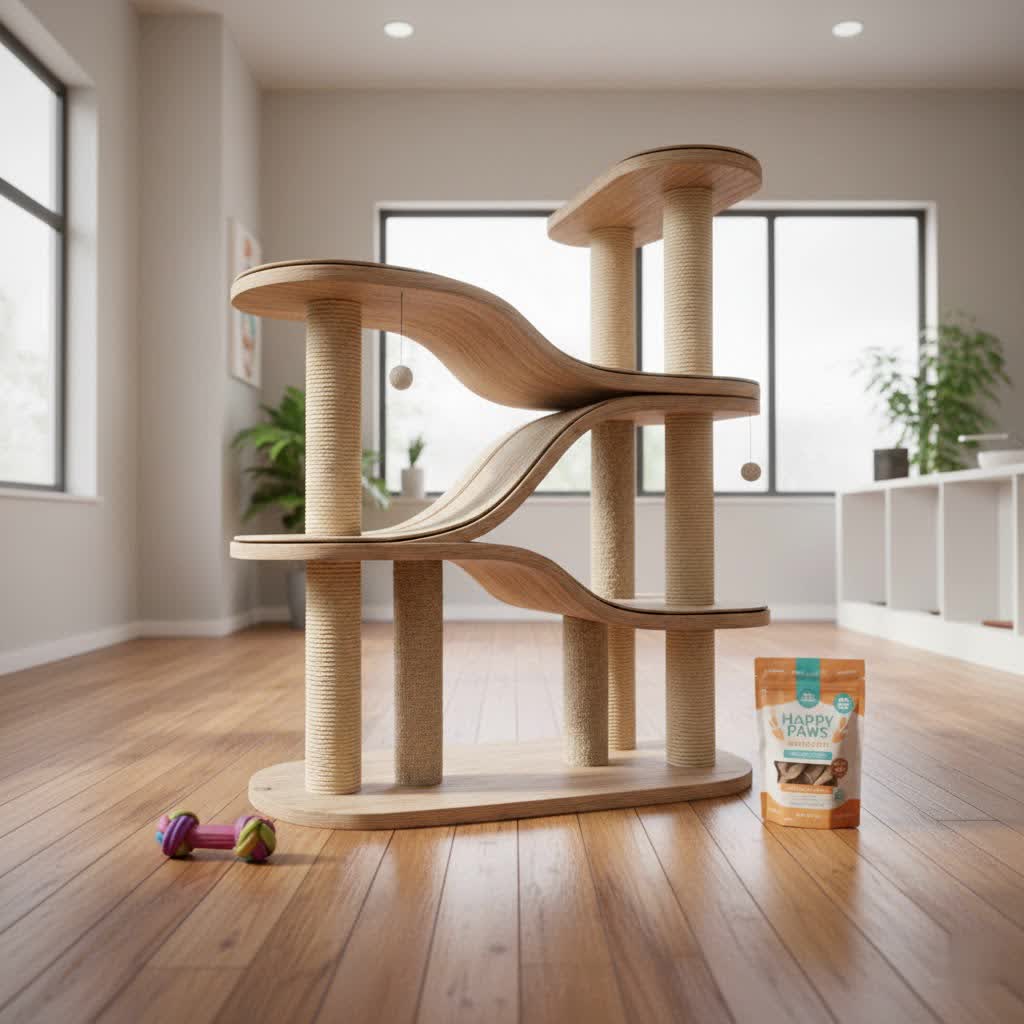
Every cat parent understands the joy and occasional chaos that comes with sharing a home with their beloved feline. From playful pounces to serene sunbathing, our cats bring so much life into our spaces. A crucial investment in their well-being and your home’s harmony is a quality cat tree. Among the many choices, carpet cat trees stand out as a popular option, offering a unique blend of comfort, scratching satisfaction, and aesthetic versatility. But what truly makes a carpet cat tree the right choice for your furry companion, and how do you pick one that will last?
This comprehensive guide will walk you through everything you need to know about carpet cat trees, ensuring you make an informed decision that benefits both you and your cat. We’ll explore why these structures are so important, dive into their specific advantages and disadvantages, and provide practical tips for selection, training, and maintenance.
Why Cats Need a Cat Tree?
Cats, by nature, are creatures of instinct. Even domesticated felines retain many of the behaviors of their wild ancestors, and a cat tree provides a safe and stimulating outlet for these innate needs. Investing in a cat tree isn’t just about buying a piece of pet furniture; it’s about enriching your cat’s life and safeguarding your home.
Firstly, cat trees are vital for physical health. The verticality encourages climbing and jumping, providing much-needed exercise to maintain a healthy weight and strong muscles. Secondly, they serve as essential scratching posts, allowing cats to shed outer claw layers, mark territory, and stretch their bodies. Without appropriate scratching surfaces, your furniture can quickly become the target. Finally, cat trees cater to their mental well-being. Elevated perches offer a sense of security, allowing cats to survey their domain from a safe vantage point. They provide a private sanctuary for napping and can significantly reduce stress, especially in multi-pet households or busy environments.
What Makes Carpet Cat Trees Unique?
Carpet cat trees are a classic choice, often being the first image that comes to mind when one thinks of feline furniture. Their distinct qualities stem directly from their carpeted surfaces, offering specific benefits and considerations.
The primary appeal lies in their comfort and warmth. The plush, soft texture of the carpet creates an inviting haven for cats to lounge, nap, and relax, making these towers particularly appealing during colder months when a cozy spot is highly sought after. Many cats find the cushioned surfaces irresistible for a comfortable snooze, away from the hustle and bustle of daily life.
Carpet is ideal for scratching and climbing. The textured surface provides a satisfying grip and resistance, promoting healthy scratching habits and allowing cats to keep their claws sharp and in good condition. Cats often enjoy tearing into the carpet, especially when feeling frisky, fulfilling a deep-seated instinct [cite: 1 in search results]. This texture also makes climbing easy and secure, transforming the cat tree into an engaging vertical playground.
From a safety perspective, the soft surfaces of carpet cat trees often provide safer landings for cats who love to jump and climb, potentially reducing the risk of injury from falls. Lastly, the aesthetic variety of carpeted cat trees is a significant draw for many owners. They come in a broad selection of textures, colors, and patterns, allowing you to choose a tree that seamlessly integrates with your home’s decor.
Types of Cat Trees
Cat trees come in various forms, and carpet is a versatile material that can be incorporated into almost any design to enhance its appeal to felines.
- Simple Scratching Posts: These are often single, vertical posts entirely covered in carpet or a combination of carpet and sisal, designed primarily for scratching.
- Multi-Level Cat Towers: The most common type, featuring multiple platforms, perches, and sometimes hammocks. Carpet provides soft surfaces for lounging and climbing on these structures.
- Cat Condos or Caves: These designs incorporate enclosed spaces, offering cats a private, den-like retreat. The interiors are frequently carpeted for added coziness and a sense of security.
- Wall-Mounted Cat Trees: For space-saving solutions, wall-mounted shelves and platforms can be covered with carpet, providing soft, accessible climbing and perching spots.
Comparing Cat Tree Materials: Carpet’s Place
When selecting a cat tree, material choice is paramount. While carpet offers unique advantages, it’s helpful to compare it with other common options.
| Feature | Carpet Cat Tree | Sisal Cat Tree | Wood Cat Tree |
|---|---|---|---|
| Pros | Cozy & soft, excellent for scratching, safer landings, varied aesthetics. | Highly durable, preferred for aggressive scratching, natural fiber. | Stylish, long-lasting, easy to clean, hygienic, can be eco-friendly. |
| Cons | Traps dirt/fur/odors, can wear out/fray, potential for claws to get stuck in looped pile, off-gassing risk. | Can fray over time, less soft for lounging, may not appeal to all cats. | Less comfortable for lounging (unless padded), may require separate scratching surfaces, can be expensive. |
| Best For | Cats who love comfort and soft scratching surfaces, varied aesthetic matching. | Avid scratchers, promoting strong claw health, modern aesthetics. | Owners prioritizing durability, hygiene, and contemporary design. |
Key Factors When Choosing a Carpet Cat Tree
Selecting the ideal carpet cat tree involves considering several crucial factors to ensure it meets both your cat’s needs and your household’s practical requirements.
Carpet Quality: Not all carpets are created equal. Prioritize cat trees made with durable, tightly woven carpet that can withstand rigorous scratching and climbing. High-quality carpet ensures longevity and a satisfying experience for your cat. Crucially, avoid looped, low-pile style carpets, as these can cause your cat’s claws to get stuck, potentially leading to injury. Always check customer reviews to gauge the actual carpet quality.
Overall Stability: Regardless of material, stability is non-negotiable for any cat tree. A wobbly or unstable structure can deter your cat from using it and even pose a safety hazard, especially for larger or more energetic felines. Look for a heavy, wide base and solid construction. Some multi-level carpet cat trees include wall-mounting kits for added security.
Size and Design: The cat tree should be proportionate to your cat’s size and your available living space. A large cat like a Maine Coon will need a taller, sturdier tree with ample perching and lounging areas, while a smaller cat might be content with a more compact option. Consider your cat’s activity level too; an energetic climber will benefit from multiple levels and varied scratching surfaces. The design should also integrate harmoniously with your home decor.
Ease of Cleaning: Carpet, by its nature, can trap fur, dander, and odors, making regular cleaning essential. Look for carpet cat trees that are easy to clean. Models with removable carpet sections are a major upgrade, allowing you to wash specific areas or even replace worn-out parts, extending the life of the tree and maintaining hygiene.
Non-Toxic Materials: Some synthetic carpets and adhesives used in cheaper cat trees can contain chemicals that off-gas, potentially affecting air quality and your cat’s health. Look for products that specify non-toxic materials, and if possible, seek certifications like CRI Green Label Plus, which indicates low-emission carpeting.
Combination Materials: Many carpet cat trees cleverly combine materials. You might find a tree with carpeted platforms for lounging and sisal-wrapped posts for scratching. This provides a variety of textures, catering to all your cat’s instinctual needs in one structure.
Your Buying Guide to the Perfect Carpet Cat Tree
Equipped with knowledge about carpet cat trees, here’s how to navigate the purchasing process:
Determine Your Budget: Carpet cat trees vary widely in price, from budget-friendly options to premium, custom-made designs. Decide on a realistic price range that reflects the size, features, and quality you desire. that a higher initial investment in a durable, high-quality tree can save money on replacements in the long run.
Where to Buy: Reputable pet supply stores, both brick-and-mortar and online, are excellent places to start. Online retailers often provide a wider selection and customer reviews that are invaluable. Consider stores specializing in pet furniture for unique or higher-quality options.
Read Reviews and Testimonials: This step is crucial, especially for carpet cat trees. Customer reviews offer real-world insights into the quality of the carpet, the tree’s stability, ease of assembly, and how well cats actually take to it. Pay attention to comments regarding shedding, durability, and any issues with claws getting snagged.
Inspect Quality (if possible): If buying in person, physically inspect the tree. Check for sturdy construction, secure carpet attachment (no loose edges), and overall stability. For online purchases, rely heavily on detailed product descriptions and customer photos.
Training Your Cat to Love Their Carpet Cat Tree
Once you’ve brought your new carpet cat tree home, you’ll want to ensure your feline friend embraces it wholeheartedly.
- Strategic Placement: Cats love to observe their surroundings. Place the cat tree in a popular room, ideally near a window, where your cat can enjoy sunlight and watch outdoor activity.
- Irresistible Lures: Use catnip spray on the carpeted surfaces to attract your cat. Dangling toys from the perches can also encourage exploration.
- Positive Reinforcement: When your cat uses the tree for scratching, climbing, or napping, offer praise, gentle petting, or a small treat. Positive associations build good habits.
- Patience and Consistency: It might take some time for your cat to fully adopt their new tree. Be patient, continue to encourage them, and make it the most inviting spot in the house.
Cleaning and Maintenance for Longevity
To keep your carpet cat tree fresh, hygienic, and appealing to your cat for years, regular cleaning and maintenance are essential.
- Vacuum Regularly: Carpet can quickly accumulate fur, dust, and dander. Use a handheld vacuum or a vacuum with appropriate attachments to clean all carpeted surfaces frequently.
- Spot Clean Stains: For spills or accidents, spot clean immediately using a pet-safe enzymatic cleaner. Avoid harsh chemicals that could be harmful to your cat or damage the carpet.
- Wash Removable Sections: If your cat tree features removable carpet sections, follow the manufacturer’s instructions for washing. This is the most effective way to eliminate deep-seated dirt and odors.
- Replace Worn Parts: Over time, even durable carpet will show wear. If sections become excessively frayed or damaged, especially scratching posts, consider replacing just those parts if the tree design allows. This extends the life of the entire structure.
“A well-chosen cat tree is more than just furniture; it’s a critical component of a cat’s enriched environment, supporting both their physical agility and mental serenity.” – Dr. Jane Smith, Feline Behaviorist.
Conclusion
Choosing the perfect carpet cat tree is a meaningful investment in your cat’s health, happiness, and overall well-being. By understanding their innate needs, recognizing the unique benefits and considerations of carpet as a material, and applying a thoughtful selection process, you can provide a dedicated space for them to scratch, climb, lounge, and observe their world. Prioritize high-quality, durable carpet, ensure excellent stability, and plan for regular cleaning to ensure your chosen cat tree remains a beloved centerpiece of your feline’s life for years to come.
Ready to enhance your cat’s world? What feature of a carpet cat tree do you think your feline friend would love the most?
Frequently Asked Questions
Are carpet cat trees safe for cats?
|
Our Picks for the Best Cat Tree in 2026
As an Amazon Associate I earn from qualifying purchases.
|
||
| Num | Product | Action |
|---|---|---|
| 1 | Globlazer Heavy Duty Cat Trees for Large Cats, Sturdy 72in Maine Coon Cat Tree for Large Cats 20 lbs+ Heavy Duty Cat Tower for Adult Biggest Cat with 6 Scratching Posts, Hammock, S72, Dark Gray |

|
| 2 | Xin Three Layer Cat Tree with Cat Condo and Two Hammocks,Grey |
|
| 3 | 37.4" Cactus Cat Tree Tower with Twin Cat Condos for Indoor Cats, All-in-One Activity Center with Cat Scratching Post Cozy Sleeping Perch Hammock and Toy Balls,Green … |
|
| 4 | Globlazer Heavy Duty Cat Tree, 70 inch Sturdy Cat Tree for Indoor Cats Extra Large Cat Tower with Scratching Post, Hammock, Cat Condo for Adult Cats Kittens, F70 Pro, Light Grey |
|
| 5 | YUNIQUE Cat Tree with Cat Condo and Big Hammock, Grey |
|
| 6 | Feandrea Cat Tree, 59.5-Inch Tall Cat Tower, Plush Multi-Level Condo with 5 Scratching Posts, 2 Perches, 2 Caves, Hammock, 2 Pompoms, Light Gray UPCT192W01 |
|
| 7 | Amazon Basics Cat Tree for Indoors Cats, Multi-Level Cat Tower Cat Condo with Scratching Post, Cozy Hammock and Perches for Adult Cats, Interactive Dangling Ball, L – 60.1” (152.7cm) H, Grey |
|
| 8 | Hey-brother Wooden Cat Tree, 69.7 inch Cats Furniture Tower with Large Platforms, Hammocks, Spacious Condo, Full Sisal Scratching Posts, Ladder, Brush, Water Proof Surface, Rustic Brown MPJ121SR |
|
| 9 | Heybly Cat Tree with Toy, Cat Tower Condo for Indoor Cats, Cat House with Padded Plush Perch, Cozy Hammock and Sisal Scratching Posts, Smoky Gray HCT004SG |
|
| 10 | Amazon Basics Cat Tree - Indoor Cat & Kittens Multi-Level Climbing Activity Tower with Scratching Posts, Large (45.9"H) - Beige |
|
Yes, carpet cat trees can be very safe for cats, offering soft landings and good grip for climbing. However, it is crucial to avoid looped, low-pile carpets, as these can snag your cat’s claws and potentially cause injury. Opt for tightly woven, durable carpet materials for the best safety and longevity.
How often should I clean a carpet cat tree?
Regular cleaning is vital. You should vacuum your carpet cat tree at least once a week to remove loose fur and dander. Spot clean any stains immediately. If your tree has removable carpet sections, washing them monthly or bi-monthly, or as needed, will help maintain a hygienic environment.
Do cats prefer carpet or sisal for scratching?
Cats have individual preferences, but many enjoy both carpet and sisal for scratching. Sisal, a natural fiber, is often preferred for more aggressive scratching due to its rough, durable texture. Carpet provides a softer scratching surface that some cats find highly satisfying, along with comfortable lounging areas. A tree combining both materials often offers the best of both worlds.
Can I replace the carpet on a cat tree if it gets damaged?
Some high-quality carpeted cat trees are designed with replaceable sections, allowing you to easily swap out worn or damaged carpet. This feature can significantly extend the life of the tree. Always check the product details or manufacturer’s website to see if replacement parts are available before purchasing.
Pet products vetted on real animals
Practical specs, not advice. Unsubscribe anytime.

I bought a carpet cat tree based on the recommendations for older cats, specifically looking for something with easy-to-access levels. While my senior cat, Whiskers, does enjoy the soft carpet, I found that the assembly was a bit more challenging than expected. One of the screws didn’t quite line up perfectly, which was a minor frustration. It’s stable now, but took some extra effort.
My cat, Mittens, is super picky, especially when it comes to new furniture. I appreciated the tips on introducing a new cat tree gradually. I followed the advice about placing treats on different levels, and she’s finally starting to explore it. The carpet texture seems to be a big hit for her scratching needs, which is a relief for my sofa!
I was really struggling to find a cat tree that my two energetic Bengals wouldn’t immediately destroy. This guide helped me understand the importance of durable carpet material. I ended up getting the ‘Kitty Kingdom’ model you mentioned, and it’s been a game-changer! They love the multiple scratching posts and the cozy top perch for napping.
This guide was incredibly helpful in narrowing down my choices. I learned a lot about the different types of carpet used and why some are better for aggressive scratchers. I went with a tree that had sisal-wrapped posts combined with carpeted platforms, and my cat has completely stopped trying to claw the curtains. Best purchase for her enrichment in a long time!