
Have you ever wondered why your cat loves scaling bookshelves, perching on high ledges, or seemingly surveying their kingdom from the top of your fridge? It’s not just curiosity; it’s an instinct deeply rooted in their nature. Cats are natural climbers and observers, and a multi-level cat tree isn’t just a piece of furniture—it’s an essential investment in their physical and mental well-being. These towering structures provide an enriching environment that satisfies a feline’s innate desires, offering a dedicated space for play, rest, and observation.
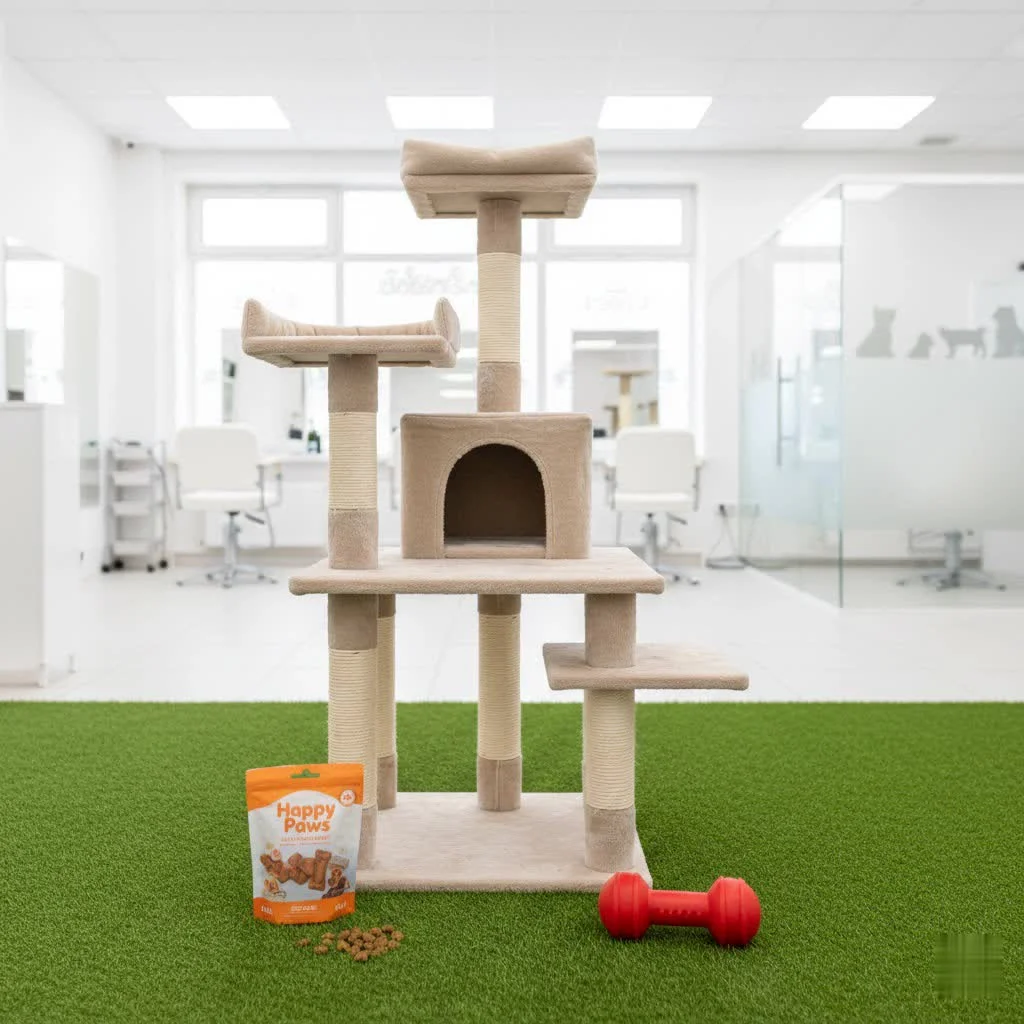
In this comprehensive guide, we’ll explore why multi-level cat trees are indispensable for happy, healthy cats, examine the various types and features available, and equip you with the knowledge to choose, train your cat to use, and maintain the perfect multi-level sanctuary for your cherished companion. Get ready to improve your cat’s world, one level at a time.
Why Your Cat Needs a Multi-Level Cat Tree
For our indoor feline friends, the world can sometimes feel a bit flat. A multi-level cat tree addresses this by providing crucial vertical territory, mimicking the trees and rocky outcrops cats would naturally climb in the wild. This vertical dimension is vital for several reasons, enhancing both a cat’s physical health and psychological comfort.
Firstly, these structures fulfill a cat’s natural instincts to climb, jump, and scratch. Cats need to stretch their bodies and sharpen their claws, and a multi-level tree provides appropriate outlets for these behaviors, sparing your furniture from unwanted attention. Leaping from perch to perch offers excellent exercise, which is essential for maintaining a healthy weight and preventing boredom-induced behavioral issues.
Secondly, vertical space is a cornerstone of feline security and stress reduction. Cats often feel safer and more confident when elevated, as it allows them to survey their surroundings and monitor potential threats from a secure vantage point. This is particularly beneficial in multi-cat households, where hierarchical dynamics often see dominant cats claiming higher spots. Multi-level trees offer multiple perching spots, which can significantly reduce competition and territorial disputes, fostering a more harmonious environment for all. Having a private, elevated retreat provides a safe haven for shy or anxious cats, allowing them to retreat and feel secure when household activity becomes overwhelming.
Exploring the Varieties of Multi-Level Cat Trees
Multi-level cat trees come in a dazzling array of designs, each offering unique features to cater to different feline personalities and living spaces. While the core concept remains providing vertical engagement, the execution varies widely, from sprawling complexes to space-saving marvels.
Complex Tower Cat Trees are perhaps the most common form of multi-level designs. These extensive structures feature numerous platforms at varying heights, often interconnected by ramps, ladders, or sisal-wrapped posts. They typically include cozy cubbies or condos for secluded naps, dangling toys for interactive play, and multiple scratching surfaces. These towers are ideal for active cats, multi-cat households, or larger breeds that require ample space to climb, stretch, and explore.
For homes with limited floor space, Wall-Mounted Cat Tree Systems offer an ingenious solution. These designs utilize vertical wall space, creating a series of shelves, perches, and hammocks that allow cats to climb and navigate along the wall. They provide all the benefits of vertical territory without occupying precious floor area, and can be customized to fit unique room layouts, making them a sleek, modern choice that seamlessly integrates into contemporary decor.
Lastly, Integrated Furniture Designs blend multi-level cat tree elements directly into human furniture, such as bookshelves, end tables, or media consoles. These discreet options provide cats with climbing and lounging opportunities while maintaining the aesthetic coherence of your home. They are perfect for owners who prioritize interior design but still want to offer their cats a stimulating multi-level environment. Each variety, while distinct in form, shares the common goal of enriching your cat’s life through elevated exploration and comfort.
Multi-Level Cat Tree Features: A Comparison
Choosing a multi-level cat tree means considering how its features align with your cat’s needs and your living space. Here’s a comparison of common multi-level cat tree categories based on their design and suitability:
| Feature Category | Compact Multi-Level | Standard Multi-Level | Large/Luxury Multi-Level |
|---|---|---|---|
| Space Suitability | Small apartments, tight corners | Medium-sized living areas | Spacious homes, dedicated playrooms |
| Height Range | 3-5 feet | 5-6 feet | 6+ feet, floor-to-ceiling designs |
| Key Components | 2-3 platforms, 1-2 scratching posts, small condo/bed | Multiple platforms, several scratching posts, 1-2 condos/hammocks, hanging toys | Numerous platforms, multiple scratching posts, several condos/hammocks, ramps, ladders, interactive features, wide perches |
| Ideal For | Single active cat, kittens, cats with limited mobility | 1-3 average-sized cats, varied activity levels | Multi-cat households, large breeds (Maine Coons, Ragdolls), highly active cats |
| Pros | Space-saving, often more affordable, good for observation | Balances features and footprint, common and versatile | Maximum enrichment, reduces multi-cat conflict, provides ample exercise |
| Cons | Limited play options, may not satisfy highly energetic cats or multiple felines | Can still be bulky for very small spaces, might not be enough for many cats | Significant floor footprint, higher initial cost, assembly can be complex, can dominate a room |
Essential Factors for Choosing the Perfect Multi-Level Cat Tree
Selecting the ideal multi-level cat tree involves more than just picking one that looks good. It requires a thoughtful consideration of several key factors to ensure it’s a safe, stimulating, and comfortable space for your feline companion.
First and foremost, size and space are critical. Measure the area where you intend to place the tree, considering both its footprint and height. While taller trees offer more climbing opportunities, they must fit comfortably without obstructing pathways or overwhelming the room. If you have a larger cat like a Maine Coon or multiple cats, ensure the platforms are wide enough to accommodate them comfortably without overcrowding.
Stability and safety cannot be overstated. A wobbly cat tree poses a significant danger, especially for active jumpers or multiple cats. Look for models with a wide, heavy base that prevents tipping. Thick support posts, robust construction from materials like solid wood or high-grade plywood, and reinforced joinery are indicators of superior stability. For taller trees, consider those that come with wall anchor kits for added security.
The quality of materials used directly impacts durability and safety. For the core structure, solid wood or furniture-grade plywood is far superior to cheap particleboard or medium-density fiberboard (MDF), which can degrade over time. For scratching surfaces, sisal rope is the gold standard; its natural fibers are durable and highly satisfying for cats to claw, helping to keep their nails healthy and away from your furnishings. Avoid loop pile carpets, which can snag claws. Plush fabrics, faux fur, or faux sheepskin are excellent for lounging areas, but ideally, these should be removable and washable for easy cleaning. Always ensure materials are non-toxic and free from harmful chemicals.
Understanding your cat’s personality and needs is equally important. Active and adventurous cats will thrive on trees with numerous climbing levels, ramps, and dangling toys. Shy or timid cats might prefer designs that incorporate cozy, enclosed hideaways or condos, offering them a secure retreat. For senior cats or those with mobility issues, look for trees with gentler ramps or widely spaced, easily accessible platforms. In multi-cat homes, a tree with multiple perches and hideouts is crucial to prevent territorial disputes.
Finally, consider the design and aesthetics to ensure the tree complements your home decor. While functionality is key, many modern multi-level cat trees are designed to be attractive pieces of furniture. Set a budget that balances affordability with quality, ing that a well-constructed, durable tree is a long-term investment in your cat’s happiness and safety.
A Step-by-Step Guide to Buying Your Multi-Level Cat Tree
Navigating the many options for multi-level cat trees can feel daunting, but a systematic approach will help you make the best decision for your feline friend and your home.
1. Assess Your Needs: Begin by evaluating your specific requirements. How many cats do you have, and what are their sizes and activity levels? Do you have limited floor space, or can you accommodate a sprawling cat palace? Establish a realistic budget range, keeping in mind that quality often correlates with durability.
2. Research and Compare: Once you have a clear idea of your needs, start researching different brands and models. Look for various features like the number of platforms, scratching posts, condos, hammocks, or ramps. Pay close attention to the construction materials—prioritize solid wood or high-grade plywood over particleboard for better stability and longevity. Compare the overall stability of different designs, especially if you have an active cat or multiple felines.
3. Read Reviews: Customer reviews and expert recommendations are invaluable resources. They offer real-world insights into the product’s quality, ease of assembly, durability, and how well cats actually interact with it. Look for feedback on common issues like wobbling, material wear, or manufacturing defects. Websites like ReviewNeka.com can provide detailed reviews from experienced pet owners, offering a trusted perspective.
4. Inspect Before Buying: If possible, try to see the cat tree in person. Check the stability by gently pushing or shaking it. Feel the quality of the materials, especially the sisal rope on scratching posts and the plushness of lounging surfaces. Ensure there are no sharp edges or loose components that could pose a hazard. If purchasing online, thoroughly review product specifications and return policies. Investing this time upfront will help you avoid disappointment and ensure your cat’s new multi-level home is safe and stimulating.
Encouraging Your Cat to Embrace Their New Multi-Level Home
Bringing home a new multi-level cat tree is exciting, but sometimes cats need a little encouragement to explore their new vertical world. With a few simple tricks and a dash of patience, you can help your feline friend fall in love with their new sanctuary.
Start with strategic placement. Cats naturally gravitate towards areas where they feel safe and can observe their surroundings. Placing the cat tree near a window is often a winning strategy, as it allows them to watch birds, squirrels, and the world outside. Similarly, a spot in a high-traffic family area can make them feel included in household activities while still providing an elevated retreat.
Next, use attractants to pique their interest. Catnip is a classic choice; sprinkle a little on the platforms or inside a condo to draw them in. You can also place their favorite treats or toys on various levels of the tree, creating a scavenger hunt that encourages exploration. A dangling toy attached to the tree itself can also entice them to swat and climb.
Positive reinforcement and patience are key. When your cat approaches, sniffs, or uses any part of the tree, offer verbal praise, gentle pets, or a small treat. Avoid forcing them onto the tree, as this can create negative associations. Instead, make it a positive and rewarding experience. Consistency is also important; regularly engage in interactive play around the tree, using a feather wand or laser pointer to guide them up and down the levels. Over time, your cat will associate the multi-level tree with fun, safety, and comfort, making it a beloved part of their daily routine.
Maintaining Your Multi-Level Cat Tree for Lasting Joy
A multi-level cat tree, like any piece of furniture, requires regular care to remain a safe, hygienic, and inviting space for your cat. Proper maintenance not only extends the lifespan of your investment but also ensures your feline friend continues to enjoy their vertical playground.
Regular cleaning is essential to prevent the buildup of cat hair, dander, and odors. Vacuum the carpeted or plush surfaces frequently, using a brush attachment to reach into crevices and remove trapped fur. For any spots or stains, use a pet-safe enzymatic cleaner or a mixture of warm water and mild dish soap. Always test cleaners on an inconspicuous area first, and ensure the area is thoroughly dry before your cat uses it again to prevent mold or mildew growth.
Pay attention to replacing worn-out parts. Sisal rope scratching posts will inevitably fray and wear down over time. Many quality multi-level cat trees offer replaceable sisal sections, which is more cost-effective than replacing the entire tree. Similarly, if cushions or hammocks become excessively worn or damaged, look for replacement options. Regularly check the entire structure for stability and loose components. Tighten any screws or bolts that may have loosened from your cat’s vigorous play. If you notice any wobbling or structural instability, address it immediately by reinforcing the base or utilizing wall anchors to ensure your cat’s safety. By dedicating a little time to routine cleaning and preventative maintenance, your multi-level cat tree will continue to provide endless joy and comfort for years to come.
Conclusion
Investing in a multi-level cat tree is a profound way to enrich your feline companion’s life, offering far more than just a place to lounge. It’s about providing a dedicated space that nurtures their natural instincts, promotes physical activity, and fosters a sense of security and well-being. From satisfying their innate need to climb and scratch to offering private retreats and reducing household stress, a thoughtfully chosen multi-level cat tree can improve your cat’s environment into a vibrant, engaging, and harmonious sanctuary.
By considering factors like size, stability, material quality, and your cat’s unique personality, you can select a tree that truly meets their needs. With a little encouragement and consistent maintenance, this vertical haven will quickly become an indispensable part of their daily routine, bringing joy and comfort for years to come. Ready to improve your cat’s world and witness their newfound happiness?
Frequently Asked Questions
Is a multi-level cat tree essential for all cats?
|
Our Picks for the Best Cat Tree in 2026
As an Amazon Associate I earn from qualifying purchases.
|
||
| Num | Product | Action |
|---|---|---|
| 1 | Feandrea Cat Tree, 59.5-Inch Tall Cat Tower, Plush Multi-Level Condo with 5 Scratching Posts, 2 Perches, 2 Caves, Hammock, 2 Pompoms, Light Gray UPCT192W01 |

|
| 2 | Xin Three Layer Cat Tree with Cat Condo and Two Hammocks,Grey |
|
| 3 | Globlazer Heavy Duty Cat Tree, 70 inch Sturdy Cat Tree for Indoor Cats Extra Large Cat Tower with Scratching Post, Hammock, Cat Condo for Adult Cats Kittens, F70 Pro, Light Grey |
|
| 4 | Hey-brother Wooden Cat Tree, 69.7 inch Cats Furniture Tower with Large Platforms, Hammocks, Spacious Condo, Full Sisal Scratching Posts, Ladder, Brush, Water Proof Surface, Rustic Brown MPJ121SR |
|
| 5 | 37.4" Cactus Cat Tree Tower with Twin Cat Condos for Indoor Cats, All-in-One Activity Center with Cat Scratching Post Cozy Sleeping Perch Hammock and Toy Balls,Green … |
|
| 6 | YUNIQUE Cat Tree with Cat Condo and Big Hammock, Grey |
|
| 7 | Amazon Basics Cat Tree - Indoor Cat & Kittens Multi-Level Climbing Activity Tower with Scratching Posts, Large (45.9"H) - Beige |
|
| 8 | Amazon Basics Cat Tree for Indoors Cats, Multi-Level Cat Tower Cat Condo with Scratching Post, Cozy Hammock and Perches for Adult Cats, Interactive Dangling Ball, L – 60.1” (152.7cm) H, Grey |
|
| 9 | Globlazer Heavy Duty Cat Trees for Large Cats, Sturdy 72in Maine Coon Cat Tree for Large Cats 20 lbs+ Heavy Duty Cat Tower for Adult Biggest Cat with 6 Scratching Posts, Hammock, S72, Dark Gray |
|
| 10 | Heybly Cat Tree with Toy, Cat Tower Condo for Indoor Cats, Cat House with Padded Plush Perch, Cozy Hammock and Sisal Scratching Posts, Smoky Gray HCT004SG |
|
While not strictly “essential” for every single cat, multi-level cat trees are highly beneficial for the vast majority, especially indoor cats. They provide crucial outlets for natural behaviors like climbing, scratching, and perching, which are vital for a cat’s physical exercise, mental stimulation, and overall stress reduction. For multi-cat households, they are particularly important in offering individual vertical territories, helping to prevent conflicts and promote harmony.
How tall should a multi-level cat tree be for a large cat or multiple cats?
For large breeds or multiple cats, a multi-level cat tree should ideally be at least 5 to 6 feet tall, if not taller. This height provides ample vertical territory, allowing multiple cats to occupy different levels without feeling overcrowded. Taller trees, especially those with wide, sturdy platforms and multiple hideaways, better accommodate larger cats and satisfy their instinct to climb high and survey their surroundings safely.
What are the best materials for a durable multi-level cat tree?
The best materials for a durable multi-level cat tree prioritize stability, safety, and longevity. For the structure, solid wood or high-grade plywood are superior choices over particleboard. Scratching posts should be wrapped in natural sisal rope, which is robust and satisfying for cats. Plush faux fur or soft carpet coverings are excellent for comfortable lounging surfaces, ideally being removable and washable for easy maintenance.
How do I clean a multi-level cat tree effectively?
To effectively clean a multi-level cat tree, regular vacuuming of all surfaces is key to remove loose fur and dander. For spot cleaning stains, use a pet-safe enzymatic cleaner or a mixture of warm water and mild dish soap, ensuring to blot dry thoroughly. Many modern cat trees also feature removable and machine-washable cushions or covers, simplifying deeper cleaning and maintaining hygiene.
Can a multi-level cat tree help with behavioral issues?
Yes, a multi-level cat tree can significantly help alleviate various behavioral issues. By providing designated spaces for climbing, scratching, and hiding, it addresses natural feline instincts, which can reduce destructive scratching on furniture, aggression stemming from territorial disputes in multi-cat homes, and anxiety by offering a safe, elevated retreat. It also combats boredom, a common cause of behavioral problems in indoor cats, by offering engaging physical and mental stimulation.
Pet products vetted on real animals
Practical specs, not advice. Unsubscribe anytime.
