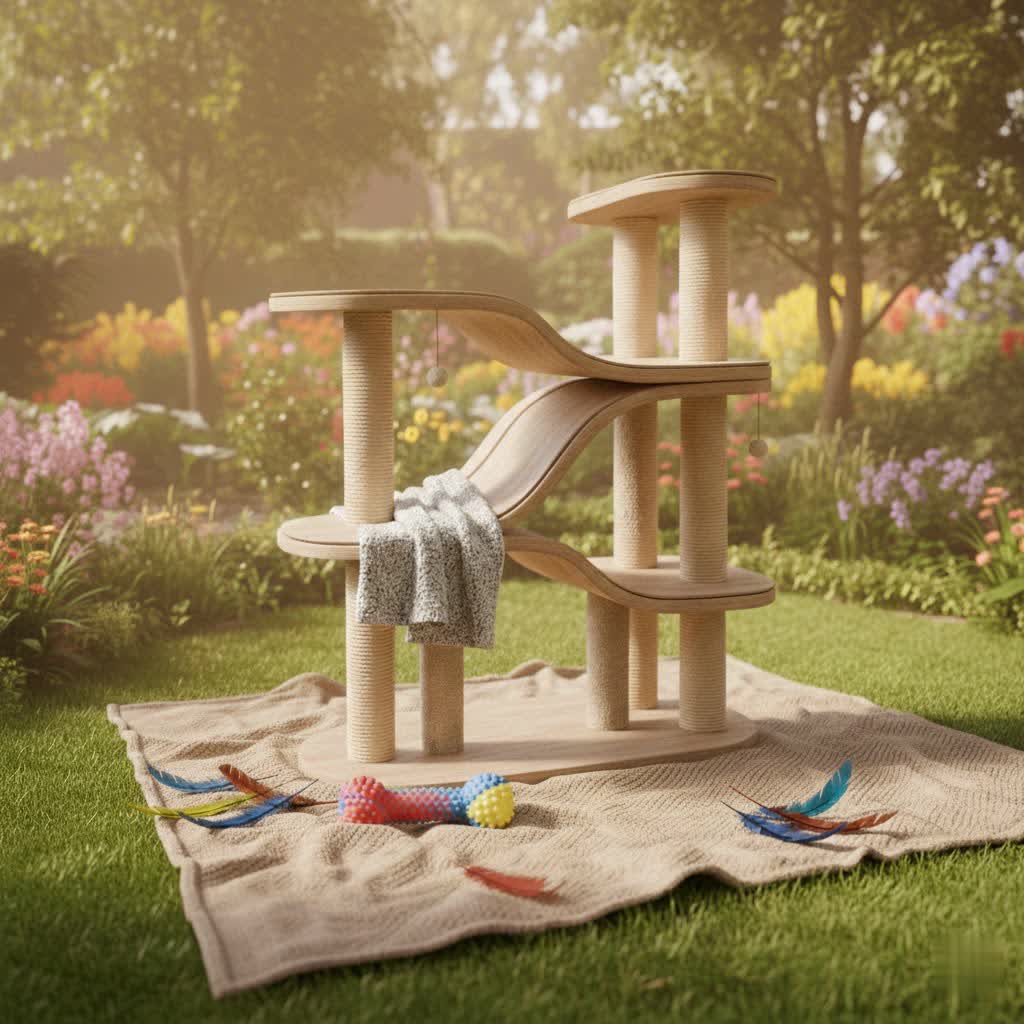
Is your feline friend a majestic Maine Coon, a playful Ragdoll, or perhaps part of a bustling multi-cat household? If so, you’ve likely realized that standard cat trees simply don’t cut it. Investing in a large cat tree isn’t just about providing a new toy; it’s a commitment to your cat’s health, happiness, and well-being. A robust, spacious cat tree can transform your home into a feline paradise, offering crucial outlets for natural instincts and creating a harmonious environment for all. Let’s explore everything you need to know to make the best choice for your beloved companion(s).
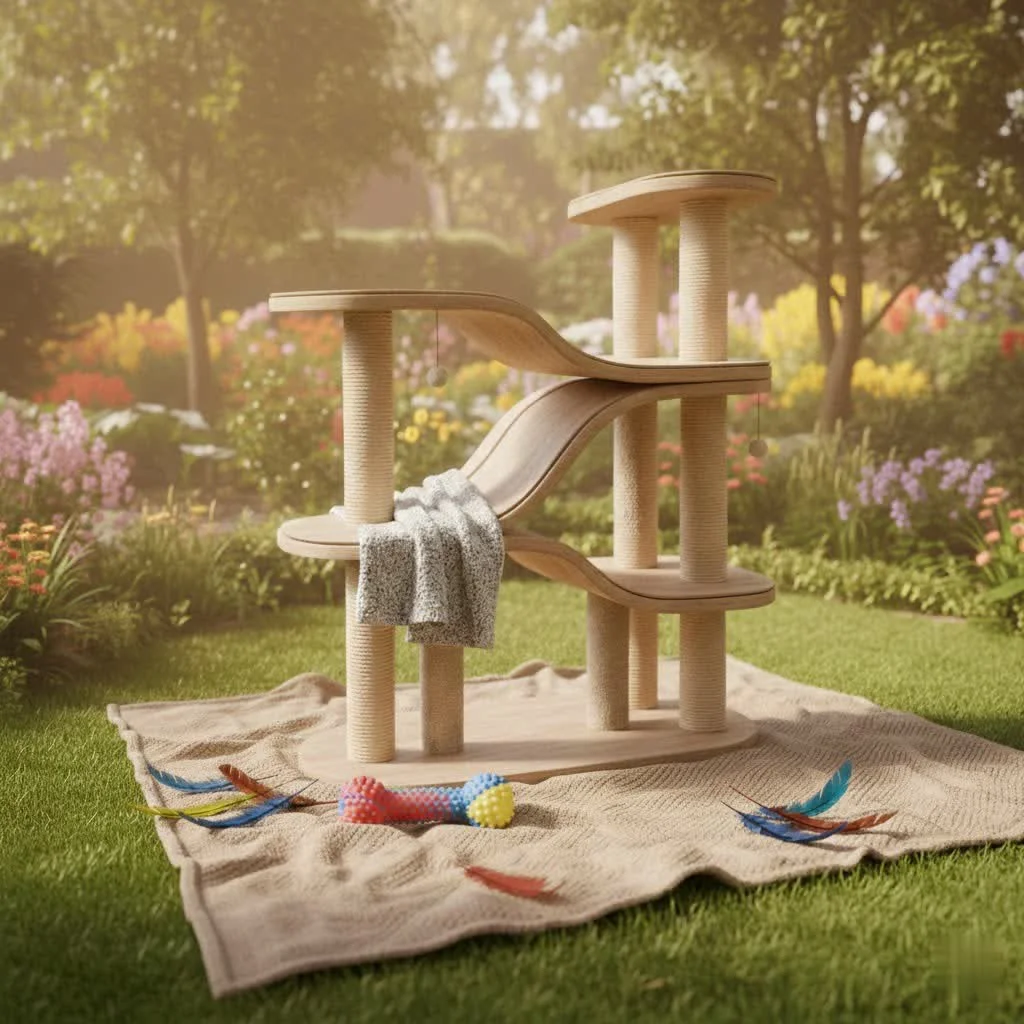
Why Do Cats Need a Large Cat Tree?
Cats are complex creatures with deeply ingrained instincts that require specific outlets, even in an indoor setting. A large cat tree addresses these needs comprehensively.
Physical and Mental Stimulation
Cats possess an innate drive to climb, jump, and explore. A large cat tree provides ample vertical space and multiple levels, encouraging physical activity vital for maintaining a healthy weight and strong muscles. Beyond just exercise, the varied platforms, scratching posts, and potential dangling toys offer significant mental stimulation, preventing boredom and its associated behavioral issues, such as destructive scratching or excessive vocalization. Engaging with a multi-level structure mimics the challenge of navigating an outdoor environment, keeping their minds sharp and entertained.
Vertical Territory and Security
In the wild, cats often seek elevated positions to observe their surroundings and feel safe from potential threats. Your indoor cat retains this instinct. A large cat tree offers high vantage points, allowing them to survey their “territory” and feel secure. This is especially important in multi-pet homes or busy households, as a high perch provides a safe retreat where they can relax undisturbed. When a cat feels in control of its environment, stress and anxiety levels significantly decrease, contributing to a calmer, happier feline.
Essential Scratching Outlet
Scratching is a natural and necessary behavior for cats. It helps them shed outer claw layers, mark territory, and stretch their muscles. Without a designated scratching surface, your furniture quickly becomes the prime target. Large cat trees typically come equipped with multiple, durable scratching posts, often covered in sisal rope or robust carpet. These specialized surfaces provide an appropriate and satisfying outlet for scratching, protecting your sofas and chairs while promoting healthy claw maintenance.
Promoting Harmony in Multi-Cat Households
In homes with more than one cat, territorial disputes can arise. Large cat trees offer a vertical expansion of living space, providing individual perches, hideaways, and scratching zones, which can significantly reduce tension and competition among felines. Each cat can claim their own spot, satisfying their need for personal space without encroaching on another’s. This multi-tiered approach fosters camaraderie and social interaction while still allowing for individual retreats when needed.
Types of Large Cat Trees
The market offers a wide array of large cat trees, each designed to cater to different feline personalities and living spaces. Understanding the common types can help narrow down your choice.
- Multi-level Towers: These are the most common type of large cat tree, featuring several platforms, perches, and often enclosed condos or hammocks. They provide varied exploration opportunities and are excellent for active cats or multi-cat homes. Their complex structure encourages climbing and diverse play.
- Floor-to-Ceiling Cat Trees: These towering structures extend from the floor all the way to the ceiling, often using tension rods for stability. They offer maximum vertical territory and are ideal for cats who love to climb to extreme heights. They are particularly good for creating a grand, engaging centerpiece in a room.
- Wall-Mounted Cat Shelves and Trees: For those with limited floor space or a desire for a minimalist aesthetic, wall-mounted options are perfect. They utilize vertical wall space, offering platforms, climbing poles, and sometimes small condos. These can be customized and arranged to create a unique climbing circuit for your cat.
- Cat Condos/Activity Centers: These combine elements like multiple enclosed “condos” or cubbies with scratching posts, perches, and sometimes ramps. They are designed for cats who enjoy privacy and cozy hideaways, providing a sense of security while still offering climbing opportunities.
Comparison of Large Cat Tree Types
To help you visualize the differences, here’s a comparison of common features across various large cat tree styles:
| Feature | Simple Single-Post | Multi-Level Tower | Cat Condo/House | Wall-Mounted Tree |
|---|---|---|---|---|
| Advantages | Space-efficient, basic scratching | Variety of spaces, climbing, play | Private, cozy retreats, good for shy cats | Saves floor space, customizable, modern aesthetic |
| Disadvantages | Limited activity, less vertical space | Can be bulky, takes up floor space | Less open climbing, can be harder to clean | Requires installation, may not suit all walls |
| Best For | Single cats, smaller spaces, basic scratching needs | Active cats, multi-cat households, enriching environment | Cats seeking security and quiet napping spots | Small apartments, modern homes, cats who love high perches |
Key Factors When Choosing a Large Cat Tree
Selecting the right large cat tree involves more than just aesthetics. Several critical factors ensure it meets your cat’s needs and integrates well into your home.
Size and Height
|
Our Picks for the Best Cat Tree in 2026
As an Amazon Associate I earn from qualifying purchases.
|
||
| Num | Product | Action |
|---|---|---|
| 1 | Feandrea Cat Tree, 59.5-Inch Tall Cat Tower, Plush Multi-Level Condo with 5 Scratching Posts, 2 Perches, 2 Caves, Hammock, 2 Pompoms, Light Gray UPCT192W01 |

|
| 2 | Amazon Basics Cat Tree for Indoors Cats, Multi-Level Cat Tower Cat Condo with Scratching Post, Cozy Hammock and Perches for Adult Cats, Interactive Dangling Ball, L – 60.1” (152.7cm) H, Grey |
|
| 3 | Xin Three Layer Cat Tree with Cat Condo and Two Hammocks,Grey |
|
| 4 | Heybly Cat Tree with Toy, Cat Tower Condo for Indoor Cats, Cat House with Padded Plush Perch, Cozy Hammock and Sisal Scratching Posts, Smoky Gray HCT004SG |
|
| 5 | Globlazer Heavy Duty Cat Tree, 70 inch Sturdy Cat Tree for Indoor Cats Extra Large Cat Tower with Scratching Post, Hammock, Cat Condo for Adult Cats Kittens, F70 Pro, Light Grey |
|
| 6 | Globlazer Heavy Duty Cat Trees for Large Cats, Sturdy 72in Maine Coon Cat Tree for Large Cats 20 lbs+ Heavy Duty Cat Tower for Adult Biggest Cat with 6 Scratching Posts, Hammock, S72, Dark Gray |
|
| 7 | YUNIQUE Cat Tree with Cat Condo and Big Hammock, Grey |
|
| 8 | Hey-brother Wooden Cat Tree, 69.7 inch Cats Furniture Tower with Large Platforms, Hammocks, Spacious Condo, Full Sisal Scratching Posts, Ladder, Brush, Water Proof Surface, Rustic Brown MPJ121SR |
|
| 9 | 37.4" Cactus Cat Tree Tower with Twin Cat Condos for Indoor Cats, All-in-One Activity Center with Cat Scratching Post Cozy Sleeping Perch Hammock and Toy Balls,Green … |
|
| 10 | Amazon Basics Cat Tree - Indoor Cat & Kittens Multi-Level Climbing Activity Tower with Scratching Posts, Large (45.9"H) - Beige |
|
The cat tree’s dimensions should be proportionate to your cat’s size and your available living space. For large breeds like Maine Coons or for multiple cats, look for trees with wider platforms and taller posts that allow them to stretch out fully and climb comfortably. Consider the height: taller trees are excellent for active climbers and those seeking high vantage points, while slightly lower, multi-tiered options may be better for older cats or those with mobility issues. Always measure your space to ensure the tree fits without obstructing pathways or overwhelming the room.
Material Quality
Durability and safety are paramount. Opt for cat trees constructed from high-quality, non-toxic materials. Solid wood or heavy-duty particleboard are excellent choices for the frame, providing superior stability compared to flimsier alternatives. Scratching surfaces should be made of resilient materials like natural sisal rope or thick, dense carpet that can withstand vigorous scratching sessions. For perches and hammocks, plush fabrics, faux fur, or soft fleece offer comfort for lounging. Checking that all materials and adhesives are cat-safe is crucial, as cats will inevitably chew or lick parts of their tree.
Stability and Safety
This is arguably the most critical factor for a large cat tree. A flimsy tree poses a serious safety risk, especially for heavier cats or during enthusiastic play. Look for a cat tree with a wide, heavy base that prevents tipping. Reinforced platforms and posts are essential to support significant weight and withstand jumping. Some large cat trees offer additional stability features, such as wall anchors, which are highly recommended for extra-tall or heavily used structures. As one expert advises, “If it wobbles, forget it,” underscoring the importance of a solid build.
Design and Features
Beyond the basics, consider features that will enrich your cat’s experience. Wide perches and spacious condos provide comfortable lounging and napping spots. Multiple scratching posts ensure ample opportunity for claw maintenance. Look for interactive elements like dangling toys, ramps, or tunnels that encourage play and exploration. A thoughtful design will cater to your cat’s natural behaviors, offering a variety of activities within one structure. Some modern cat trees also offer aesthetic appeal, blending seamlessly with home decor.
Weight Capacity
Always check the manufacturer’s stated weight capacity, especially if you have large cat breeds or multiple cats. A good rule of thumb is to choose a tree with a higher weight limit than your heaviest cat, and if for multiple cats, ensure the combined weight is well within the tree’s limits. Platforms should be reinforced with multiple support columns or thicker materials to maintain solidity when your cat jumps or lounges.
Buying Guide: Where to Find Your Perfect Large Cat Tree
With so many options, how do you make an informed purchase? Here’s a quick guide to help you.
Budget Considerations
Large cat trees vary significantly in price, from budget-friendly options to luxury models. Determine a realistic budget before you start shopping. While it might be tempting to save money, remember that a more expensive tree often means better quality materials and construction, leading to greater stability and longevity. Think of it as an investment in your cat’s long-term well-being.
Where to Purchase
You can find large cat trees at reputable pet stores, specialized online retailers, and major e-commerce platforms. Online stores often provide a wider selection and competitive pricing, while brick-and-mortar stores allow you to physically inspect the product for quality and stability.
Reading Reviews
Always take the time to read reviews from other cat owners, especially those with large or multiple cats. Pay attention to comments regarding stability, material durability, ease of assembly, and how well the tree holds up over time. Real-world feedback can offer invaluable insights into a product’s true performance.
Checking Product Details
Before purchasing, scrutinize the product description. Confirm the dimensions, materials used, weight capacity, and any special features like removable, washable cushions or wall-anchoring kits. Ensure it aligns with all the key factors discussed above to guarantee suitability for your cat.
Tips for Introducing Your Cat to a Large Cat Tree
Some cats may take to a new cat tree immediately, while others might need a little encouragement. Here are some tips to help your feline friend embrace their new elevated kingdom.
Strategic Placement
Location is key. Place the cat tree in an area your cat already enjoys or where they spend a lot of time, such as near a window for bird watching or in a main living area where they can observe family activity. Cats love high vantage points, so positioning it by a window can provide additional enrichment.
Using Attractants
Make the cat tree irresistible. Sprinkle catnip on the platforms, place favorite treats in the condos, or dangle familiar toys from the perches. This encourages exploration and creates positive associations with the new structure.
Positive Reinforcement
When your cat uses the cat tree, offer praise, gentle petting, or small treats. Positive reinforcement encourages them to return to and utilize the tree more frequently. Interactive play sessions on the tree can also make it more appealing and fun.
Patience is Key
Some cats are naturally cautious. Don’t force them onto the tree. Allow them to explore at their own pace. With consistent positive reinforcement and attractive incentives, most cats will eventually adopt their new large cat tree.
Maintaining Your Large Cat Tree
Proper maintenance ensures the longevity and hygiene of your cat’s towering sanctuary.
Regular Cleaning
Large cat trees can accumulate fur, dust, and dander. Regular vacuuming with a brush attachment can remove loose fur and debris. For soiled spots, use pet-safe enzymatic cleaners, making sure to follow product instructions and allowing it to dry completely. Many modern cat trees feature removable and washable covers or cushions, making deeper cleaning easier.
Inspecting for Wear and Tear
Periodically check the tree for any signs of damage, such as loose posts, frayed sisal rope, or worn fabric. Large, active cats can put significant stress on their trees, so early detection of wear can prevent safety issues.
Replacing Components
Some manufacturers offer replacement parts like scratching posts or cushions. If a component is severely damaged, replacing it can extend the overall life of the cat tree without needing to buy an entirely new unit. This is a cost-effective and environmentally friendly approach to maintenance.
“A well-designed large cat tree is not just furniture; it’s a sanctuary that caters to a cat’s instincts, well-being, and happiness, enhancing their indoor living.”
Conclusion
A large cat tree is more than just an accessory; it’s a vital component for enriching your feline’s life, especially for bigger breeds or multi-cat homes. By providing ample space for climbing, scratching, and secure lounging, these magnificent structures cater to a cat’s fundamental needs, promoting physical activity, mental stimulation, and reducing stress. When chosen with careful consideration for size, stability, materials, and features, a large cat tree becomes a cherished haven, preventing boredom, protecting your furniture, and fostering a harmonious home environment. Invest wisely, introduce it patiently, and watch your cats thrive in their elevated domain. What kind of adventures will your felines embark on in their new large cat tree?
Frequently Asked Questions
Are large cat trees really necessary for all cats?
While not strictly “necessary” for every single cat, large cat trees are highly beneficial, particularly for bigger breeds, energetic cats, or households with multiple felines. They provide essential outlets for climbing, scratching, and securing elevated territory, significantly contributing to a cat’s physical health, mental stimulation, and overall well-being by reducing stress and preventing destructive behaviors.
How tall should a large cat tree be?
The ideal height for a large cat tree depends on your cat’s activity level and available space. Taller trees (over 6 feet) are great for confident climbers and multi-cat households, offering more vertical territory and a better view. Mid-height towers (4-6 feet) are versatile for most large cats and rooms, while lower structures are more suitable for kittens or senior cats with reduced mobility.
What are the best materials for a large cat tree?
For a large cat tree, the best materials prioritize durability, stability, and safety. Solid wood or heavy-duty particleboard are excellent for the frame and platforms. Scratching posts should be wrapped in robust natural sisal rope or thick carpet. For lounging areas, plush faux fur, fleece, or velvet offer comfort. Ensure all materials and adhesives are non-toxic and built to withstand the weight and activity of larger cats.
Pet products vetted on real animals
Practical specs, not advice. Unsubscribe anytime.
