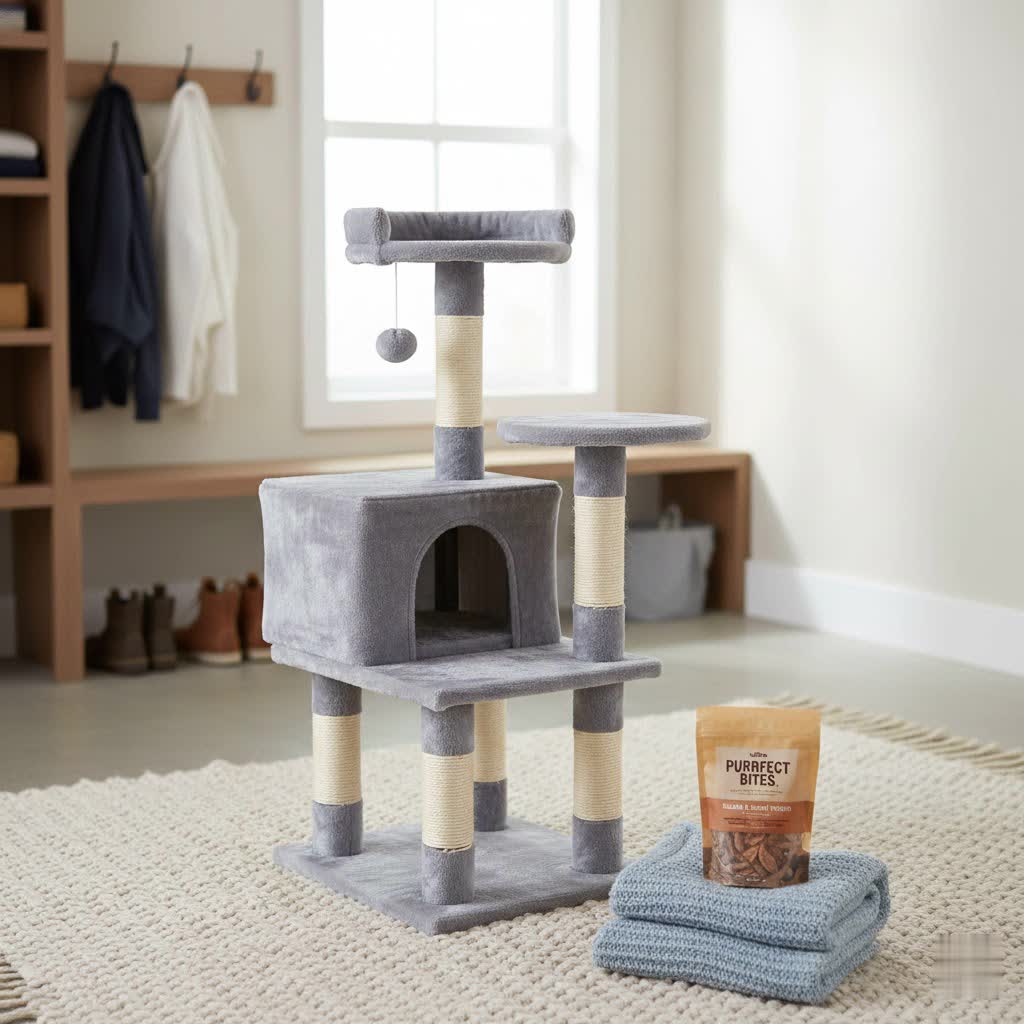
As a devoted cat parent, you understand that your furry companion isn’t just a pet; they’re family. Investing in their well-being goes beyond food and affection—it extends to providing an enriching environment that caters to their natural instincts. A high-quality cat tree house is far more than a simple piece of pet furniture; it’s a vital component for your cat’s physical health, mental stimulation, and overall happiness. Join us as we explore why a cat tree house is essential and how to select the ideal one for your beloved feline.
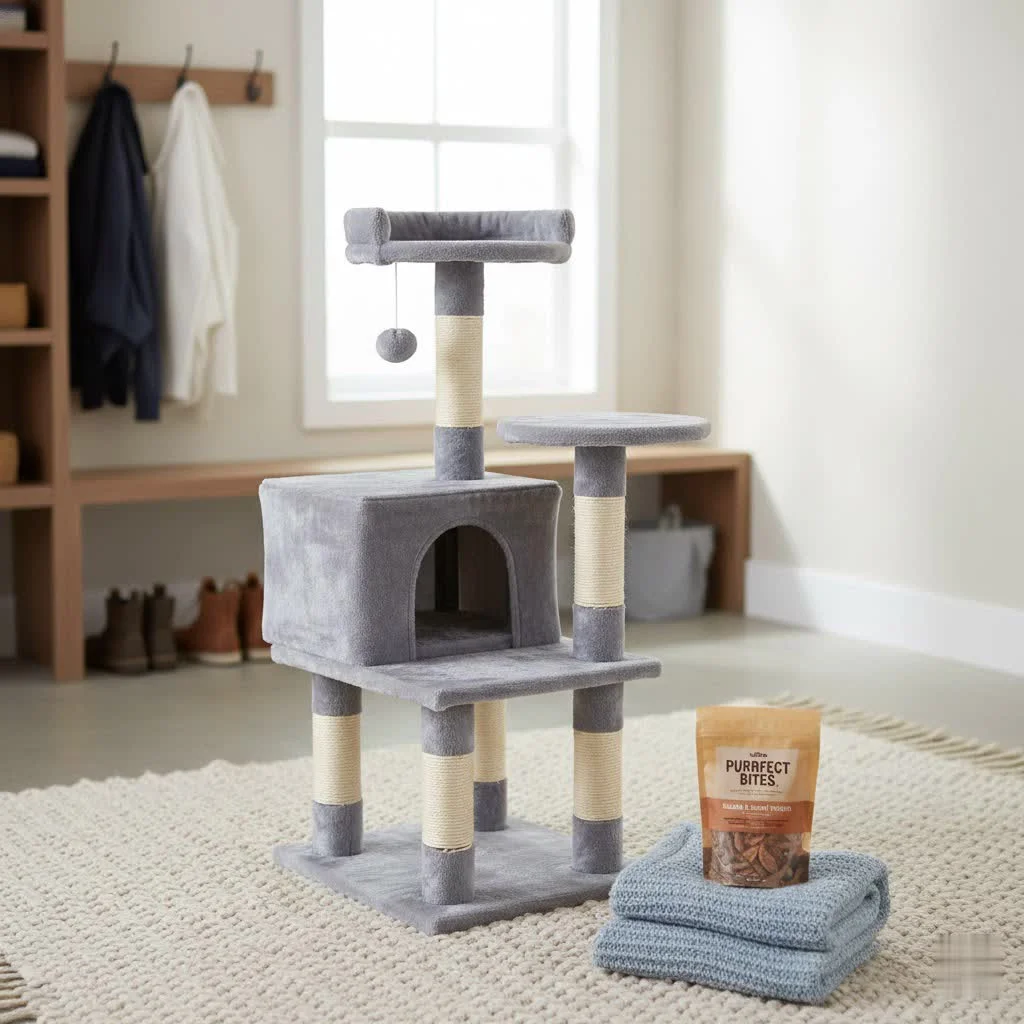
Why Does Your Cat Need a Cat Tree House?
Cats are natural explorers and climbers, and an indoor environment, while safe, can sometimes lack the stimulation they crave. A cat tree house provides an essential outlet for these instincts, offering a multitude of benefits for both physical and mental health. It serves as their personal gym, observation tower, and private sanctuary all in one, greatly enhancing their quality of life.
Physical and Mental Stimulation
Cats possess an innate need to climb, jump, and stretch. A cat tree house provides diverse levels and platforms, encouraging vigorous exercise that helps maintain a healthy weight and strong muscles. Engaging in these activities not only keeps them physically fit but also offers crucial mental stimulation, preventing boredom and potential behavioral issues.
A Designated Scratching Outlet
Scratching is a natural and necessary behavior for cats, allowing them to shed old claw layers, stretch their bodies, and mark their territory. Without an appropriate outlet, your furniture can become an unfortunate target. Most cat tree houses come equipped with sisal-wrapped posts, offering an irresistible and acceptable surface for your cat to satisfy their scratching urges, saving your sofas and carpets.
A Safe Haven and Vertical Territory
In the wild, cats seek high vantage points to survey their surroundings and feel secure from potential threats. A cat tree house fulfills this instinct, providing elevated perches where your cat can retreat, observe their “kingdom” in peace, and feel safe from other pets or household activity. This vertical territory can significantly reduce stress and anxiety, offering them a personal sanctuary.
An Observation Deck
Cats love to watch the world go by. Whether it’s bird-watching from a window-side perch or overseeing household activities from a high platform, a cat tree house provides the perfect elevated viewpoint. This fulfills their natural curiosity and keeps them mentally engaged with their environment.
Reduces Conflict in Multi-Cat Households
|
Our Picks for the Best Cat Tree in 2026
As an Amazon Associate I earn from qualifying purchases.
|
||
| Num | Product | Action |
|---|---|---|
| 1 | Heybly Cat Tree with Toy, Cat Tower Condo for Indoor Cats, Cat House with Padded Plush Perch, Cozy Hammock and Sisal Scratching Posts, Smoky Gray HCT004SG |

|
| 2 | Hey-brother Wooden Cat Tree, 69.7 inch Cats Furniture Tower with Large Platforms, Hammocks, Spacious Condo, Full Sisal Scratching Posts, Ladder, Brush, Water Proof Surface, Rustic Brown MPJ121SR |
|
| 3 | 37.4" Cactus Cat Tree Tower with Twin Cat Condos for Indoor Cats, All-in-One Activity Center with Cat Scratching Post Cozy Sleeping Perch Hammock and Toy Balls,Green … |
|
| 4 | Amazon Basics Cat Tree - Indoor Cat & Kittens Multi-Level Climbing Activity Tower with Scratching Posts, Large (45.9"H) - Beige |
|
| 5 | Globlazer Heavy Duty Cat Tree, 70 inch Sturdy Cat Tree for Indoor Cats Extra Large Cat Tower with Scratching Post, Hammock, Cat Condo for Adult Cats Kittens, F70 Pro, Light Grey |
|
| 6 | YUNIQUE Cat Tree with Cat Condo and Big Hammock, Grey |
|
| 7 | Amazon Basics Cat Tree for Indoors Cats, Multi-Level Cat Tower Cat Condo with Scratching Post, Cozy Hammock and Perches for Adult Cats, Interactive Dangling Ball, L – 60.1” (152.7cm) H, Grey |
|
| 8 | Xin Three Layer Cat Tree with Cat Condo and Two Hammocks,Grey |
|
| 9 | Globlazer Heavy Duty Cat Trees for Large Cats, Sturdy 72in Maine Coon Cat Tree for Large Cats 20 lbs+ Heavy Duty Cat Tower for Adult Biggest Cat with 6 Scratching Posts, Hammock, S72, Dark Gray |
|
| 10 | Feandrea Cat Tree, 59.5-Inch Tall Cat Tower, Plush Multi-Level Condo with 5 Scratching Posts, 2 Perches, 2 Caves, Hammock, 2 Pompoms, Light Gray UPCT192W01 |
|
In homes with multiple cats, vertical space is invaluable. A cat tree house expands the available territory, allowing each cat to claim their own elevated spot without direct confrontation. This can significantly reduce territorial disputes and promote a more harmonious living environment for all your feline residents.
Popular Types of Cat Tree Houses
The market offers a diverse array of cat tree houses, each designed to cater to different feline personalities, home aesthetics, and space requirements. Understanding the various types will help you narrow down the best choice for your unique situation.
- Simple Single-Post Cat Trees: These compact units usually feature one or two scratching posts and a small top perch. They are ideal for kittens, less active cats, or homes with limited space where only basic scratching and lounging are needed.
- Multi-Level Cat Towers: These are perhaps the most common type, offering multiple platforms, perches, and sometimes enclosed cubbies. They provide excellent opportunities for climbing and jumping, making them perfect for active cats or multi-cat households.
- Cat Condos/Houses: Primarily focused on providing enclosed, private spaces, these cat trees often feature one or more “houses” or tunnels where cats can hide, nap, and feel secure. They are great for shy cats or those who value privacy.
- Wall-Mounted Cat Trees: For modern homes or those with very limited floor space, wall-mounted systems offer a customizable, space-saving solution. They consist of shelves, steps, and sometimes enclosed boxes that attach directly to the wall, creating an elevated pathway for your cat.
- Floor-to-Ceiling Cat Trees: These tall structures use a tension rod to secure themselves between the floor and ceiling, offering maximum vertical climbing space and exceptional stability. They are perfect for energetic cats or multi-cat families and often feature numerous platforms and hideaways.
Comparing Cat Tree House Types
To help you make an informed decision, here’s a comparison of the most popular cat tree house types:
| Feature | Simple Post | Multi-Level Tower | Cat Condo/House | Wall-Mounted | Floor-to-Ceiling |
|---|---|---|---|---|---|
| Pros | Affordable, compact, easy to move | Versatile, promotes exercise, suitable for multiple cats | Provides privacy, cozy retreats, ideal for napping | Saves floor space, modern aesthetic, customizable | Maximum vertical play, very stable, grand presence |
| Cons | Limited features, less stimulating for active cats | Can be bulky, may take up significant floor space | Less focus on climbing, can be harder to clean enclosed areas | Requires installation, not easily moved, permanent fixture | Can dominate a room, requires adequate ceiling height |
| Best For | Kittens, small apartments, less active cats | Active cats, multi-cat households, homes with moderate space | Shy cats, older cats, cats seeking solitude | Small living spaces, contemporary homes, active climbers | Energetic cats, multi-cat families, large living areas |
Key Factors When Choosing a Cat Tree House
Selecting the right cat tree house involves more than just picking one that looks good. Several crucial factors must be considered to ensure it meets your cat’s needs and fits seamlessly into your home.
Size and Space
Before you buy, measure your available floor space and ceiling height. A cat tree house should be large enough to accommodate your cat comfortably, allowing them to stretch out on perches and easily navigate between levels. For multi-cat homes, ensure there are enough platforms and resting spots for all felines. A large cat tree house will provide ample space, but ensure it doesn’t overwhelm your room.
Stability and Safety
This is paramount. A wobbly or unstable cat tree house can be dangerous and deter your cat from using it. Look for a wide, heavy base and sturdy construction. Many taller cat trees come with anti-tipping hardware that allows you to secure them to a wall, providing extra peace of mind. Solid wood frames generally offer superior stability and durability compared to particle board.
Materials and Durability
The materials used in a cat tree house impact both its longevity and your cat’s enjoyment.
- Frame: Solid wood is the most durable and stable option. Engineered wood is also common but ensure it’s high quality. Avoid flimsy cardboard structures for the main frame.
- Scratching Surfaces: Sisal rope is highly favored by cats for scratching. Ensure it’s tightly wrapped and durable.
- Coverings: Plush faux fur or soft carpet provides comfort for lounging. Choose materials that are easy to clean and non-toxic for your pet.
Design and Features
Consider what features would best suit your cat. Does your cat love to hide? Look for enclosed condos or tunnels. Is your cat a climber? Multiple platforms and levels are key. Does your cat enjoy batting at toys? Some cat tree houses come with dangling toys. Ramps can be beneficial for kittens, older cats, or those with mobility issues.
Your Cat’s Personality
Observe your cat’s habits. An active, adventurous cat will thrive on a tall, multi-level cat tree house with plenty of climbing opportunities. A shy cat might prefer a cat tree house with more enclosed spaces for security. Some cats love perching by a window, while others prefer a quiet corner.
Guide to Buying Your Cat Tree House
Ready to make the purchase? Follow these steps to ensure you get the best cat tree house for your furry companion.
- Determine Your Budget: Cat tree houses range widely in price. Decide how much you’re willing to invest, keeping in mind that a higher quality, more durable tree can be a long-term investment in your cat’s happiness.
- Shop Reputable Retailers: Purchase from established pet stores, specialized cat furniture companies, or well-known online retailers. These sources typically offer better quality products and customer service.
- Read Customer Reviews: Before committing, read reviews from other cat owners. They can offer valuable insights into the product’s actual stability, durability, ease of assembly, and how well cats respond to it.
- Inspect Quality Upon Arrival: Once your cat tree house arrives, carefully inspect all components for any defects, loose parts, or signs of damage. Ensure all hardware is included and the instructions are clear.
Tips for Training Your Cat to Use a Cat Tree House
Some cats will instinctively gravitate towards a new cat tree house, while others may need a little encouragement. Patience and positive reinforcement are key.
- Strategic Placement: Place the cat tree house in a location your cat already loves, such as near a sunny window or in a room where the family spends a lot of time. Cats often prefer to be part of the action, even from a distance.
- Use Lures: Entice your cat with their favorite treats or a sprinkle of catnip on the different levels. You can also dangle a favorite toy to encourage them to explore and climb.
- Positive Reinforcement: When your cat interacts with the cat tree house—even just sniffing it—offer praise, gentle petting, or a small treat. This creates a positive association with the new furniture.
- Be Patient: Don’t force your cat onto the tree. Some cats are naturally wary of new things and may take days or even weeks to fully embrace their new cat tree house. Continue to encourage them gently and consistently.
Cleaning and Maintaining Your Cat Tree House
Regular cleaning and maintenance will extend the life of your cat tree house and keep it a hygienic and inviting space for your cat.
- Regular Vacuuming: Cat trees can quickly accumulate fur, dust, and dander. Use a vacuum cleaner with a brush attachment regularly to remove loose fur and debris from all surfaces, including perches and enclosed areas.
- Spot Cleaning: Address any spills or stains immediately with a pet-safe enzymatic cleaner. Avoid harsh chemicals that could be toxic to your cat or leave irritating residues.
- Check for Wear and Tear: Periodically inspect scratching posts for excessive wear. Many cat tree houses allow you to replace individual sisal posts. Check platforms and perches for any loose fabric or damage.
- Ensure Stability: Over time, screws and connections can loosen. Every few months, give your cat tree house a gentle wobble to check for stability and tighten any screws as needed to ensure it remains safe for your cat.
“A well-chosen cat tree house is not just a piece of furniture; it’s a foundation for your cat’s well-being, providing security, exercise, and a place to truly call their own.”
Conclusion
A thoughtfully chosen cat tree house is an indispensable investment in your feline companion’s health and happiness. By providing opportunities for climbing, scratching, hiding, and observing, you are catering to their fundamental instincts, reducing stress, and enriching their indoor life. From compact single-post designs to expansive floor-to-ceiling marvels, there’s a perfect cat tree house waiting to become your cat’s favorite spot. Take the time to consider your cat’s unique needs, your home’s space, and the quality of materials to ensure you make the best choice.
What adventures will your feline friend embark on with their new cat tree house?
Frequently Asked Questions
Is a cat tree house truly necessary for my cat?
Yes, a cat tree house is highly beneficial for a cat’s physical and mental health. It provides essential exercise, a designated scratching area to protect your furniture, a safe high perch for security, and mental stimulation, all of which are crucial for an indoor cat’s well-being.
How do I choose a cat tree house for a kitten?
For kittens, prioritize stability and accessibility. Look for cat tree houses with closer platform spacing, ramps, and a sturdy, wide base to prevent tipping. Shorter trees (24-36 inches) can be safer for young, developing kittens who are still mastering their climbing skills.
What are the best materials for a durable cat tree house?
Solid wood frames are considered the most durable and stable. For scratching surfaces, sisal rope is excellent. Plush faux fur or soft carpet are common for comfortable lounging areas. Ensure all materials are non-toxic and securely attached for your cat’s safety.
Can a cat tree house help stop my cat from scratching furniture?
Absolutely! Providing a cat tree house with sisal scratching posts gives your cat an appropriate and enticing outlet for their natural scratching behavior. By redirecting their instincts to the tree, you can significantly reduce damage to your furniture.
Where is the best place to put a cat tree house in my home?
The ideal location is usually near a window, allowing your cat to observe the outdoors, or in a room where your family spends a lot of time. Placing it in a quiet corner can also work for shy cats seeking solitude. Ensure it’s in a stable spot away from high-traffic areas.
Pet products vetted on real animals
Practical specs, not advice. Unsubscribe anytime.
