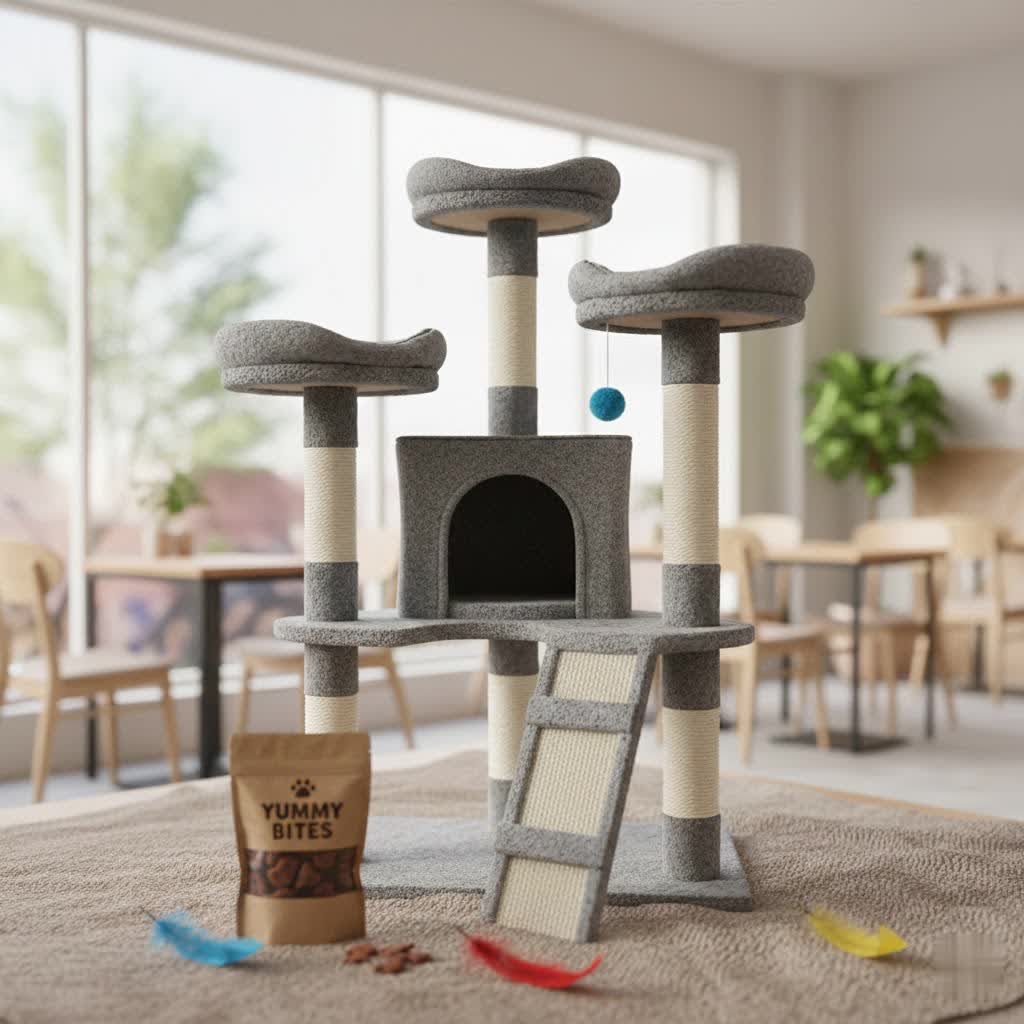
Welcoming a majestic, larger-than-average feline into your home brings immense joy, but also unique considerations for their comfort and safety. Finding the perfect cat tree for a hefty cat isn’t just about providing a plaything; it’s an investment in their physical well-being and mental enrichment. Standard cat trees often fall short, posing risks of instability, insufficient space, and rapid wear and tear. This comprehensive guide will walk you through everything you need to know to select a robust, secure, and truly purr-fect cat tree that can withstand the might and magnificence of your heavy cat.
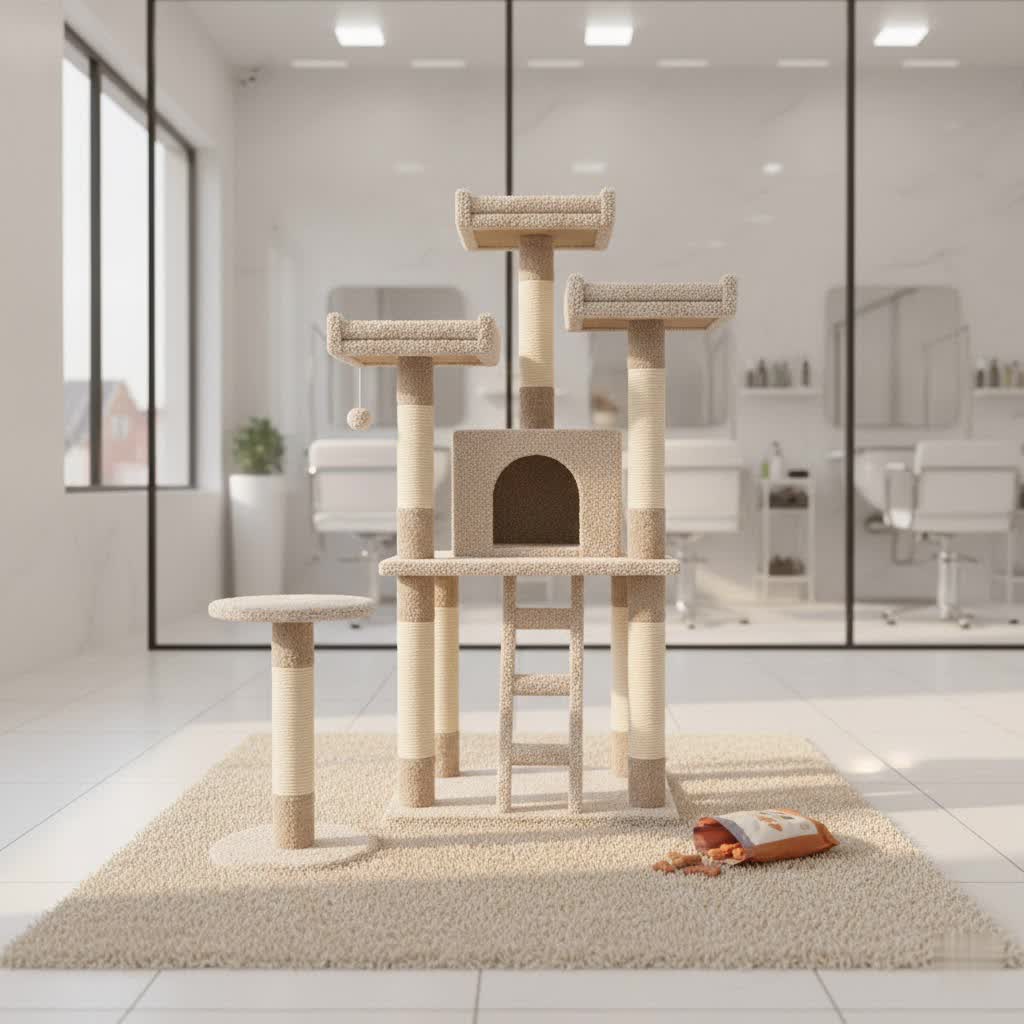
Why Heavy Cats Need a Specialized Cat Tree
Cats, regardless of size, possess an innate desire to climb, scratch, and survey their surroundings from elevated positions. For larger breeds like Maine Coons, Ragdolls, or even just a well-fed domestic shorthair, these instincts are amplified, but so are the challenges if their environment isn’t suitably equipped.
A specialized Cat Tree For Heavy Cats is crucial for several reasons:
- Physical Health: Climbing, stretching, and jumping on a stable structure provides essential exercise, helping to prevent obesity and maintain muscle tone. Ramps and staggered platforms can also be beneficial for older or less agile heavy cats, reducing strain on their joints.
- Mental Well-being: Vertical space offers a sense of security and control, allowing your cat to observe their territory and retreat to private napping spots when desired. This reduces stress and boredom, which can otherwise lead to destructive behaviors like furniture scratching or unwanted climbing on household items.
- Safety First: Standard cat trees, often built with flimsy materials and narrow bases, can wobble or even tip over under the weight and force of a large cat. A tree specifically designed for heavy cats prioritizes reinforced frames, wide bases, and sturdy construction to eliminate these tipping risks, ensuring a safe play and rest environment.
- Durability and Longevity: Investing in a high-quality, specialized cat tree means it’s built to last. Thin materials in conventional trees quickly break down under a heavy cat’s weight and energetic play, leading to frequent replacements. A durable tree will withstand years of enthusiastic use, offering better long-term value.
Key Features of a Great Cat Tree for Heavy Cats
When selecting a cat tree for your heavy feline friend, certain features are non-negotiable to ensure their safety, comfort, and enjoyment.
Uncompromising Stability
Stability is paramount. A cat tree for heavy cats must remain rock-solid, even during their most energetic leaps and playful pounces.
- Heavy and Wide Base: Look for a base that is both wide (preferably 24 inches or more) and heavy (at least 30 lbs). A substantial base acts as a counterbalance, preventing the entire structure from toppling. Materials like solid wood or thick, heavy-duty particleboard contribute significantly to this foundational stability.
- Thick Support Posts: Thin posts can twist and break under a heavy cat’s weight. Opt for support columns with a diameter of at least 2 inches, especially those wrapped in natural sisal rope. Solid wood posts offer superior durability and resistance to twisting compared to cardboard tubes.
- Reinforced Construction: Inspect the overall construction. Look for solid wood or thick plywood frames and metal hardware (screws and bolts) at all joints, rather than plastic or flimsy connectors. Additional support beams, especially at higher levels and climbing ramps, provide extra resilience against repeated impact.
- Anti-Tip Mechanisms: Many quality cat trees include anti-tip kits or wall-mounting straps. While a well-built tree should be stable on its own, utilizing these features provides an extra layer of security, especially for very tall trees or in multi-cat households.
|
Our Picks for the Best Cat Tree in 2026
We may earn a commission when you use one of our links to make a purchase.
|
||
| Num | Product | Action |
|---|---|---|
| 1 | Amazon Basics Cat Tree for Indoors Cats, Multi-Level Cat Tower Cat Condo with Scratching Post, Cozy Hammock and Perches for Adult Cats, Interactive Dangling Ball, L – 60.1” (152.7cm) H, Grey |

|
| 2 | Globlazer Heavy Duty Cat Trees for Large Cats, Sturdy 72in Maine Coon Cat Tree for Large Cats 20 lbs+ Heavy Duty Cat Tower for Adult Biggest Cat with 6 Scratching Posts, Hammock, S72, Dark Gray |
|
| 3 | Feandrea Cat Tree, 59.5-Inch Tall Cat Tower, Plush Multi-Level Condo with 5 Scratching Posts, 2 Perches, 2 Caves, Hammock, 2 Pompoms, Light Gray UPCT192W01 |
|
| 4 | YUNIQUE Cat Tree with Cat Condo and Big Hammock, Grey |
|
| 5 | Heybly Cat Tree with Toy, Cat Tower Condo for Indoor Cats, Cat House with Padded Plush Perch, Cozy Hammock and Sisal Scratching Posts, Smoky Gray HCT004SG |
|
| 6 | Hey-brother Wooden Cat Tree, 69.7 inch Cats Furniture Tower with Large Platforms, Hammocks, Spacious Condo, Full Sisal Scratching Posts, Ladder, Brush, Water Proof Surface, Rustic Brown MPJ121SR |
|
| 7 | Amazon Basics Cat Tree - Indoor Cat & Kittens Multi-Level Climbing Activity Tower with Scratching Posts, Large (45.9"H) - Beige |
|
| 8 | Globlazer Heavy Duty Cat Tree, 70 inch Sturdy Cat Tree for Indoor Cats Extra Large Cat Tower with Scratching Post, Hammock, Cat Condo for Adult Cats Kittens, F70 Pro, Light Grey |
|
| 9 | 37.4" Cactus Cat Tree Tower with Twin Cat Condos for Indoor Cats, All-in-One Activity Center with Cat Scratching Post Cozy Sleeping Perch Hammock and Toy Balls,Green … |
|
| 10 | Xin Three Layer Cat Tree with Cat Condo and Two Hammocks,Grey |
|
Generous Space & Comfort
Heavy cats need ample room to stretch, lounge, and maneuver without feeling cramped or unstable.
- Spacious Platforms and Perches: Platforms should be generously sized, ideally at least 14-16 inches square, allowing your cat to comfortably recline and stretch out. For extra-large breeds, look for perches 20×20 inches or more. Small platforms can make a large cat feel insecure and lead to them avoiding the tree.
- Roomy Condos and Hideaways: Enclosed dens or “cat houses” offer private, cozy retreats. Ensure the entrance openings are at least 10-12 inches wide and the interior dimensions are large enough (e.g., 18×18 inches) for your cat to comfortably turn around and curl up.
- Durable Hammocks and Beds: If hammocks are included, verify they are made from strong, supportive material that won’t sag under weight. Cushions and beds should be high-density foam (at least 2 inches thick) that retains its shape and offers proper support.
Durable Materials
The materials chosen for a heavy cat tree directly impact its lifespan and your cat’s safety.
- Solid Wood or Thick Plywood: These materials form the backbone of a truly durable cat tree, providing exceptional strength and stability. Avoid trees made primarily of lightweight particleboard or cardboard tubes, which are prone to damage.
- Natural Sisal Rope: Sisal is the preferred material for scratching posts due to its durability and texture, which cats love. Ensure the sisal is tightly wrapped and covers a good portion of the posts to encourage appropriate scratching behavior.
- High-Quality Fabric Coverings: Plush faux fleece, soft carpet, or other durable fabrics should cover platforms and resting areas. Look for materials that are securely attached and resistant to tearing from claws. Removable, washable covers are a significant plus for hygiene.
Appropriate Height & Multi-Level Design
While height is appealing, the design of the levels is equally important for a heavy cat.
- Optimal Height: A tree between 5-7 feet (65-71 inches) provides ample vertical territory. However, ensure the spacing between levels allows for “short hops” rather than requiring heroic leaps, which can be difficult or uncomfortable for heavier cats.
- Ramps and Staggered Platforms: For older, less agile, or particularly heavy cats, ramps can provide easier access to higher levels, reducing the strain of jumping. Multiple staggered platforms allow for varied climbing paths and accommodate multi-cat households by creating distinct territories.
- Multiple Scratching Surfaces: Beyond posts, some trees incorporate sisal-wrapped ramps or panels, offering diverse scratching angles and increasing engagement.
Types of Cat Trees for Heavy Cats
Cat trees come in various configurations, each offering different benefits. When buying for a heavy cat, the focus remains on reinforced versions of these types.
| Feature | Simple Post Cat Tree | Multi-level Tower | Cat Condo / House | Wall-Mounted System |
|---|---|---|---|---|
| Stability | High (due to heavy base) | Very High (wide base, multiple supports) | Very High (enclosed structure, heavy) | Excellent (anchored to studs) |
| Space | Limited (mostly scratching) | Ample (multiple platforms) | Ample (condos, platforms) | Customizable (modular) |
| Material Needs | Very Durable | Very Durable | Very Durable | Very Durable |
| Weight Capacity | High | Very High | Very High | High (per component) |
| Suitability | Primary scratching outlet | Climbing, lounging, multiple cats | Privacy, security, resting | Space-saving, active climbing |
- Simple Heavy-Duty Post: These are essentially extra-thick, tall scratching posts with a very heavy, wide base. While not a “tree” in the traditional sense, a robust version provides an excellent scratching and stretching outlet for heavy cats who may not need or prefer multi-level climbing.
- Multi-Level Towers: The most common type, these feature several platforms, perches, and often a small hideaway. For heavy cats, these must have an exceptionally wide base and thick posts, with all components firmly secured. Look for models explicitly advertised for “large” or “heavy” cats.
- Cat Condos/Houses: These prioritize enclosed spaces for privacy and security, often integrating platforms and scratching areas. The solid construction of the condos themselves contributes to overall stability, making them excellent for heavier cats seeking a cozy retreat.
- Wall-Mounted Systems: For small spaces or a highly active heavy cat, wall-mounted shelves, perches, and scratching posts can be an excellent option. When correctly installed into wall studs, these systems offer incredible stability and can support significant weight, allowing for custom configurations that maximize vertical space without a large floor footprint.
How to Choose the Right Cat Tree for Your Heavy Cat
Making the right choice involves a blend of practical considerations and understanding your cat’s unique personality.
-
Assess Your Cat’s Needs:
- Size and Weight: Naturally, this is crucial. If your cat is 15 lbs, ensure the tree can handle 20-25 lbs per perch. For larger breeds (20+ lbs), look for weight capacities of 35-50+ lbs per platform or an overall capacity exceeding 70 lbs for multi-cat homes.
- Activity Level: Is your cat a climber, a lounger, or a dedicated scratcher? This influences the ideal mix of platforms, hideaways, and scratching surfaces.
- Age and Mobility: Older cats or those with joint issues will benefit from ramps and easily accessible, lower platforms.
-
Measure Your Space:
- Determine the available floor space (aim for a minimum base footprint of 24×18 inches for stability) and ceiling height. Remember to leave about a foot of clearance from the ceiling for easy access and safety.
-
Set a Realistic Budget:
- Quality cat trees for heavy cats typically range from $150 to $400. While this may seem like an investment, cheaper models (under $100) often sacrifice durability and safety, leading to premature replacement. Prioritize value over initial price.
-
Read Reviews and Check Specifications:
- Pay close attention to reviews from other owners of large or multiple cats regarding stability, durability, and platform size. Always verify product dimensions and stated weight capacities. Pictures can be deceiving; actual measurements are key.
-
Prioritize Safety Certifications/Features:
- While less common for pet furniture, any mention of safety standards or anti-tip testing is a positive indicator. Ensure all materials are non-toxic, as cats will inevitably chew or lick parts of their tree.
Training Your Heavy Cat to Use Their New Tree
Even the best cat tree might be initially met with suspicion. Patience and positive reinforcement are key to helping your heavy cat embrace their new vertical kingdom.
- Strategic Placement: Place the cat tree in a location your cat already loves, such as near a window for bird watching or in a main living area where they can observe family activity. Cats prefer areas that feel central and safe.
- Using Lures: Employ catnip, favorite treats, or dangle toys to gently encourage exploration. Start by enticing them onto the lower levels and gradually move up.
- Positive Reinforcement: When your cat interacts with or uses the tree, offer praise, gentle petting, or a small treat. Create positive associations with the new structure.
- Patience is a Virtue: Some cats need time to adjust. Avoid forcing them onto the tree, as this can create negative associations. Let them explore at their own pace, making it feel like their idea. Make the top perch extra inviting with their favorite soft blanket to encourage them to claim the “VIP suite.”
Maintenance Tips for Longevity
Regular care will extend the life of your heavy cat’s tree and keep it a hygienic, inviting space.
- Regular Cleaning: Vacuum platforms, beds, and sisal posts weekly to remove accumulated fur, dust, and dander. For removable covers, wash them every 6 months or as needed, following manufacturer instructions.
- Checking Hardware: Large, active cats can gradually loosen screws and bolts through their energetic play. Monthly, check all connections and tighten any loose hardware to maintain stability.
- Replacing Worn Parts: Inspect sisal scratching posts every 6 months. If they become significantly frayed, worn, or expose the underlying structure, consider replacing the rope or the entire post. Similarly, inspect the frame yearly for any cracks or signs of weakness and reinforce if necessary.
“A well-chosen cat tree isn’t just a piece of furniture; it’s a foundation for your heavy cat’s confidence, providing them with the secure vertical territory they instinctively crave for both play and peaceful retreat.”
Conclusion
Choosing the ideal cat tree for your heavy cat is an act of love that directly impacts their health, happiness, and safety. By prioritizing uncompromising stability, generous space, durable materials, and thoughtful design, you can provide a vertical haven that will withstand years of vigorous use. Remember that a cheap, flimsy tree is a false economy, posing risks and leading to frustration. Invest wisely in a structure built to support their magnificent presence, ensuring they have a secure, comfortable, and stimulating environment to climb, lounge, scratch, and observe their world from above. What kind of adventures do you envision your heavy cat having in their perfect tree?
Frequently Asked Questions
Is a Cat Tree truly necessary for a heavy cat?
Absolutely. Heavy cats, like all felines, have a natural need to climb, scratch, and have elevated vantage points for security and mental stimulation. A specialized, sturdy cat tree provides these essential outlets safely, preventing instability issues common with standard trees and reducing the likelihood of destructive behaviors like scratching furniture.
How can I choose a Cat Tree suitable for a kitten that will grow into a heavy cat?
When buying for a kitten expected to grow large, always “buy up.” Look for a cat tree designed for adult large or heavy cats, prioritizing features like a wide, heavy base, thick support posts (at least 2 inches in diameter), and spacious platforms. This ensures the tree will safely accommodate their growth and provide long-term stability.
What materials are best for a heavy cat tree?
The best materials for a heavy cat tree are solid wood or thick plywood for the frame, natural sisal rope for scratching posts, and high-quality, durable plush or carpet for covering surfaces. These materials offer superior strength, stability, and longevity compared to lighter, cheaper alternatives. Ensure all hardware is metal (screws and bolts) for secure connections.