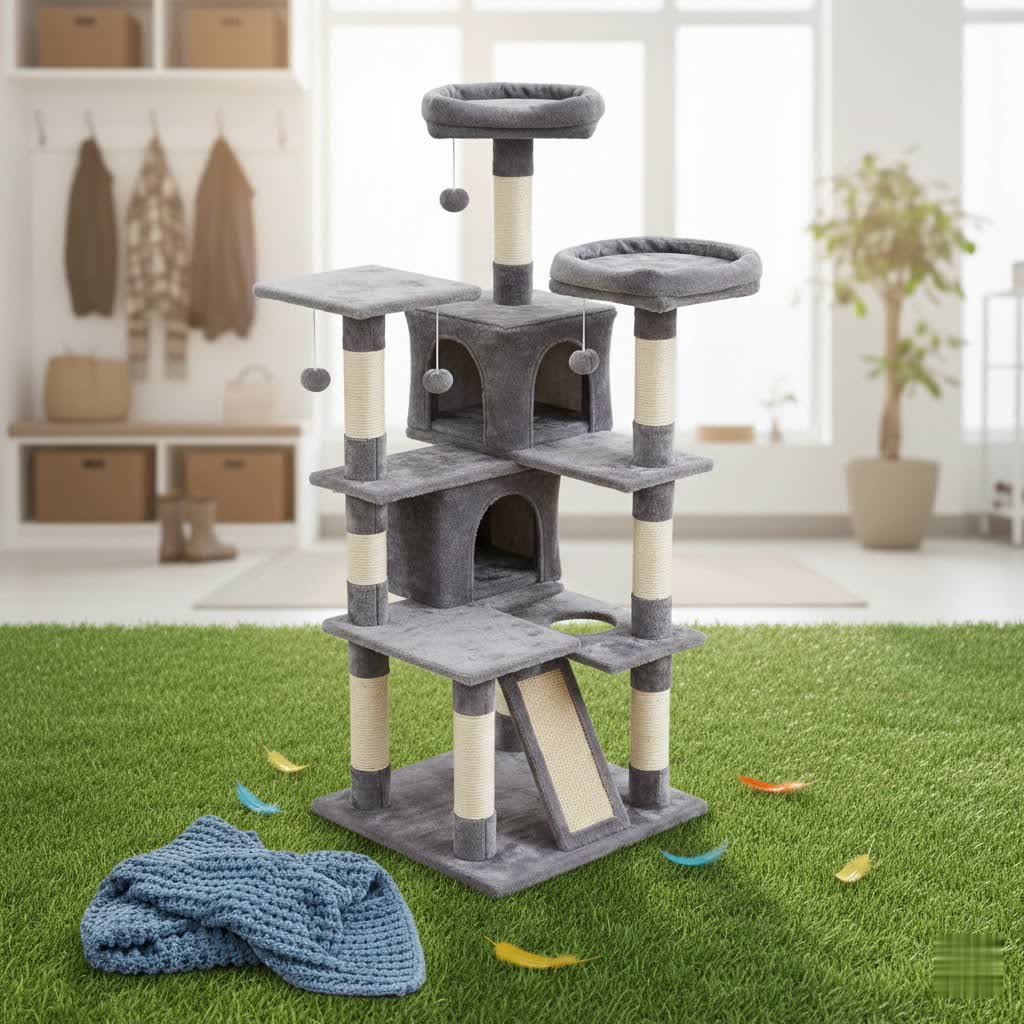
For owners of majestic Maine Coons, regal Ragdolls, or any of the magnificent larger feline breeds, the quest for appropriate pet furniture can often feel like a Herculean task. Standard cat trees, designed for average-sized housecats, simply don’t cut it, offering flimsy platforms, narrow perches, and unstable structures that fail to meet the needs of a hefty furball. Investing in a high-quality cat tree specifically engineered for big cats isn’t just a luxury; it’s a necessity for their physical well-being, mental stimulation, and overall happiness. This guide will walk you through everything you need to know to select a durable, stable, and comfortable cat tree that your large companion will adore for years to come.
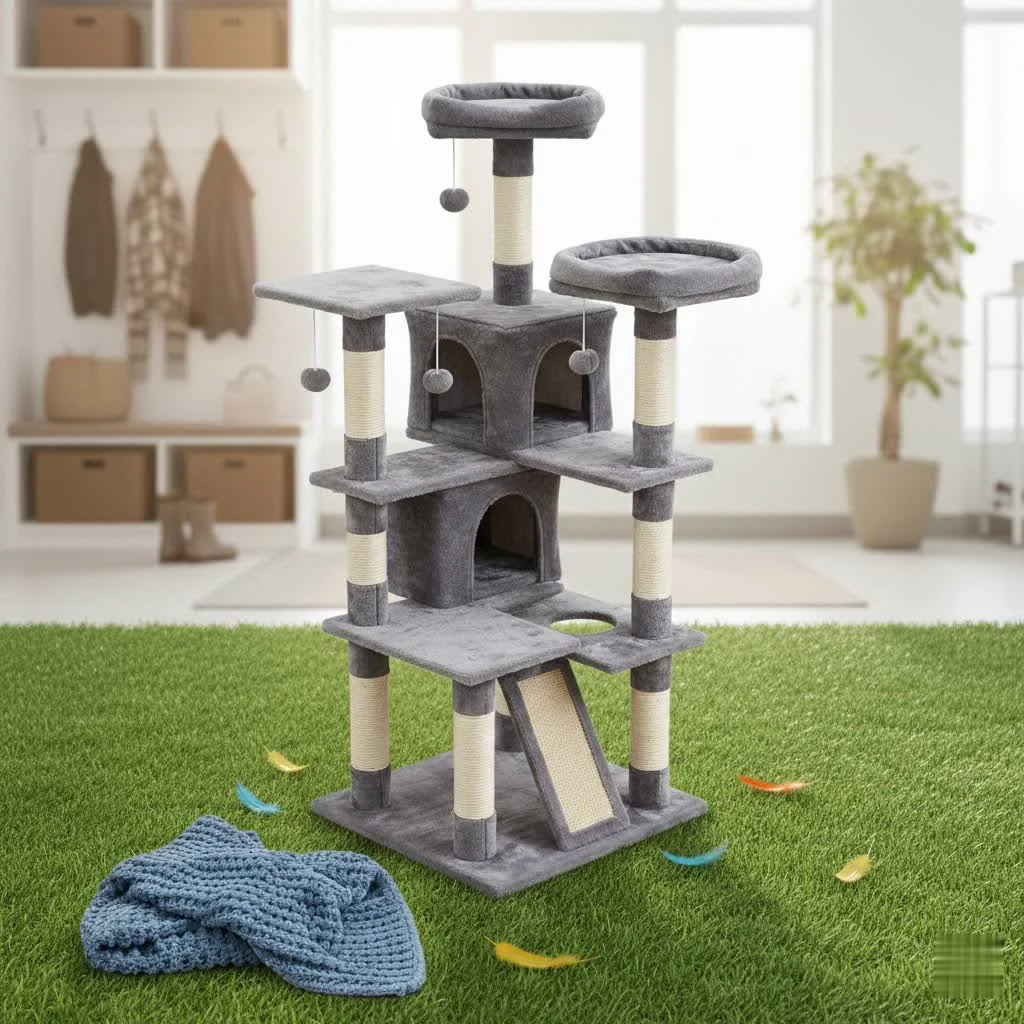
Why Do Big Cats Need a Special Cat Tree?
Big cats, with their impressive size and robust frames, require furniture that can withstand their weight and playful energy. Unlike their smaller counterparts, a large cat leaping onto a flimsy perch can easily cause an unstable structure to wobble, tip over, or even break, leading to potential injury and a loss of confidence in their play space. A dedicated cat tree for big cats addresses several critical needs:
- Physical Exercise and Muscle Development: Larger platforms and sturdy climbing poles encourage vigorous play, stretching, and climbing, which are essential for maintaining muscle tone and preventing obesity in big breeds.
- Stress Relief and Territory Marking: Cats naturally seek high vantage points to survey their surroundings, feeling safe and in control. A spacious, elevated perch provides a secure retreat, reducing stress and offering a designated area for scratching—a vital territorial behavior that keeps claws healthy and saves your furniture.
- Personal Space and Security: Every cat, especially larger breeds who appreciate their personal bubble, benefits from a private space. Ample hideaways and cozy condos provide a secure haven for napping and retreating when they need quiet time away from household commotion.
Common Types of Cat Trees for Big Cats
When searching for the perfect cat tree for big cats, you’ll encounter various designs, each offering distinct advantages:
- Heavy-Duty Multi-Level Cat Trees: These are the most popular choice, featuring multiple platforms, scratching posts, and often enclosed condos. They are specifically reinforced with thicker posts, wider bases, and larger hammocks or perches to accommodate bigger felines.
- Wall-Mounted Cat Shelves and Systems: An excellent option for maximizing space and providing an extremely stable climbing experience. These systems attach directly to wall studs, offering incredible security and allowing for custom configurations.
- Sturdy Single-Post Scratchers with Large Base: While not a full “tree,” robust single-post scratchers with an extra-wide, heavy base can be a great supplementary item for satisfying scratching urges and offering a stable climbing surface for quick stretches.
- Extra-Large Cat Condos: Primarily focused on providing spacious, enclosed hideaways, these often have a sturdy top platform for lounging. They prioritize privacy and comfort but may offer less climbing variety than multi-level trees.
Comparing Cat Trees for Big Cats
|
Our Picks for the Best Cat Tree in 2026
As an Amazon Associate I earn from qualifying purchases.
|
||
| Num | Product | Action |
|---|---|---|
| 1 | Hey-brother Wooden Cat Tree, 69.7 inch Cats Furniture Tower with Large Platforms, Hammocks, Spacious Condo, Full Sisal Scratching Posts, Ladder, Brush, Water Proof Surface, Rustic Brown MPJ121SR |

|
| 2 | Heybly Cat Tree with Toy, Cat Tower Condo for Indoor Cats, Cat House with Padded Plush Perch, Cozy Hammock and Sisal Scratching Posts, Smoky Gray HCT004SG |
|
| 3 | Feandrea Cat Tree, 59.5-Inch Tall Cat Tower, Plush Multi-Level Condo with 5 Scratching Posts, 2 Perches, 2 Caves, Hammock, 2 Pompoms, Light Gray UPCT192W01 |
|
| 4 | Globlazer Heavy Duty Cat Trees for Large Cats, Sturdy 72in Maine Coon Cat Tree for Large Cats 20 lbs+ Heavy Duty Cat Tower for Adult Biggest Cat with 6 Scratching Posts, Hammock, S72, Dark Gray |
|
| 5 | Xin Three Layer Cat Tree with Cat Condo and Two Hammocks,Grey |
|
| 6 | Amazon Basics Cat Tree for Indoors Cats, Multi-Level Cat Tower Cat Condo with Scratching Post, Cozy Hammock and Perches for Adult Cats, Interactive Dangling Ball, L – 60.1” (152.7cm) H, Grey |
|
| 7 | 37.4" Cactus Cat Tree Tower with Twin Cat Condos for Indoor Cats, All-in-One Activity Center with Cat Scratching Post Cozy Sleeping Perch Hammock and Toy Balls,Green … |
|
| 8 | Globlazer Heavy Duty Cat Tree, 70 inch Sturdy Cat Tree for Indoor Cats Extra Large Cat Tower with Scratching Post, Hammock, Cat Condo for Adult Cats Kittens, F70 Pro, Light Grey |
|
| 9 | Amazon Basics Cat Tree - Indoor Cat & Kittens Multi-Level Climbing Activity Tower with Scratching Posts, Large (45.9"H) - Beige |
|
| 10 | YUNIQUE Cat Tree with Cat Condo and Big Hammock, Grey |
|
To help you decide, here’s a comparison of common types tailored for larger felines:
| Feature | Heavy-Duty Multi-Level | Wall-Mounted | Extra-Large Cat Condo |
|---|---|---|---|
| Pros | Ample space, varied activities, suitable for multiple big cats, promotes full body exercise | Space-saving, exceptional stability (when properly installed), customizable layouts, ideal for high climbers | Superior privacy and security, comfortable large hideaways, often very stable on the floor |
| Cons | Can be bulky, higher cost, takes up significant floor space, assembly can be complex | Requires drilling and proper installation into wall studs, less portable, may need professional help | Limited climbing/scratching variety, takes up floor space without offering much vertical play outside the top |
| Best For | Active large cats, multi-cat households with big breeds, homes with ample floor space | Small living areas, cats that love extreme heights, owners seeking a minimalist look and ultimate stability | Shy or anxious large cats, single big cats needing a secure retreat, those prioritizing sleep over extensive play |
Key Factors When Choosing a Cat Tree for Big Cats
Selecting the right cat tree involves careful consideration of several crucial elements to ensure safety, comfort, and longevity:
- Size and Dimensions: A cat tree for big cats must accommodate their full size. Look for extra-wide platforms (at least 15-18 inches) where your cat can stretch out comfortably. Taller posts (4 inches in diameter or more) allow for a full body stretch during scratching. Ensure hideaways and condos have large openings and spacious interiors so your cat can enter, turn around, and relax without feeling confined.
- Material Quality: The durability of the materials is paramount. Solid wood or heavy-duty plywood are superior choices for the base and platforms, providing unmatched strength and stability compared to flimsy particle board. Thick sisal rope (not thin twine) on scratching posts is essential for effective claw maintenance and longevity. For plush surfaces, opt for dense, durable carpet or fleece that resists shedding and tearing, and is securely attached.
- Stability and Safety: This is the most critical factor. The base should be heavy and wide to prevent tipping. Look for models with thick support posts that are well-secured. Many high-quality large cat trees include anti-tip wall anchors—always use them! Reinforced connections and sturdy hardware are also indicators of a safe structure. A stable tree ensures your cat can jump, climb, and play without fear.
- Design and Features: While aesthetics are a personal choice, prioritize features that cater to a big cat’s natural instincts. This includes multiple levels for climbing, spacious perches with raised edges for security, large tunnels or hammocks, and plenty of sisal-wrapped scratching surfaces. Ensure ramps or steps are wide and gradual to aid access for heavier cats or those with mobility issues.
How to Buy a Cat Tree for Big Cats
Making an informed purchase will save you time, money, and potential frustration:
- Set a Realistic Budget: Quality cat trees for big cats often come with a higher price tag due to their robust construction and larger materials. View this as an investment in your cat’s health and happiness rather than a simple expense. Expect to pay more for truly heavy-duty options.
- Choose Reputable Retailers: Purchase from pet stores or online retailers known for specializing in pet furniture, especially those that highlight “heavy-duty” or “extra-large” categories. These sellers are more likely to stock products designed for specific needs.
- Read Reviews Carefully: Pay close attention to reviews, particularly those from other owners of large cat breeds (e.g., “Perfect for my Maine Coon!” or “Finally a tree that doesn’t wobble with my Ragdoll!”). Look for comments on stability, material quality, ease of assembly, and how the tree holds up over time.
- Verify Specifications: Before buying, double-check the product’s weight capacity and the exact dimensions of platforms, perches, and hideaways against your cat’s size and weight. A product simply labeled “large” might still be too small for truly giant breeds.
Tips for Introducing Your Big Cat to Their New Tree
Even the most perfect cat tree might need a little introduction:
- Strategic Placement: Place the tree in a high-traffic area where your cat naturally spends time, preferably near a window, to maximize its appeal and encourage exploration.
- Entice with Treats and Toys: Use catnip, favorite treats, or dangle a toy on the tree to encourage initial investigation and positive association.
- Positive Reinforcement: When your cat uses the tree, offer praise and gentle petting. Make it a rewarding experience.
- Patience is Key: Some cats are adventurous, others are cautious. Give your feline friend time to explore and get comfortable at their own pace.
Cleaning and Maintaining Your Big Cat’s Tree
Regular cleaning and maintenance will extend the life of your cat tree and keep it hygienic:
- Vacuum Regularly: Use a brush attachment to vacuum plush surfaces, removing loose fur and dust that can accumulate.
- Spot Clean Accidents: For spills or accidents, use pet-safe enzymatic cleaners to break down odors and stains. Always test the cleaner on an inconspicuous area first.
- Inspect for Wear and Tear: Periodically check all connections, screws, and hardware, tightening anything that has loosened. Inspect sisal posts for excessive wear and consider replacing them if they become shredded, as worn sisal is less appealing for scratching.
- Replace Worn Components: Many manufacturers offer replacement parts for individual components like scratching posts or perches, allowing you to refresh the tree without buying an entirely new one.
“A well-chosen cat tree for big cats isn’t just furniture; it’s a fundamental part of their environment that supports their instincts, provides security, and promotes a healthy, active lifestyle.”
Conclusion
Choosing the ideal cat tree for your big cat is a thoughtful process, but one that yields immense rewards for both you and your beloved companion. Prioritizing durability, unwavering stability, and generous sizing will ensure that your investment provides a safe, comfortable, and stimulating environment for years to come. By considering the materials, construction, and the unique needs of your larger feline, you’re not just buying a product—you’re enhancing their quality of life. What adventures will your big cat embark on from their new towering haven?
Frequently Asked Questions
Is a specific cat tree necessary for large breeds?
Yes, absolutely. Large breeds require cat trees designed to support their greater weight and size. Standard cat trees can be unstable, too small, and constructed from materials that won’t withstand the force of a bigger cat, leading to potential safety hazards and premature wear.
What materials are best for a large cat tree?
The best materials include solid wood or heavy-duty plywood for structural components, thick sisal rope (at least 4 inches in diameter) for scratching posts, and durable, dense carpet or plush fabric for lounging surfaces. These materials ensure longevity, stability, and safety for big cats.
How can I ensure my cat tree is stable enough for my big cat?
Look for a cat tree with a wide and heavy base, thick support posts (4+ inches in diameter), and reinforced connections. Many high-quality models include anti-tip straps that should always be used to secure the tree to a wall, providing crucial added stability.
Pet products vetted on real animals
Practical specs, not advice. Unsubscribe anytime.
