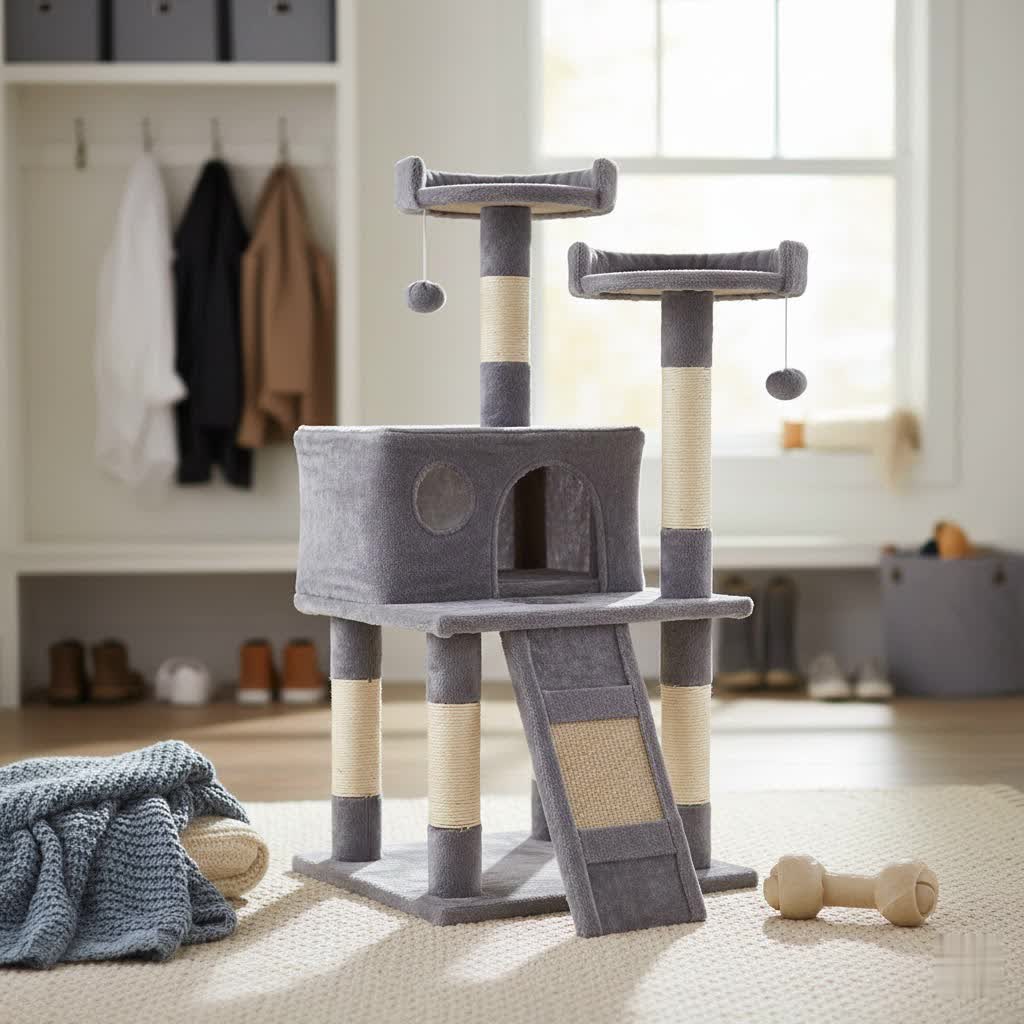
As a devoted cat parent, you understand that providing for your feline friend goes beyond just food and cuddles. It’s about enriching their environment, catering to their natural instincts, and investing in their overall well-being. A cat tree is a fundamental piece of furniture for any indoor cat, and the increasingly popular cactus cat tree offers a blend of playful design and essential functionality. These unique structures not only provide vital physical and mental stimulation but also add a touch of modern, whimsical decor to your home. Join us as we explore why a cactus cat tree might be the purr-fect addition to your cat’s life and how to choose the best one for your beloved companion.
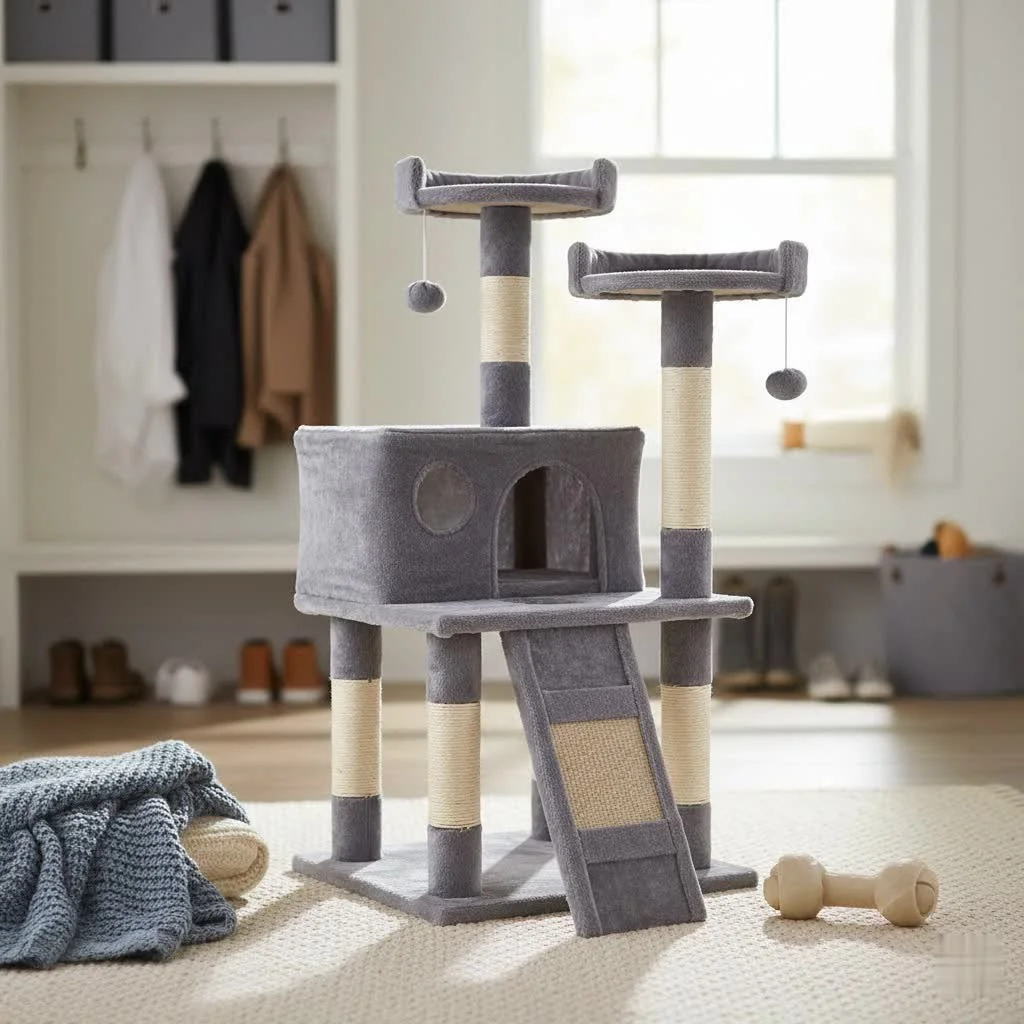
Why Do Cats Need a Cat Tree?
Cats are natural climbers, hunters, and scratchers. A cat tree provides a dedicated space where they can safely express these inherent behaviors, which are crucial for both their physical and mental health.
Firstly, a cat tree offers excellent opportunities for physical exercise and stretching. Cats love to climb and leap, honing their agility and maintaining muscle tone. Taller cat trees allow for full-body stretches, especially beneficial after a nap, promoting flexibility and reducing stiffness. Secondly, they serve as an ideal outlet for claw maintenance. Scratching is a natural and necessary behavior for cats to shed old claw sheaths, mark their territory, and relieve stress. Providing appropriate scratching surfaces, often wrapped in durable sisal rope, helps redirect this instinct away from your furniture, saving your sofas and carpets from damage.
Mentally, cat trees provide a sense of security and control. Being elevated gives cats a prime vantage point to observe their surroundings, making them feel safer from perceived “predators” (like other pets or children) and allowing them to survey their domain. This vertical territory is especially important in multi-cat households, offering individual cats a space to retreat and avoid conflict. Many cat trees also include hiding spots like condos or baskets, providing cozy, private nooks where cats can feel secure and relax without interruption. In essence, a well-chosen cat tree is an investment in your cat’s happiness and health, offering a secure sanctuary for play, rest, and instinctual expression.
Popular Types of Cat Trees
The world of cat trees is diverse, with designs tailored to various feline personalities and home aesthetics. Cactus cat trees, in particular, bring a playful, modern twist to these essential structures.
- Simple Post Cactus Cat Trees: These are typically single, sturdy columns designed to resemble a cactus, often featuring multiple sisal-wrapped scratching surfaces and perhaps one or two small perches. They are excellent for kittens or cats who primarily need a dedicated scratching area and a modest elevated spot. Their compact footprint makes them ideal for smaller living spaces.
- Multi-Level Cactus Cat Trees: Mimicking the branching arms of a real cactus, these designs offer several staggered platforms, scratching posts, and often a cozy bed or perch at the top. They provide more climbing opportunities and diverse spaces for lounging, suiting more active cats or multi-cat homes where felines appreciate having different levels to explore.
- Cactus Cat Trees with Integrated Condos/Hammocks: These models combine the aesthetic of a cactus with additional features for comfort and privacy. You’ll find designs that incorporate enclosed cubbies, soft hammocks, or plush baskets within the cactus structure, offering secure hideaways for napping or shy cats. Some may even include dangling toys for added entertainment.
- Floor-to-Ceiling Cactus Cat Towers: For the ultimate vertical adventure, these towers extend from floor to ceiling, providing maximum climbing height and multiple levels. While less common in a strictly “cactus” shape, many incorporate cactus-inspired elements into their design, offering unparalleled enrichment for energetic cats who love to scale new heights.
Comparing Different Cat Trees
|
Our Picks for the Best Cat Tree in 2026
As an Amazon Associate I earn from qualifying purchases.
|
||
| Num | Product | Action |
|---|---|---|
| 1 | Globlazer Heavy Duty Cat Trees for Large Cats, Sturdy 72in Maine Coon Cat Tree for Large Cats 20 lbs+ Heavy Duty Cat Tower for Adult Biggest Cat with 6 Scratching Posts, Hammock, S72, Dark Gray |

|
| 2 | Heybly Cat Tree with Toy, Cat Tower Condo for Indoor Cats, Cat House with Padded Plush Perch, Cozy Hammock and Sisal Scratching Posts, Smoky Gray HCT004SG |
|
| 3 | Globlazer Heavy Duty Cat Tree, 70 inch Sturdy Cat Tree for Indoor Cats Extra Large Cat Tower with Scratching Post, Hammock, Cat Condo for Adult Cats Kittens, F70 Pro, Light Grey |
|
| 4 | YUNIQUE Cat Tree with Cat Condo and Big Hammock, Grey |
|
| 5 | Amazon Basics Cat Tree for Indoors Cats, Multi-Level Cat Tower Cat Condo with Scratching Post, Cozy Hammock and Perches for Adult Cats, Interactive Dangling Ball, L – 60.1” (152.7cm) H, Grey |
|
| 6 | Feandrea Cat Tree, 59.5-Inch Tall Cat Tower, Plush Multi-Level Condo with 5 Scratching Posts, 2 Perches, 2 Caves, Hammock, 2 Pompoms, Light Gray UPCT192W01 |
|
| 7 | Xin Three Layer Cat Tree with Cat Condo and Two Hammocks,Grey |
|
| 8 | Hey-brother Wooden Cat Tree, 69.7 inch Cats Furniture Tower with Large Platforms, Hammocks, Spacious Condo, Full Sisal Scratching Posts, Ladder, Brush, Water Proof Surface, Rustic Brown MPJ121SR |
|
| 9 | 37.4" Cactus Cat Tree Tower with Twin Cat Condos for Indoor Cats, All-in-One Activity Center with Cat Scratching Post Cozy Sleeping Perch Hammock and Toy Balls,Green … |
|
| 10 | Amazon Basics Cat Tree - Indoor Cat & Kittens Multi-Level Climbing Activity Tower with Scratching Posts, Large (45.9"H) - Beige |
|
When selecting a cat tree, understanding the different types and their features can help you make an informed decision.
| Feature | Simple Post | Multi-Level/Complex | Condo/Cave Integrated | Wall-Mounted |
|---|---|---|---|---|
| Advantages | Affordable, easy to place, good for scratching. | More activity, diverse spaces, suitable for multiple cats. | Offers privacy, security, cozy napping spots. | Space-saving, customizable, highly stable when installed correctly. |
| Disadvantages | Limited play, less vertical space, basic design. | Can be bulky, takes up floor space, potentially harder to clean. | Can be harder to clean, may limit climbing space, larger footprint. | Requires installation, not easily moved, may not suit all wall types. |
| Best For | Kittens, single cats, limited space, primary scratching need. | Active cats, multi-cat households, cats who love to climb and observe. | Shy cats, cats needing secure hideaways, enhancing feeling of safety. | Small homes/apartments, contemporary decor, highly energetic climbers. |
Cactus cat trees often fall into the “Simple Post” or “Multi-Level/Complex” categories, providing both scratching opportunities and aesthetically pleasing forms that enhance your home. They successfully blend the functional necessities of a cat tree with a unique, modern design element.
Important Factors When Choosing a Cactus Cat Tree
Selecting the right cactus cat tree ensures both your cat’s enjoyment and safety. Consider these crucial factors before making your purchase.
First, size is paramount. The cat tree’s dimensions should align with your available living space and your cat’s size and weight. While indoor cat trees typically range from 20 to 70 inches in height, some floor-to-ceiling models can reach up to 108 inches. Ensure there’s ample room for your cat to comfortably jump and move between platforms without feeling confined. For larger or more energetic cats, a taller, more robust structure is essential.
Next, material quality directly impacts durability and safety. Opt for structures made with solid wood or high-density particleboard for a sturdy frame. Sisal rope or natural jute is the preferred covering for scratching posts, as it’s durable and effectively conditions claws. For lounging areas, soft felt, plush fabric, or flannelette provides comfort. Always confirm that materials are non-toxic and pet-safe, ideally E1-grade environmental protection boards, ensuring your cat’s well-being.
Stability is non-negotiable for safety. A wide, heavy base (at least 18×18 inches for many models) is crucial to prevent tipping, especially during vigorous play. Look for reinforced construction, and consider models that come with anti-toppling safety straps if you have very active or larger cats. The tree should feel completely stable with no wobbling when your cat jumps on or off.
Finally, design and features should cater to your cat’s preferences and blend with your home decor. A cactus cat tree’s unique aesthetic can be a stylish addition. Look for multiple perches at varying heights, comfortable condos or hammocks, and engaging dangling toys to satisfy hunting instincts. Platforms should be spaced 10-14 inches apart to allow for easy, strain-free jumping.
Guide to Buying a Cactus Cat Tree
Navigating the market for the perfect cactus cat tree can be exciting. Here’s a streamlined guide to help you make the best purchase.
Start by setting a budget. Cactus cat trees vary widely in price depending on size, materials, and features. Knowing your price range will help narrow down options. You can find these trees at reputable pet supply stores or through online retailers. Online shopping often provides a broader selection and allows for direct comparison of features and prices.
Crucially, read customer reviews. Insights from other cat owners offer valuable information on product durability, stability, ease of assembly, and how cats actually interact with the tree. Pay attention to comments regarding material quality and sturdiness, as these are critical for your cat’s safety and the product’s longevity. Before finalizing your purchase, check the product specifications carefully. Confirm the dimensions, materials used, and load capacity to ensure it’s suitable for your cat’s size and activity level. Consider your cat’s individual preferences: Do they prefer vertical or horizontal scratching? Do they enjoy perching high or hiding in enclosed spaces? A cat tree that matches their natural inclinations will be used more frequently.
“A good cat tree isn’t just a plaything; it’s a sanctuary where your cat feels safe, comfortable, and truly at home.”
Tips for Training Your Cat to Use a Cat Tree
Introducing a new cat tree to your feline friend sometimes requires a little patience and encouragement. Here are some effective tips to help your cat embrace their new cactus oasis.
Firstly, strategic placement is key. Position the cat tree in an area your cat already loves, such as near a sunny window where they can observe birds, or in a high-traffic family area where they feel included. Cats often prefer spots that offer a good vantage point or a cozy corner. Ensure the tree has a stable grounding and won’t rock, as cats dislike instability.
Secondly, use positive reinforcement. Never force your cat onto the tree, as this can create negative associations. Instead, make it an inviting space. Lure them with their favorite toys, like a feather wand, encouraging them to climb to different levels. Place high-value treats or a sprinkle of catnip on the perches and inside any condos. When they investigate or use the tree, offer praise and additional treats to create a positive experience. You can also place their favorite blanket or a piece of clothing with your scent on a perch to make it feel more familiar and secure. Patience is crucial; some cats may take a few days or even weeks to fully adopt their new furniture, but consistent positive reinforcement will eventually make it a favorite spot.
Cleaning and Maintenance of Cat Trees
Regular cleaning and maintenance are essential to keep your cactus cat tree hygienic, inviting, and long-lasting. Neglecting it can lead to accumulation of fur, dust, odors, and even allergens.
Start by removing loose fur and debris regularly. Use a vacuum cleaner with a brush attachment to clean all surfaces, paying extra attention to perches, hammocks, and scratching posts. A lint roller or a rubber glove can also be highly effective for picking up stubborn cat hair. If your cat tree has removable covers or cushions, machine wash them on a gentle cycle using a pet-safe, unscented detergent. Avoid harsh chemicals or strong scents that can irritate your cat’s sensitive nose.
For non-fabric surfaces like wooden or plastic components, wipe them down with a cloth dampened with a pet-safe cleaning solution. A solution of equal parts white vinegar and water is an excellent, non-toxic option. Avoid ammonia-based cleaners or bleach. For the sisal scratching posts, use a stiff-bristled brush to remove embedded debris and refresh the material. If there are any noticeable stains, spot clean them immediately with a pet-safe disinfectant. Finally, allow all parts of the cat tree to air dry completely before letting your cat use it again to prevent mold or mildew growth. Periodically inspect the tree for any loose screws, wobbly parts, or damaged sisal, and make necessary repairs to ensure its continued stability and safety.
Conclusion
A cactus cat tree is more than just a piece of pet furniture; it’s a vibrant, functional addition that enriches your cat’s life while enhancing your home’s aesthetic. By providing dedicated spaces for scratching, climbing, resting, and observing, these unique structures cater to your feline’s innate instincts, promoting both physical well-being and mental security. Choosing the right one involves considering factors like size, material, and stability, ensuring a safe and engaging environment for your cherished companion. Regular cleaning and patient training will help your cat fully appreciate their new desert-inspired haven.
So, are you ready to bring the joy and stimulation of a stylish cactus cat tree into your home? Observe your cat’s delight as they explore their new territory, and enjoy the harmonious blend of pet needs and modern design. Which cactus cat tree design will best complement your home and captivate your cat?
Frequently Asked Questions
Is a cactus cat tree really necessary for my cat?
While not every cat requires a multi-level tree, all cats benefit from vertical space and dedicated scratching surfaces. A cactus cat tree effectively combines these elements, preventing furniture damage, promoting exercise, and providing a secure spot for relaxation and observation, making it a valuable investment in your cat’s overall happiness and health.
How do I choose a cactus cat tree suitable for a kitten?
For kittens, prioritize stability, non-toxic materials, and appropriate platform spacing (around 10-14 inches) to ensure easy climbing and prevent falls. Look for models with a sturdy base and smaller perches that are easily accessible. A simple post or a multi-level tree with reachable elements is usually ideal for a growing kitten’s energy and curiosity.
What is the best material for a cactus cat tree?
The best materials combine durability with comfort and safety. Sisal rope (or natural jute) is excellent for scratching posts due to its texture and longevity. For the frame, solid wood or high-density particleboard provides stability. Plush fabric, felt, or flannelette offer soft, comfortable surfaces for lounging. Always ensure materials are pet-safe and free from harmful chemicals.
Pet products vetted on real animals
Practical specs, not advice. Unsubscribe anytime.
