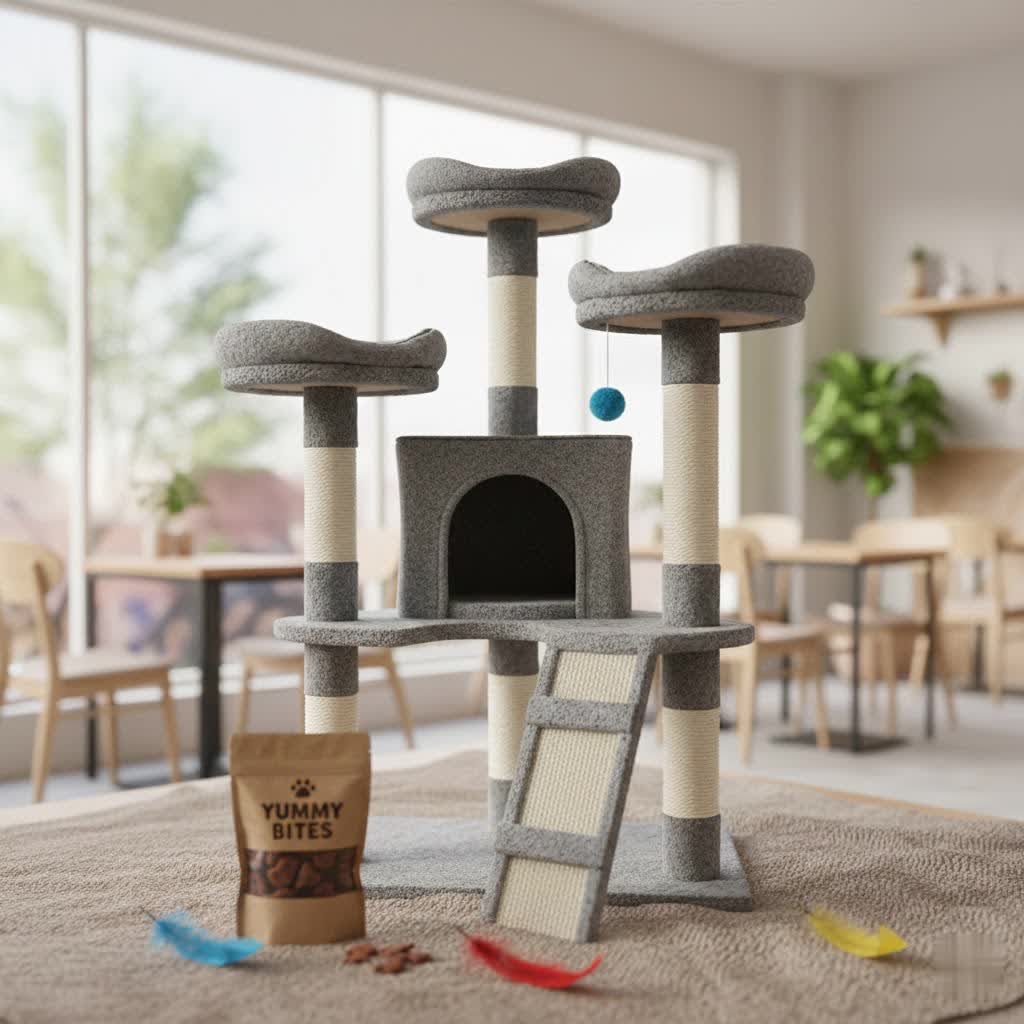
As a devoted cat parent, you know your majestic feline companion deserves more than just an ordinary cat tree. Large cat breeds, or even smaller cats with big personalities, require a structure specifically designed to support their size, strength, and endless energy. Investing in a robust large cat tree isn’t just about providing a plaything; it’s about enhancing their well-being, satisfying their natural instincts, and creating a safe, enriching environment they’ll truly love. This comprehensive guide will walk you through everything you need to know to select the perfect large cat tree that stands the test of time and playtime, ensuring your beloved “gentle giant” thrives in comfort and security.
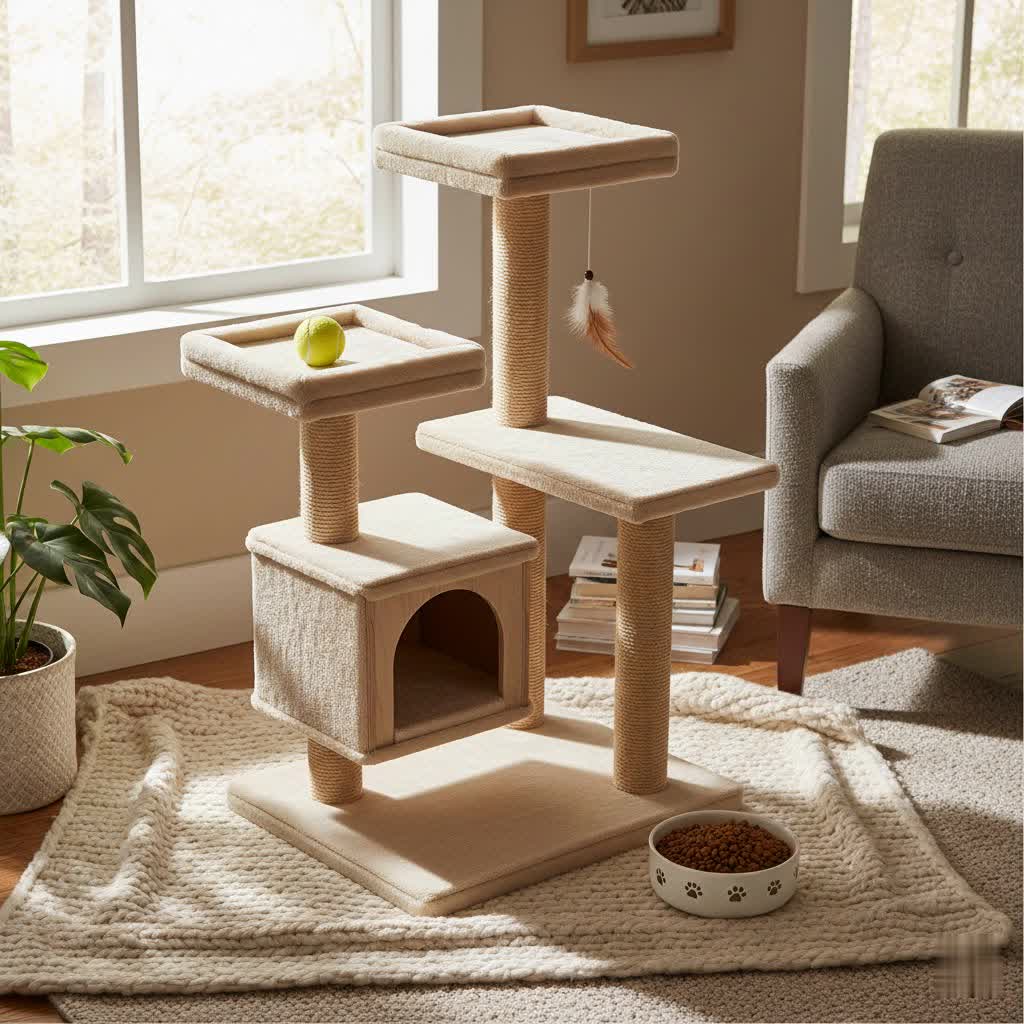
Why Do Large Cats Need a Cat Tree?
Cats, by nature, are climbers, scratchers, and observers. A well-designed large cat tree caters to these innate behaviors, which are even more pronounced in bigger breeds. For starters, it provides an essential outlet for physical exercise and mental stimulation, helping your large cat maintain a healthy weight and muscle tone. Climbing, jumping, and exploring different levels keep them active and engaged, preventing boredom and potential destructive behaviors like scratching your furniture.
Moreover, a sturdy cat tree offers valuable vertical territory, a crucial element for a cat’s sense of security and control within their environment. Being elevated allows them to survey their surroundings, feeling safe from perceived threats (like other pets or active children) and reducing stress or anxiety. In multi-cat households, extra-large cat trees become even more vital, providing individual spaces for each cat to relax, observe, and establish their own territory, minimizing conflicts and promoting harmony. Cozy condos and private perches offer quiet retreats for naps, ensuring your big cat always has a secure spot to unwind.
Types of Large Cat Trees
When exploring large cat trees, you’ll encounter a variety of designs, each offering unique benefits. Understanding these can help you narrow down the best fit for your cat’s preferences and your home’s layout.
- Simple Post Cat Trees: While typically associated with smaller cats, heavy-duty single posts wrapped in thick sisal can serve as excellent supplemental scratching zones for large cats. However, they usually lack the vertical exploration and lounging space needed for a primary large cat tree.
- Multi-Level Cat Trees: These are the most popular and versatile options for big cats, featuring several platforms, ramps, and sometimes even enclosed condos or hammocks. They offer ample space for climbing, jumping, and exploring.
- Cat Trees with Integrated Houses/Condos: These designs incorporate spacious hideaways and cozy sleeping areas within the structure, providing a private retreat where your large cat can feel safe and secure. Look for generously sized enclosures that allow your cat to stretch out comfortably.
- Wall-Mounted Cat Trees: An excellent choice for smaller homes or highly energetic cats, wall-mounted cat trees save floor space while offering robust vertical climbing opportunities. These systems can be customized and often provide exceptional stability when properly installed.
Comparing Types of Cat Trees for Large Felines
| Feature | Simple Post (Heavy-Duty) | Multi-Level | Combined with House | Wall-Mounted |
|---|---|---|---|---|
| Pros | Excellent scratching outlet; space-efficient as an addition | Multiple spaces for play, climbing, lounging; great for multi-cat homes | Offers privacy and secure sleeping spots; ideal for shy cats | Maximizes floor space; highly stable when installed correctly; customizable |
| Cons | Limited activity and lounging space; not a primary cat tree | Can take up significant floor space; needs a wide, heavy base for stability | May be harder to clean deep inside enclosures; typically larger footprint | Requires drilling into walls; initial setup can be more complex |
| Best For | Supplemental scratching for a single large cat | Active, playful large cats or multi-cat households | Large cats who cherish privacy and security; cats needing quiet retreats | Small living spaces; highly athletic cats; modern aesthetics |
Crucial Factors When Choosing a Large Cat Tree
Selecting the right large cat tree involves considering several vital elements to ensure it’s a safe, durable, and enjoyable investment for your pet.
Size and Stability
This is paramount for big cats. A large cat tree must withstand significant force from jumping, climbing, and playful wrestling without wobbling or tipping. Look for:
- High Weight Capacity: Ensure the tree’s stated weight limit exceeds your cat’s actual weight, with extra capacity for active play. If you have multiple large cats, choose one designed for their combined weight.
- Broad, Heavy Base: A wide, weighted base is the foundation of stability, preventing the tower from swaying or falling over. Solid wood bases are excellent for this.
- Reinforced Platforms and Posts: Platforms should be thick and reinforced with multiple support columns or thicker materials to remain solid under your cat’s weight. Avoid flimsy posts; look for support columns at least 2 inches thick.
- Overall Dimensions: Platforms and perches should be generously sized (at least 14-16 inches) to allow your large cat to stretch, curl up, or fully lounge comfortably. Condos should be roomy enough for them to enter, turn around, and relax.
|
Our Picks for the Best Cat Tree in 2026
We may earn a commission when you use one of our links to make a purchase.
|
||
| Num | Product | Action |
|---|---|---|
| 1 | Heybly Cat Tree with Toy, Cat Tower Condo for Indoor Cats, Cat House with Padded Plush Perch, Cozy Hammock and Sisal Scratching Posts, Smoky Gray HCT004SG |

|
| 2 | Globlazer Heavy Duty Cat Trees for Large Cats, Sturdy 72in Maine Coon Cat Tree for Large Cats 20 lbs+ Heavy Duty Cat Tower for Adult Biggest Cat with 6 Scratching Posts, Hammock, S72, Dark Gray |
|
| 3 | Feandrea Cat Tree, 59.5-Inch Tall Cat Tower, Plush Multi-Level Condo with 5 Scratching Posts, 2 Perches, 2 Caves, Hammock, 2 Pompoms, Light Gray UPCT192W01 |
|
| 4 | Xin Three Layer Cat Tree with Cat Condo and Two Hammocks,Grey |
|
| 5 | Amazon Basics Cat Tree - Indoor Cat & Kittens Multi-Level Climbing Activity Tower with Scratching Posts, Large (45.9"H) - Beige |
|
| 6 | 37.4" Cactus Cat Tree Tower with Twin Cat Condos for Indoor Cats, All-in-One Activity Center with Cat Scratching Post Cozy Sleeping Perch Hammock and Toy Balls,Green … |
|
| 7 | Hey-brother Wooden Cat Tree, 69.7 inch Cats Furniture Tower with Large Platforms, Hammocks, Spacious Condo, Full Sisal Scratching Posts, Ladder, Brush, Water Proof Surface, Rustic Brown MPJ121SR |
|
| 8 | Globlazer Heavy Duty Cat Tree, 70 inch Sturdy Cat Tree for Indoor Cats Extra Large Cat Tower with Scratching Post, Hammock, Cat Condo for Adult Cats Kittens, F70 Pro, Light Grey |
|
| 9 | YUNIQUE Cat Tree with Cat Condo and Big Hammock, Grey |
|
| 10 | Amazon Basics Cat Tree for Indoors Cats, Multi-Level Cat Tower Cat Condo with Scratching Post, Cozy Hammock and Perches for Adult Cats, Interactive Dangling Ball, L – 60.1” (152.7cm) H, Grey |
|
Material Quality
The durability and safety of the materials are key for a long-lasting large cat tree.
- Solid Wood Construction: Solid wood is highly recommended for its strength and longevity, providing a sturdy framework that won’t easily break down. Avoid cardboard tubes for structural components.
- Durable Scratching Surfaces: Thick sisal rope is the gold standard for scratching posts, designed to withstand the vigorous scratching of larger claws. Some trees also feature carpeted scratching ramps.
- High-Quality Fabric Coverings: Plush, soft fabrics like faux fur or household-grade carpet provide comfort and warmth. Ensure these coverings are securely attached and durable enough to resist tearing or fraying from active use.
- Non-Toxic Materials: Always prioritize cat trees made with non-toxic glues, fabrics, and wood treatments to ensure your cat’s safety, especially since they may chew or lick parts of the tree.
Design and Features
Beyond basic stability, consider features that enhance your large cat’s experience.
- Multiple Levels and Activity Zones: A variety of perches at different heights, coupled with ramps or steps, allows for exploration and caters to different moods – from a high vantage point for observation to a cozy hideaway for a nap.
- Spacious Hideaways and Beds: Large cats need ample space to feel comfortable in enclosed areas. Look for roomy condos or baskets where they can stretch out fully.
- Engaging Interactive Elements: Hanging toys, tunnels, or even integrated catnip pockets can provide mental stimulation and encourage play.
- Aesthetic Appeal: While functionality is key, many modern large cat trees are designed to blend seamlessly with home decor, offering stylish options made from natural wood or neutral-toned fabrics.
Your Buying Guide for a Large Cat Tree
Armed with knowledge about what makes a great large cat tree, here’s how to approach the purchase process.
- Set a Realistic Budget: Quality large cat trees, especially those made with solid wood and robust construction, can be a significant investment. Consider it a long-term purchase for your cat’s health and happiness.
- Research Reputable Brands and Retailers: Look for companies specializing in heavy-duty or large cat furniture. Online reviews and product descriptions will often highlight specifics about weight capacity and material quality.
- Read Customer Reviews: Pay close attention to feedback from other large cat owners regarding stability, durability, and how well their cats actually use the tree. Photos from real customers can also be very insightful.
- Inspect Upon Arrival: Once your large cat tree arrives, carefully inspect all components. Check for any damage, ensure all parts are present, and verify the quality of materials and construction before assembly.
Tips for Training Your Cat to Use Their New Large Cat Tree
Even the most magnificent large cat tree might need a little introduction for your feline friend. Patience and positive reinforcement are key.
- Strategic Placement: Place the cat tree in a high-traffic area where your cat already loves to be, such as near a window for bird watching or in the living room where the family gathers. Cats enjoy high vantage points to observe their surroundings.
- Use Catnip or Treats: Sprinkle some catnip on the perches or inside a condo to entice your cat to explore. You can also place their favorite treats on different levels.
- Encourage Play: Use wand toys to engage your cat in play sessions around and on the cat tree, especially on the higher levels.
- Positive Reinforcement: When your cat uses the tree, offer praise, gentle petting, or a small treat. Never force your cat onto the tree; let them explore at their own pace.
- Create a Routine: Encourage consistent use by incorporating the cat tree into their daily routine, perhaps as a morning stretching spot or an evening napping place.
Cleaning and Maintaining Your Large Cat Tree
Regular cleaning and maintenance will prolong the life of your large cat tree and keep it a hygienic space for your feline.
- Routine Vacuuming: Use a brush attachment on your vacuum cleaner to remove loose fur, dust, and debris from all surfaces, especially plush coverings and condos.
- Spot Cleaning: For spills or accidents, spot clean with a pet-safe enzymatic cleaner. Always test the cleaner on an inconspicuous area first to ensure it doesn’t stain or damage the fabric.
- Check for Wear and Tear: Regularly inspect scratching posts for significant fraying, and platforms or connections for any wobbling or loosening. Replace severely damaged sisal rope or tighten bolts as needed to maintain stability.
- Wash Removable Covers: If your large cat tree has removable, washable covers, follow the manufacturer’s instructions for cleaning. This is ideal for deep cleaning and freshness.
“A well-chosen large cat tree isn’t just a piece of furniture; it’s a vital part of a big cat’s habitat, providing security, exercise, and a personal sanctuary.”
Conclusion
Choosing the right large cat tree for your magnificent feline is an investment in their happiness, health, and overall well-being. By prioritizing stability, durable materials, ample space, and engaging features, you can provide a towering sanctuary that supports their natural instincts and stands strong for years to come. Remember, a happy cat is a cat with a purr-fect place to climb, scratch, and survey their kingdom.
What adventures will your big cat embark on in their new large cat tree?
Frequently Asked Questions
Is a large cat tree truly necessary for big cats?
Yes, a large cat tree is highly recommended for big cats. Their size and weight require extra sturdy construction, larger platforms for comfort, and more robust scratching surfaces to satisfy their natural instincts. It’s crucial for their physical activity, mental stimulation, and sense of security.
How do I choose a large cat tree that won’t wobble or tip over?
To ensure stability, look for a large cat tree with a wide, heavy base, solid wood posts, and reinforced platforms. Check the product’s weight capacity to ensure it can comfortably support your cat, and consider models with anti-tip mechanisms or those that can be anchored to a wall for maximum safety.
What are the best materials for a durable large cat tree?
Solid wood is considered the most durable and stable material for a large cat tree’s frame. For scratching surfaces, thick sisal rope is ideal, while high-quality, dense faux fur or carpet-like fabrics provide comfortable and resilient lounging areas. Always ensure materials are non-toxic.