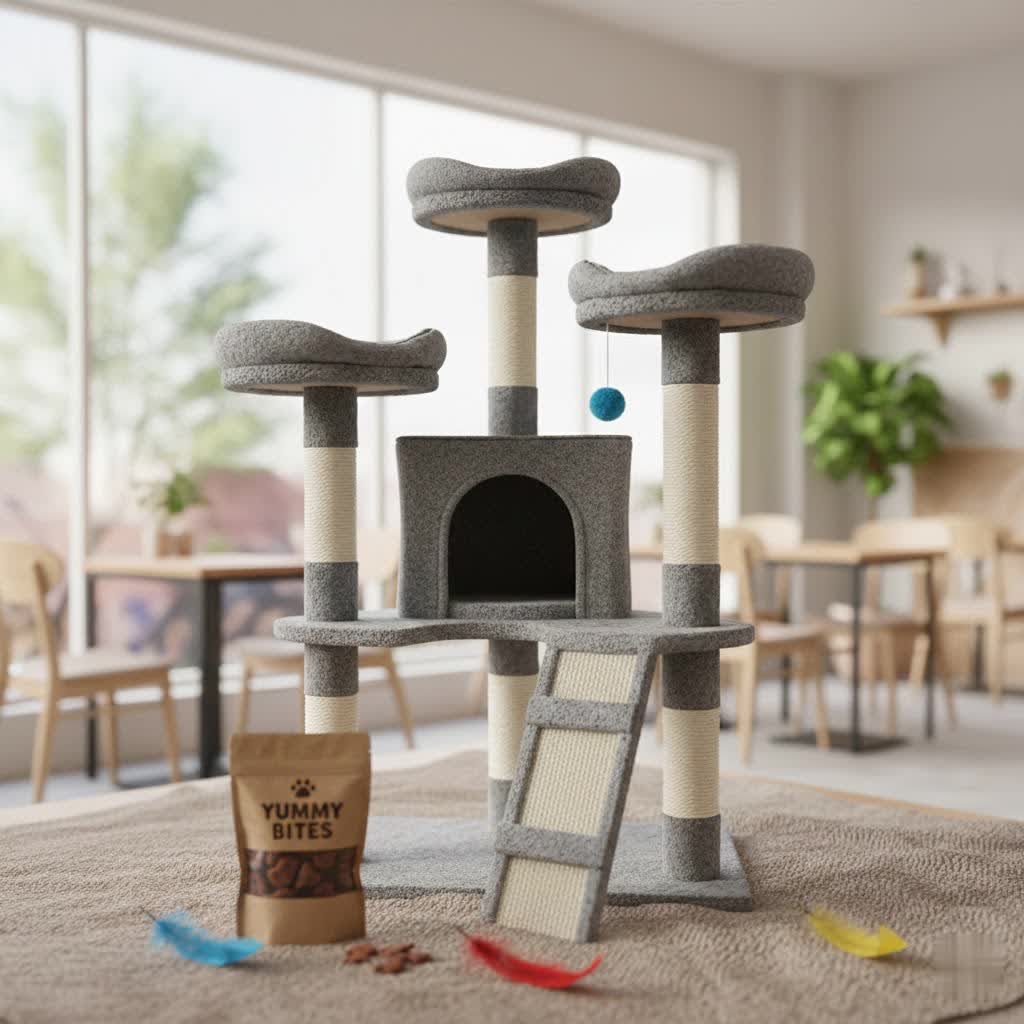
Bringing a cat into your home means investing in their happiness and well-being, and few items are as crucial to a cat’s health and enrichment as a well-chosen cat tree. With over a decade of experience in pet supplies, especially with cat trees, I’ve seen firsthand how these structures transform a cat’s life. They are more than just furniture; they are vital spaces where your cat can express natural instincts, exercise, and find solace. Let’s delve into everything you need to know to select the ideal cat tree for your beloved companion.
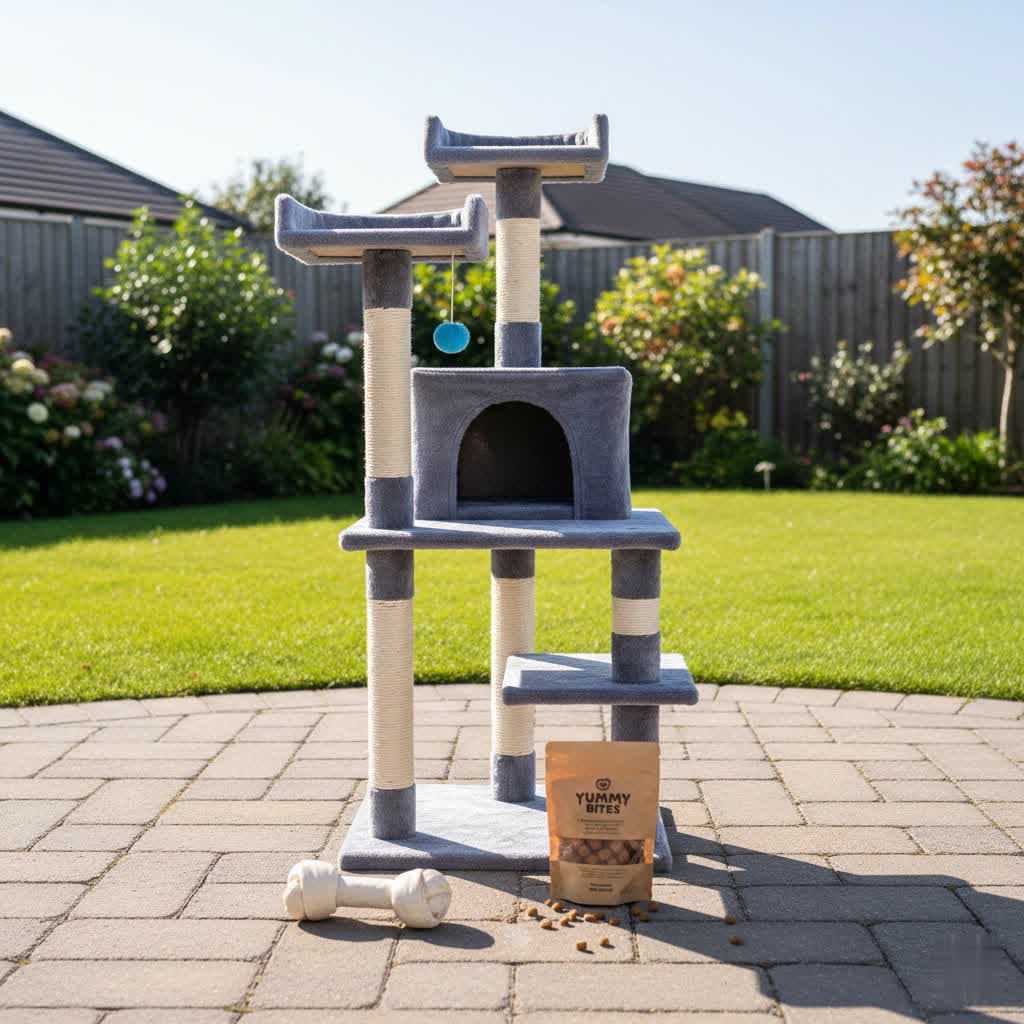
Why Do Cats Need Cat Trees?
A cat tree isn’t just a luxury; it’s an essential element for your cat’s physical and mental health. These multi-level structures fulfill several innate feline needs, contributing significantly to their overall well-being.
Cats are natural climbers and observers. In the wild, elevated positions offer a safe vantage point to survey their territory and escape potential threats. A cat tree provides this same sense of security and control within your home. It allows them to feel safe while watching the world from above, which can be particularly calming in busy households or multi-pet environments. This vertical territory helps reduce stress and conflict among cats by providing individual spaces.
Beyond mental stimulation, cat trees are crucial for physical exercise. Climbing, jumping, and stretching on a cat tree help maintain muscle strength, flexibility, and cardiovascular health. This activity is vital for preventing obesity and keeping your cat agile. Furthermore, the integrated scratching posts are indispensable. Scratching is a natural behavior that helps cats shed old claw sheaths, mark their territory, and stretch their bodies. Without a designated scratching area, your furniture often becomes the unfortunate target.
Popular Types of Cat Trees
The world of cat trees offers a diverse range of options, each catering to different feline preferences and living spaces. Understanding the common types can help you narrow down your choices.
Simple Post Cat Trees are typically single, tall posts with one or two small platforms. They are excellent for small spaces or as supplementary scratching posts, primarily satisfying a cat’s urge to scratch and get a little height.
Multi-level Cat Trees are the most common, featuring multiple platforms, perches, and sometimes hammocks or tunnels. These are ideal for active cats or multi-cat households, offering ample opportunities for climbing, playing, and lounging at various heights.
Cat Trees with Condos/Houses incorporate enclosed spaces, often at lower or middle levels. These provide a cozy, private retreat where cats can feel secure, nap undisturbed, and hide away from household activity. They are particularly favored by shy or anxious cats.
Wall-Mounted Cat Trees are an innovative solution for maximizing vertical space without occupying floor area. They consist of shelves, steps, and sometimes hammocks that attach directly to the wall, creating a customizable, aerial playground. These are perfect for small apartments or for creating a unique cat superhighway.
Floor-to-Ceiling Cat Trees are towering structures that often use tension rods to secure themselves between the floor and ceiling. They offer maximum climbing height and multiple levels, making them a fantastic choice for very active cats or homes with ample vertical space.
Comparing Cat Tree Types
To help you choose, here’s a comparison of the popular cat tree types:
| Feature | Simple Post | Multi-level | With Condos/Houses | Wall-Mounted |
|---|---|---|---|---|
| Pros | Affordable, compact | Diverse activities | Private, cozy | Space-saving, customizable |
| Cons | Limited activity | Can be bulky | Harder to clean | Requires installation |
| Best For | Single cat, small spaces | Active cats, multi-cat homes | Shy cats, napping | Small homes, active climbers |
Key Factors When Choosing a Cat Tree
Selecting the right cat tree involves more than just picking one that looks nice. Several critical factors must be considered to ensure it’s a perfect fit for your cat and your home.
Size and Height are paramount. A cat tree should be proportionate to your cat’s size, offering platforms large enough for them to comfortably lie down and stretch out. For larger breeds like Maine Coons, wider and sturdier platforms are essential. The height should also match your cat’s activity level and age; taller trees suit energetic climbers, while shorter, easily accessible options are better for kittens or senior cats who might have mobility issues. Always consider the available space in your home to ensure the tree fits without obstructing pathways.
Materials dictate durability, safety, and comfort. Look for cat trees made from safe, non-toxic materials. Solid wood or heavy-duty particleboard provides excellent stability and longevity. Sisal rope is the gold standard for scratching posts, as its coarse texture is irresistible to cats and helps maintain their claws. Plush fabric or faux fur offers comfortable lounging spots, but ensure it’s durable and easy to clean. Avoid flimsy particleboard or materials that can splinter or emit harmful chemicals.
Stability and Safety cannot be overstated. A wobbly cat tree is a dangerous cat tree. The base should be wide and heavy enough to prevent tipping, even during vigorous play or when your cat leaps onto it. All platforms and perches must be securely attached, without any shifting or creaking. For taller cat trees, consider models that include wall-mounting kits for added security. Regularly check for loose components and tighten fasteners to maintain stability.
Design and Features should align with your cat’s personality. Does your cat love to hide? Look for trees with cubbies, tunnels, or enclosed condos. Is your cat a passionate scratcher? Ensure there are ample sisal-wrapped posts, both vertical and horizontal. Dangling toys, ramps, and hammocks can add extra enrichment. Also, consider the aesthetic appeal; many modern cat trees blend seamlessly with home decor, offering both functionality and style.
How to Buy the Right Cat Tree
Navigating the market for a cat tree can be overwhelming, but a systematic approach will help you make an informed decision.
First, establish a budget. Cat trees vary widely in price, from budget-friendly simple posts to elaborate, luxury towers. Knowing your price range will help you filter options, but remember that investing in a higher-quality tree often means better durability and safety.
Next, consider where to purchase. Reputable pet stores, both brick-and-mortar and online, offer a wide selection. Online retailers often provide more competitive pricing and a broader range of styles. Always choose trusted vendors known for quality pet products.
Before making a purchase, read reviews from other cat owners. Real-world feedback can offer invaluable insights into a product’s stability, ease of assembly, material quality, and how well cats actually enjoy it. Look for recurring comments about durability and cat engagement.
Finally, upon receiving your cat tree, perform a thorough quality check. Inspect all components for defects, ensure all fasteners are present, and confirm that the materials feel sturdy and safe. Follow the assembly instructions carefully to ensure maximum stability and safety for your cat.
Tips for Training Your Cat to Use a Cat Tree
Even the most perfect cat tree might need a little introduction to your feline friend. With a few simple tricks, you can encourage your cat to embrace their new playground.
Strategic placement is key. Cats are drawn to warmth, sunlight, and vantage points. Position the cat tree near a window where your cat can enjoy bird-watching or sunbathing. Placing it in a common area will also make your cat feel more included in household activities, reinforcing the idea that it’s their special spot.
To initially attract your cat, use catnip. Sprinkle a small amount on the platforms or scratching posts. The enticing scent can pique their curiosity and encourage them to explore. You can also use treats or their favorite toys to lure them up the tree.
Positive reinforcement works wonders. When your cat investigates the tree, scratches a post, or lounges on a platform, offer praise, gentle petting, or a small treat. This helps them associate the cat tree with positive experiences, making them more likely to use it again.
Most importantly, be patient. Some cats will immediately take to a new cat tree, while others may need time to adjust. Never force your cat onto the tree, as this can create negative associations. Instead, create a welcoming environment and let them explore at their own pace. Consistency is crucial for building a lasting habit.
Cleaning and Maintaining Your Cat Tree
To ensure your cat tree remains a safe, hygienic, and inviting space for your feline, regular cleaning and maintenance are essential.
Regular vacuuming is the easiest way to remove loose fur, dust, and dander that can accumulate on the carpeted or plush surfaces. Aim for at least once a week, or more frequently if you have multiple cats or a heavy shedder.
For spot cleaning, address any stains or spills promptly. Use a pet-safe enzymatic cleaner to break down odors and remove messes. Avoid harsh chemicals that could be toxic to your cat or damage the tree’s materials. A damp cloth with mild soap can also work for non-carpeted surfaces.
Periodically check all components for wear and tear. Scratching posts, in particular, can fray over time. Many manufacturers offer replacement sisal rope or individual parts, allowing you to easily replace damaged sections rather than buying a whole new tree. Also, tighten any loose screws or fasteners to maintain the tree’s stability and prevent wobbling. A well-maintained cat tree provides years of enjoyment and safety.
“A good cat tree is not just a play area; it’s a sanctuary where cats feel safe and comfortable.”
Conclusion
A cat tree is a fundamental investment in your cat’s health, happiness, and overall well-being. By understanding the various types, prioritizing size, sturdy materials, and stability, and encouraging use with positive reinforcement, you can provide a dedicated space that caters to all their natural instincts. From enhancing physical fitness and mental stimulation to protecting your home furniture, the benefits are undeniable. A well-chosen and maintained cat tree fosters a harmonious environment where your cat can thrive. Are you ready to elevate your cat’s living space and witness the joy it brings?
Frequently Asked Questions
Is a cat tree truly necessary for cats?
|
Our Picks for the Best Cat Tree in 2026
We may earn a commission when you use one of our links to make a purchase.
|
||
| Num | Product | Action |
|---|---|---|
| 1 | Amazon Basics Cat Tree for Indoors Cats, Multi-Level Cat Tower Cat Condo with Scratching Post, Cozy Hammock and Perches for Adult Cats, Interactive Dangling Ball, L – 60.1” (152.7cm) H, Grey |

|
| 2 | Amazon Basics Cat Tree - Indoor Cat & Kittens Multi-Level Climbing Activity Tower with Scratching Posts, Large (45.9"H) - Beige |
|
| 3 | Xin Three Layer Cat Tree with Cat Condo and Two Hammocks,Grey |
|
| 4 | YUNIQUE Cat Tree with Cat Condo and Big Hammock, Grey |
|
| 5 | Heybly Cat Tree with Toy, Cat Tower Condo for Indoor Cats, Cat House with Padded Plush Perch, Cozy Hammock and Sisal Scratching Posts, Smoky Gray HCT004SG |
|
| 6 | Feandrea Cat Tree, 59.5-Inch Tall Cat Tower, Plush Multi-Level Condo with 5 Scratching Posts, 2 Perches, 2 Caves, Hammock, 2 Pompoms, Light Gray UPCT192W01 |
|
| 7 | Globlazer Heavy Duty Cat Tree, 70 inch Sturdy Cat Tree for Indoor Cats Extra Large Cat Tower with Scratching Post, Hammock, Cat Condo for Adult Cats Kittens, F70 Pro, Light Grey |
|
| 8 | 37.4" Cactus Cat Tree Tower with Twin Cat Condos for Indoor Cats, All-in-One Activity Center with Cat Scratching Post Cozy Sleeping Perch Hammock and Toy Balls,Green … |
|
| 9 | Globlazer Heavy Duty Cat Trees for Large Cats, Sturdy 72in Maine Coon Cat Tree for Large Cats 20 lbs+ Heavy Duty Cat Tower for Adult Biggest Cat with 6 Scratching Posts, Hammock, S72, Dark Gray |
|
| 10 | Hey-brother Wooden Cat Tree, 69.7 inch Cats Furniture Tower with Large Platforms, Hammocks, Spacious Condo, Full Sisal Scratching Posts, Ladder, Brush, Water Proof Surface, Rustic Brown MPJ121SR |
|
While not strictly essential for survival, a cat tree is highly recommended for indoor cats. It provides crucial outlets for natural behaviors like climbing, scratching, and perching, which are vital for their physical exercise, mental enrichment, and stress reduction. Without one, cats may resort to scratching furniture or seeking less safe elevated spots.
How do I choose a cat tree suitable for kittens?
For kittens, prioritize stability and ease of access. Look for trees with smaller platforms, gentler ramps, or lower overall heights to prevent falls. Soft, plush materials and dangling toys will encourage playful exploration, ensuring a safe and engaging environment for their developing coordination.
What is the best material for a cat tree?
Solid wood provides the best stability and durability for the frame. For scratching surfaces, natural sisal rope is ideal as its texture satisfies a cat’s scratching instincts. Plush fabric or faux fur offers comfort for lounging areas. Ensure all materials are non-toxic and robust enough to withstand regular feline activity.