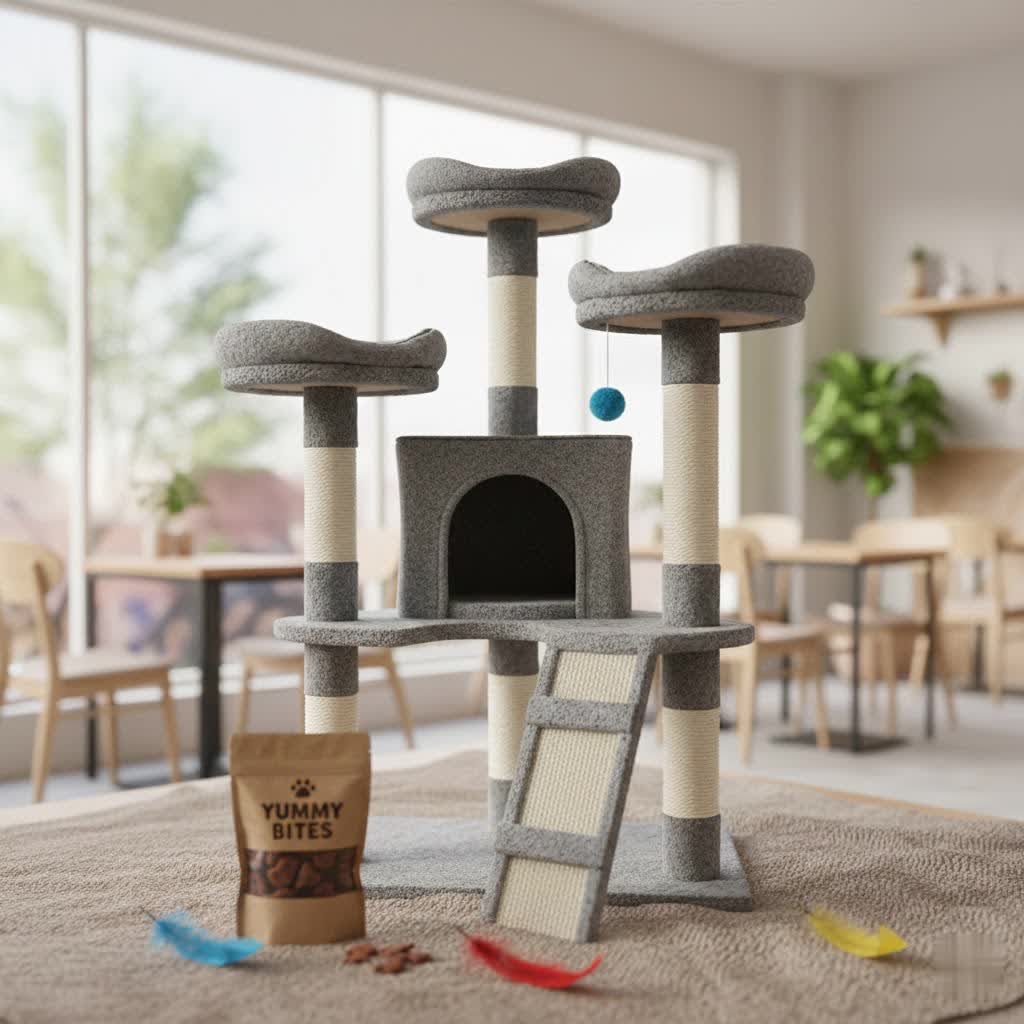
As a devoted cat parent, you understand that your feline companion thrives on engaging environments that cater to their natural instincts. A Cat Climbing Tree, often called a cat tree or cat tower, is far more than just a piece of pet furniture; it’s an investment in your cat’s health, happiness, and overall well-being. These multi-level structures provide a vital outlet for climbing, scratching, exploring, and resting, all within the safety of your home. Choosing the right cat tree can seem daunting with so many options available, but understanding what your cat truly needs will lead you to the perfect addition for both your pet and your living space.
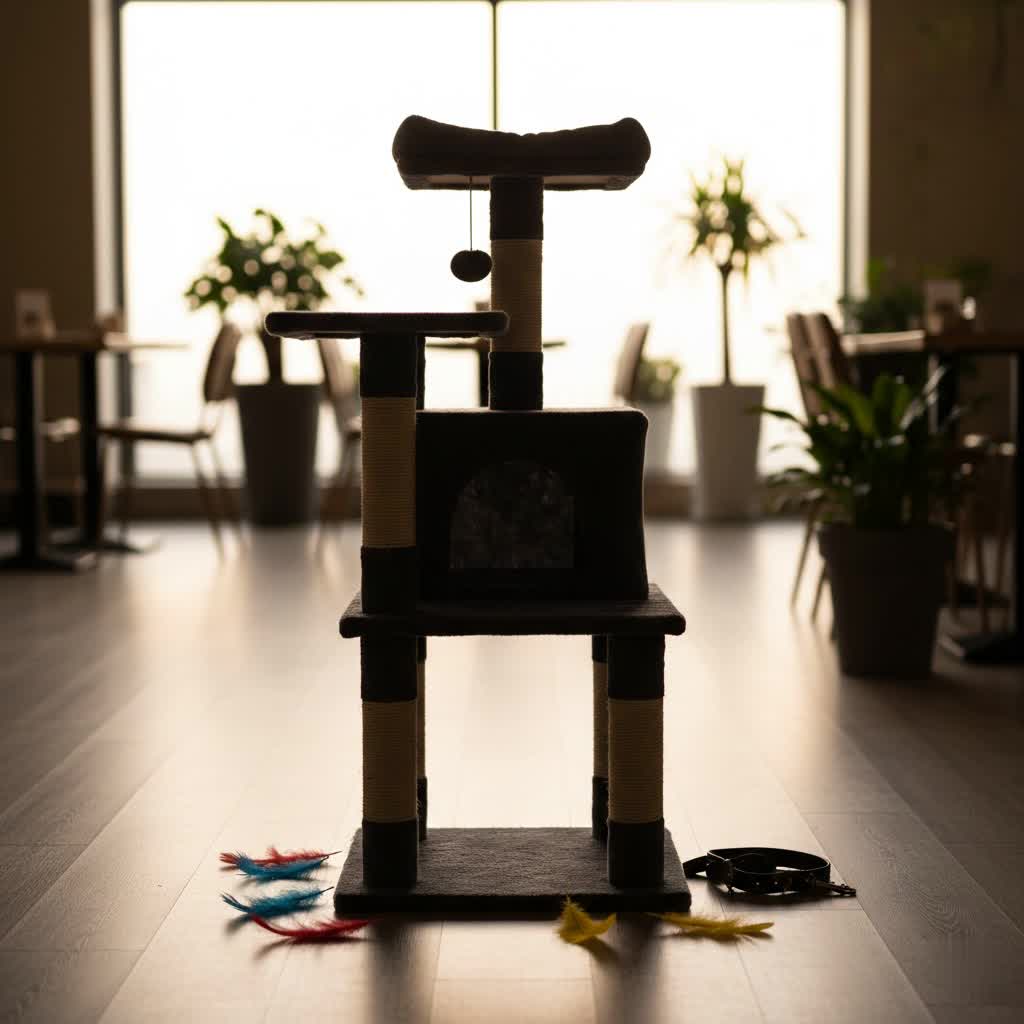
Why Do Cats Need a Cat Climbing Tree?
Cats possess innate behaviors rooted in their wild ancestors, and a cat climbing tree is instrumental in fulfilling these crucial instincts. Providing a dedicated vertical space supports both their physical and mental health.
Firstly, a cat tree offers significant physical benefits. Climbing, jumping, and stretching on various platforms promote muscle development, improve balance and coordination, and contribute to weight management. For indoor cats, who often have limited opportunities for strenuous activity, a cat tree serves as a vital indoor gym, helping to prevent obesity and keep their bodies in peak condition. Most cat trees also feature sisal-wrapped posts, offering an appropriate surface for scratching. This essential behavior maintains claw health by shedding outer layers, keeps them sharp and clean, and is a natural form of grooming.
Beyond the physical, cat trees are crucial for a cat’s mental and emotional well-being. Elevated perches provide a sense of security, allowing cats to survey their surroundings from a safe vantage point, much like they would in the wild to spot prey or avoid predators. This height reduces fear and anxiety, especially in multi-pet households where they might need a safe space away from dogs or other cats. Enclosed cubbies and hiding spots offer a private sanctuary for naps or moments of quiet solitude, further enhancing their sense of security. The varied textures, levels, and occasional dangling toys on a cat tree also provide essential mental stimulation, combating boredom and enriching their daily lives.
Finally, cat climbing trees offer considerable behavioral advantages for both cats and their owners. By providing an acceptable scratching surface, a cat tree can redirect your cat’s natural urge to scratch away from your furniture, carpets, and curtains. In homes with multiple cats, vertical space helps reduce territorial conflicts by allowing each cat to claim their own elevated territory, promoting harmony. Moreover, these structures offer designated resting and sleeping spots, which are important resources for a cat’s comfort and feeling of safety.
Popular Types of Cat Climbing Trees
Cat climbing trees come in a diverse array of designs, each catering to different feline personalities, activity levels, and living spaces. Understanding these variations can help you pinpoint the ideal structure for your home.
- Simple Column/Single-Tier Cat Trees: These are typically compact, featuring one or two platforms and a scratching post. They are ideal for kittens, older cats, or those with limited mobility, offering easy access and a basic scratching outlet without demanding much space.
- Multi-Level Cat Activity Trees: These are the most common type, offering several platforms, perches, enclosed condos, hammocks, and hanging toys. They cater to a cat’s desire to climb, play, and explore, making them perfect for active cats and multi-cat households.
- Floor-to-Ceiling Cat Towers: Utilizing vertical space to its maximum, these towers often feature tension rods that secure them to the ceiling, providing exceptional stability. They are fantastic for high-climbing cats and homes with limited floor space, offering numerous levels for exploration.
- Wall-Mounted Cat Climber Sets: A modern alternative, these sets consist of individual shelves, steps, and sometimes hammocks that are mounted directly to the wall. They completely free up floor space, offer a customizable climbing experience, and are aesthetically pleasing, especially for athletic cats and contemporary interiors.
- Cat Trees with Integrated Houses/Condos: Many cat trees incorporate enclosed cubbies or small “houses” within their design. These provide secure, cozy hiding spots, appealing particularly to shy or anxious cats who appreciate a private retreat.
- Real Wood Cat Towers: For those prioritizing durability and aesthetics, cat trees made from solid wood are an excellent choice. They are sturdy, long-lasting, and often feature washable cushions, blending seamlessly with natural home decor.
Comparing Common Cat Climbing Tree Types
|
Our Picks for the Best Cat Tree in 2026
We may earn a commission when you use one of our links to make a purchase.
|
||
| Num | Product | Action |
|---|---|---|
| 1 | YUNIQUE Cat Tree with Cat Condo and Big Hammock, Grey |

|
| 2 | 37.4" Cactus Cat Tree Tower with Twin Cat Condos for Indoor Cats, All-in-One Activity Center with Cat Scratching Post Cozy Sleeping Perch Hammock and Toy Balls,Green … |
|
| 3 | Xin Three Layer Cat Tree with Cat Condo and Two Hammocks,Grey |
|
| 4 | Globlazer Heavy Duty Cat Tree, 70 inch Sturdy Cat Tree for Indoor Cats Extra Large Cat Tower with Scratching Post, Hammock, Cat Condo for Adult Cats Kittens, F70 Pro, Light Grey |
|
| 5 | Feandrea Cat Tree, 59.5-Inch Tall Cat Tower, Plush Multi-Level Condo with 5 Scratching Posts, 2 Perches, 2 Caves, Hammock, 2 Pompoms, Light Gray UPCT192W01 |
|
| 6 | Heybly Cat Tree with Toy, Cat Tower Condo for Indoor Cats, Cat House with Padded Plush Perch, Cozy Hammock and Sisal Scratching Posts, Smoky Gray HCT004SG |
|
| 7 | Hey-brother Wooden Cat Tree, 69.7 inch Cats Furniture Tower with Large Platforms, Hammocks, Spacious Condo, Full Sisal Scratching Posts, Ladder, Brush, Water Proof Surface, Rustic Brown MPJ121SR |
|
| 8 | Amazon Basics Cat Tree for Indoors Cats, Multi-Level Cat Tower Cat Condo with Scratching Post, Cozy Hammock and Perches for Adult Cats, Interactive Dangling Ball, L – 60.1” (152.7cm) H, Grey |
|
| 9 | Globlazer Heavy Duty Cat Trees for Large Cats, Sturdy 72in Maine Coon Cat Tree for Large Cats 20 lbs+ Heavy Duty Cat Tower for Adult Biggest Cat with 6 Scratching Posts, Hammock, S72, Dark Gray |
|
| 10 | Amazon Basics Cat Tree - Indoor Cat & Kittens Multi-Level Climbing Activity Tower with Scratching Posts, Large (45.9"H) - Beige |
|
| Feature | Simple Column | Multi-Level Activity Tree | Combined House/Condo | Wall-Mounted Set |
|---|---|---|---|---|
| Pros | Compact, affordable, easy to move | Versatile, engaging, multiple activity zones | Provides security, cozy retreats | Maximizes vertical space, modern aesthetic |
| Cons | Limited activity, less height | Can have a large footprint, more complex assembly | Can be bulky, may be harder to clean | Requires drilling, less flexible placement once installed |
| Best For | Kittens, older cats, small spaces, less active cats | Active cats, multi-cat households, playful cats | Shy cats, cats seeking privacy, quiet nappers | Athletic cats, small apartments, minimalist homes |
Key Factors When Choosing a Cat Climbing Tree
Selecting the ideal cat climbing tree involves a thoughtful assessment of several critical factors to ensure it meets your cat’s unique needs and integrates well into your home.
Size and Height
Consider your cat’s size and activity level. Larger breeds like Maine Coons require wider, more durable platforms and sturdier posts to support their weight comfortably and safely. For active climbers, a taller tree with multiple levels and challenging routes is ideal. Conversely, kittens, senior cats, or those with mobility issues benefit from lower, easily accessible platforms, ramps, or stairs. Measure your available floor and vertical space to ensure the tree fits without obstructing pathways or overwhelming the room.
Material and Durability
The materials directly impact the tree’s longevity and safety. Look for a sturdy frame made from solid wood or heavy-duty particle board for optimal stability. Sisal rope is an excellent, durable material for scratching posts, satisfying your cat’s natural urge to claw. Plush fabric coverings offer comfort for lounging but should be easy to clean and resistant to wear and tear. Always ensure all materials, including adhesives, are non-toxic and safe for your cat, as they will undoubtedly scratch and sometimes chew on parts of the tree.
Stability and Safety
A wobbly or unstable cat tree is a hazard. Prioritize designs with a wide, heavy base to prevent tipping, especially if you have active or multiple cats. Tall cat trees often come with wall anchors for added stability, which is highly recommended. Inspect customer reviews for comments on stability to avoid potential dangers.
Cat’s Personality and Needs
Every cat is unique. Does your cat love to climb to the highest point? Opt for a multi-level tree with plenty of perches. Is your feline friend shy or anxious? Trees with enclosed hideouts or cubbies will provide them with a secure retreat. If your cat is a prolific scratcher, ensure the tree has ample sisal-wrapped posts. Social cats might prefer open platforms where they can observe household activity. Tailoring the tree to your cat’s individual preferences increases the likelihood of them using and loving it.
Ease of Maintenance
A good cat tree should be easy to clean. Look for models with removable, washable cushions or covers. Avoid designs with hard-to-reach corners that can trap fur and dirt. Some high-quality trees offer replaceable scratching posts or pads, extending the lifespan of the unit. Regular cleaning is essential for hygiene and to keep the tree inviting for your cat.
Aesthetics and Budget
While functionality is key, the cat tree should also complement your home decor. Many modern designs use natural wood, neutral tones, or minimalist styles that blend seamlessly into various interior aesthetics. Finally, set a realistic budget. Cat trees range widely in price, but remember that a higher-quality, durable tree is often a long-term investment that provides better value and safety over time.
How to Introduce Your Cat to Their New Climbing Tree
Once you’ve chosen the perfect cat climbing tree, introducing it to your feline friend is the next exciting step. Patience and positive reinforcement are key to helping your cat embrace their new vertical playground.
First, strategic placement is crucial. Cats are observational creatures, so positioning the cat tree near a window allows them to watch birds and outdoor activity, making it highly appealing. Alternatively, placing it in a social area where the family gathers, but slightly out of the main traffic flow, can help shy cats feel included yet secure. Avoid tucking it away in a low-visibility corner, as cats often ignore trees in such locations.
To encourage exploration, use positive reinforcement techniques. Sprinkle a little catnip on the platforms, leave treats on different levels, or dangle their favorite toy from a perch. Engaging in playtime near and on the tree can help them associate it with fun and positive experiences. Gently place them on a lower platform and offer praise or a treat. Over time, your cat will build confidence and begin to explore the tree independently. Remember, patience is paramount; some cats may immediately take to their new tree, while others may need days or even weeks to fully adjust and make it their own.
Cleaning and Maintenance of Your Cat Climbing Tree
Proper cleaning and maintenance are essential to ensure your cat climbing tree remains a hygienic, safe, and inviting space for years to come. Neglecting maintenance can lead to odors, allergen buildup, and structural issues.
Regular cleaning should be a consistent part of your routine. Vacuum the entire cat tree frequently to remove loose fur, dust, and dander, which can accumulate quickly and trigger allergies. For any spills or stains, promptly spot-clean with a pet-safe enzymatic cleaner. If your cat tree features removable fabric covers or cushions, wash them according to the manufacturer’s instructions. This helps eliminate odors and keeps the resting areas fresh and appealing.
Beyond cleaning, frequent inspection is vital for safety. Periodically check all parts of the cat tree for any signs of wear and tear, such as loose screws, exposed staples or nails, frayed sisal rope, or wobbly platforms. Promptly tighten any loose connections or replace damaged components. Many manufacturers offer replacement parts like scratching posts, which can extend the life of your tree significantly. If the overall structure becomes unstable or severely damaged beyond repair, it’s time to consider replacing the tree entirely to ensure your cat’s safety. A well-maintained cat tree not only protects your investment but, more importantly, provides a safe and stimulating environment for your beloved feline.
“A good cat tree is more than just a plaything; it’s a sanctuary where a cat feels safe, exercises their instincts, and finds comfort.”
Conclusion
Choosing the right cat climbing tree is a thoughtful process that significantly impacts your cat’s health and happiness. By considering their size, personality, and physical needs, alongside factors like durability, stability, and ease of maintenance, you can select a tree that serves as a vital resource for play, exercise, and security. A well-chosen cat climbing tree fulfills natural feline instincts, prevents behavioral issues, and enriches your cat’s daily life, proving to be a cherished addition to any cat-friendly home.
What kind of adventures will your feline friend embark on from their new cat climbing tree?
Frequently Asked Questions
Is a cat climbing tree truly necessary for indoor cats?
Absolutely. Cat climbing trees provide essential physical exercise, mental stimulation, and a sense of security, which are crucial for indoor cats who may otherwise lack opportunities to express their natural climbing and scratching instincts. They help prevent boredom, obesity, and destructive scratching behaviors.
How do I choose a cat climbing tree suitable for multiple cats?
For multi-cat households, look for a large, sturdy cat tree with multiple platforms, hideouts, and scratching posts at various levels. This minimizes territorial disputes and provides each cat with their own space for resting and observing. Trees with a wide, stable base and durable materials are essential to support the activity of several cats.
What are the best materials for a durable cat climbing tree?
Solid wood or heavy-duty particle board typically forms the most durable and stable frame. For scratching surfaces, sisal rope is highly recommended due to its natural texture and resilience. Plush or faux fur fabrics offer comfort for lounging but should be easily washable to ensure longevity and hygiene.