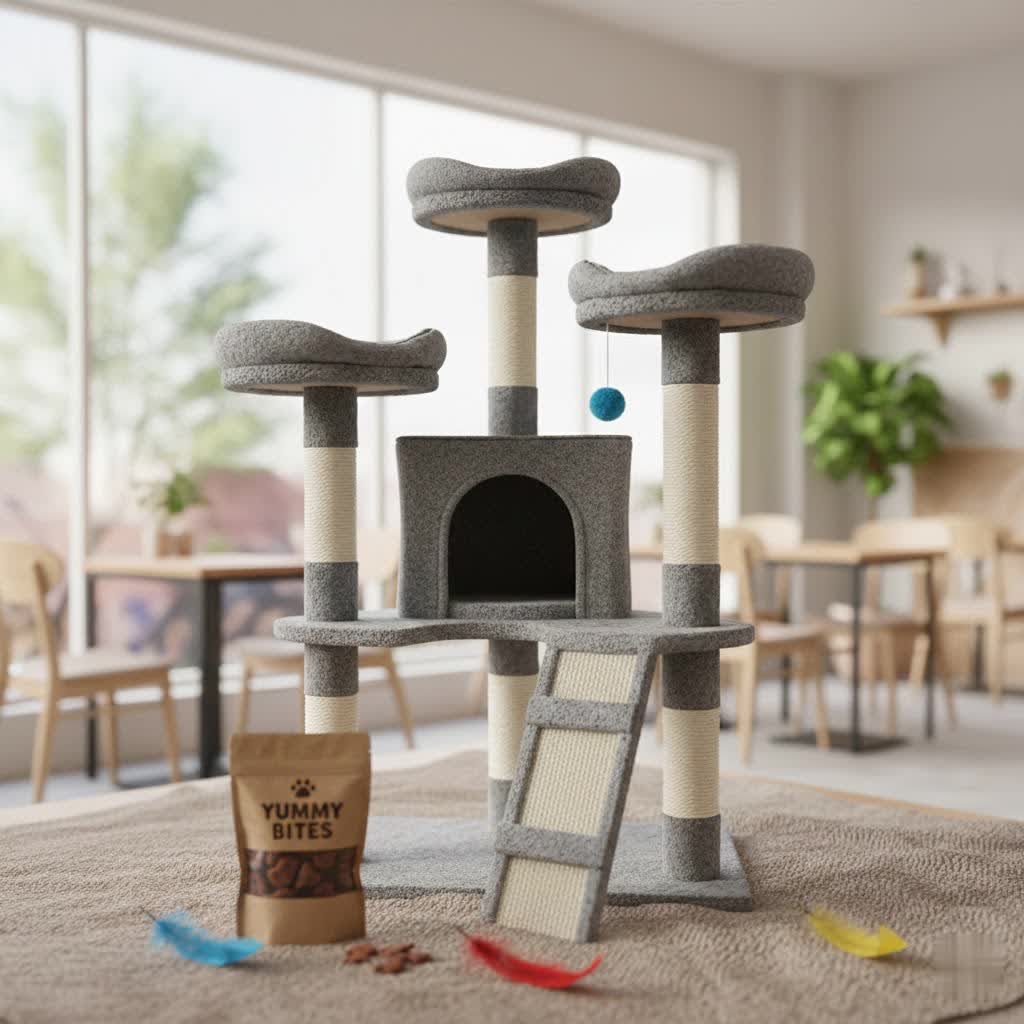
Bringing a new cat into your home is an exciting time, filled with purrs, playful pounces, and endless cuddles. However, for many cat owners, especially those in apartments or cozier living spaces, finding the right furniture to satisfy their feline’s instincts can be a challenge. That’s where a Small Cat Tree comes in. These compact wonders are more than just an accessory; they are a vital investment in your cat’s health, happiness, and overall well-being, providing all the benefits of a full-sized cat tree without dominating your living area. Join us as we explore how to select the best small cat tree, ensuring your beloved companion has their own sanctuary to climb, scratch, and relax.
Why Do Cats Need a Cat Tree, Even a Small One?
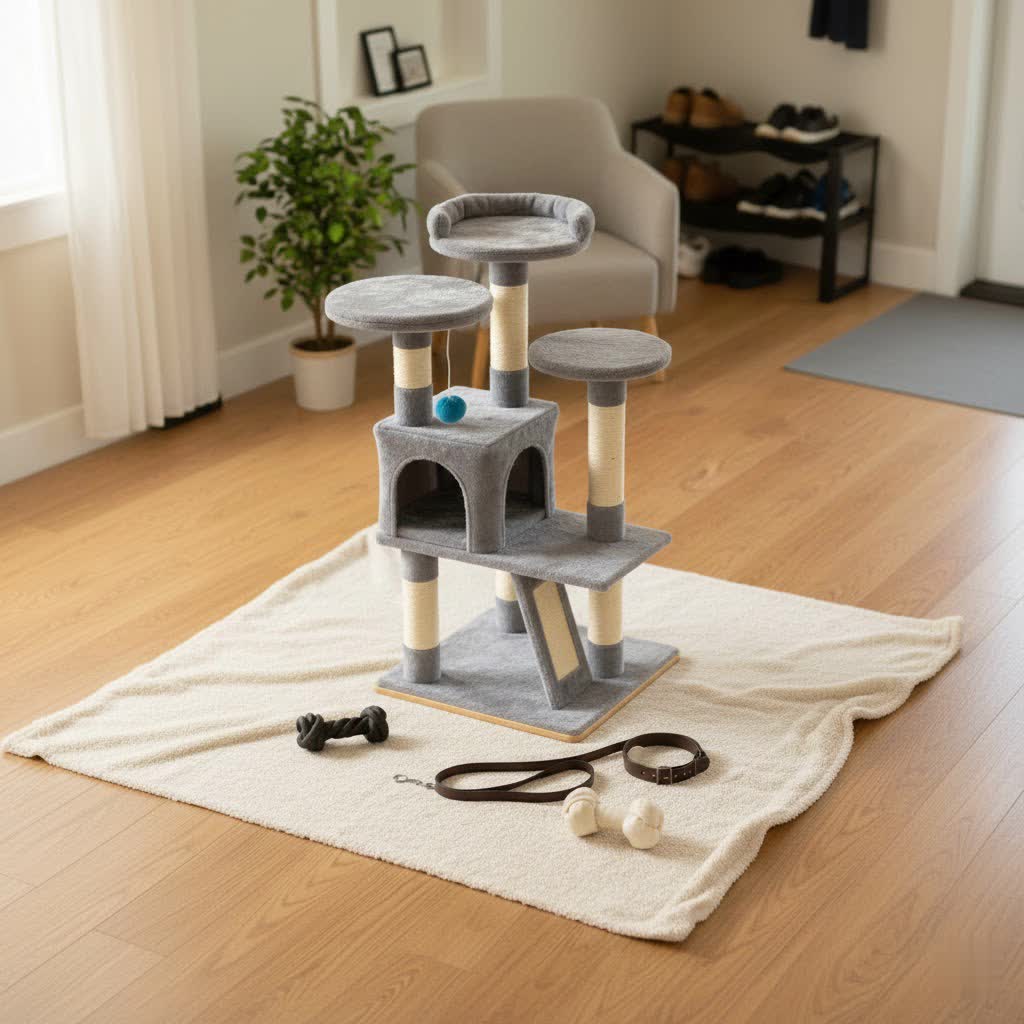
Cats are natural climbers and predators, instincts that remain strong even in the most domesticated felines. Providing a cat tree, regardless of its size, is essential for fulfilling these innate behaviors, contributing significantly to both their physical and mental health. A dedicated structure allows your cat to safely explore vertical space, which is crucial for their sense of security and overall enrichment.
A small cat tree offers numerous specific benefits. It encourages regular exercise through climbing, jumping, and stretching, helping to maintain joint health and manage weight, particularly for indoor cats with limited space. The integrated scratching posts provide an appropriate outlet for sharpening claws, diverting attention from your furniture and satisfying a natural urge. Furthermore, elevated perches offer a secure vantage point from which your cat can survey their territory, reducing stress and anxiety, especially in multi-pet households. This private sanctuary also serves as a cozy spot for undisturbed naps and relaxation.
Popular Types of Small Cat Trees
Small cat trees come in various designs, each offering unique advantages tailored to different spaces and feline personalities. Understanding the common types can help you pinpoint the best fit for your home and cat.
- Simple Column Cat Trees: These are often the most basic and compact, usually featuring one or two scratching posts and a small perch or bed at the top. They are ideal for very tight spaces or as supplementary scratchers.
- Multi-Tier Small Cat Trees: Despite their compact footprint, these designs incorporate multiple levels, perches, and sometimes small condos, maximizing vertical play and lounging options. They provide more variety for active cats without requiring a large floor area.
- Combined House/Cave Cat Trees: These small cat trees emphasize privacy and security, integrating cozy enclosed cubbies or cat caves where your feline can retreat for a sense of safety. They often include a scratching surface and a top perch.
- Wall-Mounted Cat Shelves: While not traditional “trees,” wall-mounted shelves offer an excellent space-saving vertical solution, allowing you to create custom climbing paths without occupying any floor space. These are great for very minimalist homes.
Comparing Small Cat Tree Types
To help you choose, here’s a comparison of the most popular small cat tree types:
| Feature | Simple Column | Multi-Tier Small | Combined House/Cave | Wall-Mounted Shelves |
|---|---|---|---|---|
| Pros | Affordable, minimal footprint, easy assembly | Multiple activities, good for active cats, maximizes vertical space | Provides security & privacy, cozy napping spots | Saves floor space entirely, customizable, modern aesthetic |
| Cons | Limited activities, less privacy | Can still take up some floor space, potentially more complex assembly | Less climbing variety, might be harder to clean inside | Requires drilling into walls, not easily movable, fixed design |
| Best For | Kittens, less active cats, very small apartments | Single active cats, homes with moderate space | Shy cats, cats needing a secure retreat | Minimalist homes, aggressive scratchers, climbing enthusiasts |
Key Factors When Choosing a Small Cat Tree
Selecting the right small cat tree involves more than just picking a pretty design. Several critical factors ensure it’s safe, durable, and truly beneficial for your cat.
Size and Space
|
Our Picks for the Best Cat Tree in 2026
We may earn a commission when you use one of our links to make a purchase.
|
||
| Num | Product | Action |
|---|---|---|
| 1 | Amazon Basics Cat Tree for Indoors Cats, Multi-Level Cat Tower Cat Condo with Scratching Post, Cozy Hammock and Perches for Adult Cats, Interactive Dangling Ball, L – 60.1” (152.7cm) H, Grey |

|
| 2 | Globlazer Heavy Duty Cat Trees for Large Cats, Sturdy 72in Maine Coon Cat Tree for Large Cats 20 lbs+ Heavy Duty Cat Tower for Adult Biggest Cat with 6 Scratching Posts, Hammock, S72, Dark Gray |
|
| 3 | Amazon Basics Cat Tree - Indoor Cat & Kittens Multi-Level Climbing Activity Tower with Scratching Posts, Large (45.9"H) - Beige |
|
| 4 | Heybly Cat Tree with Toy, Cat Tower Condo for Indoor Cats, Cat House with Padded Plush Perch, Cozy Hammock and Sisal Scratching Posts, Smoky Gray HCT004SG |
|
| 5 | 37.4" Cactus Cat Tree Tower with Twin Cat Condos for Indoor Cats, All-in-One Activity Center with Cat Scratching Post Cozy Sleeping Perch Hammock and Toy Balls,Green … |
|
| 6 | Hey-brother Wooden Cat Tree, 69.7 inch Cats Furniture Tower with Large Platforms, Hammocks, Spacious Condo, Full Sisal Scratching Posts, Ladder, Brush, Water Proof Surface, Rustic Brown MPJ121SR |
|
| 7 | YUNIQUE Cat Tree with Cat Condo and Big Hammock, Grey |
|
| 8 | Globlazer Heavy Duty Cat Tree, 70 inch Sturdy Cat Tree for Indoor Cats Extra Large Cat Tower with Scratching Post, Hammock, Cat Condo for Adult Cats Kittens, F70 Pro, Light Grey |
|
| 9 | Xin Three Layer Cat Tree with Cat Condo and Two Hammocks,Grey |
|
| 10 | Feandrea Cat Tree, 59.5-Inch Tall Cat Tower, Plush Multi-Level Condo with 5 Scratching Posts, 2 Perches, 2 Caves, Hammock, 2 Pompoms, Light Gray UPCT192W01 |
|
Even with “small” cat trees, size matters. Consider your available floor space and the vertical height that fits comfortably without obstructing pathways or making your room feel cluttered. A good small cat tree will be proportionate to your cat’s size, offering platforms and perches that they can comfortably use. For kittens or senior cats, lower heights or designs with ramps might be more appropriate to ensure easy access and safety.
Material
The durability and safety of the materials are paramount. Look for a sturdy frame made from solid wood or heavy-duty particle board to prevent tipping. Covering materials like natural sisal rope for scratching posts are ideal as they are durable and appealing to cats. Plush faux fur or soft carpet provides comfortable lounging surfaces. Ensure all materials, including adhesives, are non-toxic and safe, as cats may chew or lick parts of their tree. Easy-to-clean fabrics are also a significant plus for hygiene.
Stability
A stable cat tree is a safe cat tree. Regardless of its compact size, it must withstand your cat’s enthusiastic climbs, jumps, and playful pounces without wobbling or tipping over. Check for a wide, heavy base and robust construction. Many small cat trees also come with anti-tipping wall straps, which offer an extra layer of security, especially if your cat is particularly energetic.
Features
Even small cat trees can be packed with features to keep your feline engaged. Look for integrated scratching posts, which are crucial for nail health and furniture protection. Multiple perches and platforms allow for vertical exploration. Cozy enclosed condos or hammocks offer secluded spots for napping and feeling secure. Dangling toys can provide mental stimulation and endless entertainment. Some innovative designs even include self-groomer brushes or removable, washable cushions for added convenience.
Aesthetics
While functionality is key, the aesthetic appeal of your cat tree is also important, as it will be a part of your home decor. Many modern small cat trees are designed with neutral colors, sleek lines, or natural wood finishes that can blend seamlessly with various interior styles, ensuring it’s an accent piece rather than an eyesore.
Buying Guide for Your Small Cat Tree
Once you understand the factors, here’s a practical guide to help you make your purchase.
Set a Budget
Small cat trees are available across a wide price range. Determine how much you are willing to spend, keeping in mind that investing in a higher-quality, more durable tree can save money in the long run by requiring fewer replacements.
Where to Buy
You can find small cat trees at local pet supply stores, which allows you to inspect the product in person. Online retailers offer a wider selection and often competitive prices, but you’ll rely more on product descriptions and customer reviews.
Read Reviews
Customer reviews are invaluable. Pay attention to comments regarding stability, material quality, ease of assembly, and how well cats (especially smaller ones) actually use the tree. This can provide real-world insights that product descriptions might miss.
Inspect Quality and Safety
Before and after purchase, check for any sharp edges, loose parts, or strong chemical odors. Ensure all platforms are securely fastened and that scratching surfaces are tightly wrapped. If it requires assembly, confirm all parts are present and instructions are clear.
Tips for Encouraging Your Cat to Use Their Small Cat Tree
Sometimes cats need a little encouragement to embrace their new furniture. Here are some tips to help your feline friend fall in love with their small cat tree:
- Strategic Placement: Cats love to observe their surroundings. Place the cat tree near a window where they can watch birds or activity outside. A location in a frequently used room also encourages them to be part of the family while having their own space.
- Use Attractants: Sprinkle a little catnip on the perches or inside the condo to entice your cat to explore. Feline pheromone sprays can also make the tree more inviting.
- Positive Reinforcement: When your cat interacts with the tree, offer praise, treats, or gentle pets. This helps them associate positive experiences with the new structure.
- Interactive Play: Use wand toys or laser pointers to lead your cat up and down the tree, making it a fun and engaging activity zone. Play with them on and around the tree to encourage climbing and exploration.
Cleaning and Maintaining Your Small Cat Tree
Regular cleaning and maintenance will prolong the life of your small cat tree and keep it a hygienic and inviting space for your cat.
- Regular Vacuuming: Use a handheld vacuum or brush attachment to remove loose fur, dust, and dander from all surfaces, especially plush areas and inside condos.
- Spot Cleaning: For minor spills or stains, use a pet-safe enzymatic cleaner or a mild soap solution with a damp cloth. Avoid harsh chemicals that could be toxic to your cat or leave irritating residues.
- Check for Wear and Tear: Periodically inspect scratching posts for excessive wear or unraveling. Replace damaged sisal rope or other components as needed to maintain functionality and safety. Ensure all screws and connections remain tight to preserve stability.
“A good cat tree isn’t just furniture; it’s a vital part of a cat’s environment that meets their primal needs for climbing, scratching, and security.” – Dr. Sarah Miller, Feline Behaviorist
Conclusion
A small cat tree is an invaluable addition to any home with a feline companion, especially when space is at a premium. By providing a dedicated vertical space for climbing, scratching, lounging, and observing, you’re not just buying a piece of furniture; you’re investing in your cat’s physical health, mental well-being, and overall happiness. Remember to prioritize stability, appropriate materials, and engaging features when making your choice, and watch your furry friend thrive in their new compact sanctuary.
Have you discovered the perfect small cat tree for your feline? What features made it a must-have for your home?
Frequently Asked Questions
Is a small cat tree really necessary for indoor cats?
Yes, a small cat tree is highly beneficial for indoor cats. It provides essential vertical space, allowing them to express natural climbing and perching behaviors, which can significantly reduce stress and prevent destructive scratching on household furniture.
How do I choose a small cat tree suitable for a kitten?
For kittens, prioritize a small cat tree with lower platforms or ramps for easy access, sturdy construction for safety during playful antics, and plenty of scratching surfaces like sisal rope to encourage healthy claw development.
What are the best materials for a small cat tree?
The best materials for a small cat tree include solid wood or heavy-duty particle board for stability, natural sisal rope for durable scratching posts, and soft, non-toxic faux fur or carpet for comfortable lounging areas. Ensure all components are safe and easy to clean.