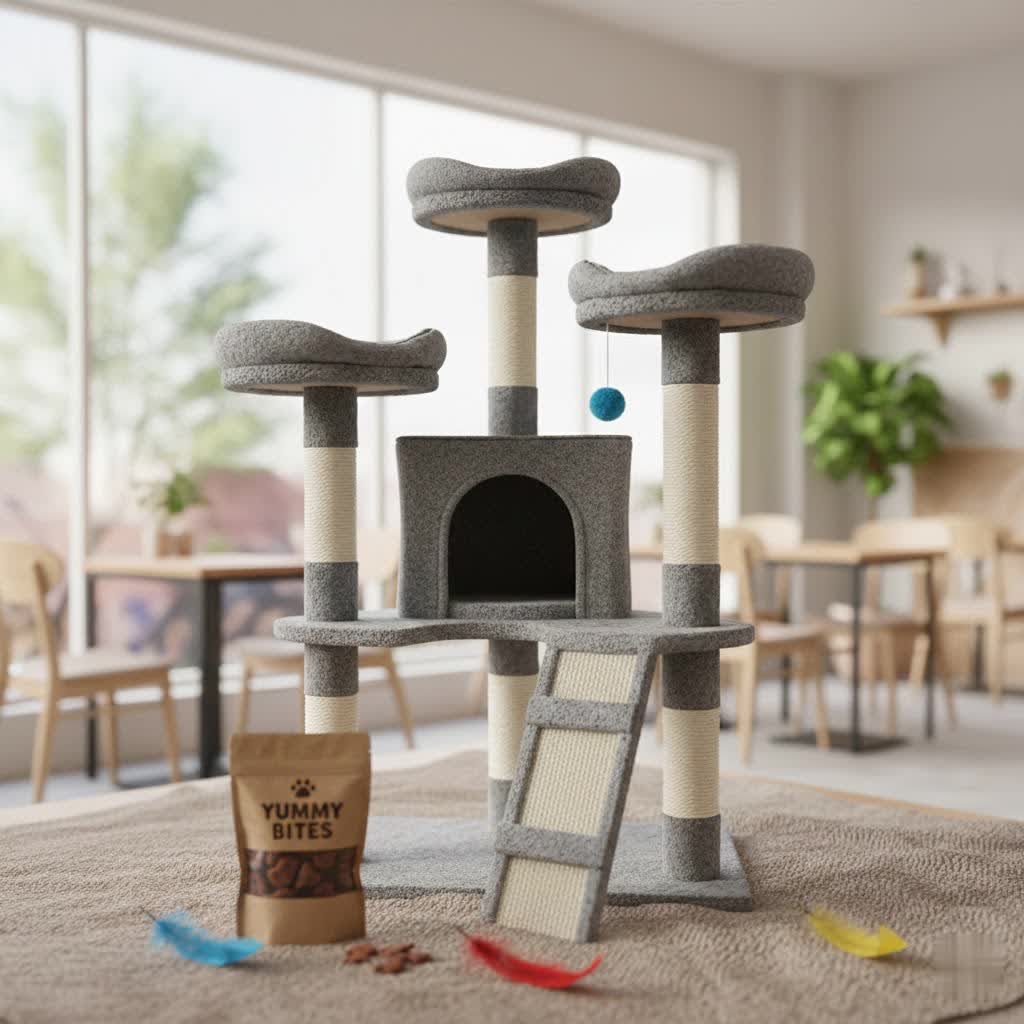
Bringing a cat into your home enriches your life in countless ways, but for indoor felines, ensuring their environment meets all their natural instincts is crucial for their health and happiness. An Indoor Cat Tree is not just another piece of pet furniture; it’s a fundamental investment in your cat’s physical and mental well-being, providing a dedicated space for them to climb, scratch, play, and relax. As an experienced advocate for pet welfare, I’ve seen firsthand how a well-chosen indoor cat tree can transform a cat’s life, offering them the vertical territory and stimulation they crave within the safety of your home. Let’s delve into why these structures are so vital and how to select the best one for your beloved companion.
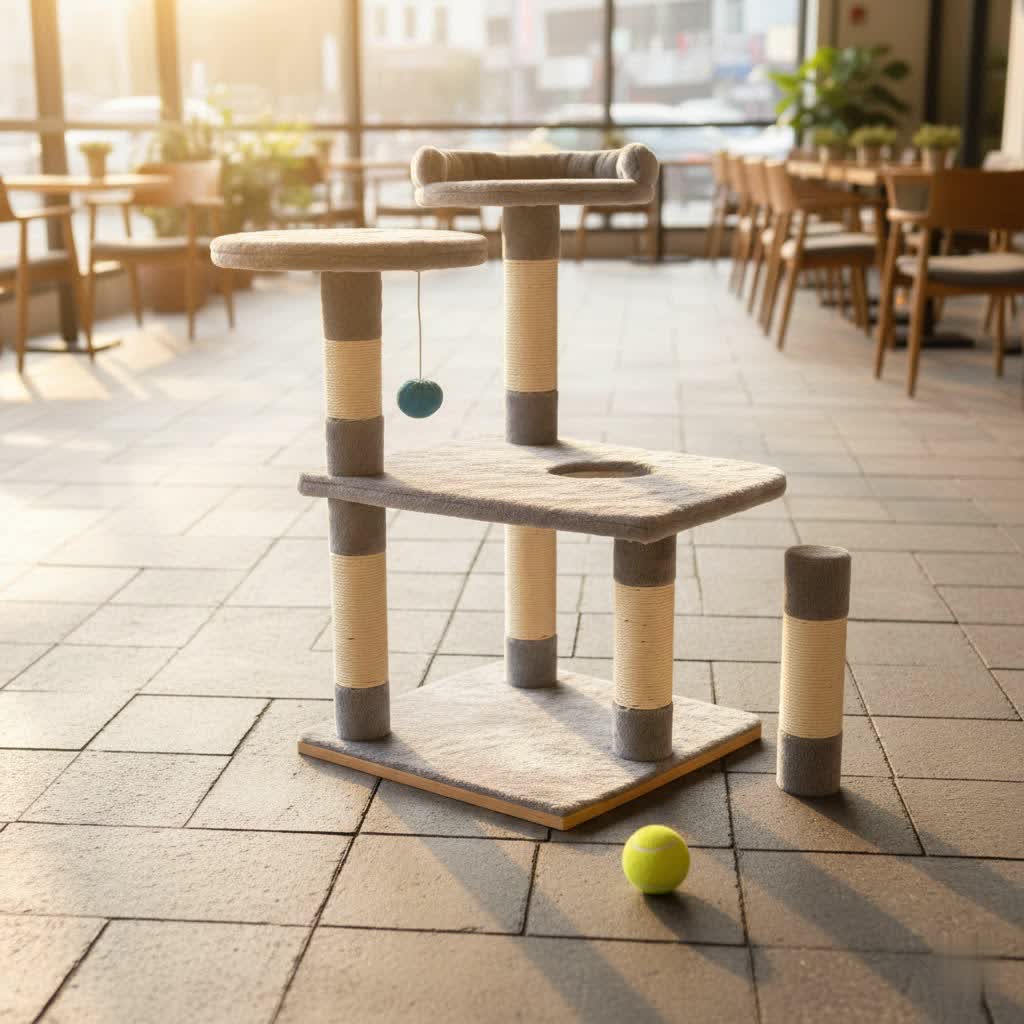
Why Do Cats Need an Indoor Cat Tree?
Cats are natural climbers and explorers, instincts that remain strong even for the most domesticated indoor felines. Without appropriate outlets, these instincts can manifest in destructive behaviors or lead to boredom and anxiety. An indoor cat tree serves multiple essential functions that cater to these innate needs.
Firstly, cat trees are crucial for physical health and exercise. Climbing, jumping, and stretching on a multi-level structure engage various muscle groups, promoting agility and flexibility. This helps prevent obesity and keeps your cat physically fit, mimicking the natural movements they would perform in the wild.
Secondly, they offer vital mental stimulation and instinct satisfaction. Elevated perches allow cats to observe their surroundings from a safe vantage point, fulfilling their territorial instincts and providing a sense of security. Hiding spots and condos within the tree offer private retreats where your cat can feel safe and unwind, reducing stress and anxiety.
Thirdly, an indoor cat tree provides an ideal scratching outlet, which is paramount for claw health and protecting your furniture. Sisal rope or carpeted posts allow cats to shed old claw sheaths, mark their territory, and stretch their bodies—all essential behaviors. Without a designated scratching area, your furniture often bears the brunt of these natural urges.
Lastly, in multi-cat households, cat trees can significantly improve harmony. Vertical spaces provide individual territories, allowing cats to coexist peacefully by offering opportunities to retreat, observe, and avoid conflict. Each cat can claim their own perch or hideaway, reducing competition for prime spots.
Popular Types of Indoor Cat Trees
The world of indoor cat trees is diverse, with designs to suit every feline personality and home aesthetic. Understanding the common types can help you narrow down your choices.
Simple Single-Post Cat Trees: These are typically shorter, featuring one or two scratching posts with a small perch or bed on top. They are ideal for kittens, less active cats, or homes with limited space where only a basic scratching and resting area is needed.
Multi-Level Cat Towers: These are the most common and versatile, offering several platforms, perches, and often enclosed condos. They provide ample vertical territory for climbing and exploration, making them suitable for active cats and multi-cat households. Their height varies significantly, from moderate to ceiling-height designs.
Cat Condos or Houses: While often integrated into multi-level trees, standalone cat condos or houses provide enclosed, private spaces. These are perfect for shy cats who seek solace and security, offering a cozy retreat for napping and hiding.
Wall-Mounted Cat Shelves/Trees: For homes with minimal floor space or those seeking a minimalist look, wall-mounted options are excellent. These modular systems typically feature shelves, perches, and sometimes scratching surfaces that attach directly to your wall, creating a customizable vertical playground without occupying floor space.
Comparing Various Indoor Cat Tree Styles
Choosing the right style depends on your cat’s needs, your living space, and your budget. Here’s a quick comparison:
| Feature | Simple Single-Post | Multi-Level Tower | Cat Condo/House | Wall-Mounted System |
|---|---|---|---|---|
| Pros | Affordable, compact | Diverse activities, multiple zones | High privacy, cozy | Space-saving, customizable |
| Cons | Limited activities | Can be bulky, more expensive | Less climbing/scratching variety | Requires installation, less flexible placement |
| Best for | Kittens, small spaces, less active cats | Active cats, multiple cats, enrichment | Shy cats, cats seeking security | Small homes, modern aesthetics, active climbers |
Key Factors When Choosing Your Indoor Cat Tree
Selecting the perfect indoor cat tree involves careful consideration of several elements to ensure it meets your cat’s needs and fits seamlessly into your home.
Size: The size of the cat tree should correspond to your cat’s physical dimensions and the available space in your home. Larger breeds like Maine Coons will require sturdier, more spacious platforms and taller structures to comfortably stretch and climb. For smaller living areas, a tall, narrow tower or a wall-mounted system can maximize vertical enrichment without taking up excessive floor space.
Material: The materials used in an indoor cat tree dictate its durability, safety, and your cat’s comfort.
- Framework: Solid wood and high-quality plywood offer superior durability and stability, especially for larger or more active cats. Particle board is a more budget-friendly option but can be less durable and prone to damage from moisture.
- Covering: Sisal rope is excellent for scratching posts, providing a satisfying texture that promotes healthy claw maintenance. Plush carpet or faux fur offers soft, comfortable lounging areas. Consider your cat’s preference; some love plush surfaces, while others prefer the texture of sisal or bare wood.
- Cushioning: High-density foam retains its shape and provides good support for napping spots, while polyester fiberfill offers a softer, fluffier feel for beds and hammocks.
Stability: This is arguably the most crucial factor for an indoor cat tree. A wobbly or unstable tree can deter your cat from using it and poses a safety risk. Look for a wide, heavy base that prevents tipping, especially for taller structures or if you have multiple cats who love to play rough. Solid wood construction generally provides better stability than lighter materials like particle board. For exceptionally tall or lightweight trees, consider models that can be securely anchored to a wall for added safety.
Design and Features: Beyond basic climbing, consider features that cater to your cat’s personality. Does your cat love to hide? Look for enclosed condos or tunnels. Are they avid scratchers? Ensure there are plenty of sisal-wrapped posts. Dangling toys, ramps, and multiple perches at varying heights can add extra enrichment and keep your cat engaged. Also, choose a design that complements your home decor, as the cat tree will be a prominent fixture.
A Comprehensive Indoor Cat Tree Buying Guide
Investing in an indoor cat tree is a decision that impacts your cat’s daily life, so approach it thoughtfully.
Budget: Determine a realistic budget range. While inexpensive options are available, remember that a higher-quality, durable cat tree will last longer and provide better stability and safety for your cat, making it a worthwhile investment in the long run.
Where to Buy: You can find indoor cat trees at reputable pet stores, specialized online retailers, and even general e-commerce platforms. Shopping online often provides a wider selection and competitive pricing, but visiting a physical store allows you to assess the stability and material quality firsthand.
Reading Reviews: Always take the time to read user reviews and testimonials. Pay attention to comments regarding stability, durability, ease of assembly, and how different cats (e.g., large cats, multiple cats) interact with the product. This real-world feedback can be invaluable.
Checking Quality and Safety: Before and after purchasing, thoroughly inspect the cat tree. Ensure there are no sharp edges, loose parts, or strong chemical odors. Verify that all platforms and posts are securely attached and that the base is stable. If any part seems flimsy, it’s best to look for a more robust alternative.
Tips for Training Your Cat to Use Their Indoor Cat Tree
Some cats instantly take to their new indoor cat tree, while others might need a little encouragement. Here are some tips to help your feline friend embrace their new vertical playground:
- Strategic Placement: Place the cat tree in a location your cat already loves, perhaps near a window where they can watch birds or in a room where the family spends a lot of time. Cats prefer to be part of the action, even if from a distance.
- Using Catnip or Feline Pheromone Sprays: Sprinkle a little catnip on the perches or rub it on the scratching posts to attract your cat. Feline pheromone sprays can also make the tree feel more inviting and secure.
- Treats and Toys: Entice your cat to explore the different levels by placing treats on various platforms. Use a wand toy to play around the tree, encouraging them to climb and interact with it.
- Positive Reinforcement: When your cat uses the tree for scratching, climbing, or resting, reward them with praise, petting, or a small treat. This positive association will encourage continued use.
- Patience: Every cat is different. Some may take days or even weeks to fully explore their new cat tree. Be patient and continue to encourage them gently without forcing them.
Cleaning and Maintaining Your Indoor Cat Tree
Regular cleaning and maintenance will prolong the life of your indoor cat tree and keep it a hygienic and inviting space for your cat.
Regular Vacuuming or Brushing: Cat trees, especially those covered in carpet or faux fur, can quickly accumulate cat hair and dander. Use a handheld vacuum or a sticky roller to remove loose fur and dust regularly. For carpeted surfaces, a slicker brush can be effective at pulling up embedded hair.
Spot Cleaning: For spills or accidents, spot clean immediately using a pet-safe cleaner. Avoid harsh chemicals that could be toxic to your cat or leave behind strong odors that deter them from using the tree. Always test cleaners on an inconspicuous area first.
Replacing Worn Parts: Over time, scratching posts may unravel, or platforms might become worn. Many manufacturers offer replacement parts, such as sisal rope or cushions. Regularly inspect the tree for any signs of wear and tear, and replace damaged components to maintain safety and functionality.
“A good indoor cat tree is more than just furniture; it’s a vital piece of their environment that supports both their physical health and emotional well-being.”
In conclusion, an indoor cat tree is an indispensable asset for any feline companion, providing a crucial outlet for their natural instincts and significantly contributing to their overall health and happiness. By understanding the diverse types, considering essential factors like size, material, and stability, and committing to proper maintenance, you can select a high-quality cat tree that serves as a beloved haven for your cat for years to come. Investing in the right indoor cat tree is a powerful way to enhance their quality of life, transforming your home into a truly enriching environment. What kind of cat tree will bring the most joy to your feline friend?
Frequently Asked Questions
Is an indoor cat tree truly necessary for cats?
|
Our Picks for the Best Cat Tree in 2026
We may earn a commission when you use one of our links to make a purchase.
|
||
| Num | Product | Action |
|---|---|---|
| 1 | 37.4" Cactus Cat Tree Tower with Twin Cat Condos for Indoor Cats, All-in-One Activity Center with Cat Scratching Post Cozy Sleeping Perch Hammock and Toy Balls,Green … |

|
| 2 | Feandrea Cat Tree, 59.5-Inch Tall Cat Tower, Plush Multi-Level Condo with 5 Scratching Posts, 2 Perches, 2 Caves, Hammock, 2 Pompoms, Light Gray UPCT192W01 |
|
| 3 | Xin Three Layer Cat Tree with Cat Condo and Two Hammocks,Grey |
|
| 4 | YUNIQUE Cat Tree with Cat Condo and Big Hammock, Grey |
|
| 5 | Amazon Basics Cat Tree for Indoors Cats, Multi-Level Cat Tower Cat Condo with Scratching Post, Cozy Hammock and Perches for Adult Cats, Interactive Dangling Ball, L – 60.1” (152.7cm) H, Grey |
|
| 6 | Globlazer Heavy Duty Cat Tree, 70 inch Sturdy Cat Tree for Indoor Cats Extra Large Cat Tower with Scratching Post, Hammock, Cat Condo for Adult Cats Kittens, F70 Pro, Light Grey |
|
| 7 | Amazon Basics Cat Tree - Indoor Cat & Kittens Multi-Level Climbing Activity Tower with Scratching Posts, Large (45.9"H) - Beige |
|
| 8 | Hey-brother Wooden Cat Tree, 69.7 inch Cats Furniture Tower with Large Platforms, Hammocks, Spacious Condo, Full Sisal Scratching Posts, Ladder, Brush, Water Proof Surface, Rustic Brown MPJ121SR |
|
| 9 | Heybly Cat Tree with Toy, Cat Tower Condo for Indoor Cats, Cat House with Padded Plush Perch, Cozy Hammock and Sisal Scratching Posts, Smoky Gray HCT004SG |
|
| 10 | Globlazer Heavy Duty Cat Trees for Large Cats, Sturdy 72in Maine Coon Cat Tree for Large Cats 20 lbs+ Heavy Duty Cat Tower for Adult Biggest Cat with 6 Scratching Posts, Hammock, S72, Dark Gray |
|
While not strictly a “necessity” like food and water, an indoor cat tree is highly recommended for a cat’s well-being. It fulfills crucial natural instincts like climbing, scratching, and perching, preventing behavioral issues, reducing stress, and promoting physical exercise that indoor cats might otherwise lack. It significantly enriches their environment.
How do I choose the right indoor cat tree for my kitten?
For kittens, prioritize stability, as they are energetic climbers. Look for a tree with multiple, easily accessible levels and sisal scratching posts to encourage healthy habits early on. Smaller, compact trees are often sufficient, but ensure it’s sturdy enough to withstand their playful leaps and grows with them, or consider upgrading as they mature.
What materials are best for an indoor cat tree’s durability?
For optimal durability and stability, indoor cat trees made with solid wood or high-quality plywood frameworks are superior. These materials provide a robust structure that can withstand vigorous play. For scratching surfaces, sisal rope is highly durable and effective, while plush carpet or faux fur offers comfortable lounging areas.