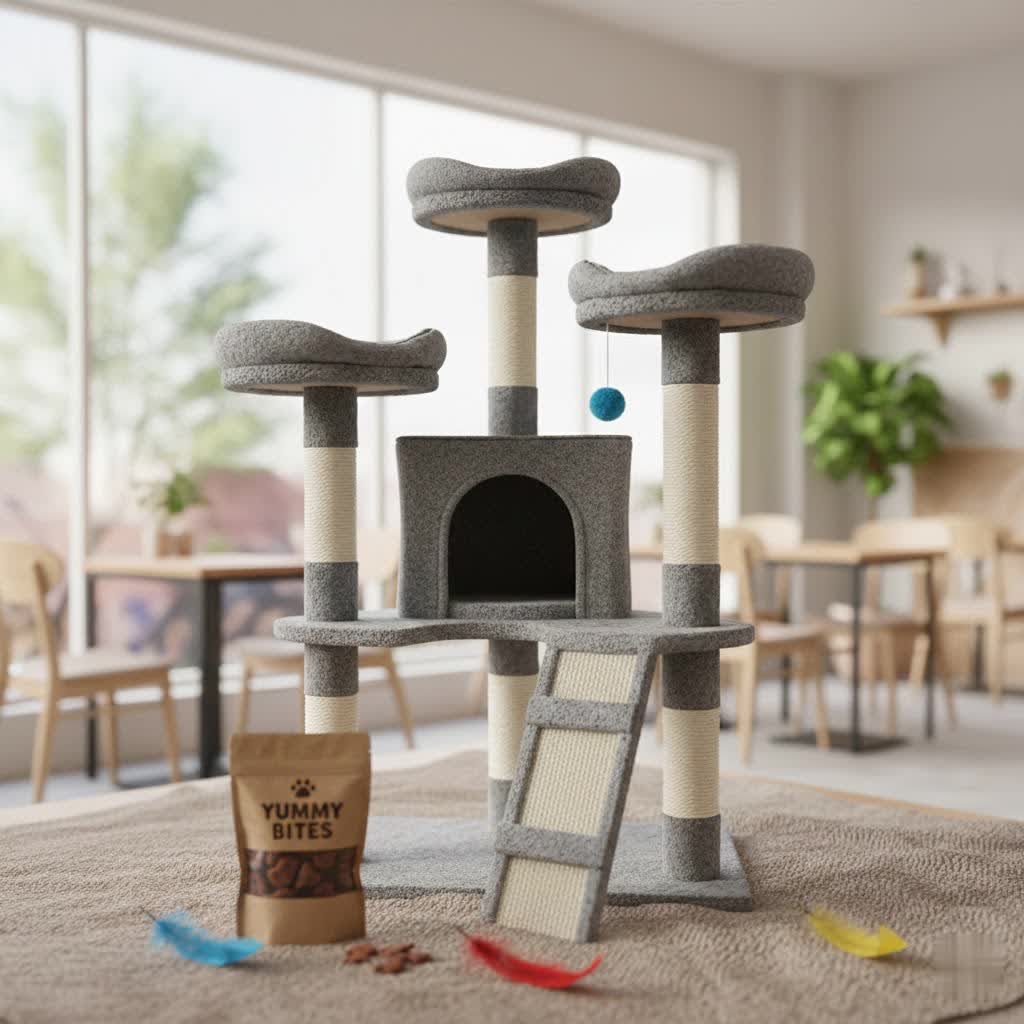
Every cat parent understands the universal truth: our feline companions are masters of their domain, and their happiness often revolves around having a personal kingdom. While a traditional cat tree offers a world of vertical adventure, those living in cozier spaces or seeking to maximize their home’s potential often turn to a clever innovation: the Corner Cat Tree. This specialized piece of furniture transforms an often-underutilized area into a multi-level haven, providing all the benefits your cat craves without sacrificing precious floor space. Choosing the right corner cat tree is an investment in your cat’s well-being and your home’s harmony. Let’s explore how to make the smartest choice for your furry family member.
Why Do Cats Need Cat Trees, Especially Corner Ones?
Cat trees are far more than just glorified scratching posts; they are essential for a cat’s physical and mental health. In the wild, cats instinctively seek high vantage points to observe their surroundings, feel secure from perceived threats, and launch surprise attacks. A cat tree recreates this vital “vertical territory” within your home, allowing your cat to fulfill these innate desires safely.
The benefits are extensive: regular climbing and jumping provide crucial exercise, keeping muscles strong and joints flexible, which helps maintain a healthy weight. Scratching posts satisfy their need to shed old claw layers, stretch their bodies, and mark their territory with scent glands, effectively diverting this natural behavior away from your furniture. Furthermore, a cat tree offers a private retreat where they can escape household commotion, reduce stress, and enjoy undisturbed naps. For multi-cat households, multiple levels can reduce tension by providing individual spaces and a sense of hierarchy.
Corner cat trees specifically amplify these benefits by smartly integrating into your living space. They utilize the often-empty corner, turning it into a functional and exciting area for your cat while minimizing visual clutter and maximizing the vertical living space available to them. This ingenious design ensures your cat gets their essential vertical territory, even in compact environments.
Popular Types of Cat Trees
Cat trees come in a variety of styles, each catering to different cat personalities and living situations. Understanding these types helps in appreciating the unique advantages of corner designs.
- Simple Post Cat Trees: These often feature one or two scratching posts with a small perch at the top. They are minimalist but offer limited activity.
- Multi-Level Cat Trees: These are the most common, boasting several platforms, scratching posts, and often a condo or hammock. They provide ample climbing and lounging opportunities.
- Cat Trees with Condos and Houses: Incorporating enclosed spaces, these trees cater to cats that love to hide, offering a sense of security and privacy.
- Wall-Mounted Cat Shelves/Trees: These attach directly to the wall, saving floor space entirely and creating a dynamic climbing path. Corner cat trees can often integrate elements of wall-mounted designs, especially those that are tall and slender, anchoring to the wall for extra stability.
Corner cat trees often combine the best features of multi-level and condo designs, specifically shaped to fit snugly into a 90-degree angle. This allows them to offer numerous platforms, scratching areas, and hideaways in a compact footprint, effectively maximizing vertical space in an often-overlooked part of the room.
Comparing Different Cat Tree Types
To highlight the advantages of corner cat trees, let’s compare common types based on key features:
| Feature | Simple Post | Multi-Level | Integrated Condo | Corner-Specific |
|---|---|---|---|---|
| Pros | Affordable, compact | Diverse activities | Privacy, security | Space-saving, integrates with decor, often sturdy |
| Cons | Limited engagement | Can be bulky | Can be bulky | Specific placement, design might be limited |
| Ideal For | Kittens, less active cats | Active cats, multi-cat homes | Shy cats, cats needing retreat | Small homes, apartments, maximizing unused space, multi-cat homes |
Corner cat trees stand out for their ability to deliver comprehensive feline entertainment and comfort without dominating a room. They cleverly use vertical space, making them a top choice for urban dwellers or anyone looking for smart spatial solutions.
Important Factors When Choosing a Corner Cat Tree
Selecting the ideal corner cat tree requires careful consideration to ensure it meets both your cat’s needs and your home’s aesthetic.
Size: Optimizing Corner Dimensions
|
Our Picks for the Best Cat Tree in 2026
We may earn a commission when you use one of our links to make a purchase.
|
||
| Num | Product | Action |
|---|---|---|
| 1 | Globlazer Heavy Duty Cat Trees for Large Cats, Sturdy 72in Maine Coon Cat Tree for Large Cats 20 lbs+ Heavy Duty Cat Tower for Adult Biggest Cat with 6 Scratching Posts, Hammock, S72, Dark Gray |

|
| 2 | Hey-brother Wooden Cat Tree, 69.7 inch Cats Furniture Tower with Large Platforms, Hammocks, Spacious Condo, Full Sisal Scratching Posts, Ladder, Brush, Water Proof Surface, Rustic Brown MPJ121SR |
|
| 3 | Xin Three Layer Cat Tree with Cat Condo and Two Hammocks,Grey |
|
| 4 | Amazon Basics Cat Tree - Indoor Cat & Kittens Multi-Level Climbing Activity Tower with Scratching Posts, Large (45.9"H) - Beige |
|
| 5 | YUNIQUE Cat Tree with Cat Condo and Big Hammock, Grey |
|
| 6 | Feandrea Cat Tree, 59.5-Inch Tall Cat Tower, Plush Multi-Level Condo with 5 Scratching Posts, 2 Perches, 2 Caves, Hammock, 2 Pompoms, Light Gray UPCT192W01 |
|
| 7 | Heybly Cat Tree with Toy, Cat Tower Condo for Indoor Cats, Cat House with Padded Plush Perch, Cozy Hammock and Sisal Scratching Posts, Smoky Gray HCT004SG |
|
| 8 | Globlazer Heavy Duty Cat Tree, 70 inch Sturdy Cat Tree for Indoor Cats Extra Large Cat Tower with Scratching Post, Hammock, Cat Condo for Adult Cats Kittens, F70 Pro, Light Grey |
|
| 9 | 37.4" Cactus Cat Tree Tower with Twin Cat Condos for Indoor Cats, All-in-One Activity Center with Cat Scratching Post Cozy Sleeping Perch Hammock and Toy Balls,Green … |
|
| 10 | Amazon Basics Cat Tree for Indoors Cats, Multi-Level Cat Tower Cat Condo with Scratching Post, Cozy Hammock and Perches for Adult Cats, Interactive Dangling Ball, L – 60.1” (152.7cm) H, Grey |
|
The primary advantage of a corner cat tree is its space-saving design, so size is paramount. Measure your available corner space precisely – not just floor area but also vertical height, considering any windows or shelves. A good corner tree should maximize verticality without being overly wide, allowing your cat ample climbing space. Ensure platforms are large enough for your cat to comfortably sit, stretch, and nap, especially if you have a larger breed. For multi-cat households, multiple platforms at varying heights are crucial to prevent territorial disputes.
Material: Durability, Safety, and Comfort
The longevity and safety of a cat tree largely depend on its materials.
- Solid Wood or Plywood: These provide the best stability and durability, making them ideal for active or heavier cats.
- Sisal Rope: Essential for scratching posts, sisal is natural, durable, and satisfying for cats to claw. Look for posts entirely wrapped in sisal, not just small patches.
- Plush Fabric/Faux Fur: Covers platforms and condos, offering comfort and warmth for resting. Ensure it’s soft yet resilient and securely attached.
- Carpet: While some trees use carpet, ensure it’s tightly woven and not easily shredded, as loose fibers can be ingested.
Prioritize sturdy construction over flimsy particleboard, which can break down quickly. “A well-constructed corner cat tree is a safe investment, providing years of joy for your cat and peace of mind for you,” says Dr. Evelyn Reed, a veterinary behaviorist.
Stability: A Non-Negotiable Safety Feature
Stability is critical for any cat tree, but especially for taller corner models where a wobbly structure can be dangerous. Look for:
- Wide, Heavy Base: This is the foundation of stability, preventing tipping during vigorous play.
- Wall Anchors: Many taller corner cat trees come with wall-mounting straps for added security. Always use these if provided, especially if you have adventurous or large cats.
- Reinforced Platforms and Posts: Thicker support posts and securely attached platforms indicate better stability and overall quality.
A stable tree encourages confident climbing and play. “Cats need to feel secure on their perches; any wobble can deter them from using their tree,” advises Pet Lifestyle Expert, Maria Gomez.
Design: Blending Functionality with Aesthetics
A corner cat tree should not only be functional for your cat but also complement your home décor.
- Features: Look for a variety of elements: multiple perches, enclosed condos, scratching posts, dangling toys, and even hammocks. These cater to different feline moods and activities.
- Aesthetics: Modern designs often feature neutral colors, minimalist structures, or natural wood finishes that blend seamlessly with contemporary interiors. Avoid overly bright or clashing colors if your goal is integration.
- Visibility: Consider placing the tree near a window if possible, as cats love to observe the outside world from an elevated position.
Your Guide to Buying the Perfect Corner Cat Tree
Making the final purchase decision involves a few practical steps to ensure you get the best value and quality.
Set Your Budget
Corner cat trees range widely in price, from budget-friendly options under $100 to luxury models costing several hundred dollars. Determine a realistic budget, but remember that investing in a higher-quality, more durable tree often saves money in the long run by reducing the need for replacements. Factor in features like solid wood construction and sisal scratching surfaces, which generally indicate better quality and longevity.
Where to Buy
- Specialty Pet Stores: Offer a range of options and knowledgeable staff who can provide advice. You can often see and feel the product quality firsthand.
- Online Retailers: Websites like Amazon, Chewy, Wayfair, and manufacturer-direct sites offer vast selections, competitive prices, and convenient delivery. Look for specific “corner cat tree” filters.
- Local Craftspeople/Boutiques: For unique, custom-made, or aesthetically driven designs, consider local artisans who might use higher-quality materials and offer personalized touches.
Read Reviews
Customer reviews are invaluable. Look for consistent feedback regarding:
- Stability: Do users report wobbling or tipping?
- Durability: How well does the tree hold up over time, especially scratching surfaces?
- Ease of Assembly: Are instructions clear? Are all parts included?
- Cat Acceptance: Do cats actually use and enjoy the tree?
- Suitability for Cat Size: Are platforms spacious enough for larger cats?
Pay attention to reviews from owners with similar cat breeds or household sizes as yours.
Inspect the Product Carefully
Whether buying online or in-store, always check the product details:
- Dimensions: Double-check height, base width, and platform sizes against your measurements and your cat’s size.
- Materials List: Confirm the quality of wood, sisal, and fabric used.
- Weight Capacity: Essential for large or multiple cats.
- Safety Features: Look for wall anchors, non-toxic materials, and securely attached components.
Tips for Training Your Cat to Use Their New Corner Cat Tree
Even the most perfect cat tree needs a little introduction for your feline friend.
- Strategic Placement: Place the corner cat tree in a location your cat already enjoys. This might be by a window for bird watching, in a living area where they can observe family activities, or a quiet spot if they prefer solitude. Cats are creatures of habit; a familiar location makes it more inviting.
- Use Catnip or Treats: Sprinkle catnip on different levels or place favorite treats on the perches to encourage exploration. This creates positive associations with the new structure.
- Interactive Play: Use a feather wand or laser pointer to guide your cat up and down the tree, making it a fun and engaging play area. This reinforces climbing and jumping behaviors.
- Positive Reinforcement: When your cat uses the scratching posts, climbs to a higher perch, or rests in a condo, offer praise, gentle petting, or a small treat.
- Patience is Key: Some cats are immediately drawn to new things, while others need time to adjust. Don’t force them; let them explore at their own pace. Consistency in encouragement will eventually lead to adoption.
Cleaning and Maintaining Your Corner Cat Tree
Regular cleaning and maintenance will extend the life of your corner cat tree and keep it a hygienic and inviting space for your cat.
- Regular Vacuuming: Use a brush attachment to vacuum all surfaces, especially plush areas and scratching posts, to remove loose fur, dander, and dust. Aim for at least once a week, more often in shedding seasons.
- Spot Cleaning: For spills or accidents, use a pet-safe enzymatic cleaner. Always test on an inconspicuous area first to ensure it doesn’t stain or damage the material. Avoid harsh chemicals that could be toxic to your cat.
- Deep Cleaning (Periodically): If your tree has removable cushions, wash them according to the manufacturer’s instructions. For non-removable fabric, a steam cleaner can be effective, but ensure it’s completely dry before your cat uses it again.
- Check for Wear and Tear: Regularly inspect scratching posts for excessive fraying. Many cat trees offer replaceable sisal posts, which can significantly extend the life of the entire structure. Tighten any loose screws or bolts to maintain stability.
By keeping the cat tree clean and well-maintained, you ensure it remains a safe and attractive “territory” for your beloved feline.
Conclusion
Choosing the right corner cat tree is a thoughtful process that pays dividends in your cat’s happiness and your home’s functionality. By understanding your cat’s natural instincts, prioritizing stability and durable materials, and considering how the design integrates into your space, you can select a product that serves as both a vital enrichment tool and an elegant addition to your home. A well-chosen corner cat tree provides a secure sanctuary, a stimulating playground, and a comfortable resting spot, all while cleverly utilizing unused corner space.
“A cat’s world is enhanced by vertical dimensions. A well-placed corner cat tree doesn’t just save space; it expands their universe, giving them new perspectives and opportunities for joy.” – Sarah Jenkins, Certified Feline Behaviorist.
Don’t underestimate the power of a dedicated vertical space to transform your cat’s life and enhance your bond. Are you ready to unlock the full potential of your home’s corners for your cherished companion?
Frequently Asked Questions
Is a corner cat tree truly necessary for my cat?
While not every cat requires a corner-specific design, a cat tree in general is highly beneficial for fulfilling natural climbing and scratching instincts, providing exercise, reducing stress, and offering a safe, elevated retreat. A corner cat tree is particularly necessary for smaller homes or apartments where maximizing space is crucial, as it provides these essential benefits without consuming central floor area.
How do I choose a corner cat tree suitable for multiple cats?
For multiple cats, look for a corner cat tree with several distinct platforms, perches, and ideally, enclosed condos or hammocks at varying heights. This allows each cat to find their own space and helps reduce potential conflicts over preferred resting spots. Ensure the tree has a high weight capacity and robust stability to accommodate multiple cats jumping and playing simultaneously.
What materials are best for a durable corner cat tree?
The best materials for a durable corner cat tree are solid wood or high-quality plywood for the frame, tightly woven sisal rope for scratching posts, and resilient, easy-to-clean plush fabric or faux fur for comfortable surfaces. These materials offer superior stability, longevity, and resistance to wear and tear compared to cheaper alternatives like particleboard and flimsy carpet.