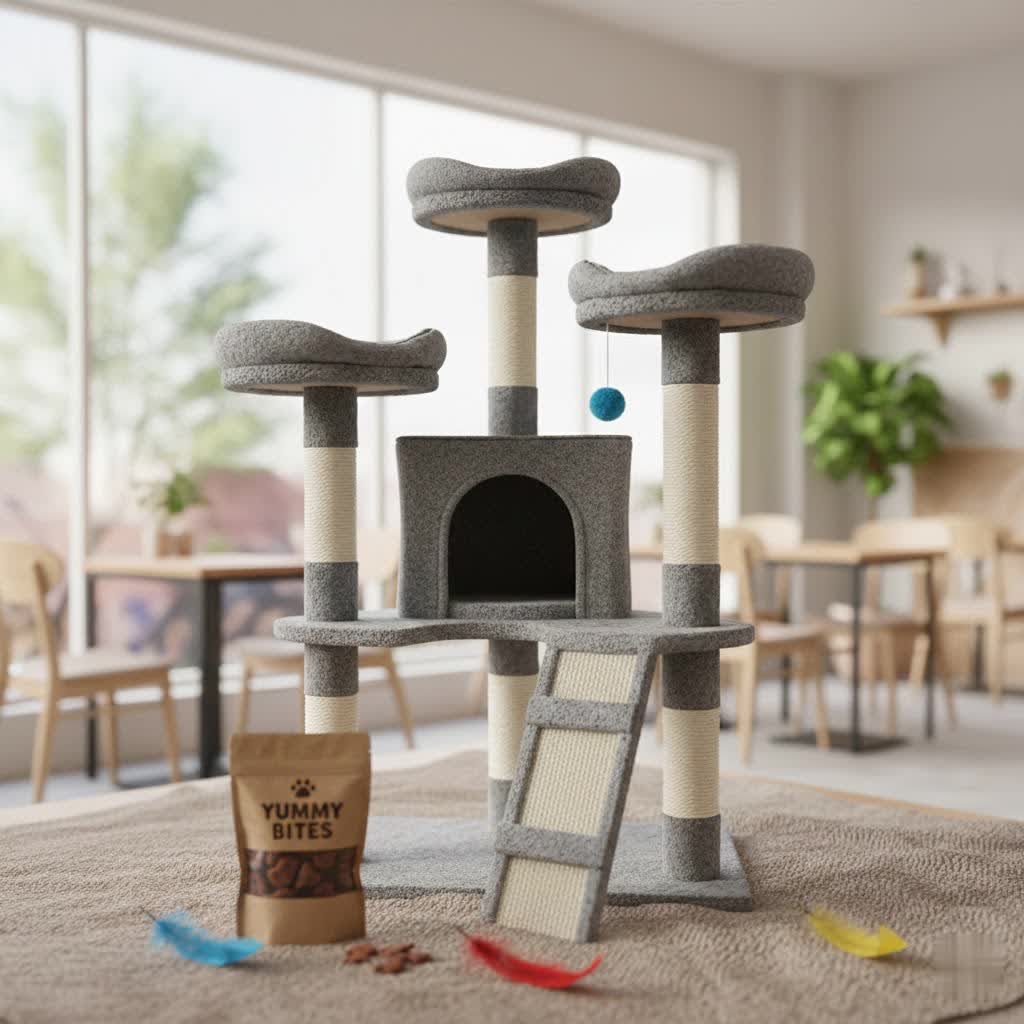
Welcome, fellow cat lovers! As the Admin of ReviewNeka.com with over a decade of experience in pet supplies, especially Cat Trees, I understand that choosing the right structure for your feline friend is more than just buying a plaything; it’s an investment in their health and happiness. Have you ever wondered if your cat truly needs a dedicated space for climbing, scratching, and napping? The answer is a resounding yes! A well-chosen cat tree house provides an essential sanctuary, fulfilling your cat’s instinctual needs while enriching their daily life. Let’s delve into everything you need to know to make the smartest choice for your beloved companion.
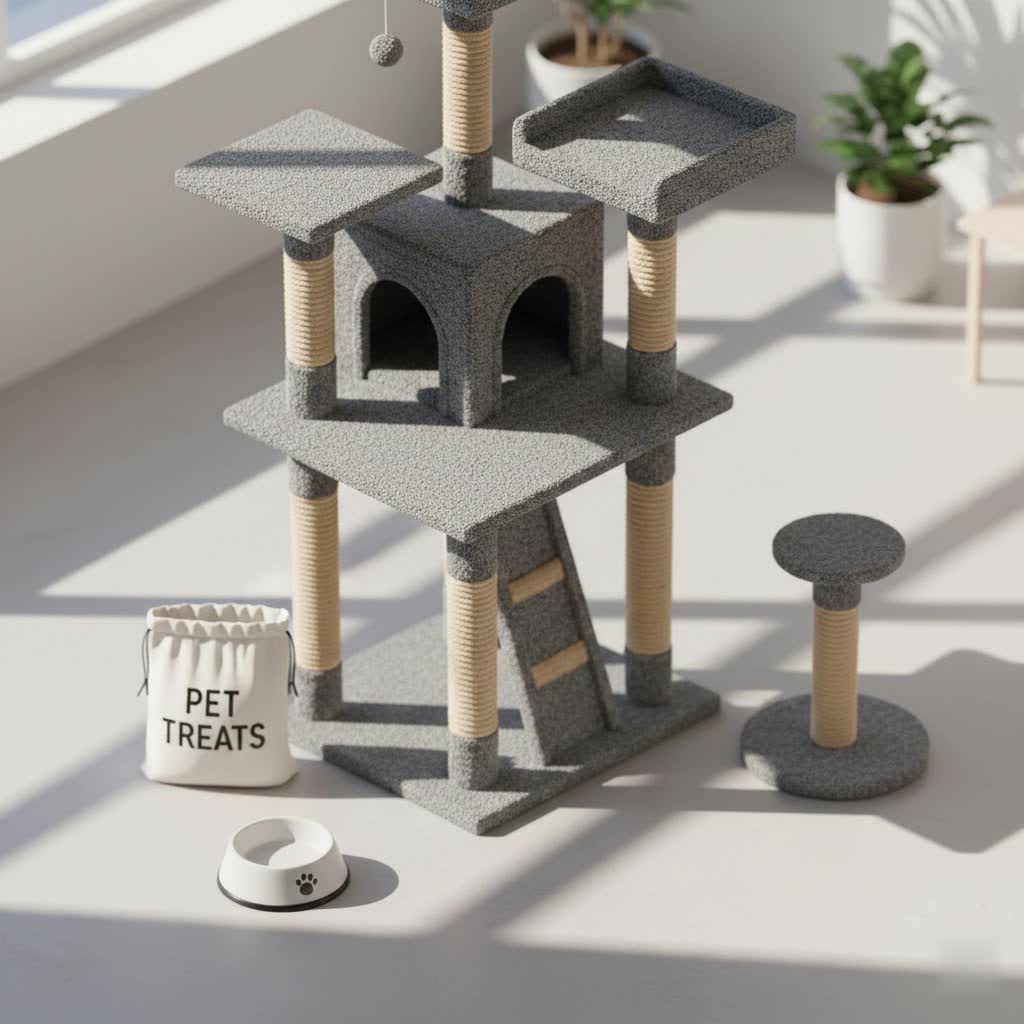
Why Do Cats Need a Cat Tree?
Cats, by nature, are climbers and hunters, and a cat tree provides a vital outlet for these inherent instincts, contributing significantly to both their physical and mental well-being. These multi-level structures offer an enriching environment where your cat can engage in essential behaviors. Specifically, they provide opportunities for crucial exercise and entertainment, allowing your feline to jump, climb, and bat at toys, mimicking their natural predatory actions. Beyond play, a cat tree serves as a designated scratching surface, helping to deter them from damaging your furniture while maintaining healthy claws. It also offers a sense of comfort and security, with elevated perches providing a safe vantage point to observe their surroundings and cozy hideaways for peaceful naps and stress relief.
Popular Types of Cat Trees
The world of cat trees offers a diverse range of options, each designed to cater to different feline personalities and living spaces. Understanding the various types can help you pinpoint the perfect fit for your home and cat’s preferences.
- Simple Post Cat Tree: These are often singular, sturdy posts covered in scratching material like sisal rope, sometimes with a small perch at the top. They are ideal for smaller spaces or as a supplementary scratching option.
- Multi-Level Cat Tree: The most common type, these feature several platforms, perches, and scratching posts at varying heights, encouraging extensive climbing and exploration. They are perfect for active cats or multi-cat households.
- Cat Tree with Integrated House or Cave (Cat Condo): These designs incorporate enclosed cubbies, tunnels, or “houses” within the structure, offering private, cozy spaces for cats to retreat, sleep, and feel secure. This type directly addresses the “cat house” aspect of the keyword, providing a true sanctuary.
- Wall-Mounted Cat Tree: A fantastic space-saving solution, these systems consist of shelves, perches, and sometimes small enclosures that attach directly to your wall, creating vertical pathways without occupying floor space.
Comparing Popular Cat Tree Types
|
Our Picks for the Best Cat Tree in 2026
We may earn a commission when you use one of our links to make a purchase.
|
||
| Num | Product | Action |
|---|---|---|
| 1 | Heybly Cat Tree with Toy, Cat Tower Condo for Indoor Cats, Cat House with Padded Plush Perch, Cozy Hammock and Sisal Scratching Posts, Smoky Gray HCT004SG |

|
| 2 | YUNIQUE Cat Tree with Cat Condo and Big Hammock, Grey |
|
| 3 | Xin Three Layer Cat Tree with Cat Condo and Two Hammocks,Grey |
|
| 4 | 37.4" Cactus Cat Tree Tower with Twin Cat Condos for Indoor Cats, All-in-One Activity Center with Cat Scratching Post Cozy Sleeping Perch Hammock and Toy Balls,Green … |
|
| 5 | Amazon Basics Cat Tree for Indoors Cats, Multi-Level Cat Tower Cat Condo with Scratching Post, Cozy Hammock and Perches for Adult Cats, Interactive Dangling Ball, L – 60.1” (152.7cm) H, Grey |
|
| 6 | Amazon Basics Cat Tree - Indoor Cat & Kittens Multi-Level Climbing Activity Tower with Scratching Posts, Large (45.9"H) - Beige |
|
| 7 | Feandrea Cat Tree, 59.5-Inch Tall Cat Tower, Plush Multi-Level Condo with 5 Scratching Posts, 2 Perches, 2 Caves, Hammock, 2 Pompoms, Light Gray UPCT192W01 |
|
| 8 | Globlazer Heavy Duty Cat Tree, 70 inch Sturdy Cat Tree for Indoor Cats Extra Large Cat Tower with Scratching Post, Hammock, Cat Condo for Adult Cats Kittens, F70 Pro, Light Grey |
|
| 9 | Globlazer Heavy Duty Cat Trees for Large Cats, Sturdy 72in Maine Coon Cat Tree for Large Cats 20 lbs+ Heavy Duty Cat Tower for Adult Biggest Cat with 6 Scratching Posts, Hammock, S72, Dark Gray |
|
| 10 | Hey-brother Wooden Cat Tree, 69.7 inch Cats Furniture Tower with Large Platforms, Hammocks, Spacious Condo, Full Sisal Scratching Posts, Ladder, Brush, Water Proof Surface, Rustic Brown MPJ121SR |
|
| Feature | Simple Post | Multi-Level | Integrated House/Cave | Wall-Mounted |
|---|---|---|---|---|
| Pros | Affordable, easy to install, space-saving | Multiple activity zones, diverse climbing, suitable for multiple cats | Enhanced privacy, security, cozy napping spots, reduces stress | Maximizes vertical space, unique aesthetic, keeps floor clear |
| Cons | Limited activity, less stimulating for active cats | Can be bulky, takes up significant floor space | Potentially harder to clean enclosed areas, may still be bulky | Requires careful installation, fixed placement, not always portable |
| Best For | Kittens, less active cats, small apartments | Energetic cats, multi-cat homes, cats who love to climb and observe | Shy or anxious cats, cats who enjoy hiding, providing a secure den | Small apartments, modern homes, cats who love high vantage points |
Important Factors When Choosing a Cat Tree
Selecting the ideal cat tree involves a thoughtful consideration of several practical and feline-centric factors to ensure it meets both your cat’s needs and your home’s requirements.
- Size: The dimensions of your cat tree should align with both your available living space and your cat’s physical size. Measure the intended area in your home to ensure the tree fits comfortably without obstructing pathways. For large breeds like Maine Coons, opt for sturdy, oversized trees, while kittens or senior cats may benefit from shorter, easily accessible structures with ramps. Multi-cat households often require larger trees with multiple perches to prevent territorial disputes.
- Material: The materials used in a cat tree directly impact its durability, safety, and your cat’s enjoyment. Look for solid wood or plywood construction for the base and platforms, offering superior stability and longevity compared to particleboard. Scratching surfaces should be covered in robust materials like natural sisal rope or heavy-duty carpet, providing a satisfying texture for claw maintenance. For lounging areas, soft, plush fabrics are ideal, but ensure they are easy to clean or, even better, removable and washable. Always verify that materials are non-toxic, free from harmful dyes or glues.
- Stability: A cat tree’s stability is paramount for your cat’s safety. A wobbly tree can deter use or even cause injury. Choose a model with a wide, heavy base that resists tipping, especially if you have active or multiple cats. All components should be securely fastened, with screws tightened, and consider models that offer wall anchors for additional security, particularly for taller structures. Ensure there are no gaps or openings where your cat could become trapped.
- Design: While your cat might not appreciate aesthetics, the cat tree will become a prominent piece of furniture in your home. Modern cat trees come in various styles, from traditional neutral tones to sleek, contemporary designs that blend seamlessly with modern décor. Some even feature whimsical elements like leaf shapes or natural wood branches. Consider your home’s aesthetic and choose a design that you’ll be happy to see every day.
How to Buy a Cat Tree
Navigating the market for a cat tree can be straightforward if you approach it systematically, keeping both budget and quality in mind.
- Budget: Determine a realistic price range before you start shopping. Cat trees vary widely in cost, from basic, affordable models to elaborate, high-end structures. Remember that investing in a higher-quality, durable cat tree often provides better long-term value, as it will withstand vigorous play and last longer.
- Where to Buy: Reputable pet supply stores, both brick-and-mortar and online, offer a vast selection. Online retailers often provide more variety and competitive pricing, while physical stores allow you to inspect the product’s quality and stability firsthand. Consider specialized pet furniture brands known for their durability and cat-friendly designs.
- Read Reviews: Before making a purchase, thoroughly research customer reviews and ratings. Real-life experiences from other cat owners can offer invaluable insights into a specific model’s stability, durability, ease of assembly, and how well cats actually use it. Look for consistent feedback regarding construction quality and feline appeal.
- Check Quality: Always verify the quality of the materials and construction. Inspect for any loose parts, rough edges, or chemical odors. Ensure scratching surfaces are robust and firmly attached. For online purchases, check the return policy in case the product doesn’t meet your expectations upon arrival.
Tips for Training Your Cat to Use a Cat Tree
Encouraging your cat to embrace their new cat tree can be a rewarding process, often requiring a little patience and strategic coaxing.
- Strategic Placement: Place the cat tree in a location your cat already loves, such as near a favorite window for birdwatching or in a central area where they can observe household activity. This makes the new structure an extension of their preferred spaces.
- Catnip Charm: Use catnip spray or sprinkle dried catnip on the platforms and scratching posts to attract your cat and make the tree immediately appealing. The scent can pique their curiosity and encourage exploration.
- Positive Reinforcement: When your cat interacts with the tree—whether by scratching, climbing, or resting on a perch—offer praise, treats, or gentle petting. Positive associations will encourage them to return.
- Playtime Integration: Incorporate the cat tree into your regular playtime. Use feather wands or laser pointers to lead your cat up and down the levels, making it a fun and engaging part of their routine.
- Patience and Routine: Building a new habit takes time. Be patient, continue to make the tree inviting, and integrate it into their daily life. Over time, it will become a natural and cherished part of their territory.
Cleaning and Maintaining Your Cat Tree
Regular cleaning and maintenance are essential to ensure your cat tree remains a hygienic, inviting, and safe space for your feline companion for years to come.
- Regular Vacuuming: Cat trees can quickly accumulate fur, dander, and dust. Vacuum the entire structure weekly, paying close attention to plush surfaces, cubbies, and crevices, to remove loose debris.
- Spot Cleaning: Address any stains or soiled areas promptly using a mild, pet-safe enzymatic cleaner and a damp cloth. Avoid harsh chemicals that could be harmful to your cat or damage the materials. For models with removable cushions, machine wash them according to the manufacturer’s instructions.
- Check for Damage: Periodically inspect the scratching posts, platforms, and structural components for wear and tear. If sisal rope is heavily frayed or platforms become unstable, consider replacing the damaged parts or reinforcing them if possible.
- Structural Integrity Check: Monthly, check all screws, bolts, and attachments to ensure they are tight and secure. A stable tree is crucial for your cat’s safety, preventing wobbling or tipping during play.
- Refresh Scents: Over time, the tree might lose its initial appeal. Revitalize it by spraying a light mist of catnip spray on scratching posts and perches to re-entice your cat.
“A good Cat Tree is more than just a play area; it’s where a cat feels safe, comfortable, and truly at home.” – Dr. Eleanor Vance, Certified Feline Behaviorist
Conclusion
Choosing the ideal cat tree for your feline friend is a thoughtful process that significantly contributes to their overall health and happiness. By considering their personality, available space, and the quality of materials, you can select a Cat Tree House that serves as a fulfilling sanctuary. This essential piece of feline furniture provides vital opportunities for exercise, stress relief, scratching, and secure hideaways, enriching their indoor environment. A well-chosen tree reduces destructive behaviors and offers your cat a personal haven where they can truly thrive.
Are you ready to elevate your cat’s living space and witness the joy a perfect cat tree can bring?
Frequently Asked Questions
Is a Cat Tree truly necessary for cats?
Absolutely! A cat tree is more than just a luxury; it’s a fundamental piece of furniture that fulfills a cat’s instinctual needs for climbing, scratching, and observing from heights. It provides physical exercise, mental stimulation, and a secure personal space, which can significantly reduce stress and prevent destructive behaviors like furniture scratching.
How do I choose a Cat Tree suitable for kittens?
For kittens, prioritize smaller, more stable cat trees with easily accessible levels, ramps, or lower perches. Look for soft, plush materials for comfort and ensure there are no large gaps where a curious kitten could get stuck. Integrated cubbies offer security for napping.
What materials are best for a Cat Tree?
The best cat trees feature sturdy wood (solid or plywood) for the frame and platforms, ensuring durability and stability. Scratching posts should be wrapped in natural sisal rope, which is satisfying for claws and long-lasting. Plush fabrics for perches offer comfort, but ensure they are durable and easy to clean.