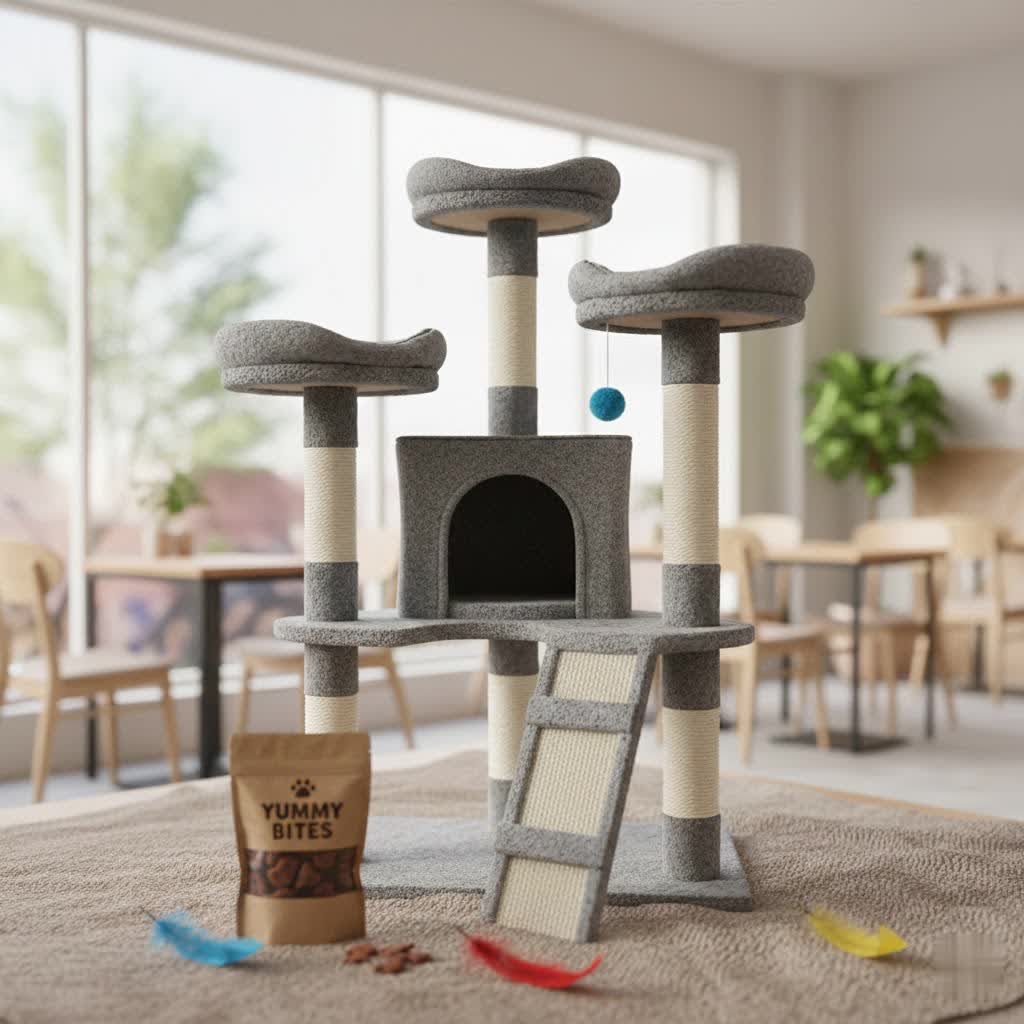
Investing in your cat’s well-being means providing them with a space that caters to their natural instincts for climbing, scratching, and surveying their domain. While many options exist, a Solid Wood Cat Tree stands out as a premium choice, offering unparalleled durability, stability, and aesthetic appeal. If you’ve been pondering the best way to enhance your cat’s environment, a solid wood cat tree is a decision that impacts their health and happiness for years to come. Let’s delve into why this type of cat furniture is a worthwhile investment and how to select the perfect one for your beloved pet.
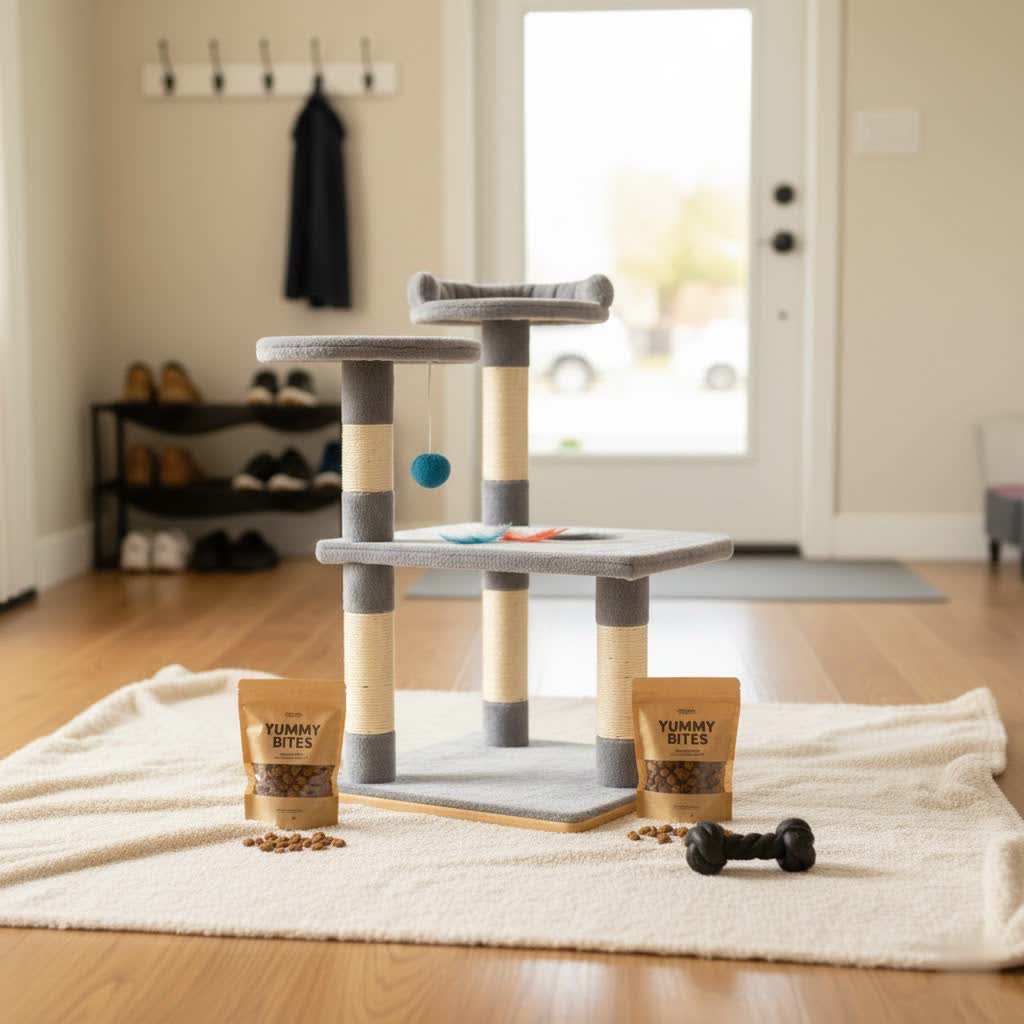
Why Your Cat Needs a Solid Wood Cat Tree?
Cats, by nature, are climbers and territorial creatures. A cat tree isn’t merely a piece of furniture; it’s a vital tool for their physical and mental health. For active felines, a robust climbing structure provides essential exercise, allowing them to stretch, jump, and maintain muscle tone. It also offers a safe, elevated perch where they can observe their surroundings, fulfilling their innate desire for high vantage points, which reduces stress and increases their sense of security.
Furthermore, a dedicated scratching surface is crucial for nail health and preventing destructive behavior on your furniture. Solid wood cat trees often integrate sturdy sisal posts that are ideal for this purpose, satisfying their instinct to scratch. Providing a private space, whether a cozy condo or a secluded platform, can also help shy cats feel more comfortable and secure in their home environment.
Types of Solid Wood Cat Trees
Solid wood cat trees come in various designs, each catering to different feline personalities and living spaces. Understanding the common types will help you narrow down your choices.
- Simple Post Cat Trees: These are typically single, sturdy posts with one or two small platforms. They are excellent for small spaces or as an additional scratching option, focusing primarily on scratching and a basic perch.
- Multi-Level Cat Trees: These are the most common and versatile, featuring several platforms, perches, and sometimes hammocks or tunnels. They provide ample climbing opportunities and multiple resting spots, making them ideal for households with one or more active cats.
- Cat Trees with Condos or Caves: Integrating enclosed spaces, these designs offer security and privacy, perfect for cats who enjoy napping in secluded spots or shy felines needing a safe retreat. The condos are often made from solid wood panels or sturdy fabric attached to the wooden frame.
- Wall-Mounted Cat Trees: An innovative solution for compact homes, these attach directly to the wall. They save floor space while providing vertical climbing adventures. They can be customized with various shelves, perches, and bridges, creating a unique aerial playground.
Comparing Solid Wood Cat Tree Types
To further assist your decision-making, here’s a comparison of the popular solid wood cat tree types:
| Feature | Simple Post Cat Tree | Multi-Level Cat Tree | Cat Tree with Condo | Wall-Mounted Cat Tree |
|---|---|---|---|---|
| Pros | Affordable, compact, easy assembly | Multiple activities, versatile, great for multiple cats | Enhanced privacy, cozy retreat, added security | Space-saving, customizable, unique aesthetic |
| Cons | Limited activities, less enrichment | Can be bulky, more expensive | Can be harder to clean inside condos | Requires installation, less portable |
| Best For | Kittens, less active cats, small apartments | Active cats, multi-cat households, playful cats | Shy cats, cats needing security, cats who love enclosed spaces | Small homes, modern interiors, adventurous cats |
Key Factors When Choosing a Solid Wood Cat Tree
Selecting the right solid wood cat tree involves considering several critical aspects to ensure it meets both your cat’s needs and your household’s practical requirements.
Size and Space
|
Our Picks for the Best Cat Tree in 2026
We may earn a commission when you use one of our links to make a purchase.
|
||
| Num | Product | Action |
|---|---|---|
| 1 | Amazon Basics Cat Tree for Indoors Cats, Multi-Level Cat Tower Cat Condo with Scratching Post, Cozy Hammock and Perches for Adult Cats, Interactive Dangling Ball, L – 60.1” (152.7cm) H, Grey |

|
| 2 | Hey-brother Wooden Cat Tree, 69.7 inch Cats Furniture Tower with Large Platforms, Hammocks, Spacious Condo, Full Sisal Scratching Posts, Ladder, Brush, Water Proof Surface, Rustic Brown MPJ121SR |
|
| 3 | Xin Three Layer Cat Tree with Cat Condo and Two Hammocks,Grey |
|
| 4 | Heybly Cat Tree with Toy, Cat Tower Condo for Indoor Cats, Cat House with Padded Plush Perch, Cozy Hammock and Sisal Scratching Posts, Smoky Gray HCT004SG |
|
| 5 | Feandrea Cat Tree, 59.5-Inch Tall Cat Tower, Plush Multi-Level Condo with 5 Scratching Posts, 2 Perches, 2 Caves, Hammock, 2 Pompoms, Light Gray UPCT192W01 |
|
| 6 | Globlazer Heavy Duty Cat Trees for Large Cats, Sturdy 72in Maine Coon Cat Tree for Large Cats 20 lbs+ Heavy Duty Cat Tower for Adult Biggest Cat with 6 Scratching Posts, Hammock, S72, Dark Gray |
|
| 7 | Globlazer Heavy Duty Cat Tree, 70 inch Sturdy Cat Tree for Indoor Cats Extra Large Cat Tower with Scratching Post, Hammock, Cat Condo for Adult Cats Kittens, F70 Pro, Light Grey |
|
| 8 | YUNIQUE Cat Tree with Cat Condo and Big Hammock, Grey |
|
| 9 | 37.4" Cactus Cat Tree Tower with Twin Cat Condos for Indoor Cats, All-in-One Activity Center with Cat Scratching Post Cozy Sleeping Perch Hammock and Toy Balls,Green … |
|
| 10 | Amazon Basics Cat Tree - Indoor Cat & Kittens Multi-Level Climbing Activity Tower with Scratching Posts, Large (45.9"H) - Beige |
|
Consider the available space in your home and your cat’s size. A tall, expansive cat tree might be perfect for an active, large breed cat in a spacious living room, but overwhelming for a small cat in a cozy apartment. Measure your floor area and ceiling height before shopping to ensure a good fit. Remember, a larger base often equates to greater stability.
Material Quality and Safety
While all choices here are solid wood, look into the specific type of wood used (e.g., pine, oak, bamboo). High-quality solid wood ensures durability and longevity. Beyond the wood, check the other materials: sisal rope for scratching should be tightly wound and natural, and any fabric components should be non-toxic, soft, and durable. The glues and finishes used should also be pet-safe and non-VOC to protect your cat’s health.
Stability and Durability
This is paramount for safety. A solid wood cat tree inherently offers superior stability due to its weight and robust construction. Look for a wide, heavy base that prevents wobbling or tipping, especially if you have an energetic cat or multiple felines. Strong fasteners and well-assembled components contribute to a long-lasting and safe structure. Durability means your investment will withstand years of enthusiastic play.
Design and Aesthetics
A solid wood cat tree can be a beautiful piece of furniture. Choose a design that complements your home decor. Modern, rustic, or minimalist styles are available. Consider features like removable cushions for easy cleaning, multiple scratching surfaces, various perching heights, and integrated toys to keep your cat engaged. Ultimately, the design should appeal to your cat’s natural behaviors while fitting seamlessly into your living space.
How to Buy a Solid Wood Cat Tree
Making an informed purchase will ensure you get the best value and a product that truly satisfies your cat.
Budget Considerations
Solid wood cat trees are generally more expensive than those made from particle board due to the quality of materials and craftsmanship. However, they are an investment in durability and safety. Determine a realistic budget, but remember that a higher upfront cost can lead to significant savings in the long run by avoiding frequent replacements.
Where to Purchase
Reputable pet supply stores often carry a selection of solid wood cat trees, allowing you to inspect them in person. Online retailers offer a wider variety and competitive pricing, but always check seller reviews. Specialized cat furniture boutiques or artisans might offer custom-made options with unique designs and sustainable materials.
Read Reviews and Product Specifications
Before making a purchase, meticulously read customer reviews. Pay attention to comments regarding stability, durability, ease of assembly, and how cats respond to the product. Always cross-reference reviews from multiple sources. Carefully examine the product specifications for material details, dimensions, and any safety certifications.
Inspect the Product
If purchasing in-store, physically inspect the cat tree for any loose parts, splintering wood, uneven surfaces, or weak points. For online purchases, inspect immediately upon arrival and contact the seller if you find any defects. Ensure all parts are included and the instructions are clear.
Tips for Training Your Cat to Use a Solid Wood Cat Tree
Even the most magnificent solid wood cat tree needs a little introduction to your feline friend. Here’s how to encourage your cat to embrace their new sanctuary.
- Strategic Placement: Place the cat tree in a high-traffic area where your cat already enjoys spending time, like near a window or in a living room corner. Cats love to be part of the action, so visibility is key.
- Use Catnip: A sprinkle of catnip on the platforms or scratching posts can be an irresistible invitation for many cats. The scent will draw them in and encourage exploration.
- Positive Reinforcement: When your cat interacts with the tree, offer praise, gentle petting, or small treats. Positive associations will encourage repeated use.
- Playtime Engagement: Use wand toys or laser pointers to lead your cat up and down the tree, making it a fun and exciting place to play. This helps them discover all the levels and features.
- Patience is Key: Some cats are naturally curious, while others might take a few days or even weeks to warm up to a new item. Be patient, continue to encourage them, and avoid forcing them onto the tree, which can create negative associations.
Cleaning and Maintenance of Your Solid Wood Cat Tree
A solid wood cat tree is a durable investment, and proper care will ensure its longevity and hygiene for your cat.
- Regular Vacuuming: Use a brush attachment on your vacuum cleaner to remove loose fur, dust, and dander from platforms, scratching posts, and any fabric surfaces. Do this weekly or bi-weekly depending on shedding.
- Spot Cleaning: For minor spills or marks, use a pet-safe enzymatic cleaner or a mild soap solution with a damp cloth. Avoid harsh chemicals that could be toxic to your cat or damage the wood finish. Always wipe dry immediately.
- Disinfecting: Periodically, especially if you have multiple cats or a sick cat, you might want to disinfect the surfaces. Use a diluted pet-safe disinfectant spray and allow it to air dry completely.
- Replacing Worn Parts: The sisal scratching posts are designed to be used heavily and may wear out over time. Many solid wood cat trees have replaceable sisal rope or components. Check the manufacturer’s website or contact them for replacement parts to extend the life of your tree. Ensure all screws and fasteners remain tight to maintain stability.
“A well-chosen cat tree is not just a plaything; it’s an essential element for a cat’s well-being, providing security, exercise, and a personal retreat that truly feels like home.”
Conclusion
Choosing a solid wood cat tree is a decision that reflects a deep understanding of your cat’s needs and a commitment to their long-term health and happiness. These magnificent structures offer superior stability, unmatched durability, and a natural aesthetic that seamlessly integrates into your home. By considering the various types, critical selection factors, and proper care, you can provide your feline companion with a sturdy, safe, and stimulating environment they will cherish. It’s an investment that pays dividends in purrs, playful antics, and peace of mind.
What kind of adventures will your cat embark on with their new solid wood sanctuary?
Frequently Asked Questions
Is a solid wood cat tree truly necessary for my cat?
While not every cat needs a cat tree, a solid wood cat tree provides significant benefits, including promoting exercise, satisfying natural climbing and scratching instincts, and offering a secure, elevated space. It can greatly contribute to a cat’s physical and mental health, reducing stress and preventing destructive behaviors.
How do I choose a solid wood cat tree suitable for a kitten?
For kittens, prioritize stability and safety. Look for sturdy designs with smaller platform spacing that are easy for tiny paws to navigate. Soft, plush surfaces on lower levels are a bonus. Ensure there are no small, detachable parts that could be choking hazards, and choose non-toxic materials.
What is the best type of wood for a solid wood cat tree?
Hardwoods like oak, maple, or birch are excellent for durability and stability. Softer woods like pine are also commonly used, especially if treated properly. Bamboo is another sustainable and sturdy option. The “best” type often comes down to budget, aesthetic preference, and overall construction quality rather than just the wood species alone.