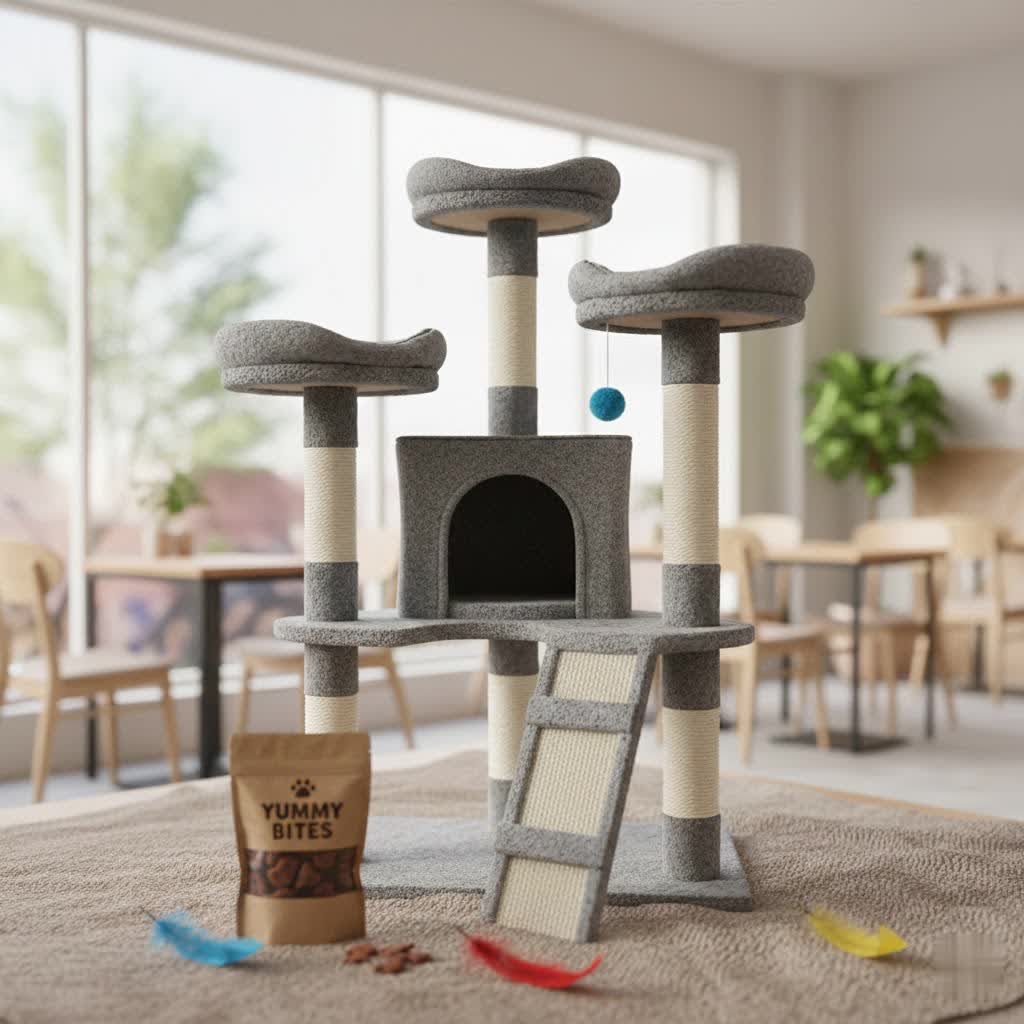
As a cat owner with a decade of experience, particularly with Cat Trees, I’ve seen firsthand how these essential pieces of furniture transform a cat’s life. It’s more than just a purchase; it’s an investment in your feline friend’s health, happiness, and overall well-being. Providing your cat with dedicated spaces for scratching, climbing, and resting isn’t just a luxury—it’s a necessity that caters to their deepest instincts. Let’s explore everything you need to know to make the best choice for your beloved pet.
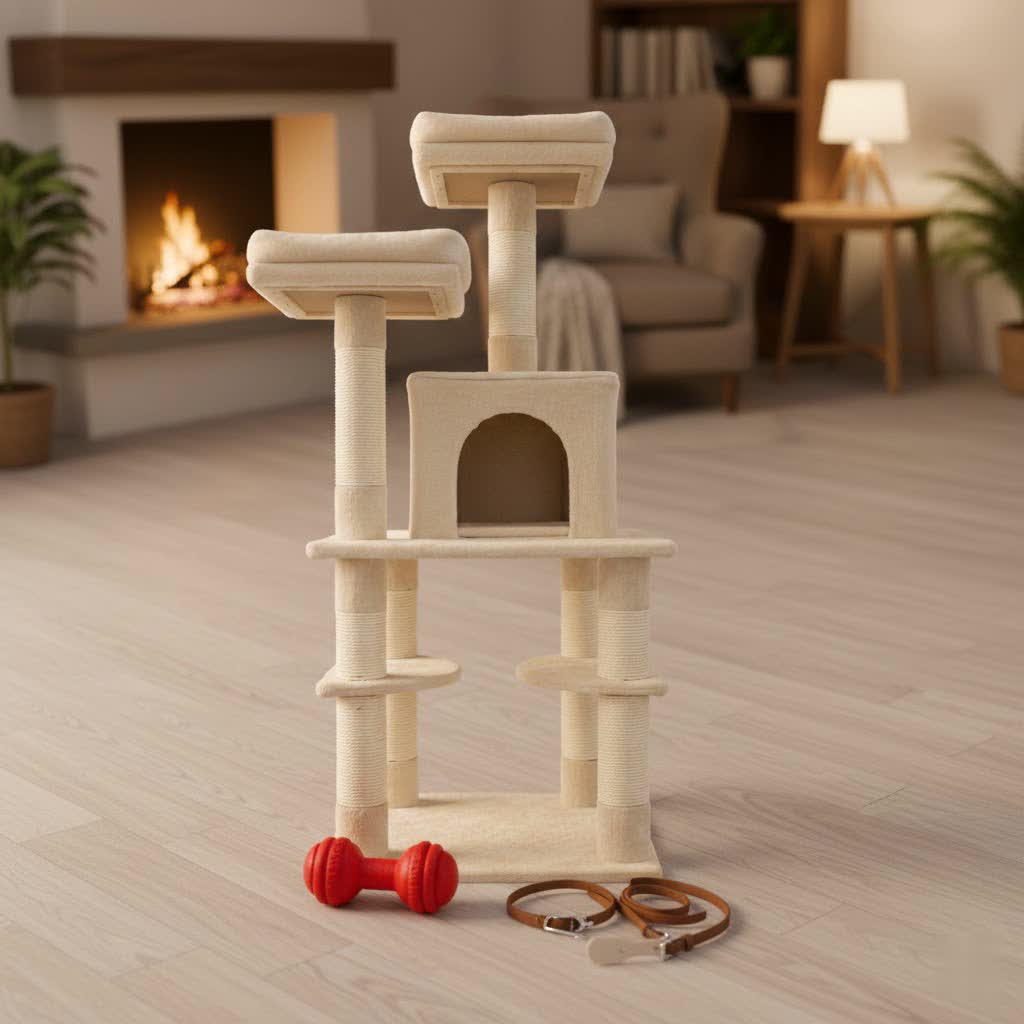
Why Do Cats Need a Cat Tree and Scratching Post?
Cats are complex creatures with innate behaviors that must be satisfied for them to thrive. A Cat Tree And Scratching Post combination serves multiple vital functions, addressing both their physical and psychological needs. They provide an outlet for natural instincts like scratching, climbing, stretching, and observing their surroundings from a safe, elevated position, preventing boredom and destructive behaviors.
Essential Benefits for Your Cat’s Well-being
Investing in a proper Cat Tree and scratching post offers a wealth of advantages, ensuring your cat leads a fulfilling and healthy life while protecting your home. These structures cater to various feline instincts, promoting physical health and emotional security.
- Claw Health and Maintenance: Scratching is crucial for maintaining healthy claws. It helps cats shed the dull outer layer of their claws, keeping them sharp and ready. Without appropriate scratching surfaces, your cat may resort to using your furniture, carpets, or curtains, leading to damage. A dedicated scratching post helps redirect this natural behavior.
- Stretching and Exercise: Cats love to stretch, especially after a nap. A tall scratching post or a multi-level Cat Tree provides the perfect opportunity for them to fully extend their bodies, engage their muscles, and maintain flexibility. This physical activity is vital for their overall health, particularly for indoor cats who might otherwise lack sufficient movement.
- Stress Relief and Emotional Release: Just like humans, cats experience stress and anxiety. Scratching serves as a significant outlet for emotional release, allowing them to express feelings of frustration, excitement, or even happiness. Providing this means of expression can significantly reduce stress and promote a calmer household environment.
- Territory Marking and Scent Spreading: Cats have scent glands in their paw pads, and scratching is a primary way they mark their territory. This visual and olfactory marking helps them feel secure and at home in their environment. In multi-cat households, ample scratching surfaces help establish communal areas and individual boundaries, reducing territorial disputes.
- Vertical Space and Security: Cats instinctively seek high vantage points. Elevated platforms in a Cat Tree offer a sense of security, allowing them to survey their surroundings and feel safe from perceived threats, whether it’s another pet, a visitor, or a child. This vertical dimension expands their usable living space, which is especially beneficial in smaller homes.
- Hiding and Resting Spots: Many Cat Trees come equipped with cozy cubbies, condos, or hammocks. These secluded spots provide a private retreat where cats can nap, observe quietly, or simply feel safe and undisturbed. Having designated resting areas is a key resource for a cat’s comfort and peace of mind.
|
Our Picks for the Best Cat Tree in 2026
We may earn a commission when you use one of our links to make a purchase.
|
||
| Num | Product | Action |
|---|---|---|
| 1 | YUNIQUE Cat Tree with Cat Condo and Big Hammock, Grey |

|
| 2 | Heybly Cat Tree with Toy, Cat Tower Condo for Indoor Cats, Cat House with Padded Plush Perch, Cozy Hammock and Sisal Scratching Posts, Smoky Gray HCT004SG |
|
| 3 | 37.4" Cactus Cat Tree Tower with Twin Cat Condos for Indoor Cats, All-in-One Activity Center with Cat Scratching Post Cozy Sleeping Perch Hammock and Toy Balls,Green … |
|
| 4 | Amazon Basics Cat Tree - Indoor Cat & Kittens Multi-Level Climbing Activity Tower with Scratching Posts, Large (45.9"H) - Beige |
|
| 5 | Globlazer Heavy Duty Cat Tree, 70 inch Sturdy Cat Tree for Indoor Cats Extra Large Cat Tower with Scratching Post, Hammock, Cat Condo for Adult Cats Kittens, F70 Pro, Light Grey |
|
| 6 | Xin Three Layer Cat Tree with Cat Condo and Two Hammocks,Grey |
|
| 7 | Globlazer Heavy Duty Cat Trees for Large Cats, Sturdy 72in Maine Coon Cat Tree for Large Cats 20 lbs+ Heavy Duty Cat Tower for Adult Biggest Cat with 6 Scratching Posts, Hammock, S72, Dark Gray |
|
| 8 | Hey-brother Wooden Cat Tree, 69.7 inch Cats Furniture Tower with Large Platforms, Hammocks, Spacious Condo, Full Sisal Scratching Posts, Ladder, Brush, Water Proof Surface, Rustic Brown MPJ121SR |
|
| 9 | Amazon Basics Cat Tree for Indoors Cats, Multi-Level Cat Tower Cat Condo with Scratching Post, Cozy Hammock and Perches for Adult Cats, Interactive Dangling Ball, L – 60.1” (152.7cm) H, Grey |
|
| 10 | Feandrea Cat Tree, 59.5-Inch Tall Cat Tower, Plush Multi-Level Condo with 5 Scratching Posts, 2 Perches, 2 Caves, Hammock, 2 Pompoms, Light Gray UPCT192W01 |
|
Exploring the Types of Cat Trees and Scratching Posts
The market offers a diverse range of Cat Trees and scratching posts, each designed to meet different feline preferences and living situations. Understanding the variations can help you choose the best fit for your cat and home decor. These options range from simple scratching solutions to elaborate multi-functional playhouses.
- Basic Scratching Posts: These are typically single, vertical posts wrapped in sisal rope or cardboard. They are excellent for essential claw maintenance and stretching. Some may include a small platform or toy.
- Multi-Level Cat Trees: These are taller, more complex structures featuring multiple platforms, perches, and often integrated scratching posts. They cater to a cat’s climbing instincts and provide various resting spots at different heights.
- Cat Trees with Condos/Houses: Incorporating enclosed spaces, these trees offer privacy and security. They combine scratching surfaces with cozy hideaways, perfect for shy cats or those who enjoy secluded naps.
- Wall-Mounted Cat Furniture: Ideal for small spaces, wall-mounted shelves, perches, and scratching boards save floor space while providing vertical exploration opportunities. They allow for customizable layouts and cater to cats who love to climb.
- Horizontal Scratchers: These include scratching mats, boards, or lounges made from cardboard or sisal. They are suitable for cats who prefer to scratch horizontally, often found on the floor.
Comparing Popular Cat Tree and Scratching Post Options
Choosing between the numerous options can be challenging. This comparison table highlights the key features, advantages, and disadvantages of common Cat Tree and scratching post types, helping you pinpoint the ideal solution for your household.
| Feature | Basic Scratching Post | Multi-Level Cat Tree | Cat Tree with Condo | Wall-Mounted Cat Furniture |
|---|---|---|---|---|
| Pros | Affordable, easy setup, targeted scratching, good for quick stretches | Multiple activity zones, abundant vertical space, integrated scratching, great for exercise | Private retreat, cozy, sense of security, often includes scratching surfaces for convenience | Space-saving, customizable layouts, elevated views, integrated scratching, modern aesthetic |
| Cons | Limited activity, less climbing/perching, only addresses vertical scratching | Can be bulky, more complex assembly, higher initial cost, requires significant floor space | Can be harder to clean deep inside, still takes up floor space, might be too enclosed for some cats | Requires installation, less flexible placement once installed, may not suit all wall types or rental agreements |
| Best For | Kittens, cats needing dedicated scratching in a small area, cats with limited mobility | Multi-cat homes, highly active cats, cats who love climbing & lounging, homes with ample space | Shy cats, cats needing safe havens, single or multi-cat homes seeking privacy for their pet | Small apartments, modern aesthetics, cats enjoying high vantage points without occupying floor space |
Key Factors When Choosing a Cat Tree and Scratching Post
Selecting the perfect Cat Tree or scratching post involves considering several critical aspects to ensure it meets both your cat’s needs and your household’s requirements. These factors will guide you toward a functional, safe, and durable choice.
- Size and Height: The structure should be tall enough for your cat to fully stretch out while scratching. Consider your cat’s size and weight, ensuring platforms are wide enough for comfortable lounging. Always measure your available space to avoid overcrowding.
- Material Quality: Look for durable and cat-safe materials. Sisal rope is a favorite for scratching surfaces due to its rough texture, mimicking tree bark. Solid wood frames offer superior stability and longevity compared to engineered wood or cardboard. Carpet can be used, but ensure it doesn’t snag claws easily. Cardboard scratchers are also popular, especially the replaceable inserts.
- Stability and Safety: A wobbly Cat Tree is a dangerous one. Ensure the base is wide and heavy, or the structure is securely anchored, especially for multi-level trees or those meant for larger, more active cats. Stability is paramount for your cat’s safety during energetic play.
- Design and Features: Consider features like multiple platforms, perches, hammocks, or enclosed condos to cater to different moods. Toys attached to the tree can add extra enrichment. Aesthetically, many modern Cat Trees are designed to blend seamlessly with home decor, offering both functionality and style.
- Your Cat’s Preferences: Observe your cat’s existing scratching habits. Do they prefer vertical or horizontal surfaces? Do they like to stretch tall or low? Some cats adore plush beds, while others prefer open perches. Tailor your choice to their individual likes and dislikes for maximum appeal.
A Step-by-Step Guide to Purchasing Your Cat Tree
Making an informed purchase ensures you get the best value and a product your cat will genuinely love. Follow these steps to navigate the options and invest wisely in your feline’s new favorite spot.
- Set Your Budget: Cat Trees and scratching posts vary widely in price. Determine how much you’re willing to spend, keeping in mind that a higher-quality, more durable product might be a better long-term investment.
- Research Reputable Retailers: Purchase from trusted pet stores, both online and brick-and-mortar, known for quality pet products. Check product specifications, warranty information, and return policies.
- Read Customer Reviews: Reviews from other cat owners provide invaluable insights into the product’s durability, ease of assembly, and how well cats actually use it. Pay attention to comments regarding stability and material quality.
- Inspect the Product: If buying in person, check for any damage, loose parts, or strong chemical odors. If ordering online, carefully inspect upon arrival. Ensure all components are present and the construction appears solid.
- Consider Assembly: Some larger Cat Trees require significant assembly. Check if tools are included and if the instructions are clear. Some services offer professional assembly for an additional cost.
Tips for Training Your Cat to Use Their New Cat Tree and Scratching Post
Introducing a new Cat Tree or scratching post to your cat might require a little encouragement, but with patience and the right techniques, your feline friend will quickly adopt their new favorite spot. Making it an inviting and rewarding experience is key.
- Strategic Placement: Place the Cat Tree or scratching post in an area your cat already loves, especially near their sleeping spot or a window with a view. If they’ve been scratching furniture, place the new item directly next to or in front of the scratched area.
- Use Catnip or Treats: Sprinkle catnip on the scratching surfaces or platforms to attract your cat’s attention. You can also place treats on various levels to encourage exploration and positive association.
- Interactive Play: Engage your cat in play sessions around the Cat Tree using wand toys or laser pointers. Guide them up and down the levels, encouraging them to bat at toys attached to the posts. This makes the tree a fun and exciting place.
- Positive Reinforcement: Whenever your cat uses the scratching post or climbs the tree, offer verbal praise, gentle pets, or a small treat. Positive reinforcement helps them associate the behavior with a reward.
- Patience is Key: Some cats take time to adjust. Never force your cat onto the tree or drag their paws across a scratching surface, as this can create a negative experience. Instead, maintain a positive approach and give them space to explore at their own pace.
- Deter Undesired Scratching: Temporarily make old scratching spots less appealing by covering them with double-sided tape, aluminum foil, or scent deterrents (safe for cats).
Cleaning and Maintaining Your Cat Tree
Regular cleaning and maintenance are essential to keep your Cat Tree hygienic, extend its lifespan, and ensure it remains an inviting space for your cat. A clean environment contributes to your cat’s health and happiness.
- Regular Vacuuming: Use a vacuum cleaner with a brush attachment to remove loose fur, dust, and debris from all surfaces, especially plush beds and carpeted areas. Do this at least once a week, or more frequently for shedding cats.
- Spot Cleaning: For spills or stains, use a pet-safe enzymatic cleaner. Apply the cleaner to a cloth and gently blot the stained area. Avoid harsh chemicals that could be toxic to your cat or damage the materials.
- Deep Cleaning: Periodically, you might need a deeper clean, especially for fabric components. Check if covers are removable and machine washable. For non-washable parts, a steam cleaner on a low setting can sanitize and refresh.
- Inspect for Wear and Tear: Regularly check all components for damage. Look for frayed sisal rope, loose platforms, wobbly posts, or worn fabric. Replacing damaged parts promptly ensures the tree remains safe and functional.
- Tighten Screws and Connections: Over time, nuts and bolts can loosen, especially with active cats. Periodically tighten all connections to maintain the Cat Tree’s stability and structural integrity.
“A well-chosen Cat Tree and scratching post isn’t merely furniture; it’s a vital component of a cat’s enriching environment, fulfilling their natural urges and fostering a sense of security and joy.” – Alice Sterling, Feline Behavior Specialist
Conclusion
Providing your cat with a high-quality Cat Tree and scratching post is one of the best investments you can make in their health and happiness. These essential pieces of pet furniture cater to their innate needs for scratching, climbing, stretching, and finding secure resting spots. By understanding the various types, choosing durable materials, and encouraging use through positive reinforcement, you can create an enriching environment that benefits both your feline friend and your home. So, are you ready to elevate your cat’s world and ensure they have the perfect space to thrive?
Frequently Asked Questions
Is a Cat Tree and scratching post truly necessary for cats?
Yes, a Cat Tree and scratching post are highly beneficial and often necessary for a cat’s physical and mental well-being. They provide an appropriate outlet for natural behaviors like claw maintenance, stretching, and territory marking, which helps prevent destructive scratching on furniture and reduces stress, contributing significantly to a happier, healthier cat.
How do I choose the right Cat Tree and scratching post for a kitten?
For kittens, prioritize stability, a suitable height they can easily navigate, and a variety of textures for scratching. Look for smaller platforms and integrated toys to encourage play and exploration. As they grow, they may transition to larger, more complex Cat Trees, but starting with an accessible, engaging option is ideal.
What are the best materials for a durable Cat Tree and scratching post?
The best materials for durability and feline appeal include solid wood for the frame, which offers superior stability, and natural sisal rope for scratching surfaces, known for its tough texture and longevity. Cardboard is also a good option for scratching, particularly if it’s replaceable or reversible. Avoid flimsy materials that won’t withstand enthusiastic use.