The holiday season brings warmth, joy, and festive cheer, but for cat parents, it often comes with a unique set of challenges. That glittering, towering Christmas tree, a symbol of holiday spirit for us, can look like the ultimate climbing frame or an irresistible new toy to our feline friends. Ensuring your Christmas tree is safe for your curious cat isn’t just about protecting your precious ornaments; it’s about safeguarding your pet’s health and happiness. This comprehensive guide will walk you through everything you need to know to create a festive, cat-friendly holiday display, allowing both you and your feline companion to enjoy a peaceful and joyous season.
Why Your Cat Needs a Cat-Safe Christmas Tree
Cats are naturally curious and playful creatures, drawn to new textures, shiny objects, and vertical spaces. A Christmas tree, with its dangling ornaments, sparkling lights, and climbable branches, is a magnet for their attention. Unfortunately, this attraction can lead to several hazards, turning holiday merriment into a veterinary emergency.
The risks associated with traditional Christmas trees for cats are numerous. A toppling tree, whether real or artificial, can cause physical injury to your cat, damage to your home, and shatter precious decorations. Real pine needles, especially from certain species, contain oils that are mildly toxic and can cause irritation or stomach upset if ingested. Tinsel, ribbons, and garland, while beautiful, are perhaps one of the most dangerous temptations; if swallowed, these linear foreign bodies can cause severe intestinal blockages that often require emergency surgery and can even be fatal. Breakable glass ornaments pose a risk of cuts and punctures, while electrical cords can lead to burns or electrocution if chewed. Even the water in a real tree stand can become hazardous if it contains fertilizers, chemicals, or bacteria.
Protecting your cat means understanding these dangers and proactively creating an environment where their natural instincts can’t lead them into harm’s way. A cat-safe Christmas tree isn’t just a luxury; it’s an essential investment in your cat’s well-being and your peace of mind throughout the holidays.
Choosing the Right Tree for a Cat-Friendly Christmas
The foundation of a cat-safe holiday display begins with your tree choice. Deciding between a real or artificial tree, and considering its size and placement, can significantly impact how easily you can cat-proof your festive center.
Artificial vs. Real Trees: Weighing the Risks
|
Our Picks for the Best Cat Tree in 2026
We may earn a commission when you use one of our links to make a purchase.
|
||
| Num | Product | Action |
|---|---|---|
| 1 | Globlazer Heavy Duty Cat Trees for Large Cats, Sturdy 72in Maine Coon Cat Tree for Large Cats 20 lbs+ Heavy Duty Cat Tower for Adult Biggest Cat with 6 Scratching Posts, Hammock, S72, Dark Gray |

|
| 2 | Hey-brother Wooden Cat Tree, 69.7 inch Cats Furniture Tower with Large Platforms, Hammocks, Spacious Condo, Full Sisal Scratching Posts, Ladder, Brush, Water Proof Surface, Rustic Brown MPJ121SR |
|
| 3 | Heybly Cat Tree with Toy, Cat Tower Condo for Indoor Cats, Cat House with Padded Plush Perch, Cozy Hammock and Sisal Scratching Posts, Smoky Gray HCT004SG |
|
| 4 | Globlazer Heavy Duty Cat Tree, 70 inch Sturdy Cat Tree for Indoor Cats Extra Large Cat Tower with Scratching Post, Hammock, Cat Condo for Adult Cats Kittens, F70 Pro, Light Grey |
|
| 5 | Amazon Basics Cat Tree for Indoors Cats, Multi-Level Cat Tower Cat Condo with Scratching Post, Cozy Hammock and Perches for Adult Cats, Interactive Dangling Ball, L – 60.1” (152.7cm) H, Grey |
|
| 6 | Amazon Basics Cat Tree - Indoor Cat & Kittens Multi-Level Climbing Activity Tower with Scratching Posts, Large (45.9"H) - Beige |
|
| 7 | YUNIQUE Cat Tree with Cat Condo and Big Hammock, Grey |
|
| 8 | Feandrea Cat Tree, 59.5-Inch Tall Cat Tower, Plush Multi-Level Condo with 5 Scratching Posts, 2 Perches, 2 Caves, Hammock, 2 Pompoms, Light Gray UPCT192W01 |
|
| 9 | Xin Three Layer Cat Tree with Cat Condo and Two Hammocks,Grey |
|
| 10 | 37.4" Cactus Cat Tree Tower with Twin Cat Condos for Indoor Cats, All-in-One Activity Center with Cat Scratching Post Cozy Sleeping Perch Hammock and Toy Balls,Green … |
|
When it comes to cats, artificial trees generally offer more control over potential hazards compared to real ones. Artificial trees eliminate concerns about toxic pine needles, sap, or contaminated tree water that can be alluring yet dangerous for your feline. They also avoid the mess of shedding needles, which can be sharp and cause internal irritation if ingested.
However, artificial trees aren’t entirely risk-free. Many are made from PVC (Polyvinyl Chloride), which can be toxic if chewed and ingested. If you opt for an artificial tree, choose a high-quality one with sturdy branches and ensure your cat isn’t prone to chewing plastic.
If your heart is set on a real tree, select a non-drop variety like a Nordman Fir to minimize needle shedding. Always cover the tree stand’s water reservoir to prevent your cat from drinking it, as it may contain fertilizers or bacteria harmful to pets.
Size and Placement Considerations
The size and location of your Christmas tree are crucial factors in deterring cat curiosity. A smaller tree can be easier to manage and secure. Consider a tabletop tree placed on a high, stable surface out of your cat’s reach, or even a unique wall-mounted tree that eliminates climbing opportunities entirely.
When positioning your tree, choose an area that is not cramped and away from furniture your cat typically uses as a jumping-off point, such as couches or bookshelves. This minimizes easy access and reduces the likelihood of an aerial assault. Some cat owners find success by placing the tree in a room that can be closed off when they’re not home or able to supervise.
Cat-Proofing Your Christmas Tree: Essential Steps
Once you’ve chosen your tree, the real work of cat-proofing begins. From securing the tree itself to selecting safe decorations and employing clever deterrents, a multi-faceted approach is key to a truly cat-safe Christmas.
Securing the Tree
A wobbling tree is an open invitation for a cat to test its stability, often with disastrous results. Investing in a heavy, wide, and sturdy tree stand is paramount to prevent accidental toppling. For an extra layer of security, consider anchoring your tree to the wall or ceiling using fishing line or strong wire and eye hooks. This provides stability against even the most determined climbers. Some cat owners even suggest leaving the tree bare for a few days after setting it up, allowing your cat to get used to its presence without the added temptation of decorations.
“A well-anchored tree is the first line of defense against curious claws and adventurous climbs, ensuring everyone, especially your cat, stays safe.” – Dr. Sarah Miller, Feline Behaviorist
For real trees, ensure the tree stand’s water basin is completely covered to prevent your cat from drinking potentially harmful water. A tree skirt might offer some visual camouflage, but for extra security, consider placing a baby gate or a decorative barrier around the base.
Decorating with Safety in Mind
The decorations you choose and how you place them are critical for cat safety. Many traditional ornaments and embellishments pose significant risks.
- Ornaments: Say goodbye to fragile glass or ceramic ornaments that can shatter into dangerous shards. Opt for shatterproof alternatives made from felt, wood, plastic, or even fabric. Securely attach all ornaments to the tree using wire ties rather than easily dislodged metal hooks. Place the most enticing or valuable ornaments higher up on the tree, out of reach of playful paws.
- Tinsel and Ribbons: These sparkling, flowing decorations are irresistible to cats but are extremely hazardous if ingested, often leading to severe internal damage. It is strongly recommended to avoid tinsel and long ribbons entirely when cats are in the home.
- Lights: Electrical lights add a magical glow but can be dangerous if chewed. Use LED lights that stay cool to the touch and secure the strands tightly to the branches, placing them closer to the trunk where they are less accessible. Always unplug lights when you’re not home or when sleeping, or use a timer for convenience. Cover any exposed wires or extension cords with pet-proof covers to prevent chewing.
- Toxic Items: Avoid fake snow, which can contain harmful chemicals. Steer clear of traditional holiday plants like mistletoe, holly, ivy, and poinsettias, all of which are toxic to cats. If you want to incorporate greenery, choose pet-safe plants.
- Food-Based Decorations: While charming, edible decorations like candy canes or popcorn garlands can attract your cat to the tree and are often unhealthy or dangerous if consumed. Keep all food items away from your tree.
Creating Deterrents and Barriers
Sometimes, simply removing temptations isn’t enough; you might need to actively deter your cat.
| Deterrent Method | Description | Pros | Cons |
|---|---|---|---|
| Citrus Scents | Cats generally dislike citrus. Use sprays (pet-safe), or place orange/lemon peels around the base. | Natural, can smell pleasant to humans. | Needs reapplication, not 100% effective for all cats. |
| Aluminum Foil | Wrap the tree trunk or stand in foil; cats dislike the crinkly texture. | Simple, readily available, inexpensive. | Can be visually unappealing, some cats may ignore it. |
| Pine Cones | Scatter around the base of the tree to create an uncomfortable surface. | Natural, adds a rustic touch. | Cats might still navigate around them. |
| Pet Gates/Barriers | Use a baby gate or playpen to create a physical barrier around the tree. | Highly effective physical deterrent. | Can be bulky, may detract from aesthetic. |
| Motion-Activated Sprays | Devices that emit a harmless puff of air when movement is detected. | Automated, good for unsupervised periods. | Can be startling, may not cover entire tree. |
Another clever tactic is to trim the lower branches of your tree, creating a “no-climb zone” at the bottom and making it less appealing for an initial leap.
Electrical Safety
Electrical hazards are a silent but serious threat. Ensure all Christmas lights and decorations are in good condition, without frayed wires or exposed bulbs. Use high-quality extension cords and hide them behind furniture or use cord protectors. Always unplug your lights before bed or whenever you leave the house to prevent accidental shocks or fires.
Christmas Tree Alternatives for Cat Owners
If the thought of battling your cat over the Christmas tree every year fills you with dread, or if your cat is simply too mischievous for a traditional setup, consider embracing creative alternatives. Many cat parents have found joyful ways to celebrate without a conventional tree.
- Wall-Mounted “Tree” Sculptures: Transform your wall into a festive canvas using flat decorative pieces shaped like trees, made from non-toxic wood or felt. These eliminate climbing temptations while still allowing for festive decoration.
- Hanging Christmas Trees: Arrange branches on a wall in a tree-like silhouette, or create a minimalist hanging ornament display from the ceiling, ensuring all elements are securely fastened and out of reach.
- Photo Collage Trees: Create a tree shape on your wall using cherished holiday photos, decorated with festive washi tape.
- Book Trees: For the avid reader, stack hardcover books in a tree formation on a sturdy surface.
- Wall Tapestries: A Christmas tree tapestry can provide a festive backdrop without any of the associated hazards.
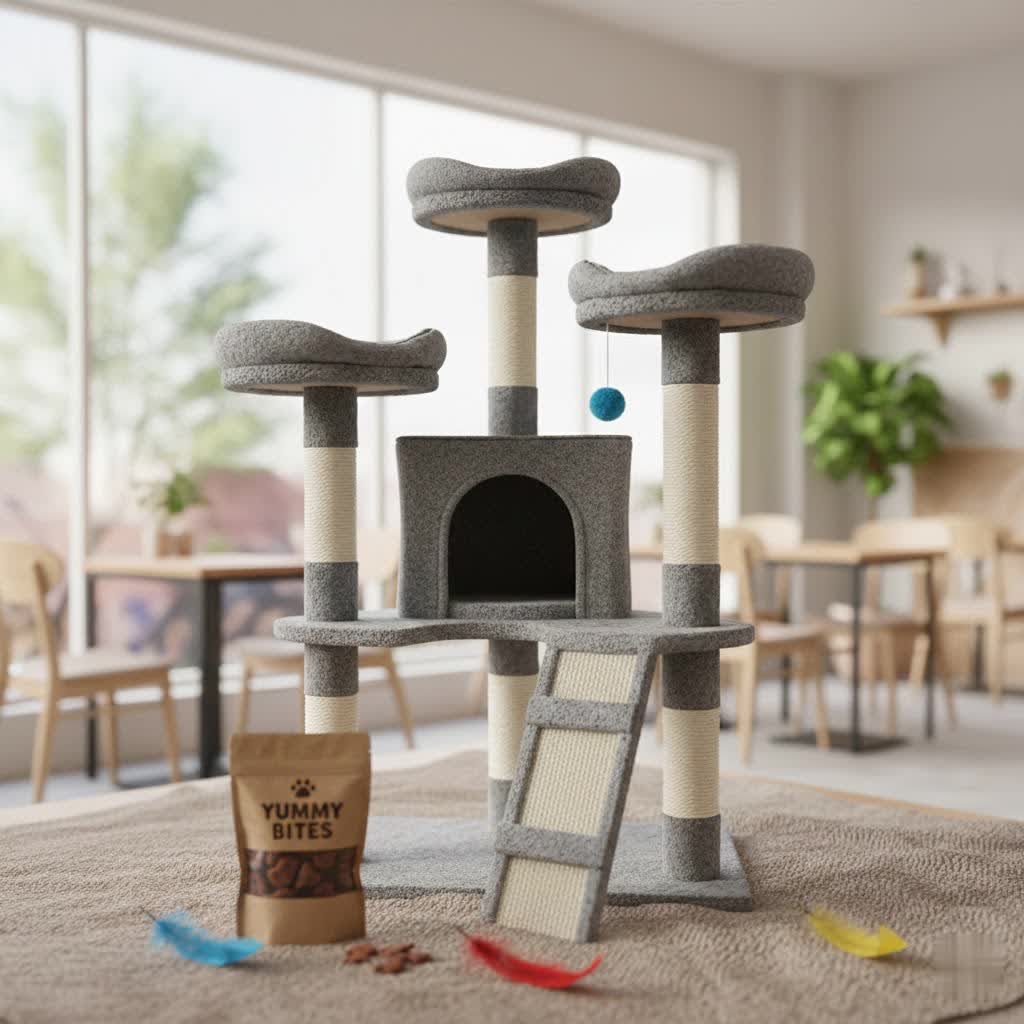
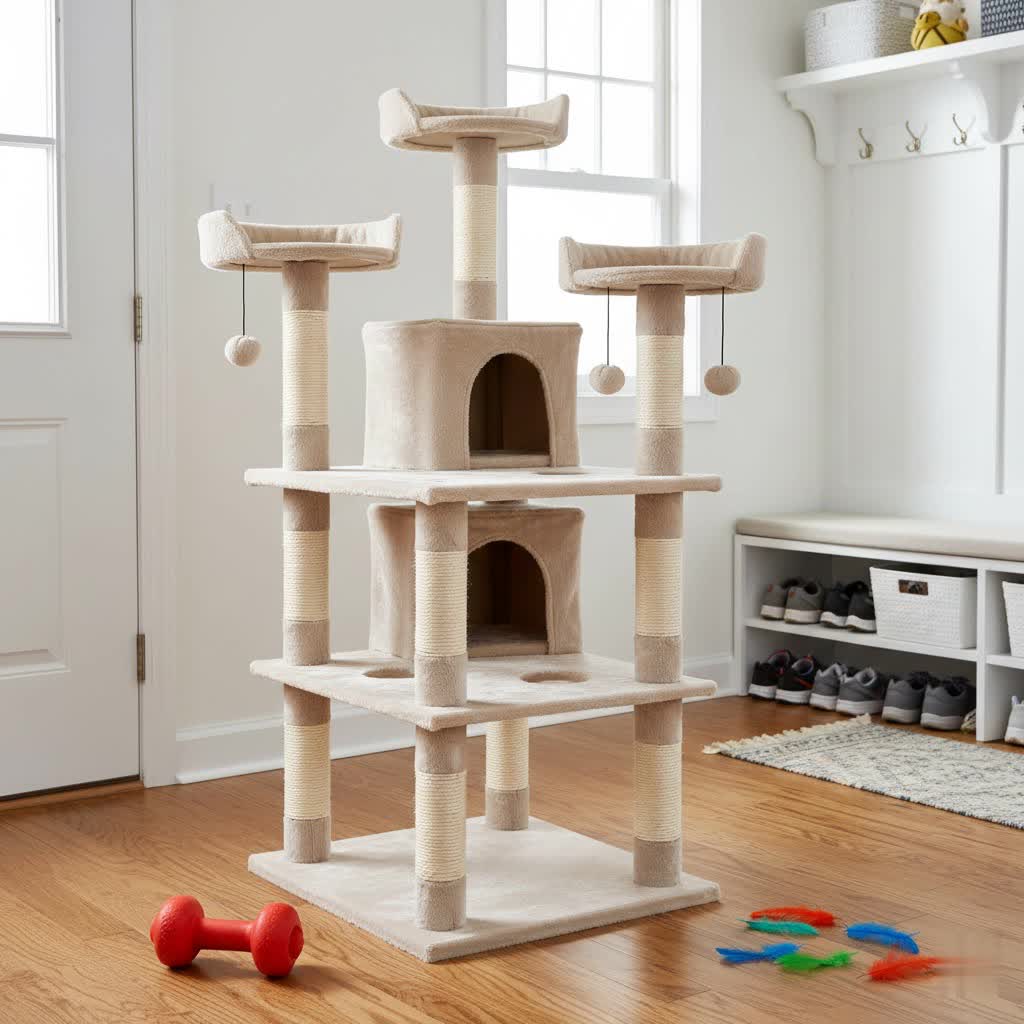
- Integrated Cat Trees: Why not make your cat’s existing cat tree the holiday centerpiece? Decorate it with cat-safe, lightweight fabric ornaments, and tightly wrapped battery-operated LED string lights, giving your feline friend their very own festive tower to climb and enjoy safely.
- Non-Toxic Festive Plants: Incorporate pet-safe plants like Bay laurel, parlor palms, or baby rubber plants for a touch of natural greenery, ensuring they are certified non-toxic by organizations like the ASPCA.
Training Your Cat for a Peaceful Holiday Season
While preventative measures are crucial, gentle training and redirection can also help your cat adapt to the holiday decor.
- Introduce Slowly: Set up the tree without decorations for a few days, allowing your cat to investigate and get used to its presence. Once the novelty wears off, they might be less interested when the ornaments appear.
- Redirection and Positive Reinforcement: If you see your cat approaching the tree, gently redirect their attention to appropriate toys or a dedicated cat tree. Reward them with praise or treats when they choose to play with their own toys or use their scratching post.
- Provide Alternative Play: Ensure your cat has plenty of stimulating toys, scratching posts, and their own climbing structures (like a cat tree) to fulfill their natural instincts, diverting their attention away from the Christmas tree. Regular play sessions with you can also tire them out and reduce their interest in “attacking” the tree.
- Be Patient: Every cat is unique, and some will require more patience and consistency than others. Remember that scolding or punishment is rarely effective and can cause stress for your cat.
Maintenance for a Lasting Cat-Safe Christmas
Maintaining your cat-safe Christmas tree setup throughout the season is just as important as the initial installation. Regularly inspect your tree and decorations for any signs of wear and tear, loose ornaments, or exposed wires. Quick detection and repair can prevent potential hazards.
If you have a real tree, keep an eye on the water level and ensure it remains covered. For artificial trees, wipe down branches if they collect dust or if your cat decides to lick them. Promptly clean up any fallen needles (real or artificial) or broken decorations. By being vigilant, you can ensure your festive display remains safe and enjoyable for everyone, including your cherished feline companion, for the entire holiday season.
Conclusion
Creating a cat-safe Christmas tree doesn’t mean sacrificing your holiday spirit; it means thoughtfully designing a festive environment where both you and your feline friend can thrive. By choosing wisely, securing diligently, decorating carefully, and offering engaging alternatives, you can transform potential hazards into harmonious holiday memories. This season, let your home sparkle with joy, knowing your cat is safe and sound, perhaps even napping peacefully under a securely anchored, cat-proofed tree.
What creative ways have you found to make your holidays merry and cat-safe?
Câu Hỏi Thường Gặp
Are real Christmas trees safe for cats?
Real Christmas trees pose several risks to cats, including mildly toxic pine needles that can cause irritation if ingested, potentially contaminated tree stand water, and sap. While not highly toxic, ingestion can lead to stomach upset. Artificial trees are generally considered safer, though any tree requires cat-proofing.
What decorations should I avoid if I have cats?
Avoid tinsel, ribbons, garland, and other linear decorations as they can cause severe intestinal blockages if swallowed. Also, steer clear of fragile glass ornaments (risk of cuts), food-based decorations that attract pets, and artificial snow or toxic holiday plants like mistletoe and holly.
How can I stop my cat from climbing the Christmas tree?
To deter climbing, ensure your tree is very stable and anchored. Use deterrents like aluminum foil around the base, citrus scents, or pine cones. Place tempting ornaments high up or towards the center, and provide alternative entertainment like a dedicated cat tree or interactive toys.
What are some good alternatives to a traditional Christmas tree for cat owners?
Excellent alternatives include wall-mounted “tree” sculptures made of felt or wood, photo collage trees, book trees, or wall tapestries. You can also incorporate holiday decorations onto your existing cat tree, giving your feline companion a safe, festive climbing structure of their own.
Is fake snow dangerous for cats?
Yes, fake snow often contains chemicals that can be harmful if ingested by cats. It’s best to avoid using it entirely when you have pets to prevent potential poisoning or gastrointestinal issues. Opt for pet-safe decorations and materials to ensure a truly safe holiday environment.