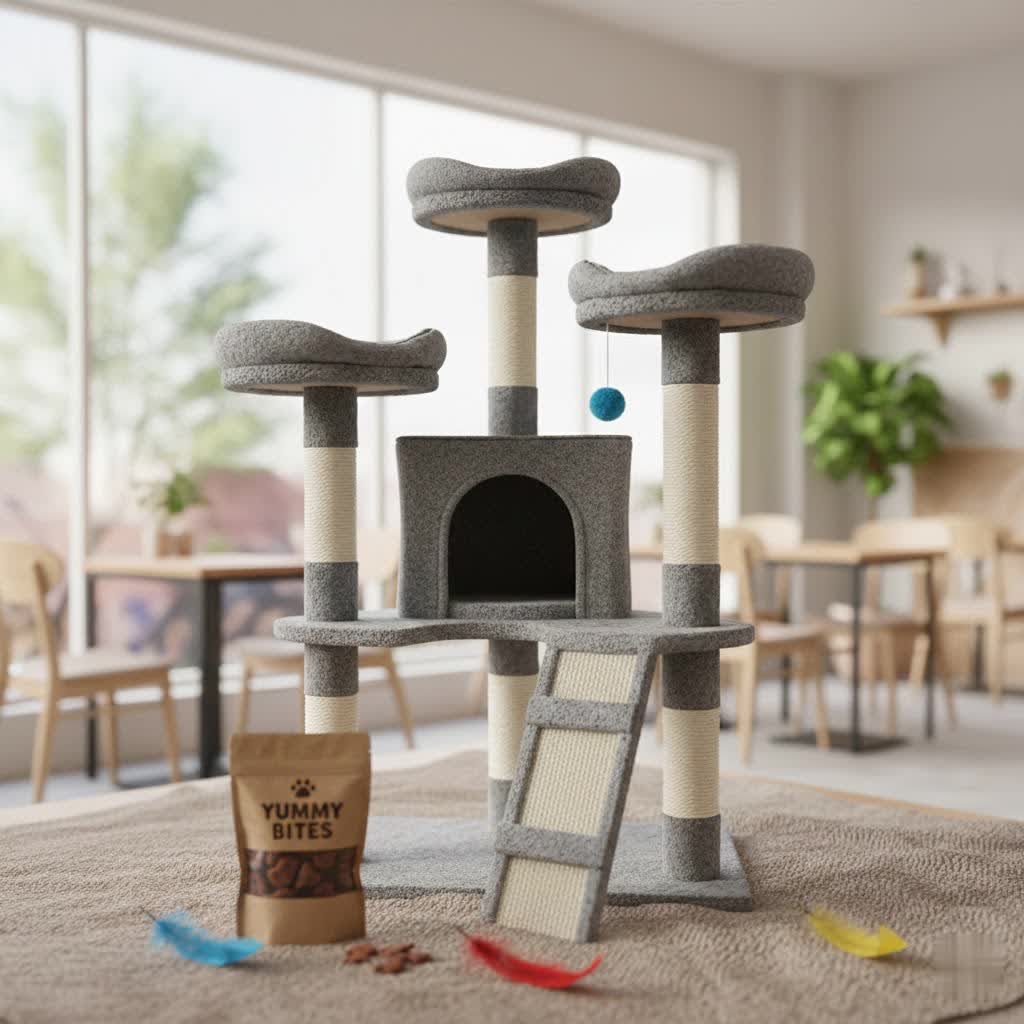
As a dedicated cat parent, you understand that providing for your feline companion goes far beyond food and cuddles. It’s about enriching their environment to support their natural instincts, health, and happiness. While traditional cat trees have long served this purpose, the modern Cat Cactus Tree offers a unique blend of functionality and aesthetic appeal, seamlessly integrating into your home decor while providing an irresistible playground for your cat. Investing in the right cat tree is a commitment to your cat’s well-being, offering them a personal haven for play, rest, and observation. Let’s explore how to make the wisest choice for your beloved furball.
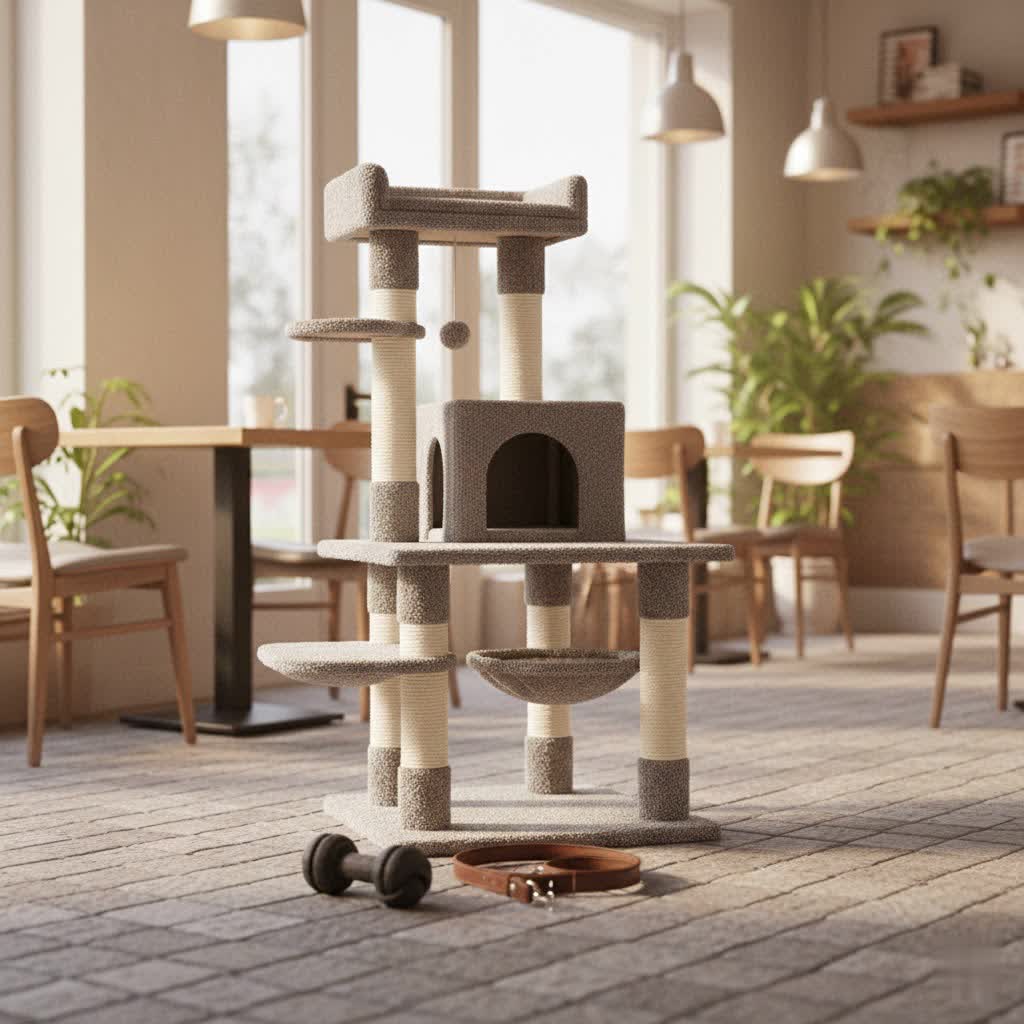
Why Do Cats Need a Cat Tree?
Cat trees are more than just furniture; they are essential for your cat’s physical and mental health. These multi-level structures fulfill several fundamental feline needs, making them an invaluable addition to any cat-friendly household. Without adequate enrichment, cats can become bored, stressed, and may develop undesirable behaviors like scratching furniture.
Firstly, cat trees encourage vital physical activity. Cats are natural climbers and jumpers, and a cat tree provides a safe outlet for these behaviors. The verticality allows for stretching, muscle development, and maintaining a healthy weight. Secondly, they offer crucial mental stimulation and stress reduction. High perches satisfy a cat’s innate desire to survey their “territory” from a safe vantage point, which can significantly reduce anxiety, especially in multi-pet households or busy environments. Finally, cat trees provide designated scratching surfaces, often covered in durable sisal, which helps maintain healthy claws and diverts scratching away from your furniture. This dedicated space ensures your cat can express their natural instincts in a constructive way.
The Allure of the Cat Cactus Tree
The cat cactus tree stands out in the world of feline furniture, not just for its utility but for its distinctive and charming aesthetic. Unlike conventional designs, a cat cactus tree transforms a functional item into a decorative piece that can enhance your home’s interior. Its unique shape, often featuring green sisal and brown accents, mimics the look of a desert cactus, bringing a touch of nature and whimsy indoors.
This playful design is particularly appealing to owners who want to integrate pet accessories seamlessly into their modern or eclectic decor. Beyond its visual charm, the cactus design often incorporates multiple levels, cozy perches, and sisal-wrapped scratching posts that effectively cater to a cat’s climbing and scratching needs. The vibrant colors and fun shapes can also pique a cat’s curiosity, encouraging them to explore and utilize their new play space more readily.
Popular Types of Cat Trees
The market offers a wide array of cat tree designs, each catering to different feline personalities and living spaces. Understanding these types, including the various interpretations of the cat cactus tree, helps in making an informed decision.
- Simple Scratching Posts (Cactus Column): These are often single, sturdy posts wrapped in sisal, sometimes with a small platform on top. A simple cat cactus tree in this style provides excellent scratching opportunities and a moderate climbing challenge for smaller cats or those with limited space.
- Multi-Level Cat Trees (Cactus Branches): These are the most common, featuring several platforms, perches, and often one or more enclosed condos. Cactus designs in this category cleverly integrate climbing levels as “branches” or layered segments of the cactus, providing ample vertical space for jumping and exploring. They are ideal for active cats or multiple felines.
- Cat Trees with Integrated Condos/Houses (Cactus Base with Hideaway): These trees prioritize comfort and security, featuring enclosed spaces where cats can retreat for privacy or a nap. A cat cactus tree of this type might have a cozy cave built into its base or “blooming flower” perches for added snugness.
- Wall-Mounted Cat Shelves and Climbers: While less common in a direct “cactus tree” shape, some wall-mounted systems use green and brown elements or feature cactus-like scratching columns to offer vertical territory without occupying floor space. These are excellent for small apartments.
Comparing Different Cat Tree Types
Choosing the right cat tree involves balancing your cat’s needs with your home environment. Here’s a comparison to help you weigh your options:
| Feature | Simple Column | Multi-Level Tower | Combined with Condo | Wall-Mounted | Cactus Cat Tree Variant |
|---|---|---|---|---|---|
| Aesthetic | Basic | Functional | Varied | Modern, minimalist | Unique, decorative |
| Scratching | Excellent | Good | Good | Varies | Excellent (sisal) |
| Climbing/Play | Limited | Excellent | Good | Excellent | Good to excellent |
| Hiding Spaces | Minimal | Some | Excellent | Minimal | Often includes |
| Space Footprint | Small | Large | Medium to Large | Small (vertical) | Medium to Large |
| Pros | Affordable, compact | High enrichment | Privacy, comfort | Space-saving | Stylish, engaging |
| Cons | Limited activities | Can be bulky | Harder to clean | Installation needs | Can be bulky, niche design |
| Best For | Single, less active cats | Multiple, active cats | Shy, comfort-seeking cats | Small homes, active cats | Owners seeking style & function |
A well-designed cat cactus tree often combines the benefits of multi-level towers and integrated condos, providing a balance of play, rest, and unique aesthetics.
Key Factors When Choosing Your Cat Cactus Tree
Selecting the perfect cat cactus tree requires careful consideration of several critical factors to ensure it meets both your cat’s needs and your expectations.
- Size: The dimensions of the cat cactus tree must be appropriate for your feline. For a single kitten or small cat, a shorter, compact cactus tree might suffice. However, if you have multiple cats or a larger breed, opt for a tall, multi-level cat cactus tree with spacious platforms and sturdy construction to accommodate their size and activity levels. Always measure your available floor space before purchasing.
- Material: The quality and type of materials directly impact durability, safety, and your cat’s enjoyment. Look for a cat cactus tree made with natural sisal rope for scratching posts, as this durable material provides excellent claw care. For platforms and sleeping areas, soft, plush fabric or carpeting offers comfort. The core structure should be made from solid particleboard or wood, ensuring stability. Prioritize non-toxic, pet-friendly materials.
- Stability: This is paramount for your cat’s safety. A wobbly cat cactus tree can deter your cat from using it and pose a risk of injury. Ensure the base is wide and heavy, and consider models with anti-toppling safety straps that can be secured to a wall, especially for taller units.
- Design and Features: Beyond the captivating cactus aesthetic, examine the specific features. Does it offer a variety of scratching surfaces? Are there multiple perches or platforms at different heights? Does it include cozy hideaways or condos for privacy? Dangling toys, ramps, and varied textures add to the enrichment and appeal, catering to a cat’s diverse play and rest preferences.
Guide to Buying a Cat Cactus Tree
Once you’ve considered the essential factors, the next step is navigating the purchasing process to find the best cat cactus tree for your home and cat.
- Budget: Cat cactus trees vary widely in price based on size, materials, and features. Determine a realistic budget before you start shopping. While it might be tempting to opt for the cheapest option, remember that investing in a higher-quality, more durable cat cactus tree can save money in the long run by avoiding frequent replacements.
- Where to Buy: You can find cat cactus trees at various retailers. Large home improvement stores and pet supply chains often carry a selection, as do major online marketplaces like Amazon, Chewy, and Wayfair. Specialty pet boutiques might offer more unique or artisan-crafted designs. Always compare prices and shipping options across different vendors.
- Reading Reviews: Customer reviews are an invaluable resource. Pay close attention to feedback regarding product stability, material quality, ease of assembly, and how well cats actually interact with the tree. Look for consistent positive comments on durability and feline engagement.
- Quality Check: Upon arrival, carefully inspect the cat cactus tree for any defects, loose parts, or strong chemical odors. Ensure all components are included and that the assembly instructions are clear. A quick and easy assembly is a sign of good design.
Tips for Encouraging Your Cat to Use Their New Cactus Tree
Even the most perfect cat cactus tree might need a little persuasion to become your cat’s new favorite spot. Here are some effective strategies to help your feline friend embrace their new vertical playground:
- Strategic Placement: Cats love to observe their surroundings. Place the cat cactus tree in a high-traffic area where your family spends time, such as the living room, or near a window where they can watch birds and outdoor activity. This makes them feel like part of the action while having their own safe retreat.
- Using Attractants: Catnip, silvervine, or even a few of their favorite treats can work wonders. Sprinkle catnip on the perches or rub a catnip toy against the sisal posts. Placing treats on different levels encourages exploration and positive association with the tree.
- Interactive Play: Engage your cat in play sessions around and on the cat cactus tree. Use a laser pointer or a wand toy to guide them up the levels, chasing the dot or toy. This turns the tree into an exciting part of their play routine.
- Positive Reinforcement: When your cat uses the scratching posts, climbs to a perch, or settles into a condo, offer praise, gentle petting, or a small treat. Positive associations will encourage repeated use. Patience is key, as some cats take longer to adjust to new items.
- Scent Transfer: Gently rub a towel on your cat’s cheeks and shoulders, then rub that towel on various parts of the cat cactus tree. This transfers their familiar scent to the new object, making it feel safer and more inviting.
Cleaning and Maintaining Your Cat Cactus Tree
Regular cleaning and maintenance will extend the life of your cat cactus tree and keep it a hygienic and inviting space for your cat.
- Regular Vacuuming and Brushing: The plush surfaces and sisal rope can accumulate cat hair, dander, and dust. Use a handheld vacuum with a brush attachment or a stiff brush to clean these surfaces regularly, ideally once a week.
- Spot Cleaning: For spills or accidents, spot clean immediately. Use a pet-safe enzymatic cleaner or a mild soap solution with a slightly damp cloth. Avoid saturating the fabric, as excessive moisture can damage the materials and lead to mold or mildew. Always test the cleaner on an inconspicuous area first. For sisal posts, a dry brush is usually sufficient.
- Replacing Worn Parts: Sisal rope can fray and wear down over time. If a scratching post becomes severely damaged, you might be able to re-wrap it with new sisal rope. Check for any loose screws or wobbly platforms and tighten them as needed to maintain stability and safety.
Conclusion
Choosing the right cat cactus tree is an investment in your feline friend’s happiness and health, offering a beautiful balance between functional pet furniture and stylish home decor. By providing a dedicated space for climbing, scratching, playing, and resting, a well-chosen cat cactus tree fulfills your cat’s instinctual needs, reduces stress, and protects your furniture. Remember to consider factors like size, materials, stability, and design features, and use positive reinforcement to help your cat fall in love with their new vertical sanctuary.
Are you ready to transform your cat’s world and enhance your home with a delightful cat cactus tree?
Frequently Asked Questions
Is a cat cactus tree really necessary for my cat?
|
Our Picks for the Best Cat Tree in 2026
We may earn a commission when you use one of our links to make a purchase.
|
||
| Num | Product | Action |
|---|---|---|
| 1 | YUNIQUE Cat Tree with Cat Condo and Big Hammock, Grey |

|
| 2 | 37.4" Cactus Cat Tree Tower with Twin Cat Condos for Indoor Cats, All-in-One Activity Center with Cat Scratching Post Cozy Sleeping Perch Hammock and Toy Balls,Green … |
|
| 3 | Hey-brother Wooden Cat Tree, 69.7 inch Cats Furniture Tower with Large Platforms, Hammocks, Spacious Condo, Full Sisal Scratching Posts, Ladder, Brush, Water Proof Surface, Rustic Brown MPJ121SR |
|
| 4 | Feandrea Cat Tree, 59.5-Inch Tall Cat Tower, Plush Multi-Level Condo with 5 Scratching Posts, 2 Perches, 2 Caves, Hammock, 2 Pompoms, Light Gray UPCT192W01 |
|
| 5 | Globlazer Heavy Duty Cat Trees for Large Cats, Sturdy 72in Maine Coon Cat Tree for Large Cats 20 lbs+ Heavy Duty Cat Tower for Adult Biggest Cat with 6 Scratching Posts, Hammock, S72, Dark Gray |
|
| 6 | Amazon Basics Cat Tree - Indoor Cat & Kittens Multi-Level Climbing Activity Tower with Scratching Posts, Large (45.9"H) - Beige |
|
| 7 | Globlazer Heavy Duty Cat Tree, 70 inch Sturdy Cat Tree for Indoor Cats Extra Large Cat Tower with Scratching Post, Hammock, Cat Condo for Adult Cats Kittens, F70 Pro, Light Grey |
|
| 8 | Heybly Cat Tree with Toy, Cat Tower Condo for Indoor Cats, Cat House with Padded Plush Perch, Cozy Hammock and Sisal Scratching Posts, Smoky Gray HCT004SG |
|
| 9 | Xin Three Layer Cat Tree with Cat Condo and Two Hammocks,Grey |
|
| 10 | Amazon Basics Cat Tree for Indoors Cats, Multi-Level Cat Tower Cat Condo with Scratching Post, Cozy Hammock and Perches for Adult Cats, Interactive Dangling Ball, L – 60.1” (152.7cm) H, Grey |
|
While not strictly “necessary” for survival, a cat cactus tree is highly beneficial for your cat’s overall well-being. It provides crucial outlets for natural behaviors like climbing, scratching, and perching, which are essential for physical exercise, mental stimulation, and stress reduction, leading to a happier, healthier cat.
How do I choose a cat cactus tree for a kitten?
For a kitten, prioritize stability and safety. Look for a cat cactus tree with a sturdy base and appropriate height that allows easy access to all levels. Ensure the materials are non-toxic, and dangling toys are securely attached to prevent choking hazards. A multi-level design with various scratching textures will encourage healthy development.
What are the best materials for a durable cat cactus tree?
The best cat cactus trees combine durable, pet-safe materials. Sisal rope is ideal for scratching posts due to its strength and texture. Solid particleboard or real wood provides a stable and long-lasting structure. Plush or soft carpeting offers comfortable resting spots, ensuring both longevity and feline appeal.
Can a cat cactus tree fit into small apartments?
Yes, many cat cactus tree designs are suitable for smaller apartments. Look for compact models or those with a smaller footprint that emphasize verticality over width. Single-column cactus scratchers or multi-level trees with efficient designs can provide ample enrichment without overwhelming your living space.